
Skip to content
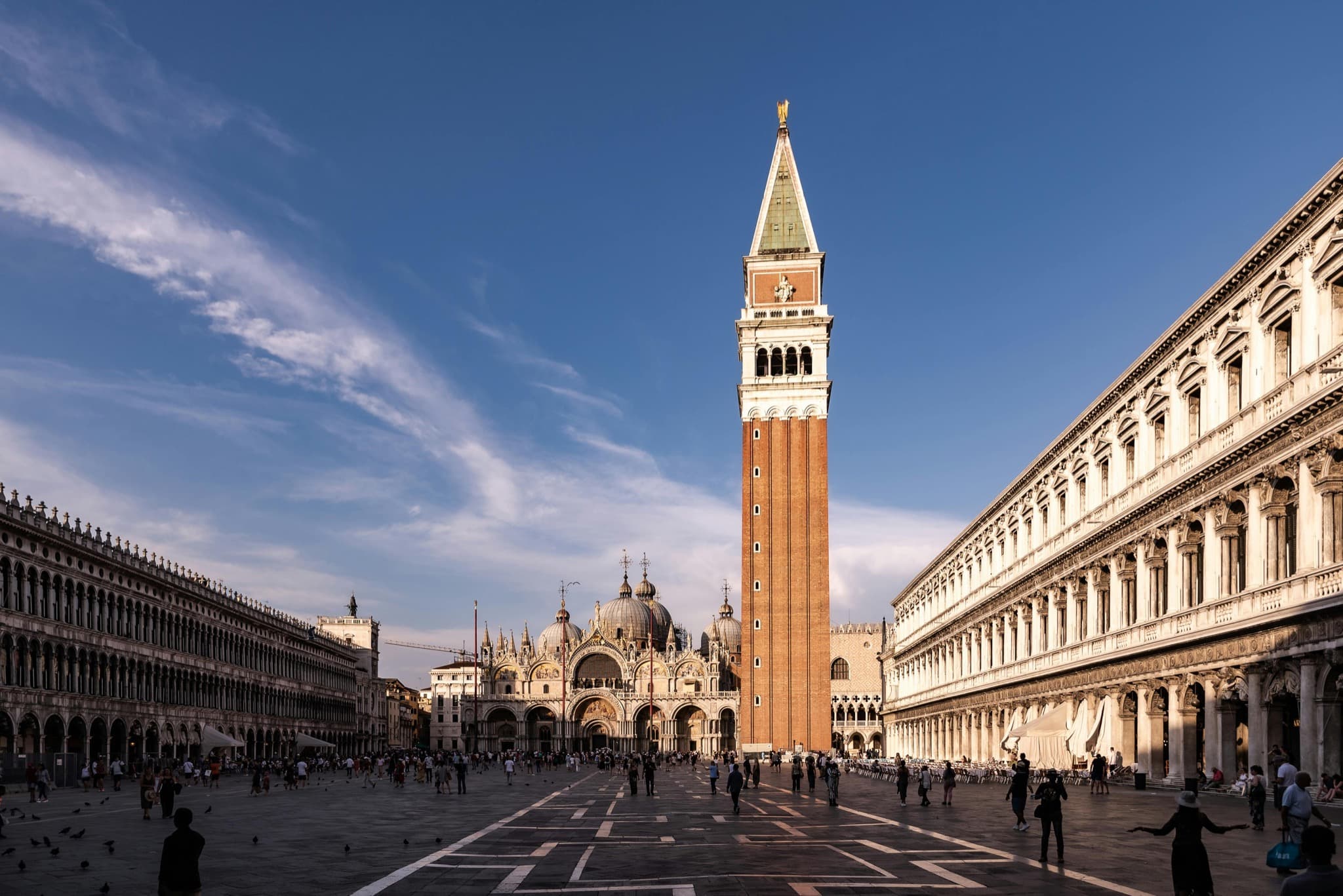
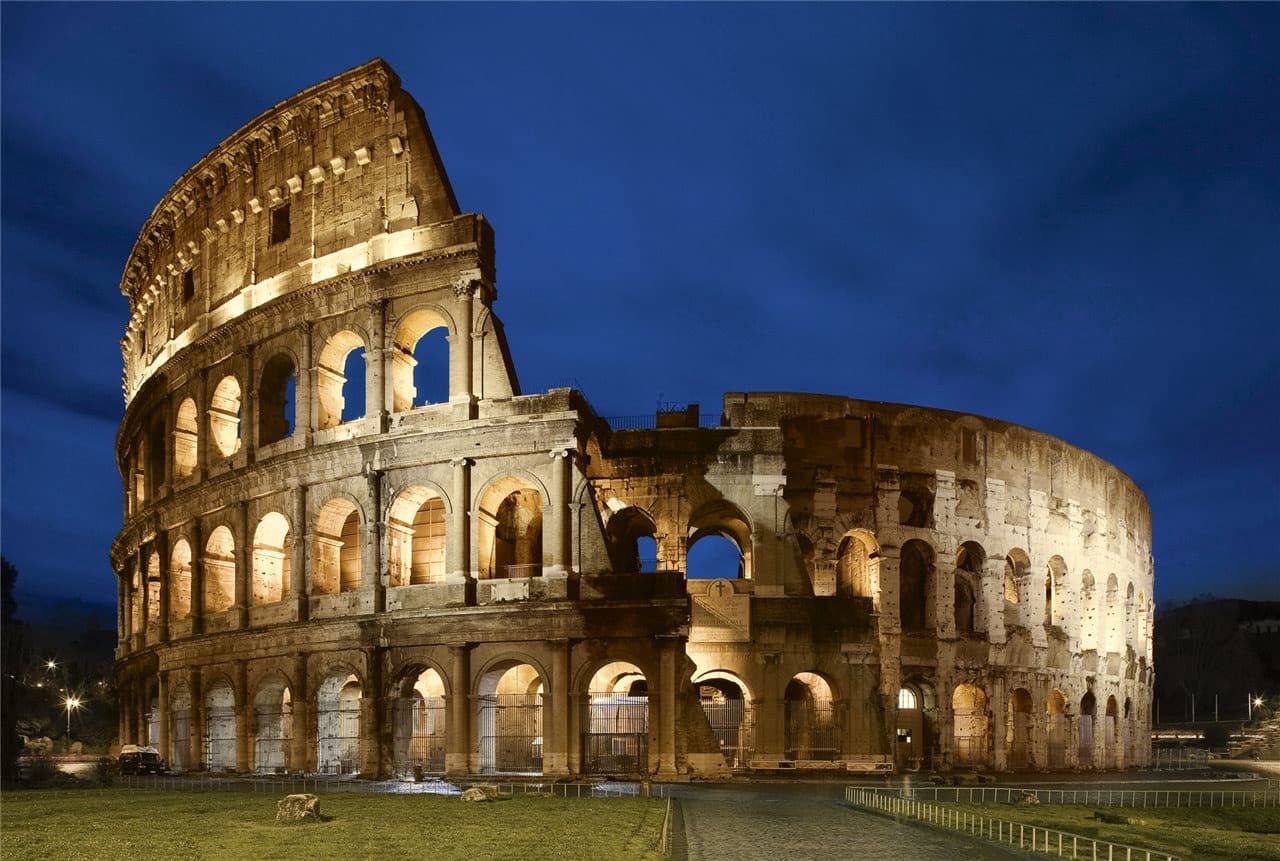
View of the Colosseum in Rome

Italy · 35 places · 75 stories

Don’t visit Rome.
Understand it.

35 places. 75 stories. Empire, Church and politics stacked on the same ground. You walk it layer by layer.

35 historical places in Rome with free audio guide

Free · no ads · iOS and Android

Rome in depth

In Rome, history isn't read. It's walked.

Ruthy shows you Rome through 35 real places, narrated by Lucas Botta (Historia en Podcast) at the exact spot where each story happened. No group tour, no schedule, no shared headphones. Just you, the city, and a story that starts when you arrive and press play.

Rome isn't a museum with opening hours. It's a city where Empire, Church and politics are stacked on the same ground, where a 2nd-century column shares a square with the seat of the Italian government. So you don't tackle it with a checklist of sights: you wander it, and let each square tell you what lies beneath. A stadium that became a Baroque square. A mausoleum that ended up a castle. A temple that survived because they turned it into a church. Ruthy keeps you in that state —standing where it happened, in no hurry— to understand why, after twenty-five centuries, Rome is still at the center of everything.

Deep-dive walks

Places told chapter by chapter.

We don't just tell you what it is. We tell you why it matters, how it was built, what happened inside, and how it became what it is today.

View of the Colosseum in Rome
12chapters

Colosseum

It didn't begin as a temple of spectacle — it began as Nero's private lake. On that vanity the Flavians raised a machine for 60,000 people. Why it's called the Colosseum, what moved beneath the arena, and how it survived its own city's looting: twelve chapters walk it from the inside.

All 12 chapters

  1. Roman Games
  2. Differences between circus, theatre and amphitheatre
  3. Domus Aurea
  4. Origin of the name
  5. Construction of the Colosseum
  6. Inauguration
  7. The Colosseum from the outside
  8. Inside the Colosseum
  9. The roof of the Colosseum
  10. Mock naval battles
  11. Gladiators
  12. The Colosseum in the Middle Ages
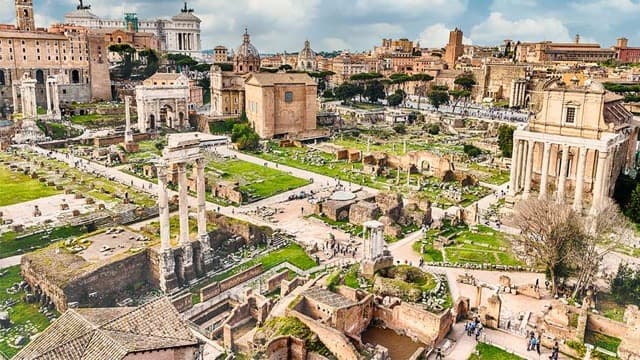
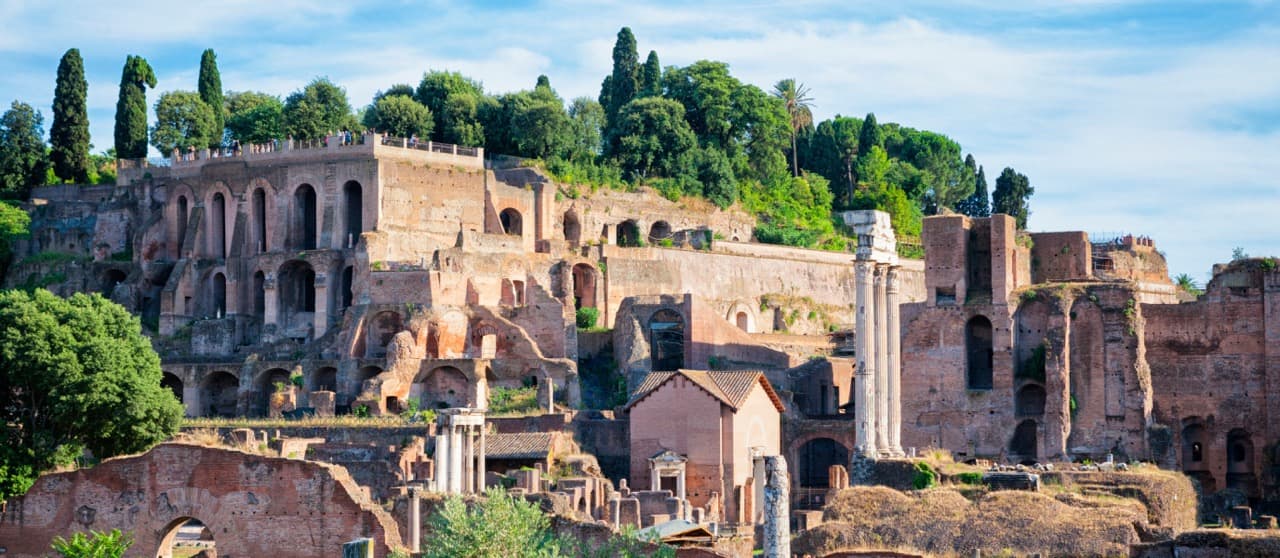
View of the Roman Forum
26chapters

Roman Forum

Today it's an esplanade of stray columns. For a thousand years it was the political, religious and judicial center of the world — and before that, a swamp. Wars were voted here, a Caesar was cremated here, and centuries later cows grazed over it. Twenty-six chapters to read each stone.

All 26 chapters

  1. Introduction
  2. Via Sacra
  3. Arch of Titus
  4. Basilica of Santa Francesca Romana
  5. Basilica of Maxentius and Constantine
  6. Medieval Portico
  7. Temple of Romulus
  8. Temple of Antoninus and Faustina
  9. Basilica Aemilia
  10. Curia Julia
  11. Arch of Septimius Severus
  12. Temple of Divus Julius
  13. Basilica Julia
  14. Lacus Curtius
  15. Column of Phocas
  16. Temple of Saturn
  17. Miliarium Aureum · Umbilicus Urbis
  18. Temple of Vespasian and Titus
  19. Tabularium
  20. Portico of the Consenting Gods
  21. Temple of Castor and Pollux
  22. Fountain of Juturna
  23. Temple of Vesta
  24. House of the Vestals
  25. The Regia
  26. Temple of Venus and Rome
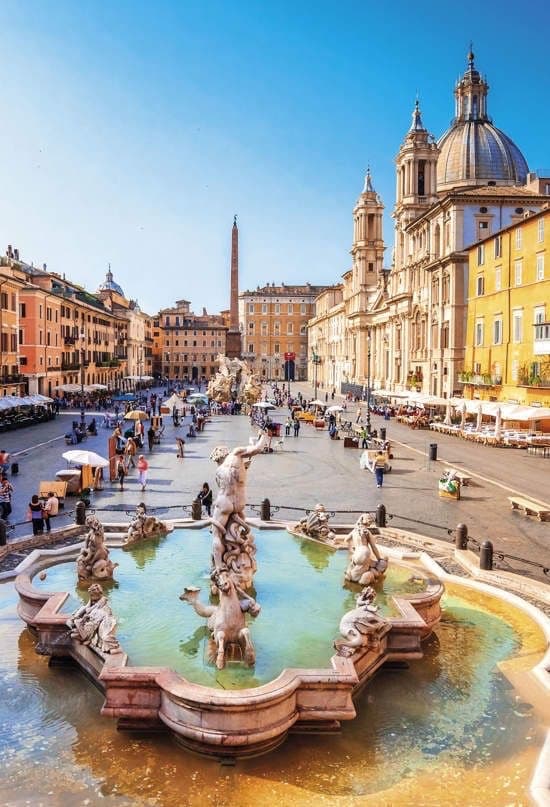
View of Piazza Navona
5chapters

Piazza Navona

That elongated shape is no accident: you're standing on a 1st-century athletics track. Later it was an artificial lake, a market, a place of executions. Today Bernini and his great rival face off in marble. And on one wall, a face that screams about something someone said too loudly. Five chapters.

All 5 chapters

  1. Piazza Navona
  2. The square's fountains
  3. Sant'Agnese in Agone
  4. The innkeeper who talked too much
  5. Conclusion

All 35 places

Everything you'll find in Rome.

Each place with its own story, narrated right where it happened.

  • Arch of Constantine

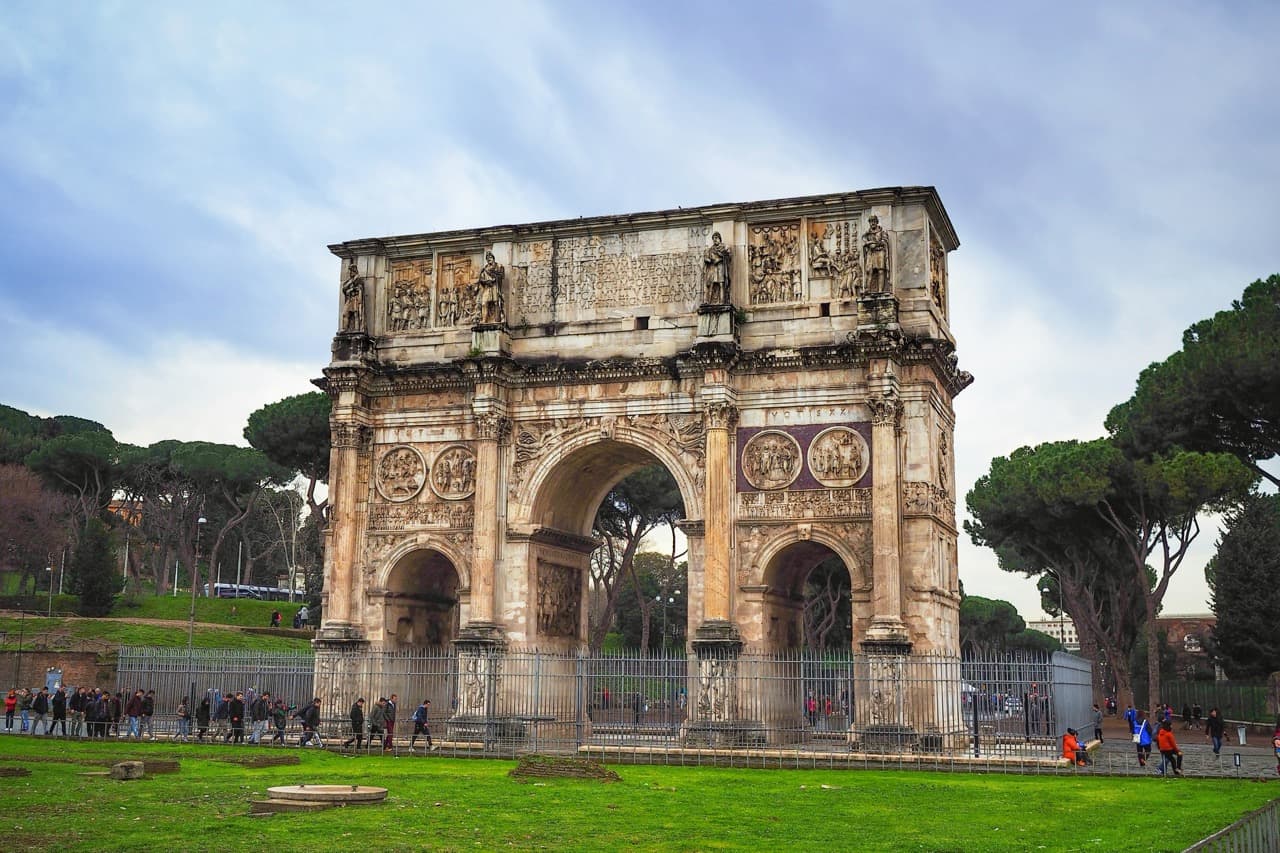
    Arch of Constantine

    An arch built from pieces of other monuments — reliefs of Trajan, Hadrian and Marcus Aurelius recycled to celebrate Constantine. Not carelessness, strategy. It marks the moment Rome began turning Christian. Look closely at the faces: some were swapped.

  • Bocca della Verità

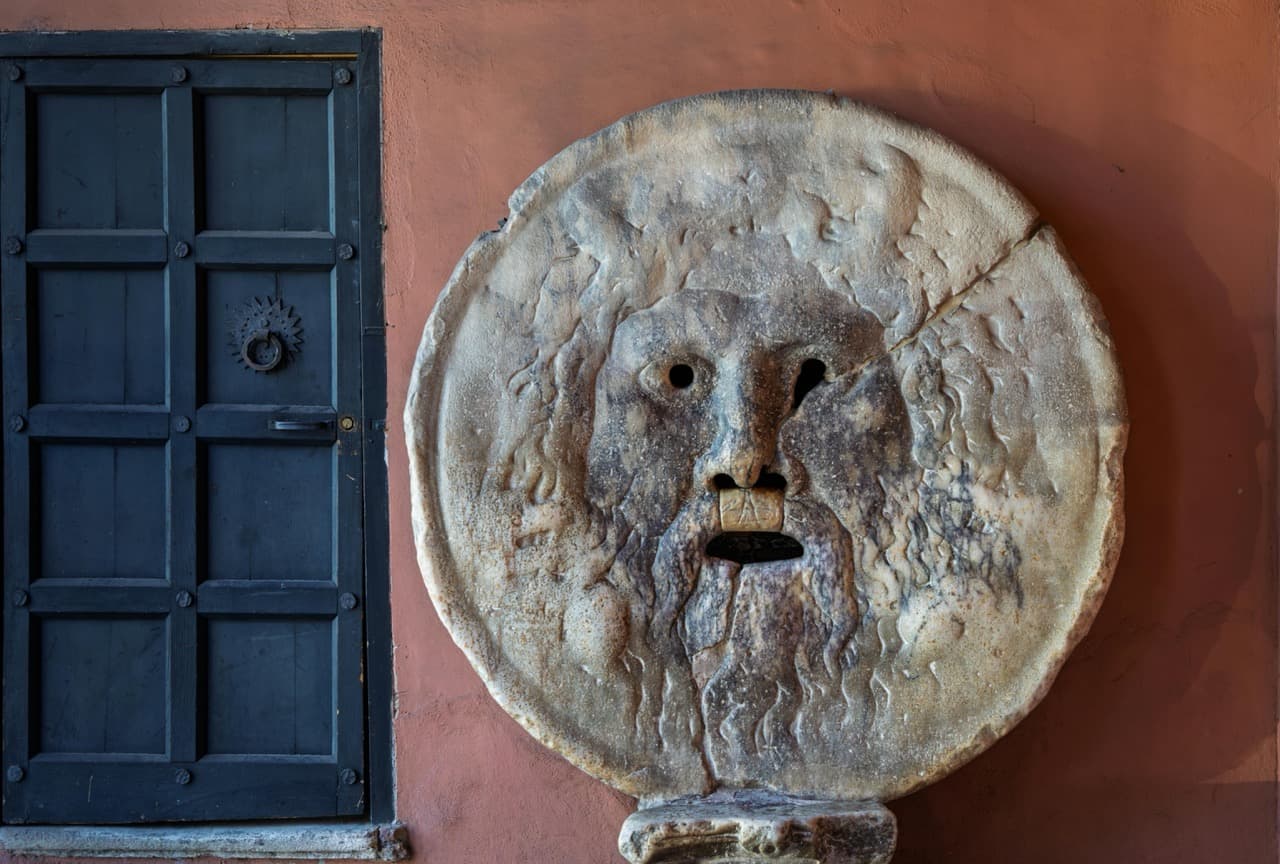
    Bocca della Verità

    Probably a Roman drain cover. But the Middle Ages decided this marble mouth bites the hands of liars, and no one has looked at it the same way since. Husbands, wives, even the movies put it to the test.
  • Capitoline Hill

    Capitoline Hill

    One of the seven hills, and the most sacred: the Temple of Jupiter stood here, from where Rome imagined itself master of the world. Legend says a flock of geese once saved the city from a night attack. Founding myth and power, layer over layer, beneath your feet.

  • Castel Sant'Angelo

    Castel Sant'Angelo

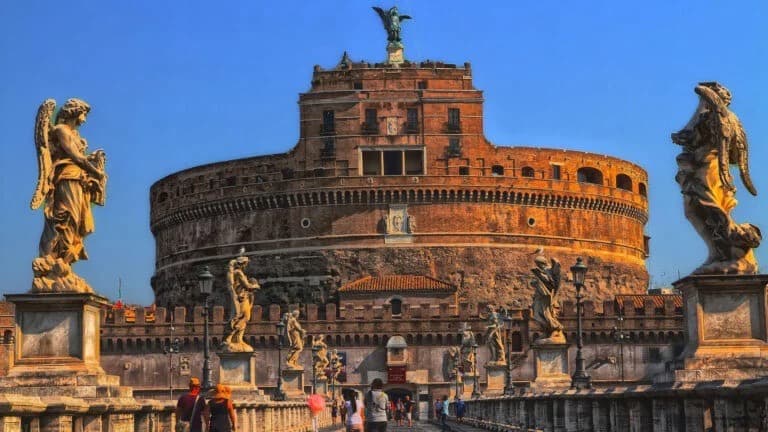
    It wasn't born a castle — it was born a tomb. Hadrian raised it for his eternal rest, but time turned it into a fortress, a prison, a popes' refuge. A secret 800-meter passage links it to the Vatican — and one pope used it to flee while Rome was sacked. Its name comes from an angel.

  • Circus Maximus

    Circus Maximus

    Three times the Colosseum, a quarter-million people roaring. No gladiators here — here the horses thundered. And here, legend says, Romulus laid the trap that secured Rome's future. Today it's grass and wind — but they say you can still hear the wheels.

  • Column of Marcus Aurelius

    Column of Marcus Aurelius

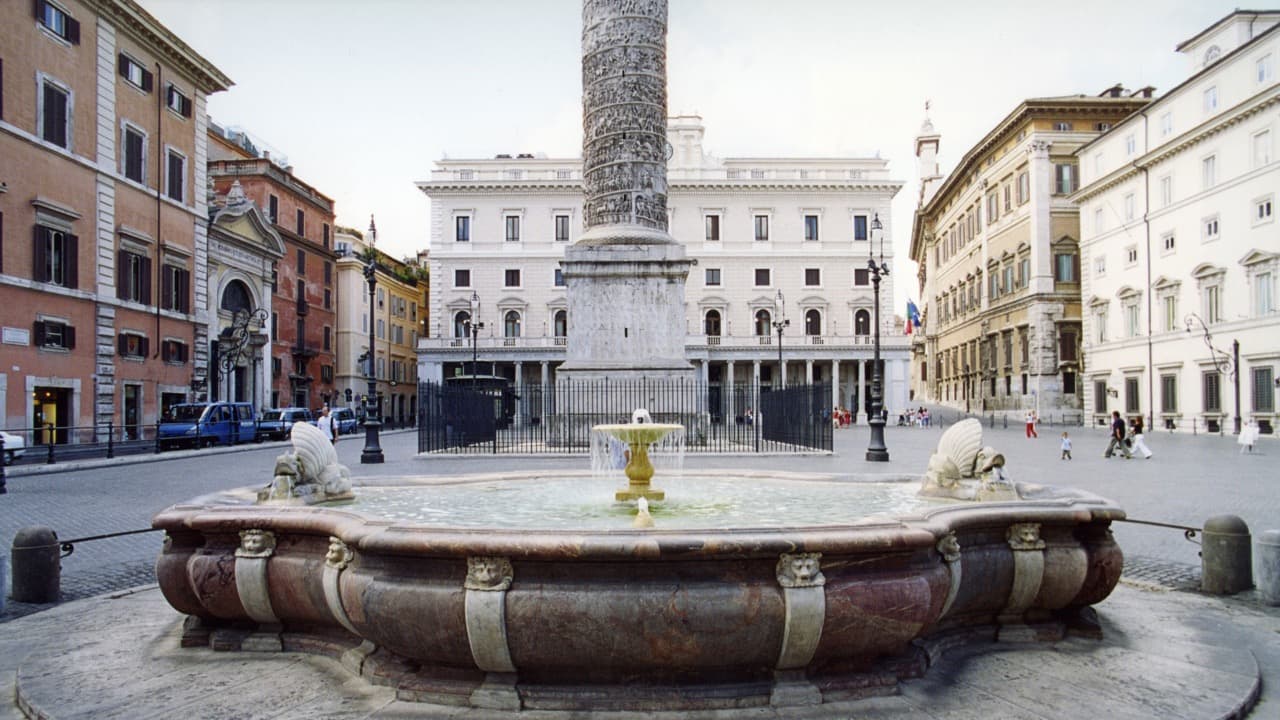
    Thirty meters of marble narrating, in a spiral, the wars of a philosopher emperor. The style is harsher than Trajan's: tense faces, explicit violence, even a storm some called a miracle. Marcus Aurelius no longer stands on top — a saint replaced him.

  • Trajan's Column

    Trajan's Column

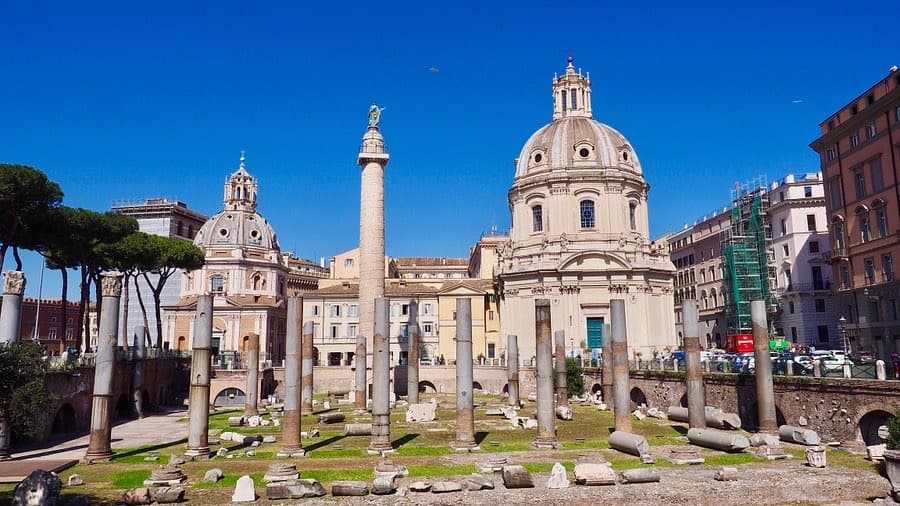
    A film carved in stone: over 2,500 figures spiral upward to tell an entire campaign, step by step. It was once painted in vivid colors, and a staircase climbs inside. At its base, a golden urn — yes, it's also a tomb.

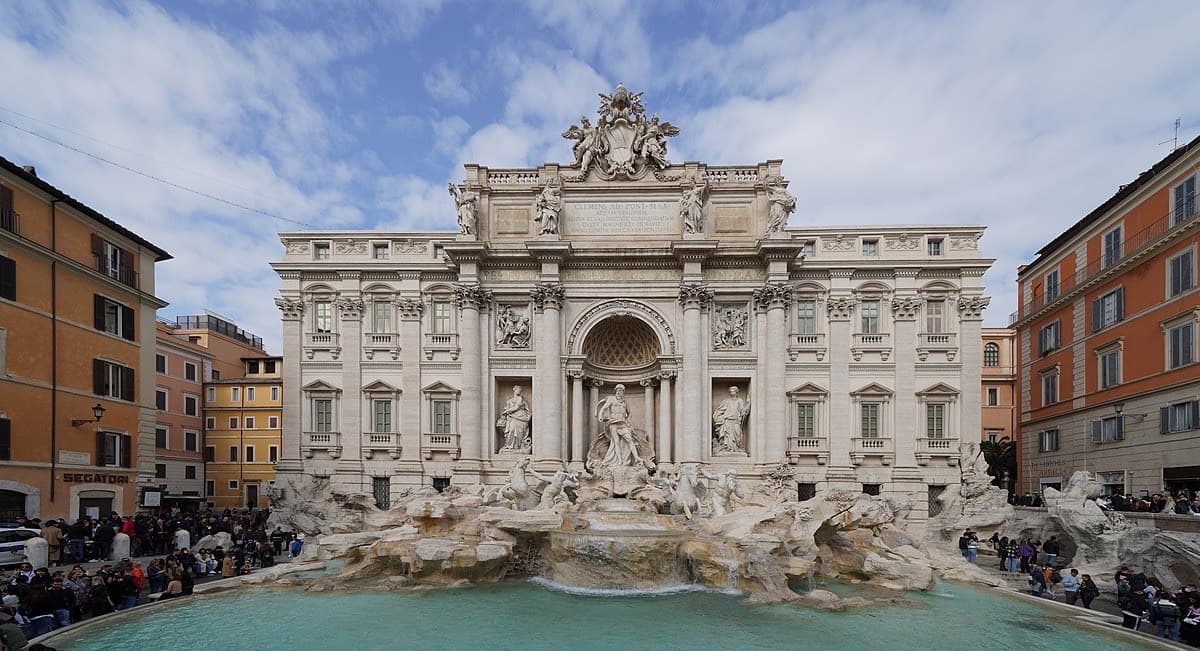
  • Trevi Fountain

    Trevi Fountain

    It's fed by an aqueduct Agrippa built in 19 BC: the water you see is an inheritance from the Empire. One coin to return, two for love, three to marry. But look to the right — a marble vase hides a feud between the architect and a barber.

  • Imperial Fora

    Imperial Fora

    When the Roman Forum grew too small, the emperors built their own, side by side. Caesar, Augustus, Nerva, Trajan — each left a square, a temple and a message. To walk them is to read the ego of the most powerful men in history, written in marble.

  • Largo di Torre Argentina

    Largo di Torre Argentina

    Right here Julius Caesar fell, on the 15th of March, 44 BC. His wife had begged him to stay home. He didn't listen. Today, among Rome's oldest Republican temples, dozens of cats live on. And the name, we'll warn you, has nothing to do with Argentina.

  • Mausoleum of Augustus

    Mausoleum of Augustus

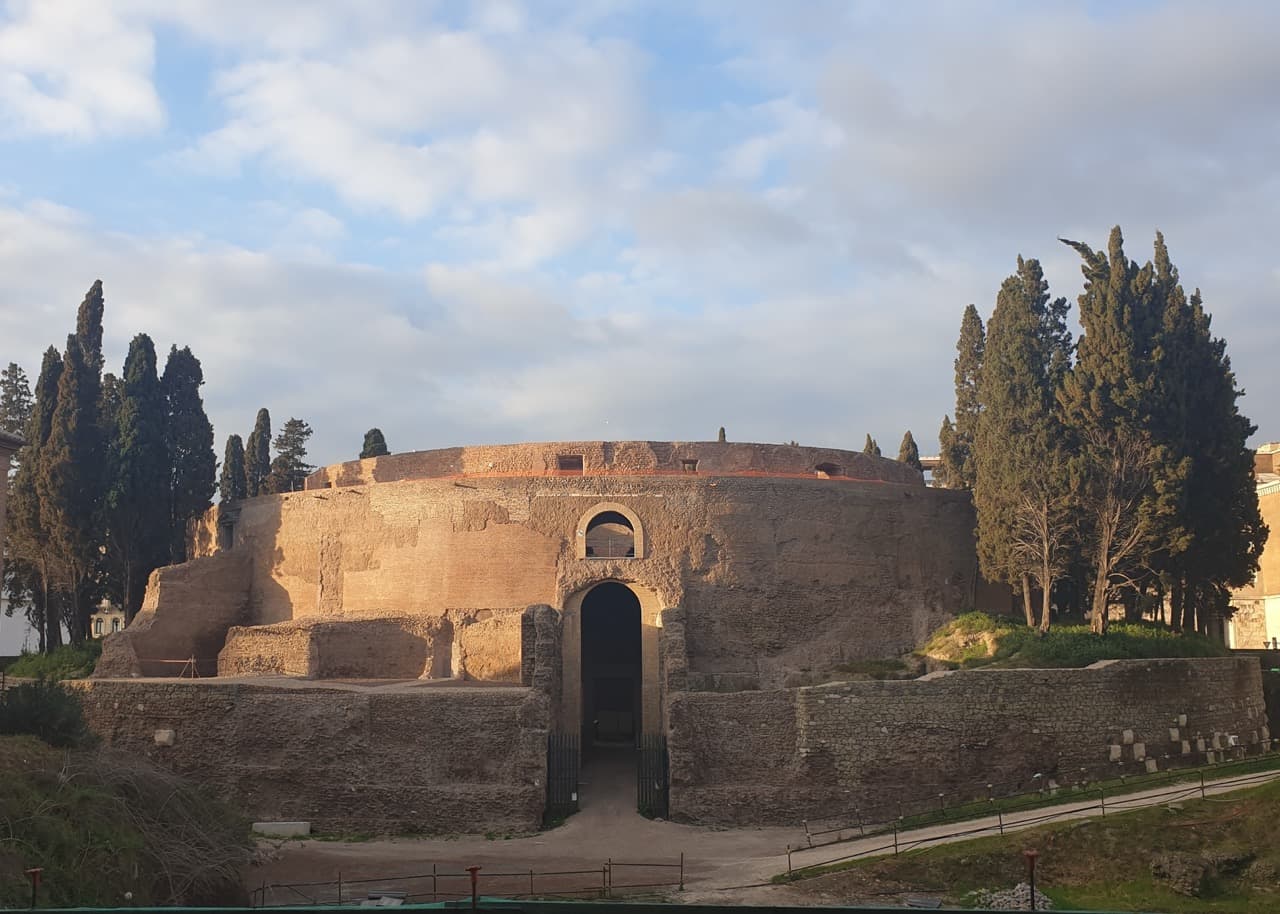
    Today it goes almost unnoticed, but it was the most imposing monument of its time: the tomb Augustus built for himself on his return from Egypt. An entire dynasty rested inside. Later it was a fortress, a bullring, a concert hall. Rome recycles even its emperors.

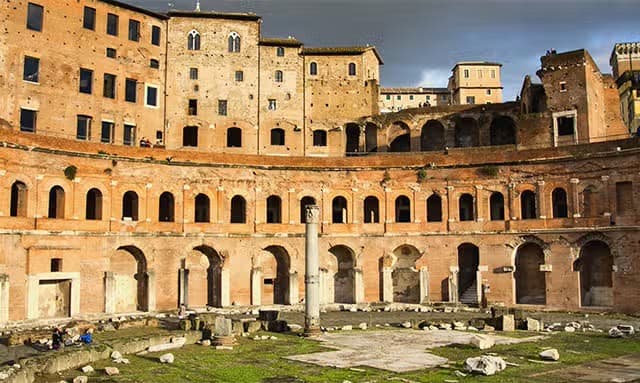
  • Trajan's Market

    Trajan's Market

    They call it the first covered shopping mall in history: over 150 shops on terraces carved into a hillside. Everything was sold here, from Eastern silks to oil. Almost two thousand years on, it still stands with a solidity that's hard to believe.

  • Palatine Hill

    Palatine Hill

    It may sound like an exaggeration, but you're where Rome was born: here, legend says, Romulus traced the first furrow. Archaeologists found huts matching the myth's date. Later it became the most exclusive quarter of the ancient world. From the top, you command the Forum and the Circus.

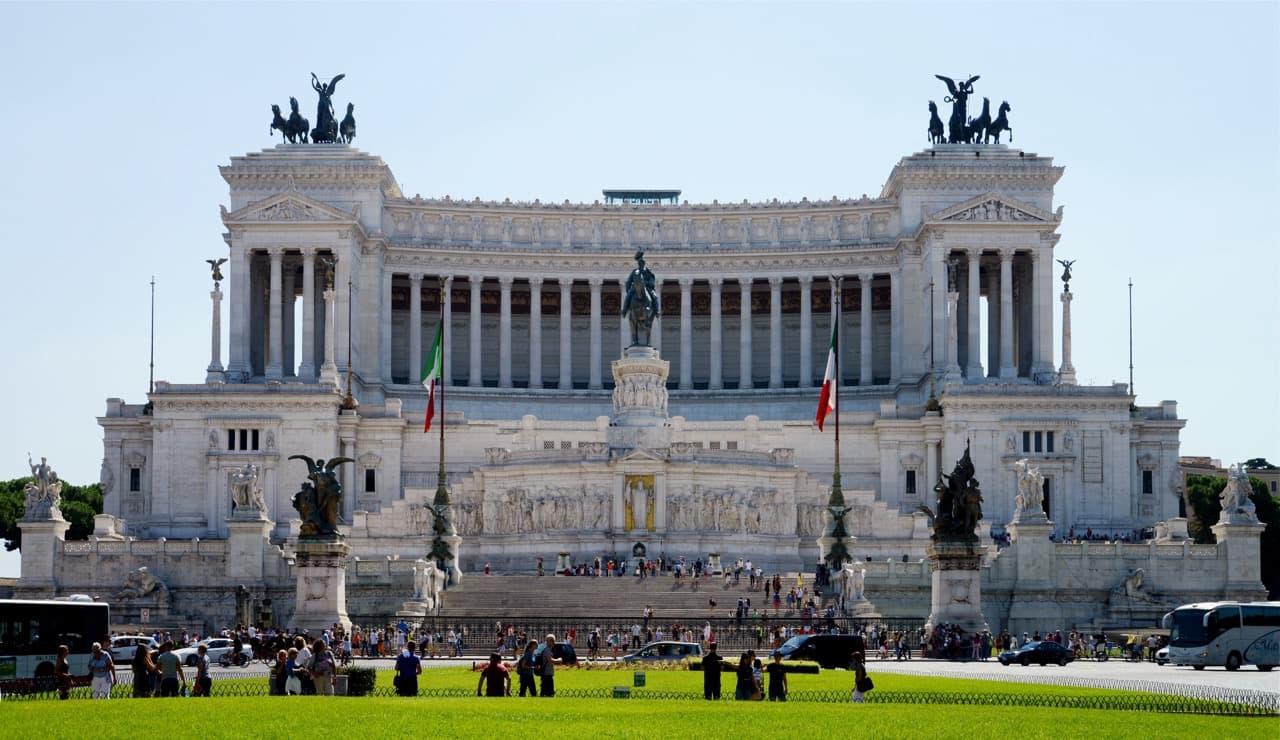
  • Monument to Vittorio Emanuele II

    Monument to Vittorio Emanuele II

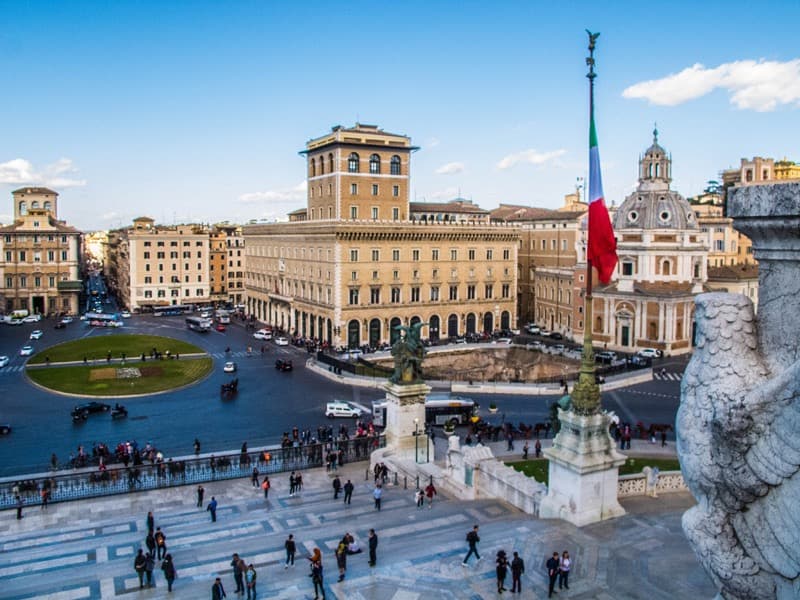
    White marble that shines like a beacon — which some Romans mockingly nicknamed "the typewriter." It celebrates Italy's unification and holds the Tomb of the Unknown Soldier, with its eternal flame. Raising it meant demolishing part of a hill and entire neighborhoods. Not everyone forgave it.

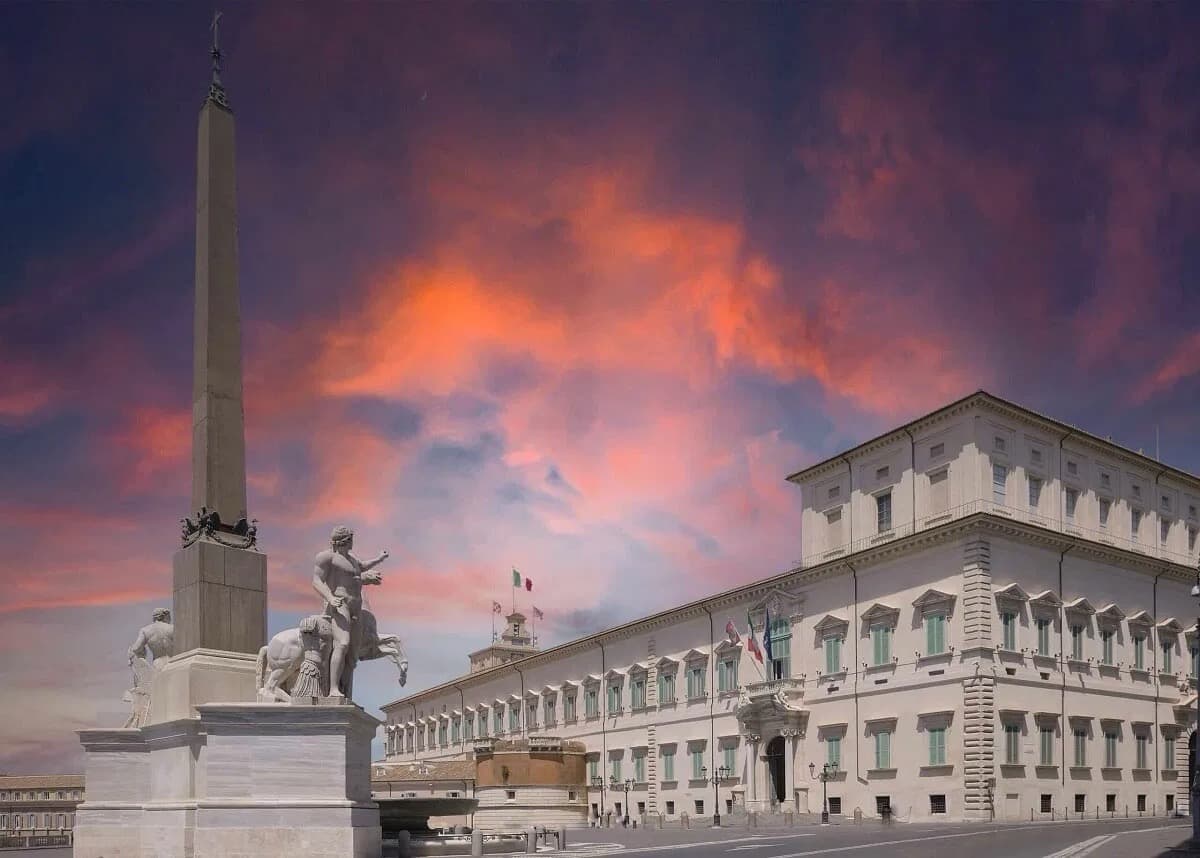
  • Quirinal Palace

    Quirinal Palace

    It began as the popes' summer residence. Then it housed kings, and today it's the seat of Italy's president: over four hundred years sheltering whoever rules. More than 1,200 rooms — and decisions that shaped the country's fate taken behind its doors.

  • Pantheon

    Pantheon

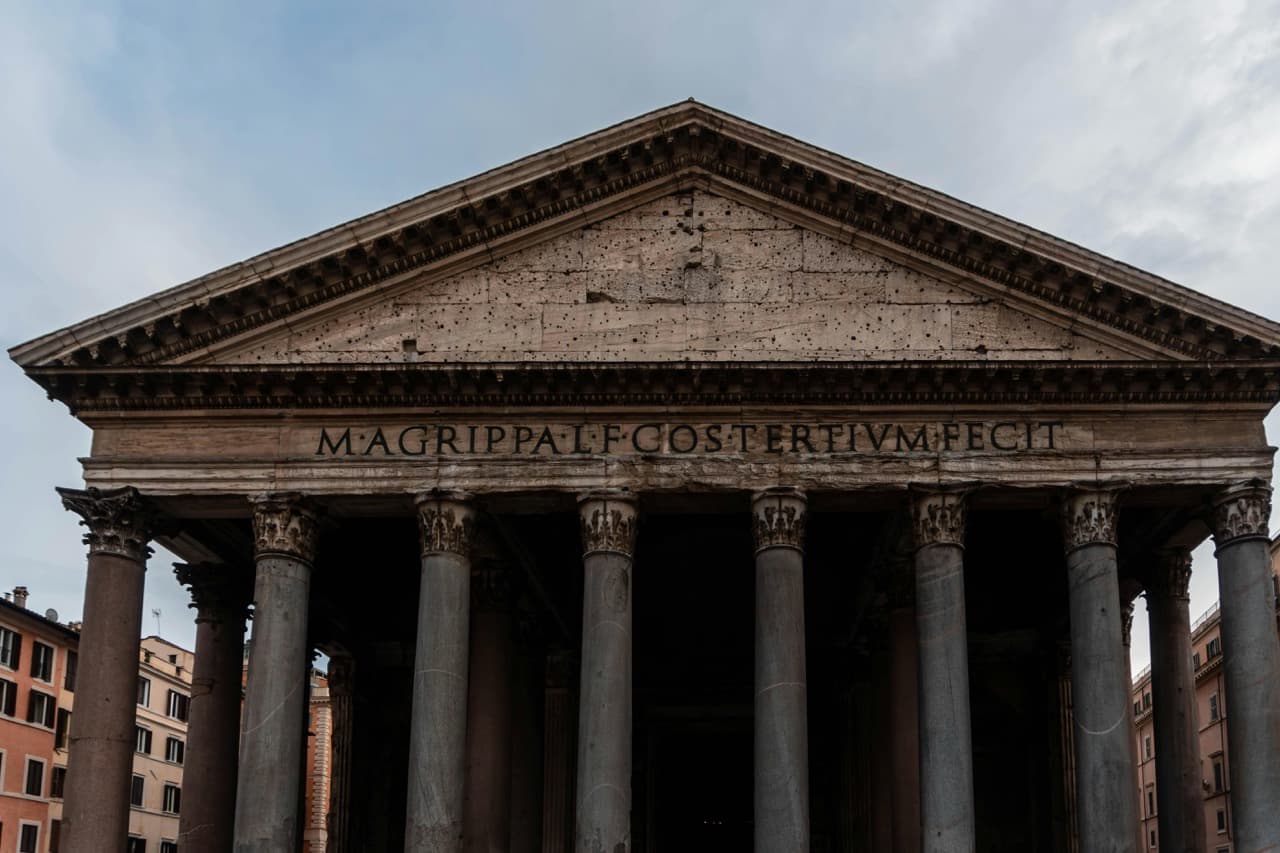
    The largest concrete dome of the ancient world, without a single reinforcement — still a record. At its center, an oculus open to the sky that lets in the sun… and the rain. The inscription out front lies about who built it. And every April 21st, something happens with the light.

  • Piazza Colonna

    Piazza Colonna

    The Column of Marcus Aurelius watches over the square from above; at its feet, Palazzo Chigi, where Italy is governed today. Twenty-one centuries apart, sharing the same air. In Rome, power doesn't move out — it transforms.

  • Piazza del Campidoglio

    Piazza del Campidoglio

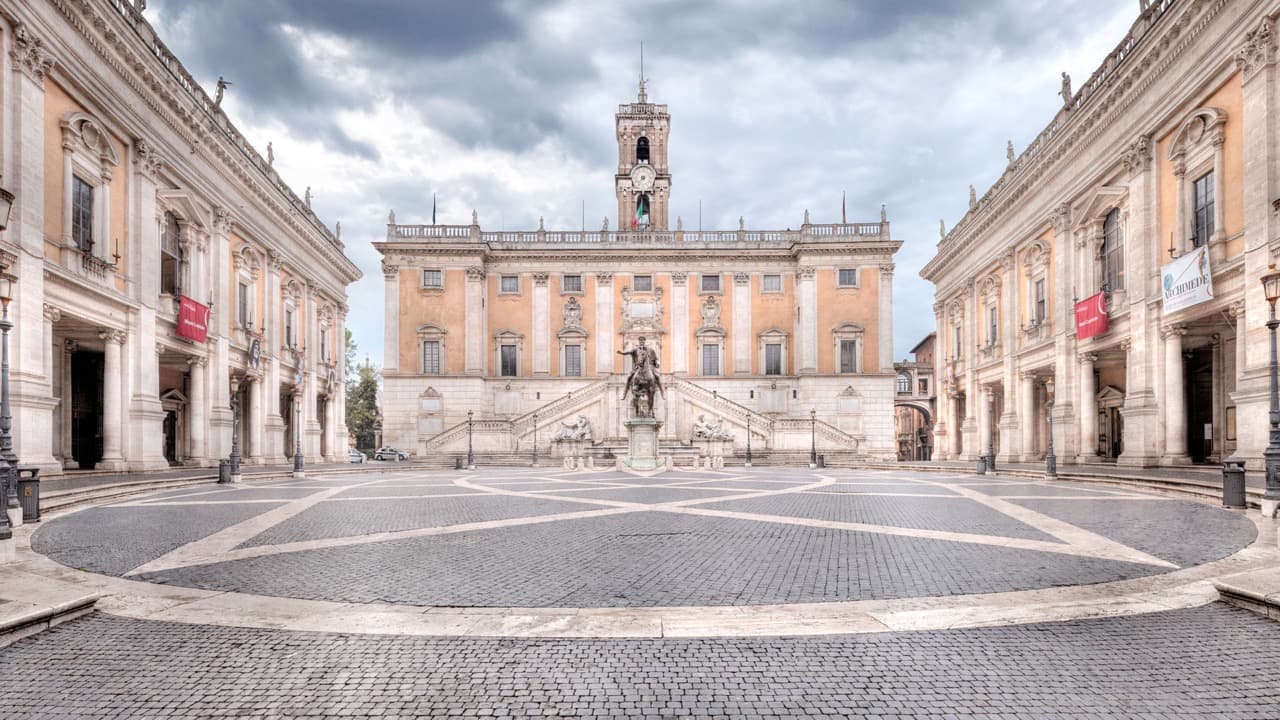
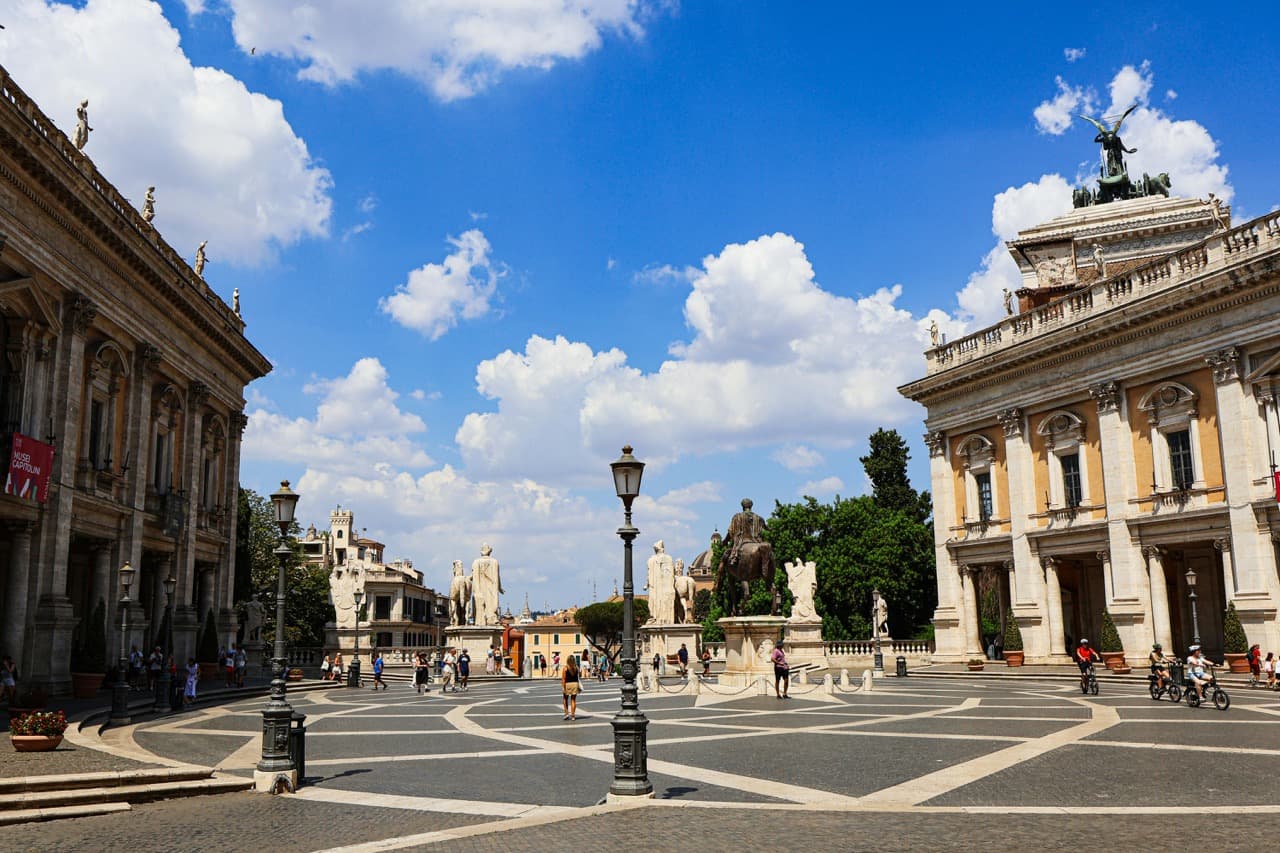
    Rome's most sacred hill, redesigned by Michelangelo. He drew the staircase, arranged the palaces, and traced a star on the ground meant as the center of the universe. At its heart, a copy of Emperor Marcus Aurelius on horseback — the original hidden away to save it.

  • Piazza del Popolo

    Piazza del Popolo

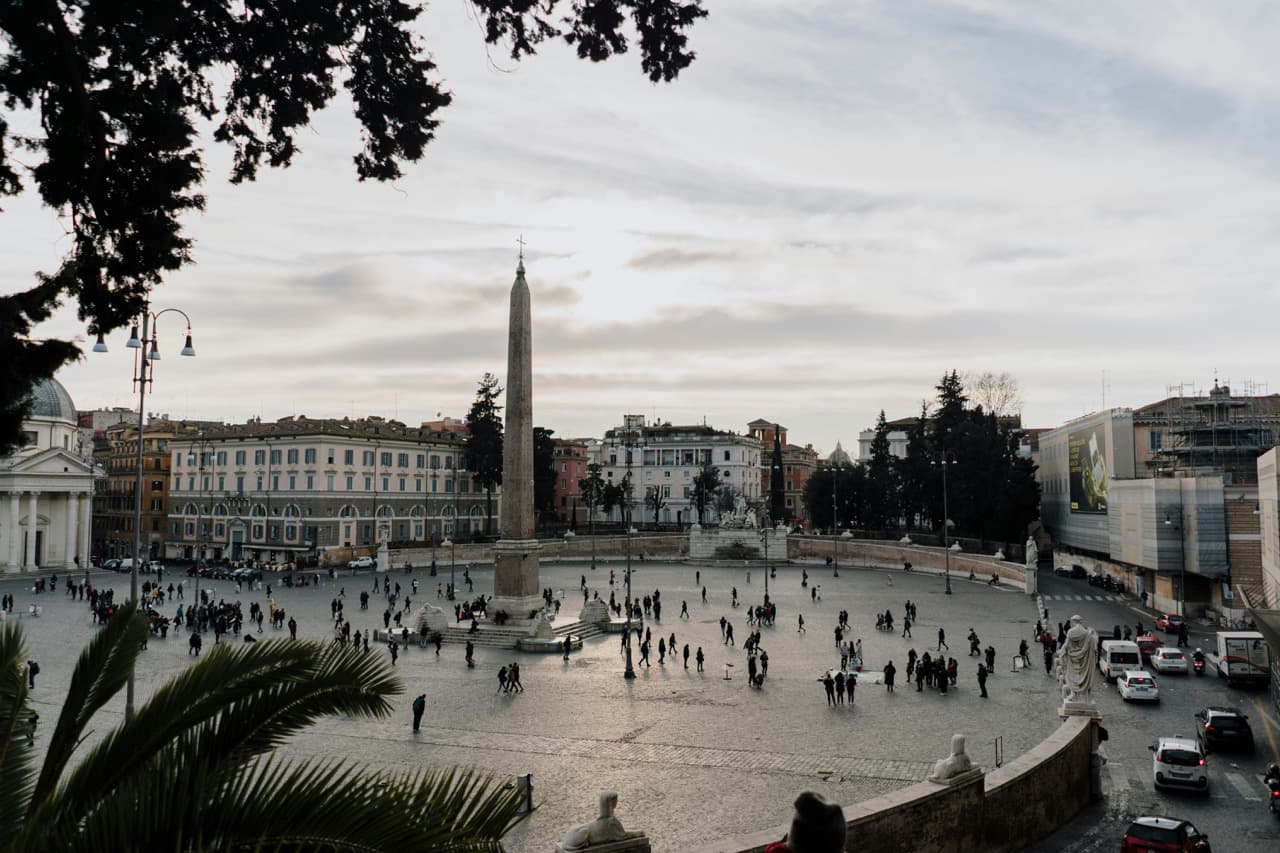
    Rome's old northern gate: travelers arriving from Europe came in through here. At its center, an Egyptian obelisk Augustus brought from Heliopolis, once standing in the Circus Maximus. Beneath today's calm, the square hides a past of public executions.

  • Piazza della Repubblica

    Piazza della Repubblica

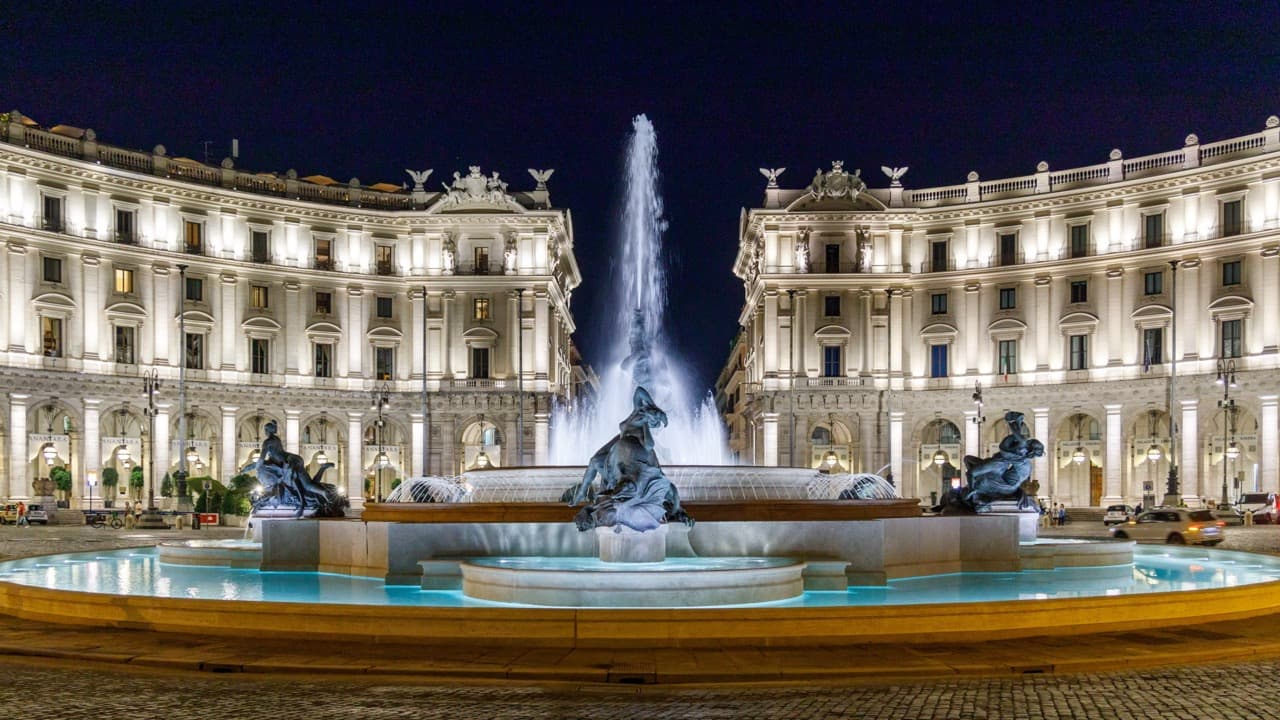
    An elegant rotunda laid out when Rome went from city of the popes to capital of a modern kingdom. But its semicircular shape isn't new: it follows the outline of antiquity's largest baths. At its center, a fountain of nymphs that scandalized the Rome of its day.

  • Piazza di Spagna

    Piazza di Spagna

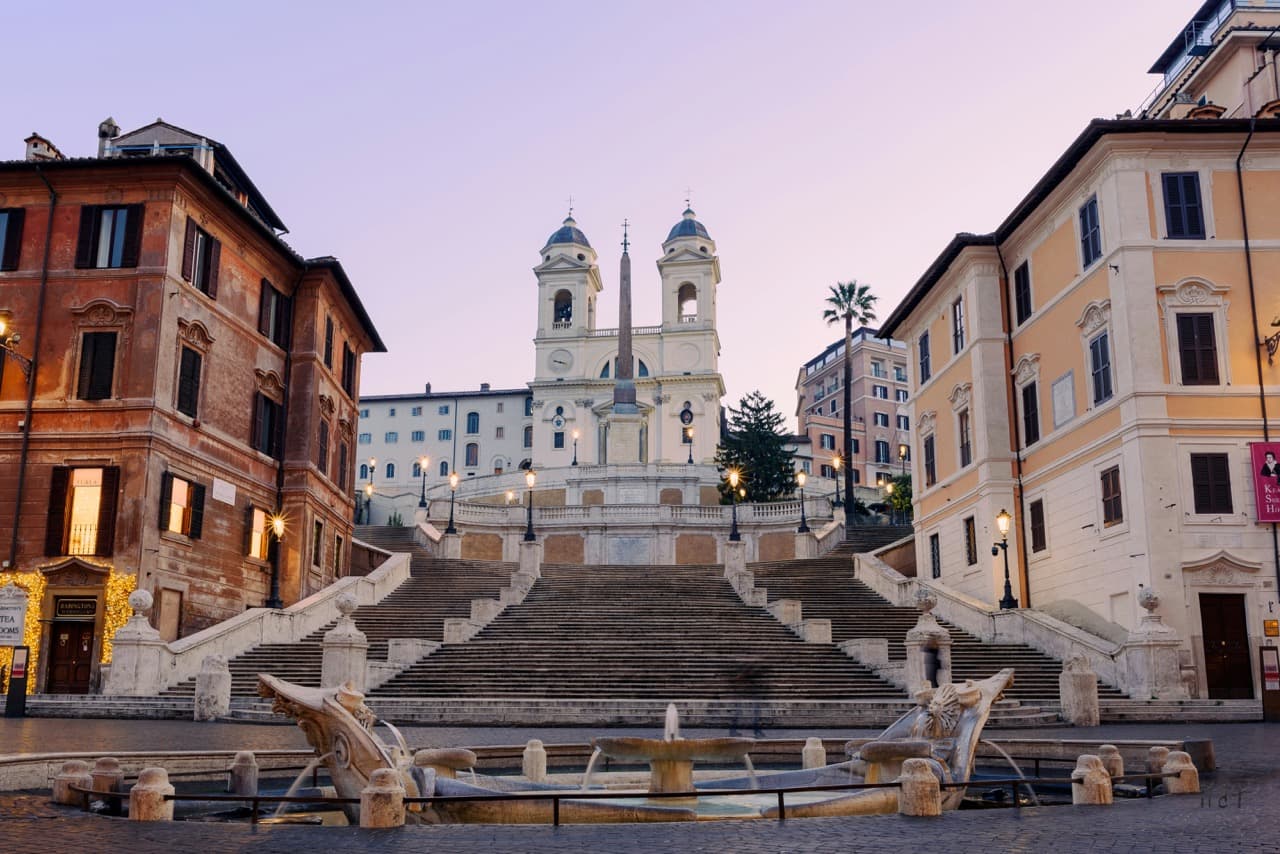
    Spanish name, French soul, Roman spirit: 135 steps that fill with azaleas in spring. At the foot, a fountain shaped like a half-sunken boat, and on one corner, the house where an English poet died at 25. One warning: sitting on the steps can cost you a fine.

  • Piazza Venezia

    Piazza Venezia

    Rome's heart that never rests, today a chaos of horns and buses. But to one side stands the balcony from which Mussolini announced wars to the crowd. After the regime fell it was left empty forever: an echo in stone, a mute warning over the square.

  • Plaque of José de San Martín

    Plaque of José de San Martín

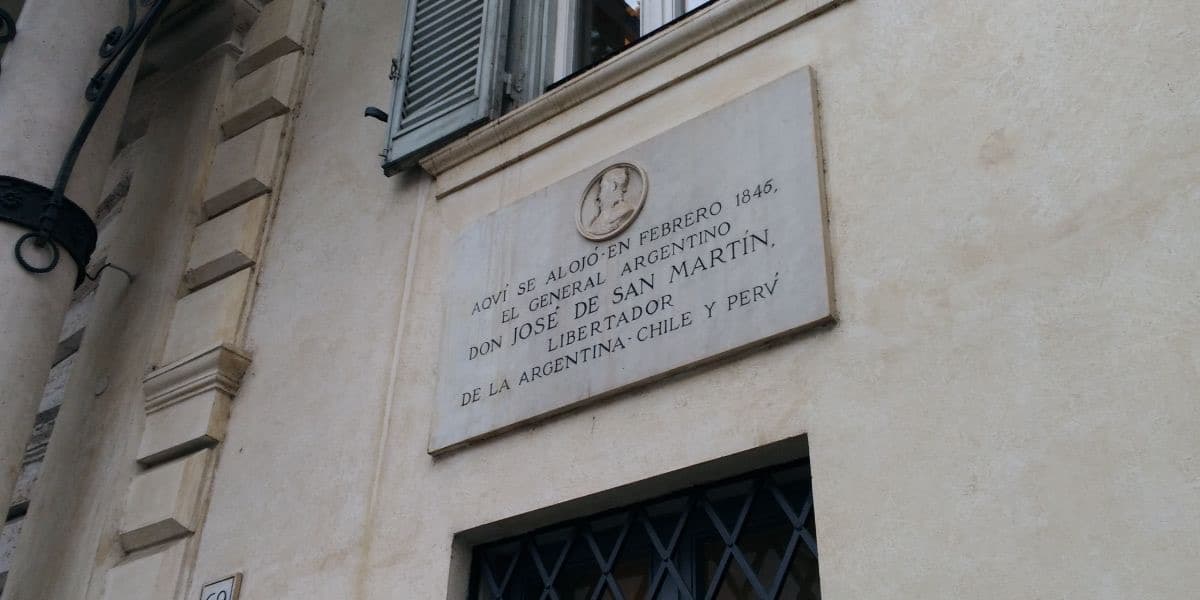
    A white plaque almost no one notices — but that tightens any Argentine's chest. José de San Martín stayed here in February 1846, retired by then, traveling Europe with his daughter. In front of this wall, steps from the Pantheon, Rome and the Americas quietly meet.

  • Archbasilica of Saint John Lateran

    Saint John Lateran

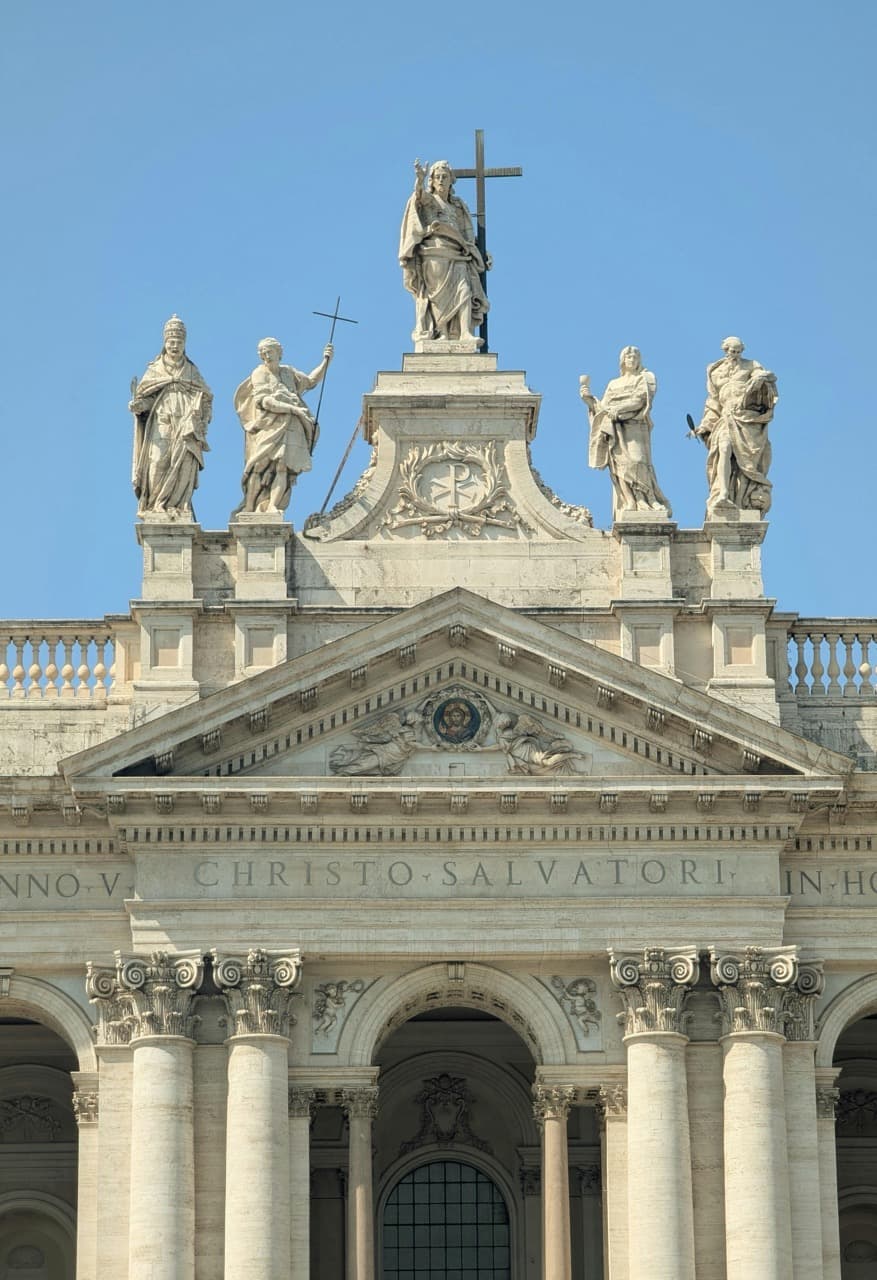
    It isn't St. Peter's, yet it's Rome's true cathedral: the oldest church in the West, founded by Constantine, "mother and head of all churches." For a thousand years popes were crowned here. And here, in 1929, the pact that created the Vatican was signed.

  • San Pietro in Vincoli

    San Pietro in Vincoli

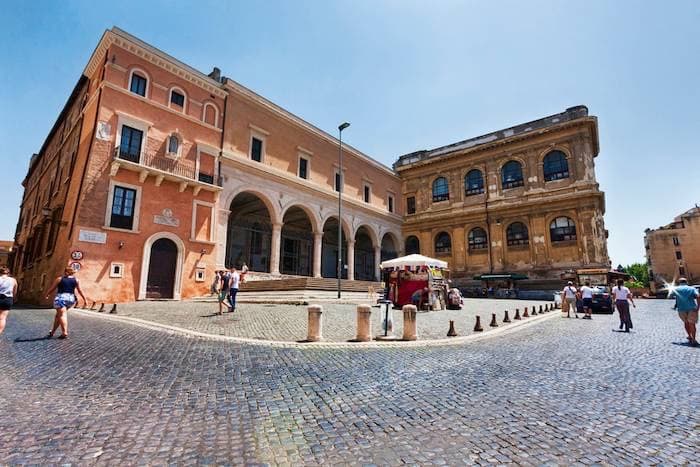
    A discreet church holding two enormous things: the chain that, by tradition, bound Saint Peter in Jerusalem, and Michelangelo's Moses. They say the artist looked at it finished, struck its knee with his chisel, and spoke to it. What he said is told inside.

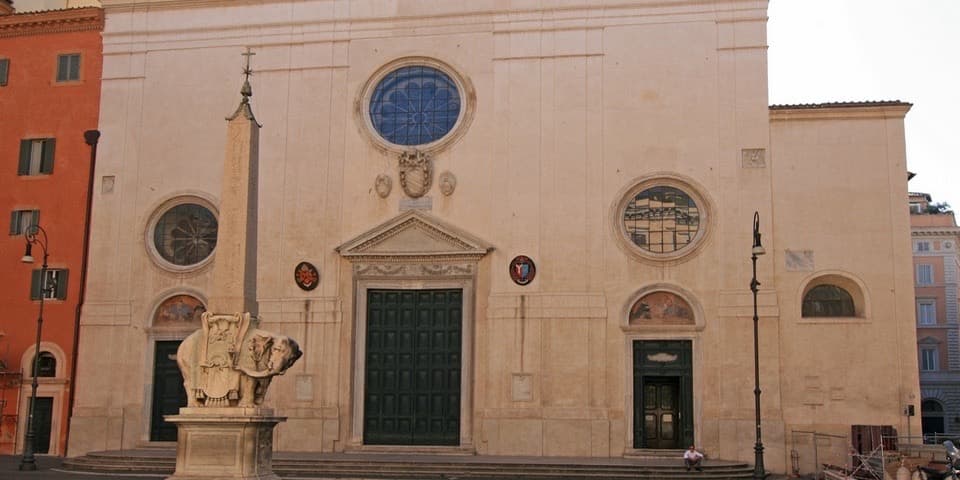
  • Santa Maria sopra Minerva

    Santa Maria sopra Minerva

    Rome's only great Gothic church, raised over a pagan temple to the goddess of wisdom. Inside: blue vaults with golden stars, a Christ by Michelangelo, and the tomb of a saint — though her head rests in another city. Outside, a little elephant by Bernini carries a message.

  • Scala Santa

    Scala Santa

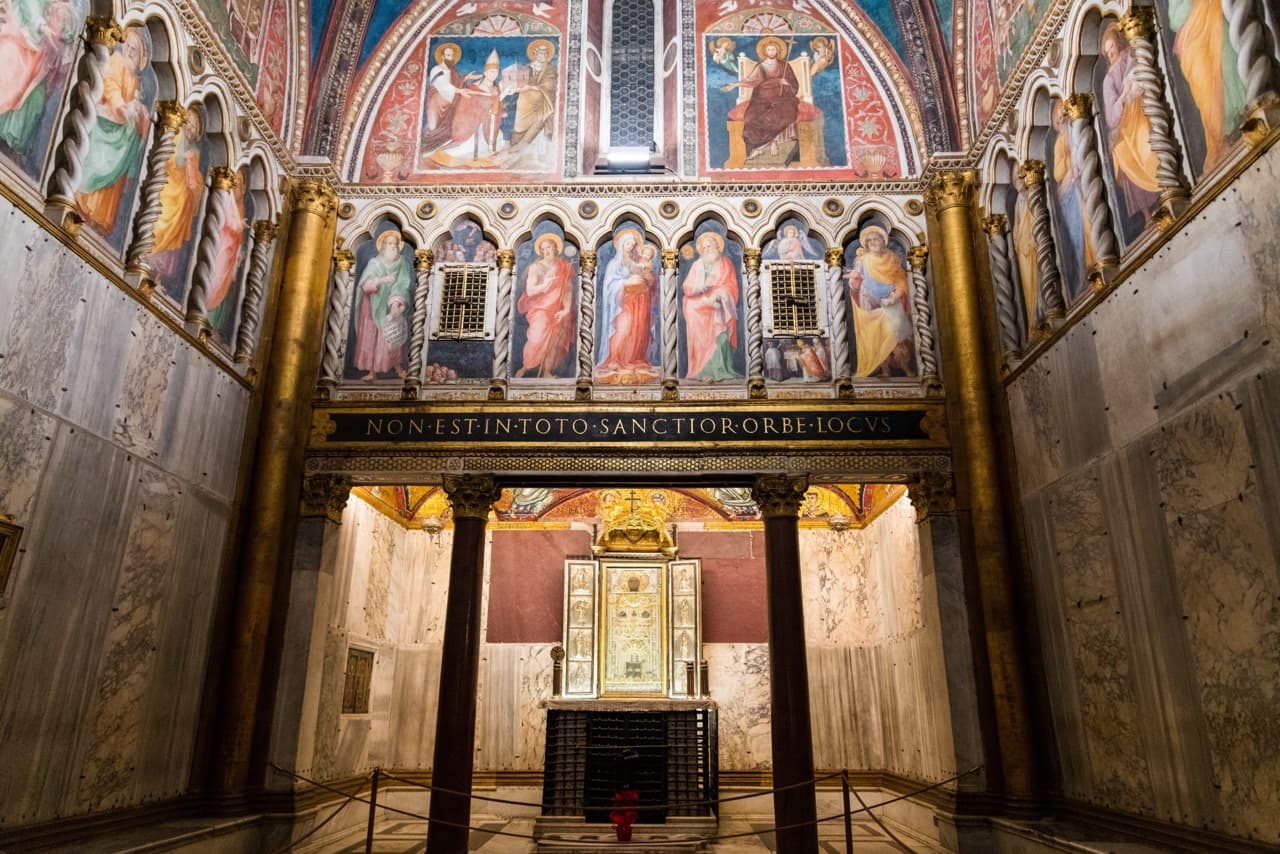
    Twenty-eight marble steps that, by tradition, Jesus climbed before Pilate condemned him. Saint Helena is said to have brought them from Jerusalem, one by one. Today pilgrims climb them on their knees, in silence. Because these stairs, they say, aren't climbed with your feet.

  • Theatre of Marcellus

    Theatre of Marcellus

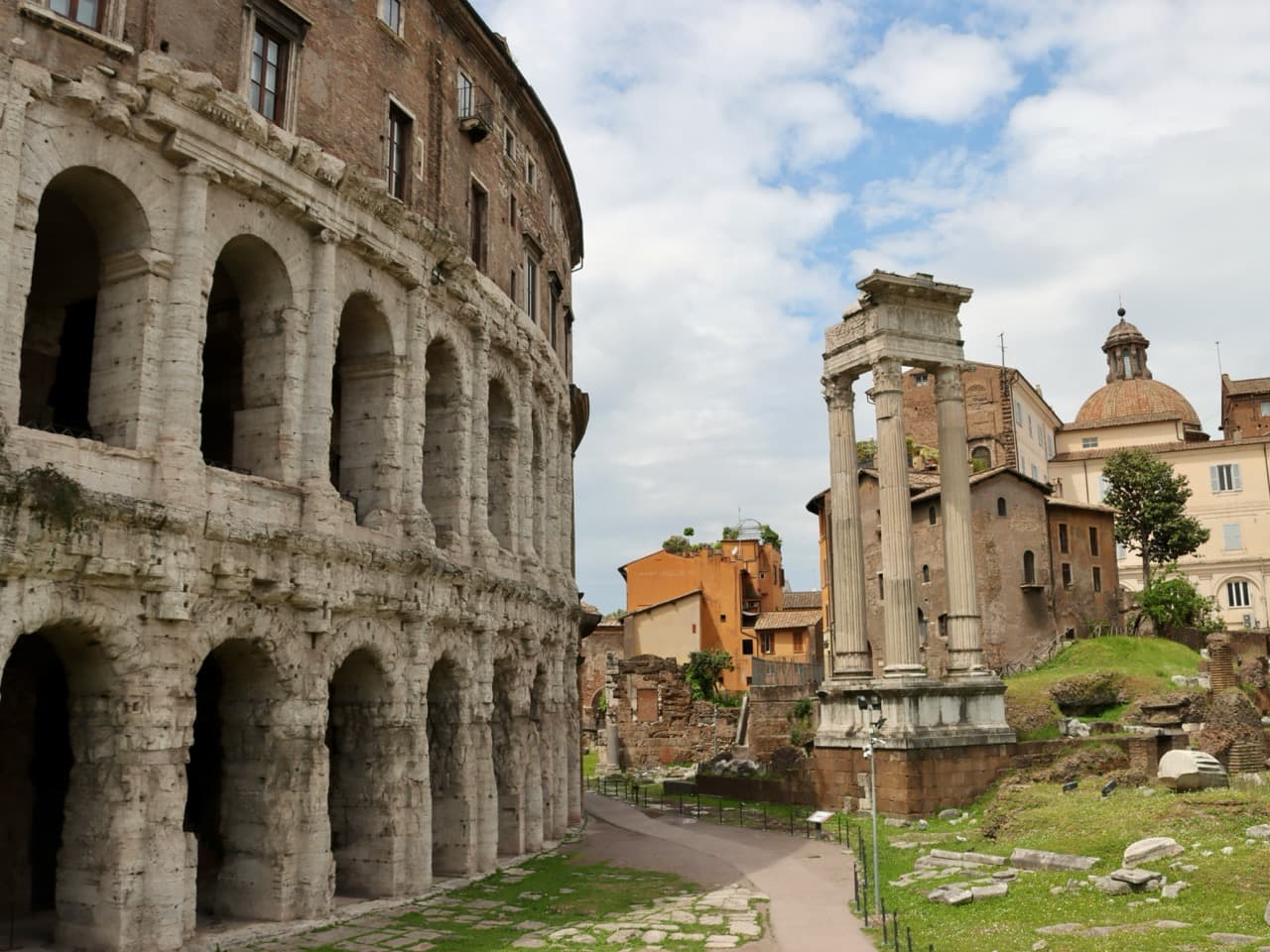
    It looks like the Colosseum, and that's no coincidence: it was its older brother, the model that came first. Augustus finished it and dedicated it to a nephew who died young. But look up — apartments are still lived in above the Roman tiers. Rome doesn't bury its history: it inhabits it.

  • Temple of Hadrian

    Temple of Hadrian

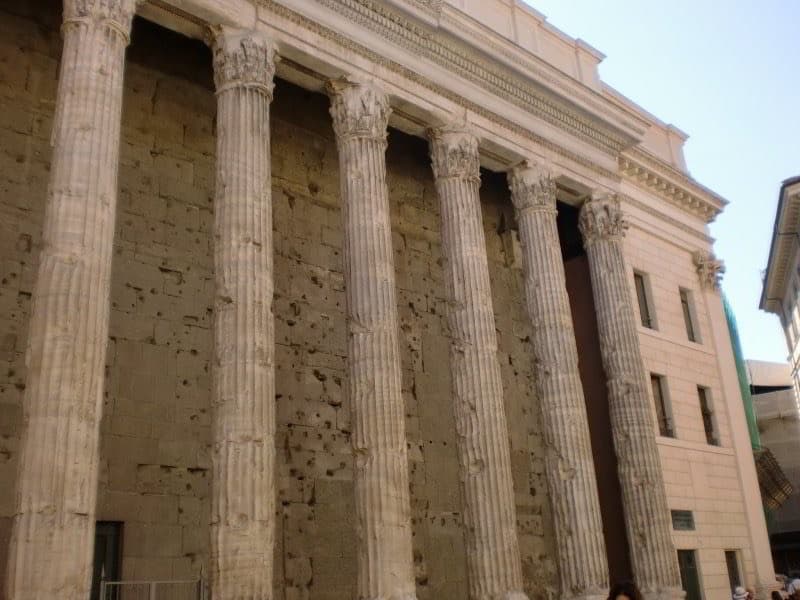
    Eleven marble columns embedded in a 17th-century building: classical Rome and Baroque Rome, one inside the other. It was a temple to a deified emperor, a medieval fortress, even a stock exchange. Look closely and you'll see holes in the stone — marks of when Rome recycled itself.

  • Baths of Caracalla

    Baths of Caracalla

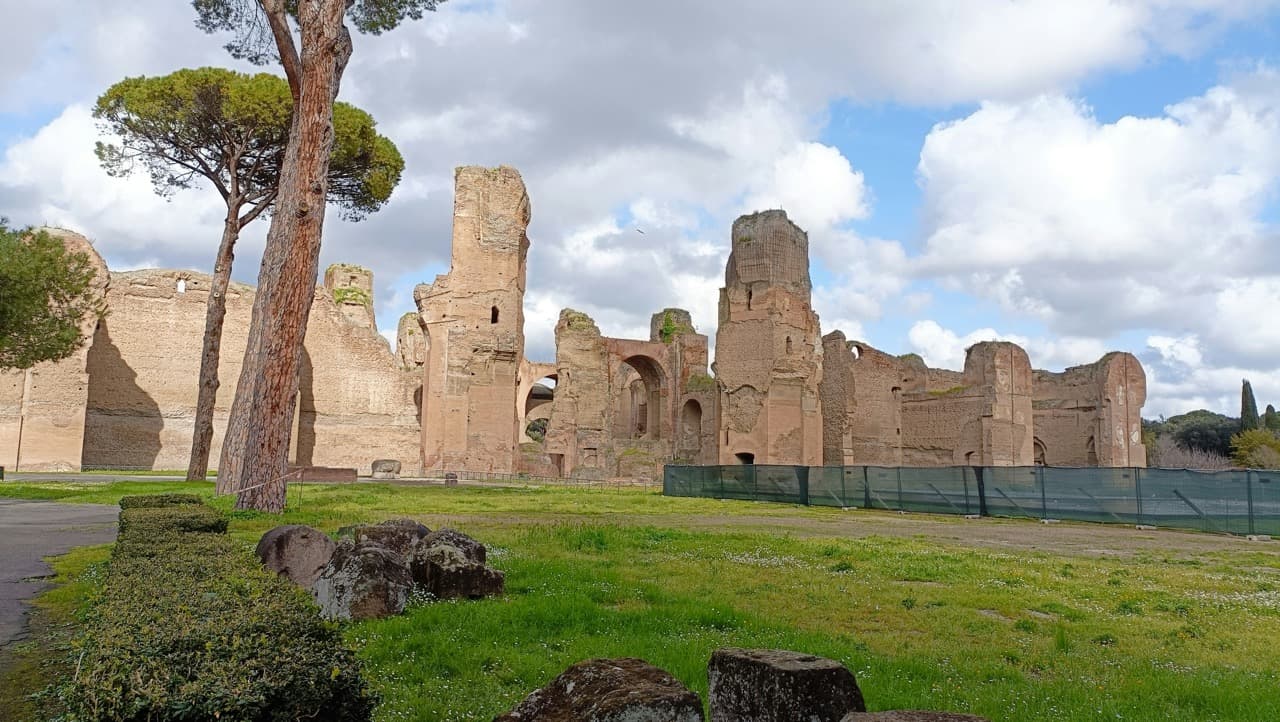
    Eleven hectares that weren't just baths: a giant, free club with libraries, gyms and gardens, for over 1,600 people at once. Cold, warm, hot — a circuit designed for the body. Centuries later, Michelangelo came to study them while designing St. Peter's.

  • Baths of Diocletian

    Baths of Diocletian

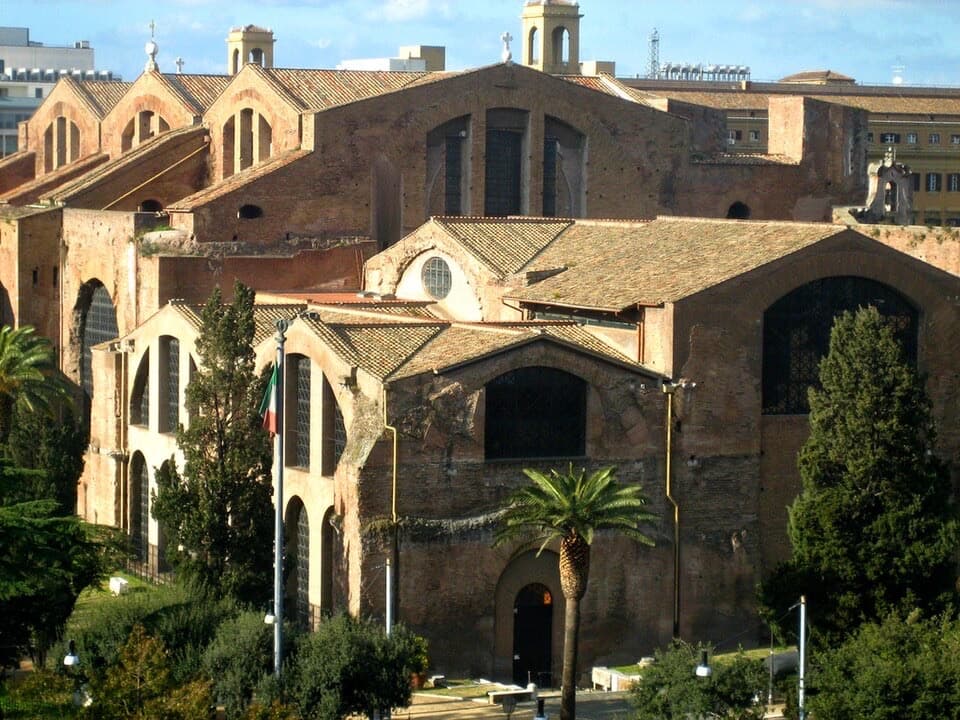
    The largest baths of ancient Rome: a city within the city, for three thousand people at once. The astonishing part is how they survived — part of the complex is now a basilica redesigned by Michelangelo, facing Piazza della Repubblica. What looks like ruin was once pure imperial luxury.

  • Trinità dei Monti

    Trinità dei Monti

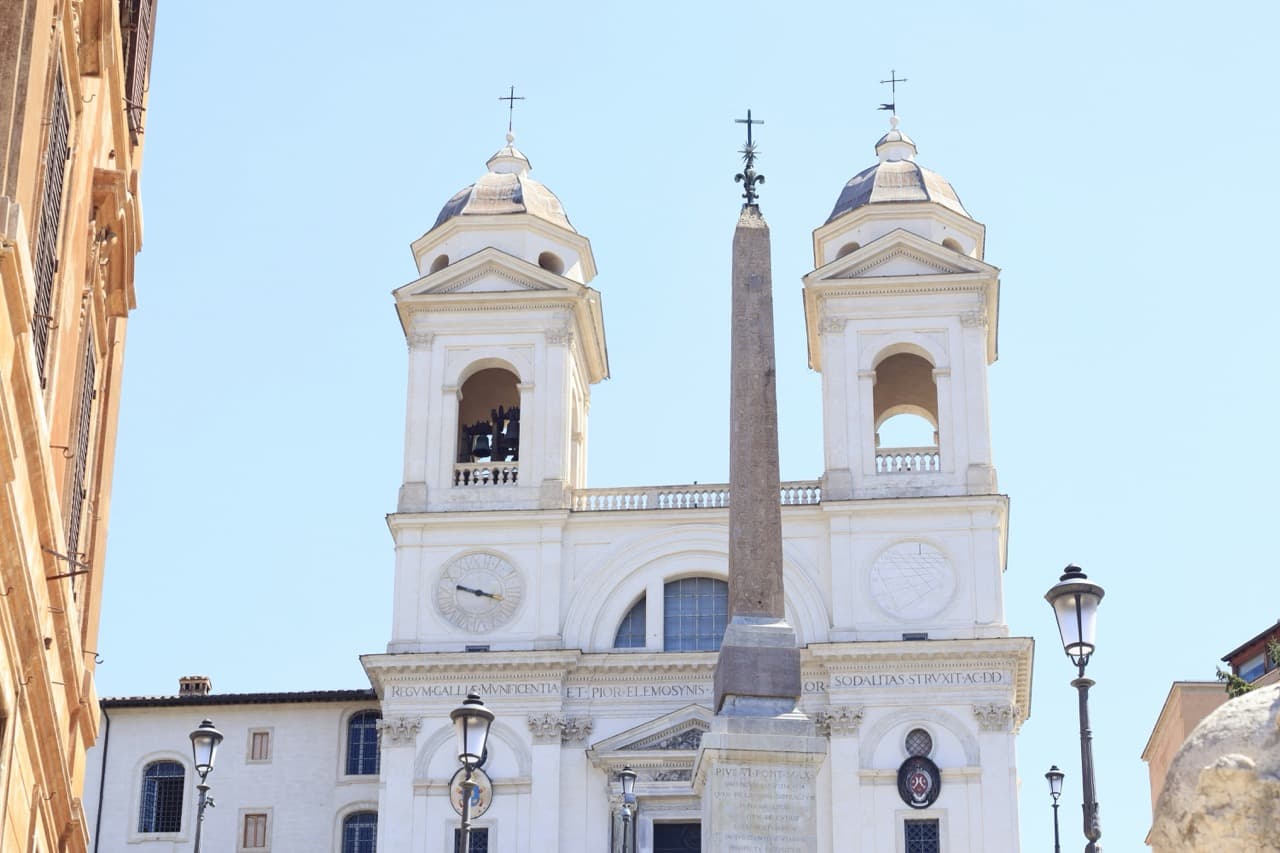
    The church crowning the Spanish Steps, with its twin bell towers. A king of France ordered it built: a French mark on Roman ground. Inside, frescoes by a disciple of Michelangelo; outside, one of the views from which the city makes the most sense.

FAQ

About Rome on Ruthy

They're written and narrated by Lucas Botta, of Historia en Podcast. Not auto-generated text or a synthetic voice: curated content, with judgment and narrative craft. That's the difference from any generic guide.

Yes. Ruthy streams its stories, so you'll need a connection while you explore the city — Wi-Fi, mobile data or a local eSIM. The upside: the app takes up no space on your phone, and you always hear the most up-to-date version of each story.

Rome has 35 places and 75 chapters on Ruthy. At a comfortable pace listening to everything, plan for 3 to 5 days. But the idea is to pick and choose: the Colosseum alone (12 chapters) is about 45 minutes, the Roman Forum is another 80, and the rest you can layer in.

Yes. Each person downloads the app on their phone and listens through their own headphones. You walk together and choose which story to hear at each stop. No group tour, no fixed schedule, no guide to wait for.

Current content covers the historic center: the Forum, the Colosseum, the Palatine, Piazza Navona, the Imperial Fora, the Vatican area (Castel Sant'Angelo), the Baths of Caracalla, Saint John Lateran. We're adding more places regularly.

Ruthy doesn't depend on the physical site — it depends on your headphones. You can listen to the Colosseum's stories while waiting in line, while walking inside, or sitting in the square across the street. You press play when you're near — you don't need to go inside.

Ruthy is an audio guide, not a ticketing service. To enter the Colosseum, Roman Forum, Palatine, Baths of Caracalla and other archaeological sites you need to buy your ticket separately (we recommend buying online in advance). Ruthy's audio plays from the street and from inside.

The Roman Forum has 26 chapters (introduction, Via Sacra, Arch of Titus, Curia Julia, Temple of Vesta, House of the Vestals, and more). The Colosseum has 12 chapters. Piazza Navona has 5. The rest of the places have a single main chapter each.

A good base is the archaeological zone — Colosseum, Roman Forum and Palatine, all adjacent — then walk toward the center: Trevi Fountain, Pantheon, Piazza Navona. But there's no fixed route: you choose on the spot, based on where you're standing.

Yes. The audio plays from the street, so you can walk Rome at night, with empty squares, even when sites are closed. Many stories land just as well — or better — without the crowds.

Yes. Ruthy is free to download and use on iOS and Android. All 75 Rome stories are available at no cost during this initial phase.

Real reviews

What Ruthy users say.

  • An original and very interesting proposal to discover cities in a different way. It's very easy to use, has a clear interface, and the stories are well narrated. I liked that it lets you explore at your own pace and choose what places to visit by proximity or interest. Without a doubt, it's an entertaining and educational option — ideal for tourists or to rediscover your own city.

    Jaz GonzálezApp Store
  • I used it on my trip and the descriptions, details, and information it provides are excellent. Highly recommended!

    Ale CarbaApp Store
  • This app is wonderful — it shows you everything you need to know about any place you visit.

    Lisandro HedinGoogle Play

Start with Rome

You don't just see Rome. You understand it.

Download Ruthy free and walk Rome with all 35 stories activating in real time, right where it all happened.

Free · no ads · iOS and Android

Download Ruthy free