

Skip to content
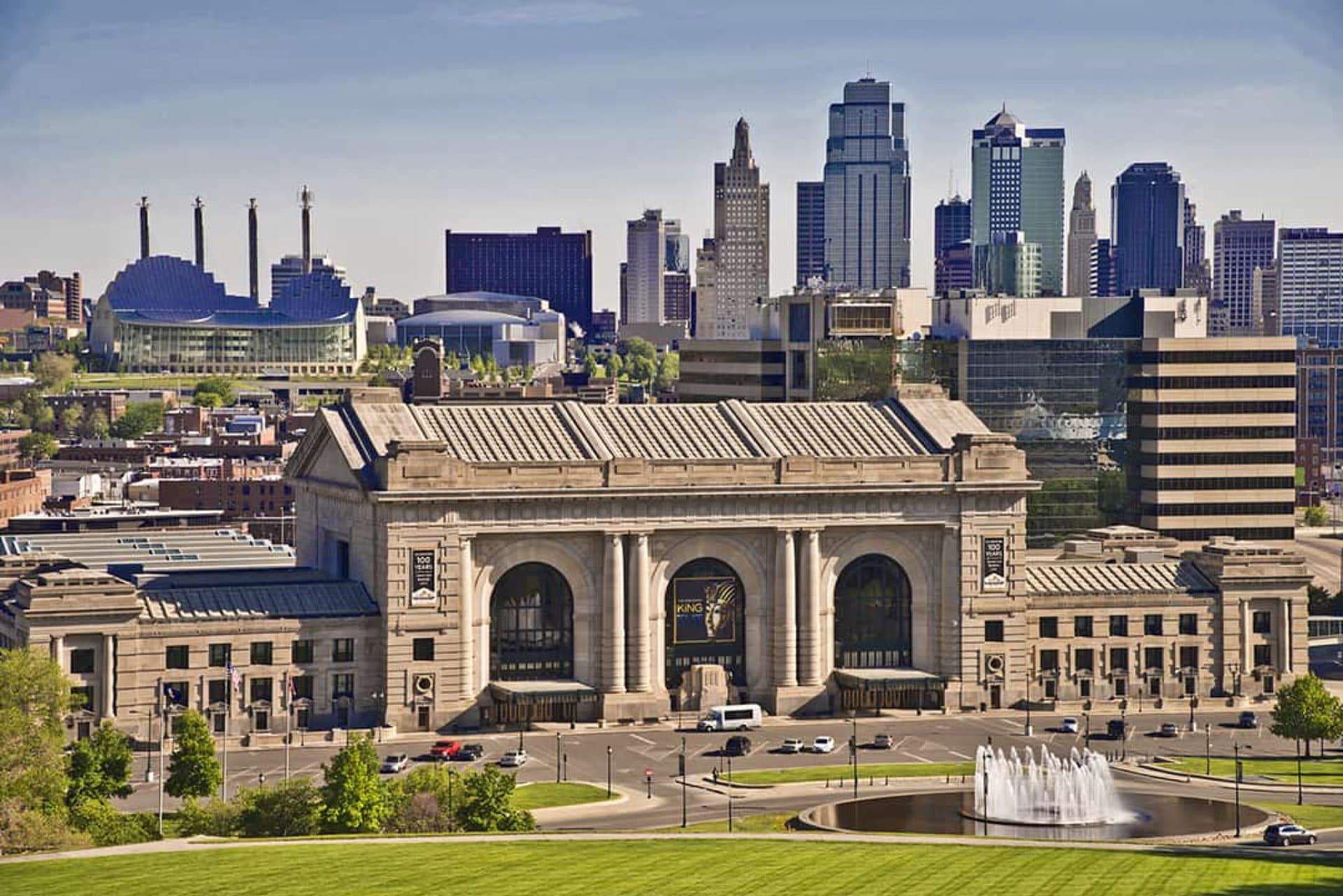
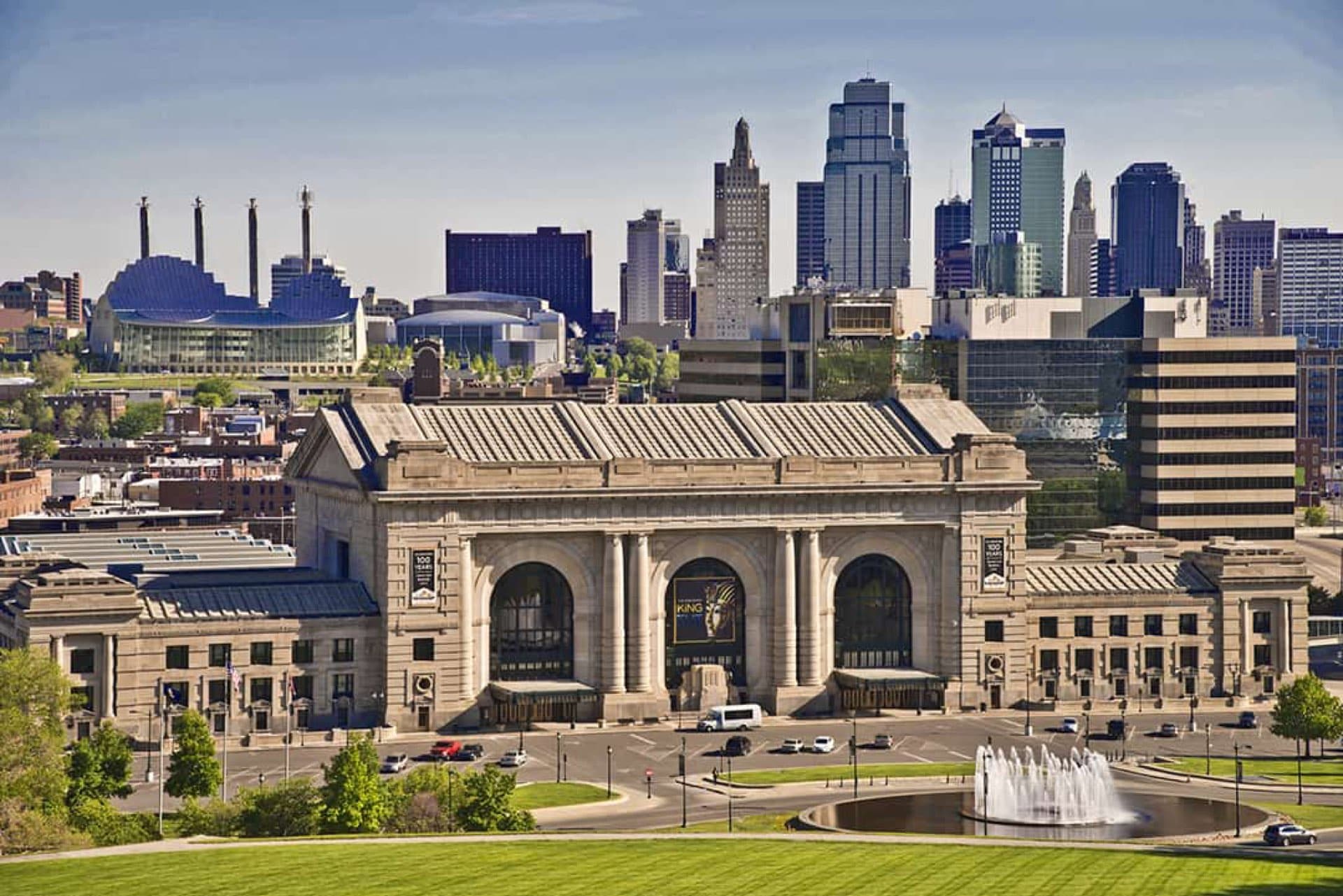
Union Station, Kansas City

United States · 14 places · 18 stories

Don’t visit Kansas City.
Understand it.

14 places. 18 stories. Frontier, trains, jazz and Negro Leagues baseball: a city most people only pass through, with far more to tell.

14 historical places in Kansas City with free audio guide

Free · no ads · iOS and Android

Kansas City in depth

Kansas City was born from the river, at the edge of what the country knew of itself.

Ruthy shows you Kansas City through 14 real places, narrated by Lucas Botta (Historia en Podcast) at the exact spot where each story happened. No group tour, no schedule, no shared headphones. Just you, the city, and a story that starts when you arrive and press play.

Many people only know Kansas City in passing, on the way somewhere else. But for over a century this city was a crossroads of the country: born from the Missouri River, grown on railroads, turned into an unlikely capital of jazz and Negro Leagues baseball. It has a plaza imitating Seville, America's main World War I memorial, and a steamboat buried under a cornfield. With Ruthy you don't just pass through: you walk it understanding how a frontier city ended up shaping the country's music, sports and memory.

Deep-dive walks

Places told chapter by chapter.

We don't just tell you what it is. We tell you why it matters, how it was built, what happened inside, and how it became what it is today.

View of Kansas City
5chapters

History of Kansas City

Before the jazz, the trains and the bridges over the Missouri, this was pure frontier: grasslands, Indigenous routes, the edge of the known. Kansas City was born from the river and made itself the country's crossroads. Five chapters on a city most people only pass through.

All 5 chapters

  1. Frontier and origins (before 1850)
  2. The river, trade and the founding
  3. Railroads and growth (19th century)
  4. Jazz, expansion and the modern metropolis (20th century)
  5. Contemporary Kansas City
All 14 places

Everything you'll find in Kansas City.

Each place with its own story, narrated right where it happened.

  • Union Station, Kansas City

    Union Station

    It looks like a palace, not a train terminal — and that was the point. Opened in 1914, it was Kansas City announcing it had become one of the great cities of the country's center, when railroads ruled. Half of America passed through here.

  • Kansas City Riverfront

    Kansas City Riverfront

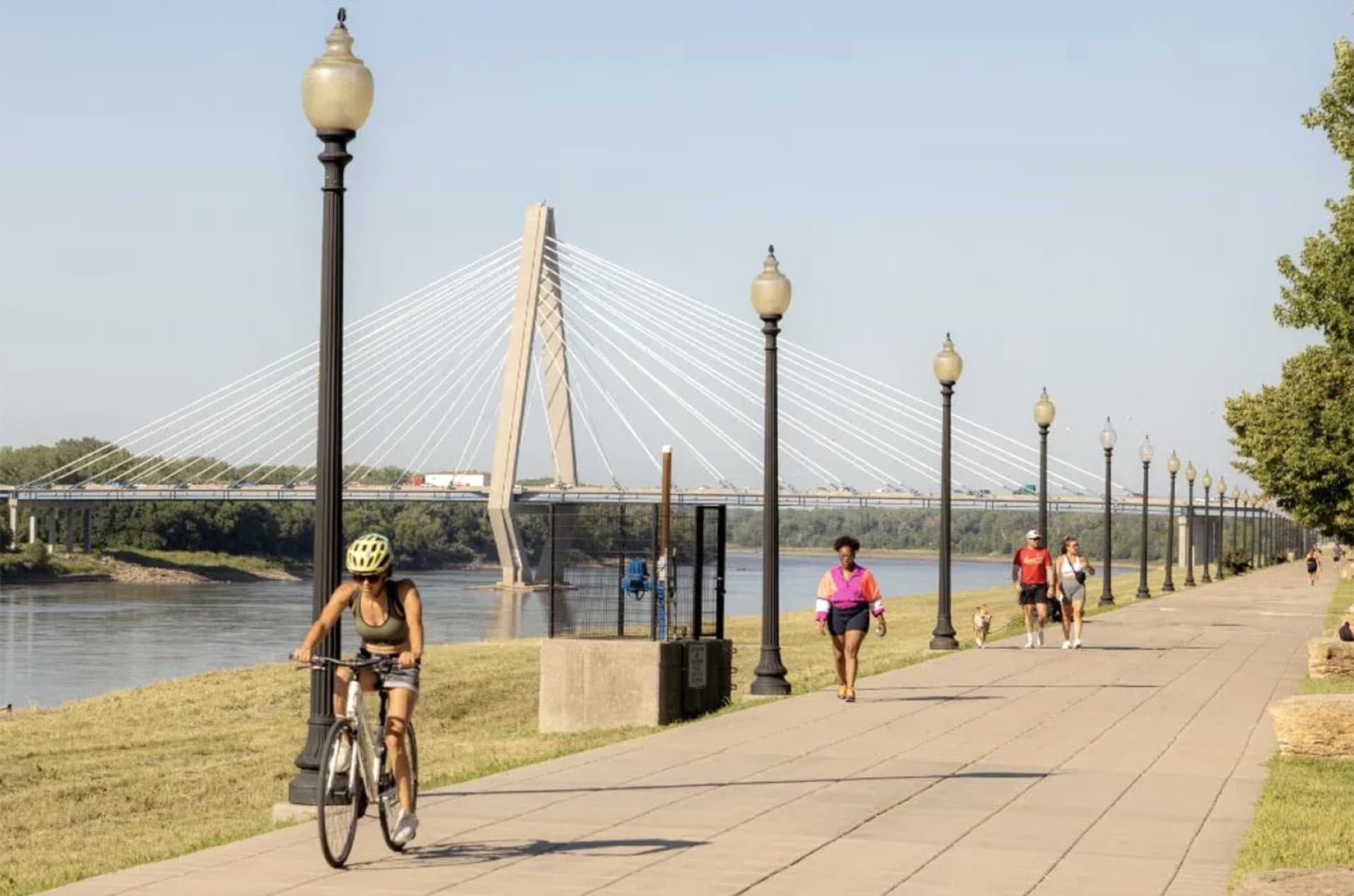
    Today: trails, parks, modern bridges. In the 19th century: smoke, mud and boats arriving nonstop on the Missouri. Because Kansas City was born thanks to the river — before the trains and the highways, the Missouri was the great artery of the country's interior.

  • City Market, Kansas City

    City Market

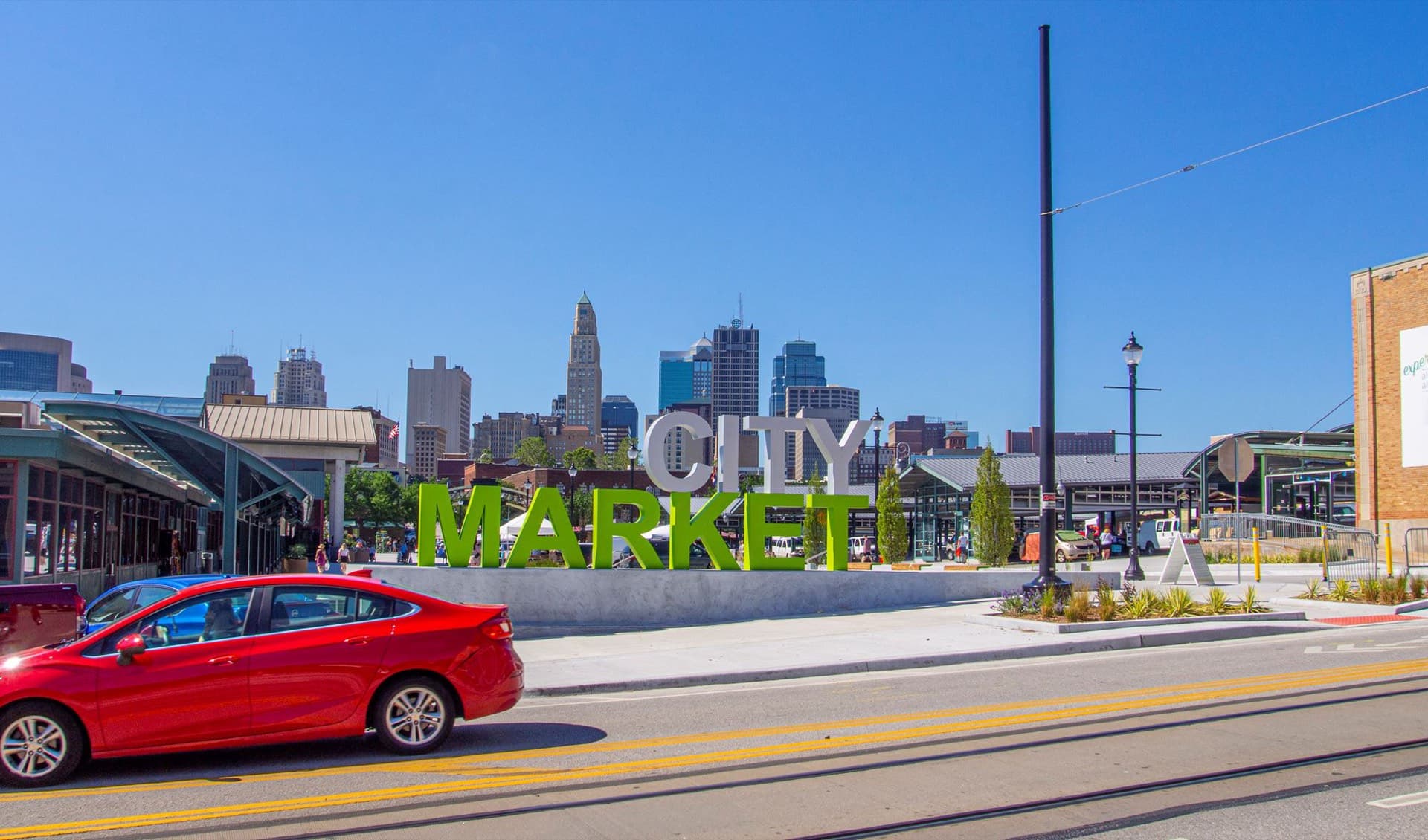
    Among stalls of fruit, spices and cafés survives one of Kansas City's oldest spaces: over 150 years of meeting and trade. And that sums up its origin — because before the jazz and the skyscrapers, this was a great frontier marketplace.

  • Arabia Steamboat Museum, Kansas City

    Arabia Steamboat Museum

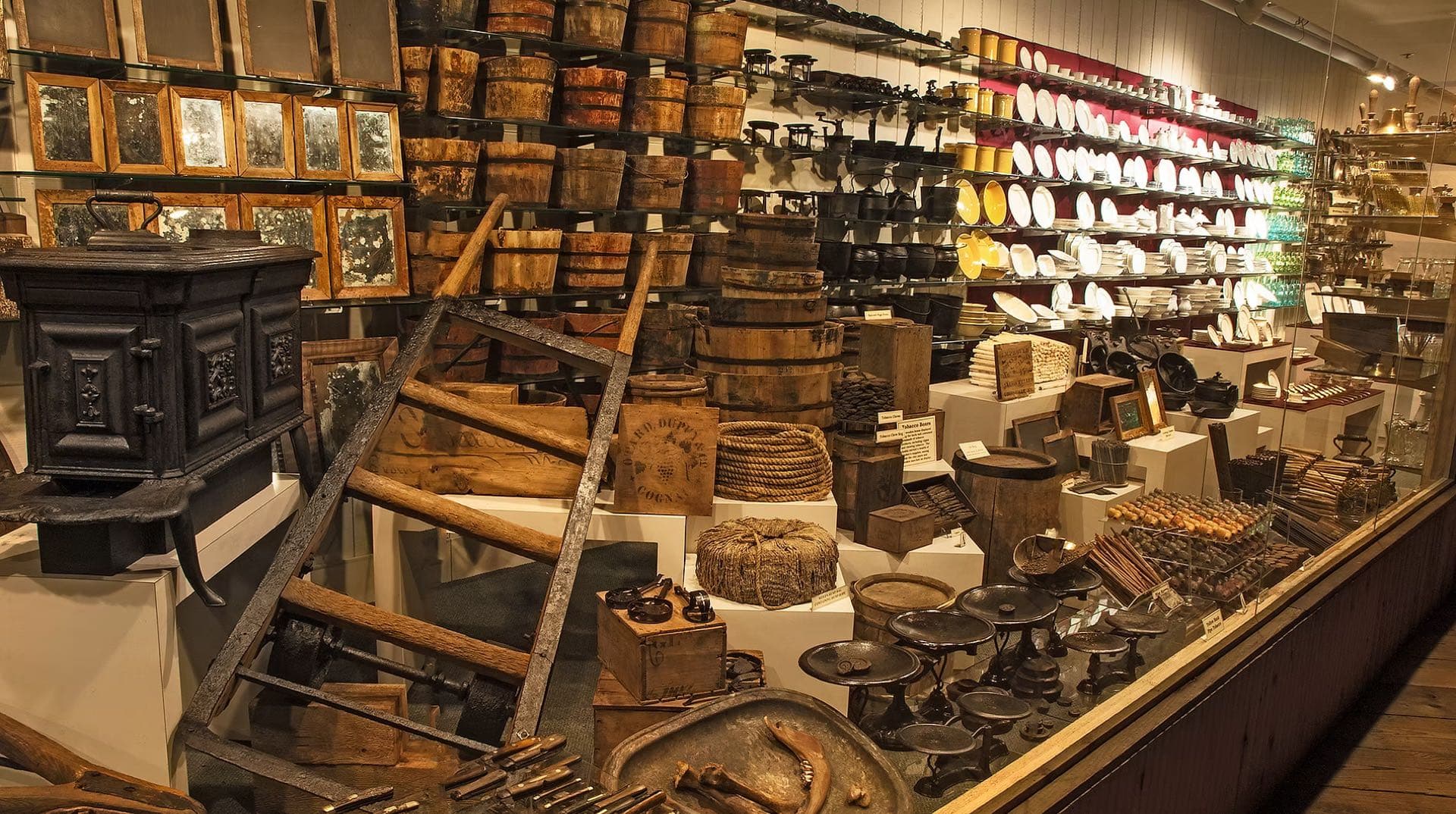
    Beneath a plain downtown building, one of the strangest finds in America: a 19th-century steamboat, buried over a hundred years under a cornfield. No dinosaurs, no ruins; something more unexpected. And completely real.

  • American Jazz Museum, 18th & Vine, Kansas City

    American Jazz Museum

    In historic 18th & Vine, the place to understand why Kansas City matters so much in American music. Here jazz isn't just a genre: it's a way of living the city. In the 1920s and '30s, this was one of the great laboratories of jazz — and not by accident.

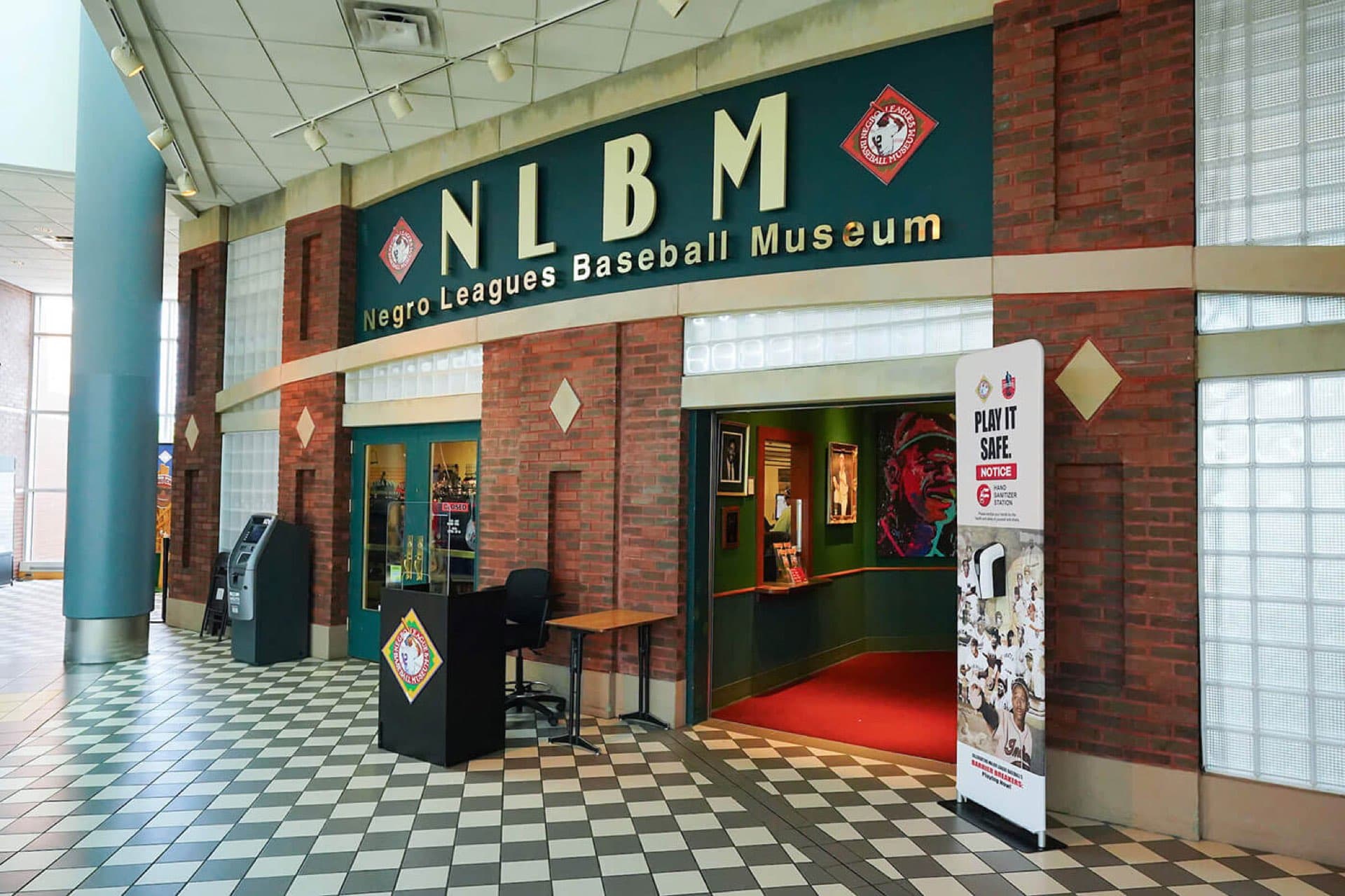
  • Negro Leagues Baseball Museum, Kansas City

    Negro Leagues Baseball Museum

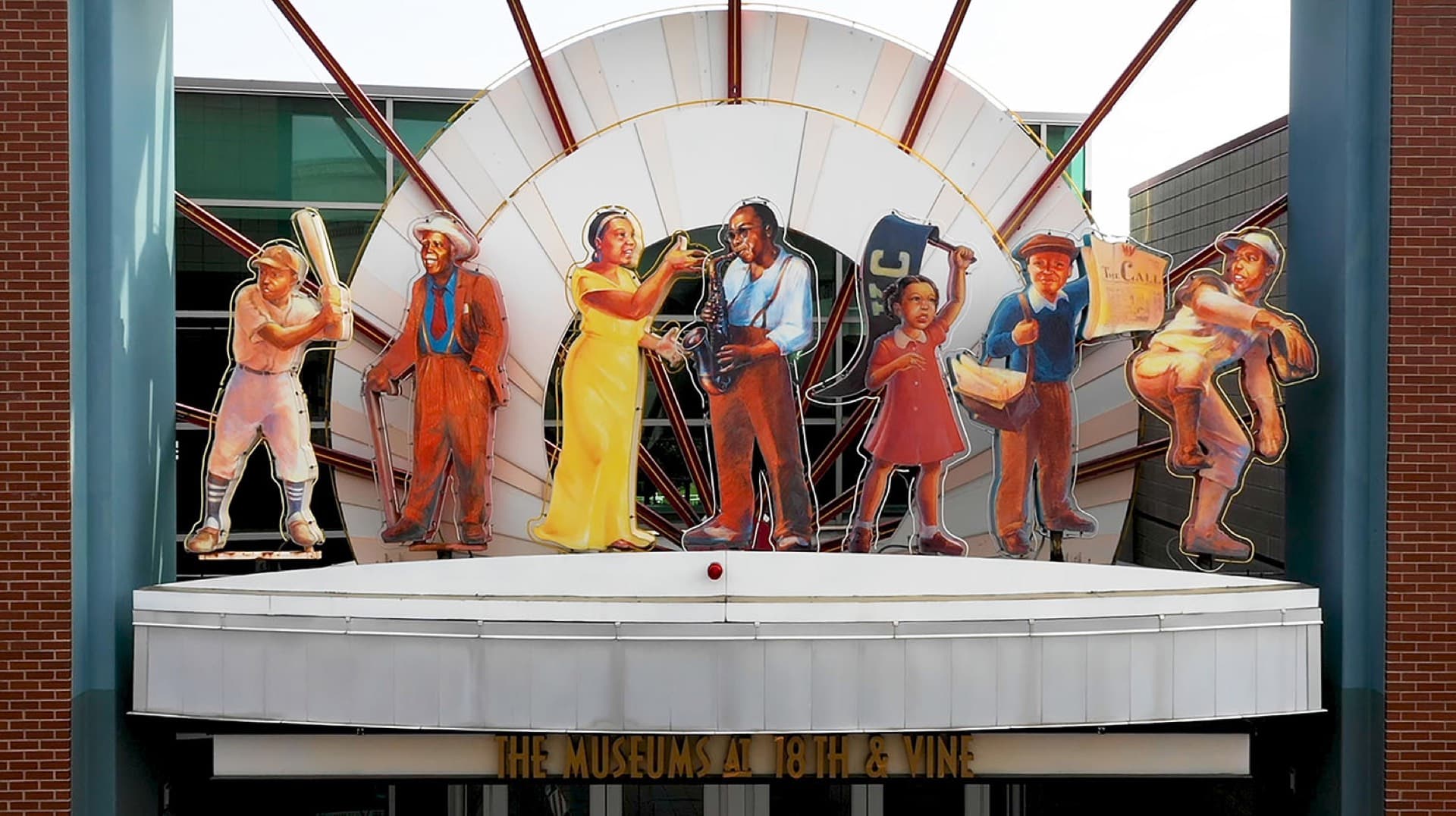
    In the heart of 18th & Vine, a museum about a part of sports history that was meant to be forgotten. For decades, Black players were barred from the Major Leagues. So they built their own. Baseball, yes — but also segregation, pride and resistance.

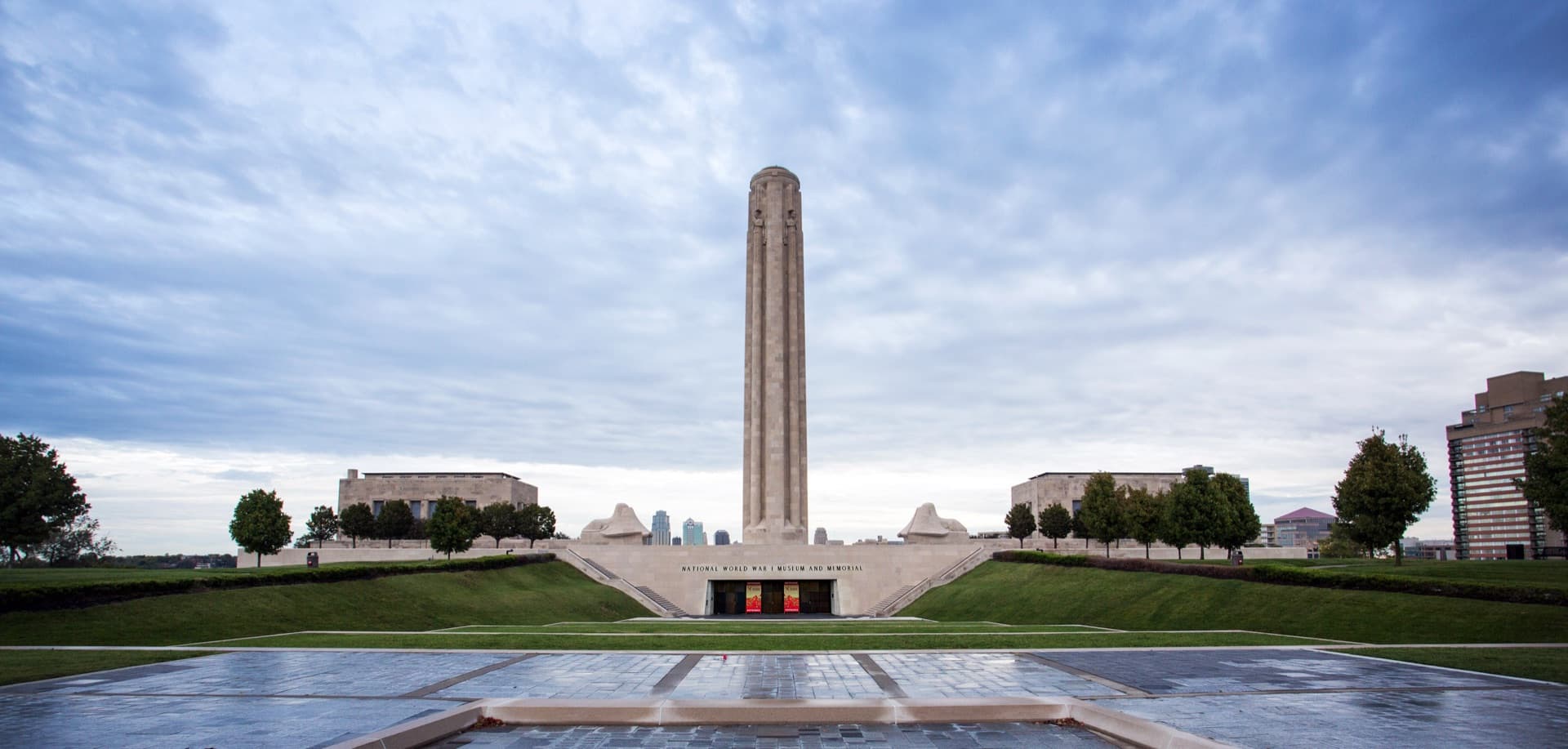
  • National WWI Museum and Memorial (Liberty Memorial), Kansas City

    National WWI Museum and Memorial

    On a hill overlooking downtown, a stone tower that works almost like a lighthouse. It's the United States' main national memorial to World War I — which already says a lot. Few expect to find this, right here, in the middle of the country.

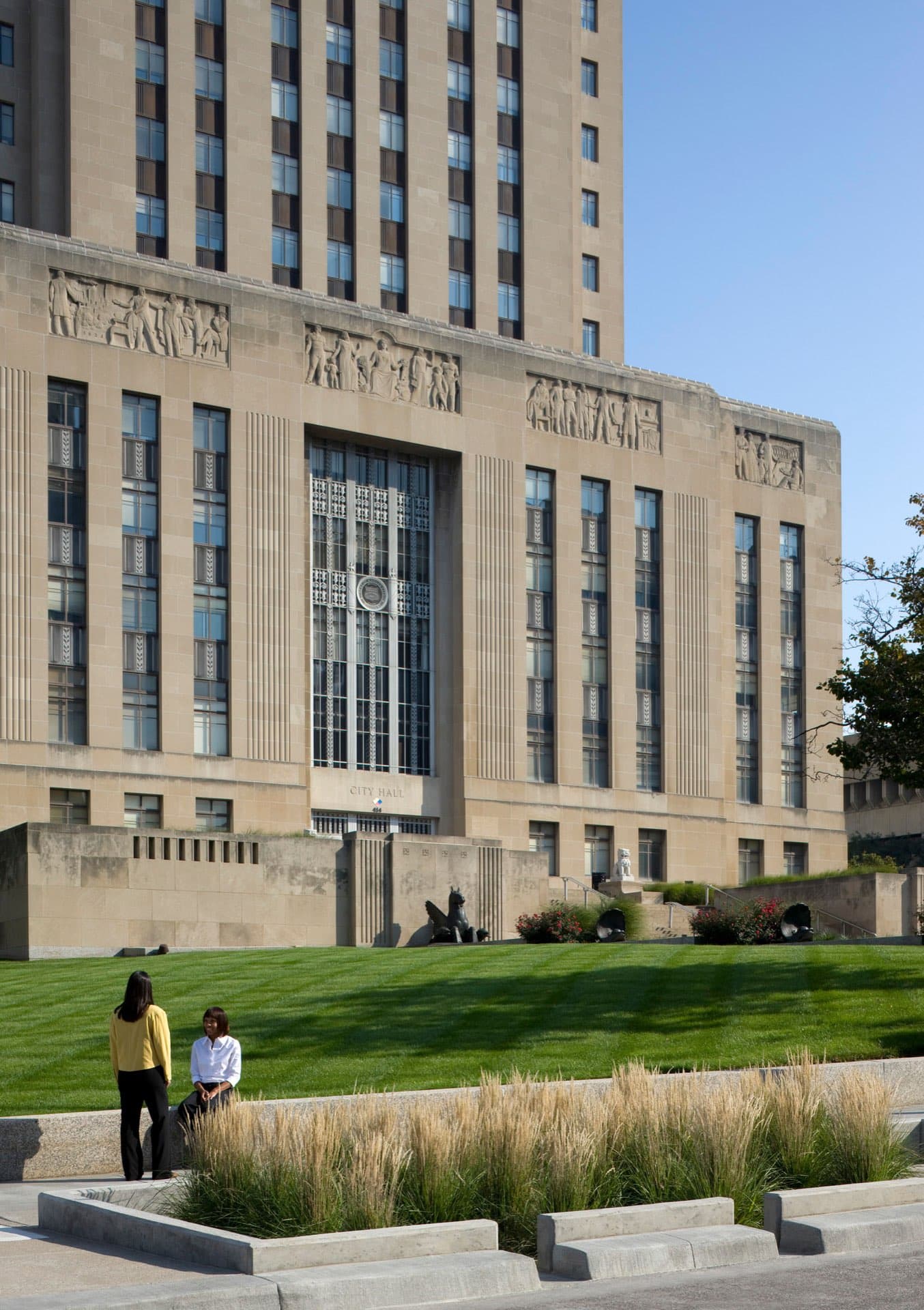
  • Kansas City City Hall

    Kansas City City Hall

    A tall, elegant silhouette over downtown, from when Kansas City stopped thinking of itself as a frontier town and started seeing a metropolis. Opened in 1937, it was for years one of the tallest city halls in the world. Ambition, turned into a building.

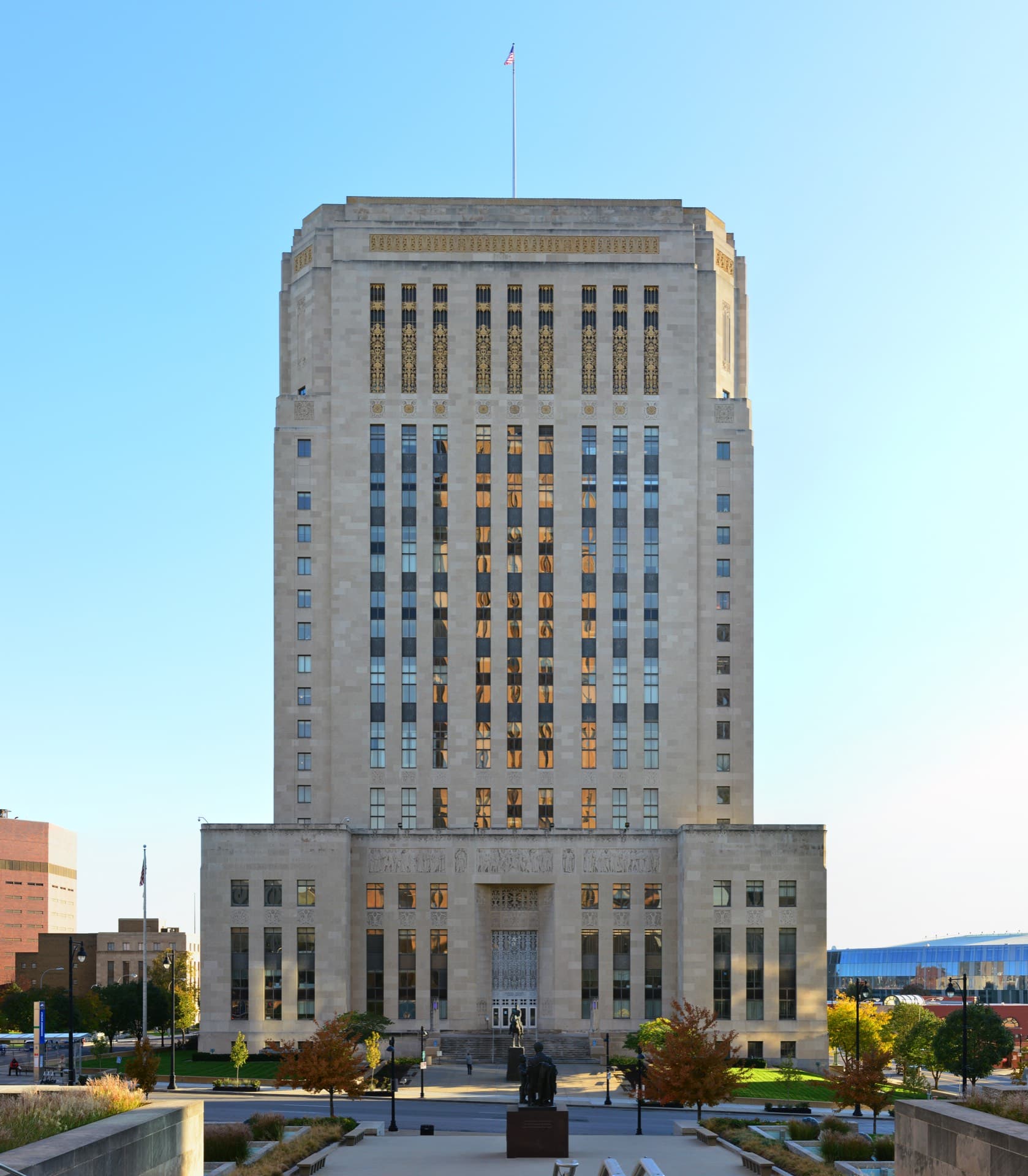
  • Jackson County Courthouse, Kansas City

    Jackson County Courthouse

    One of the city's most important judicial buildings. Opened in 1934 in Art Deco — geometric lines, verticality, a sense of order — it reflects the moment Kansas City wanted to see itself as a great modern metropolis.

  • Ilus Davis Park, Downtown Civic Center, Kansas City

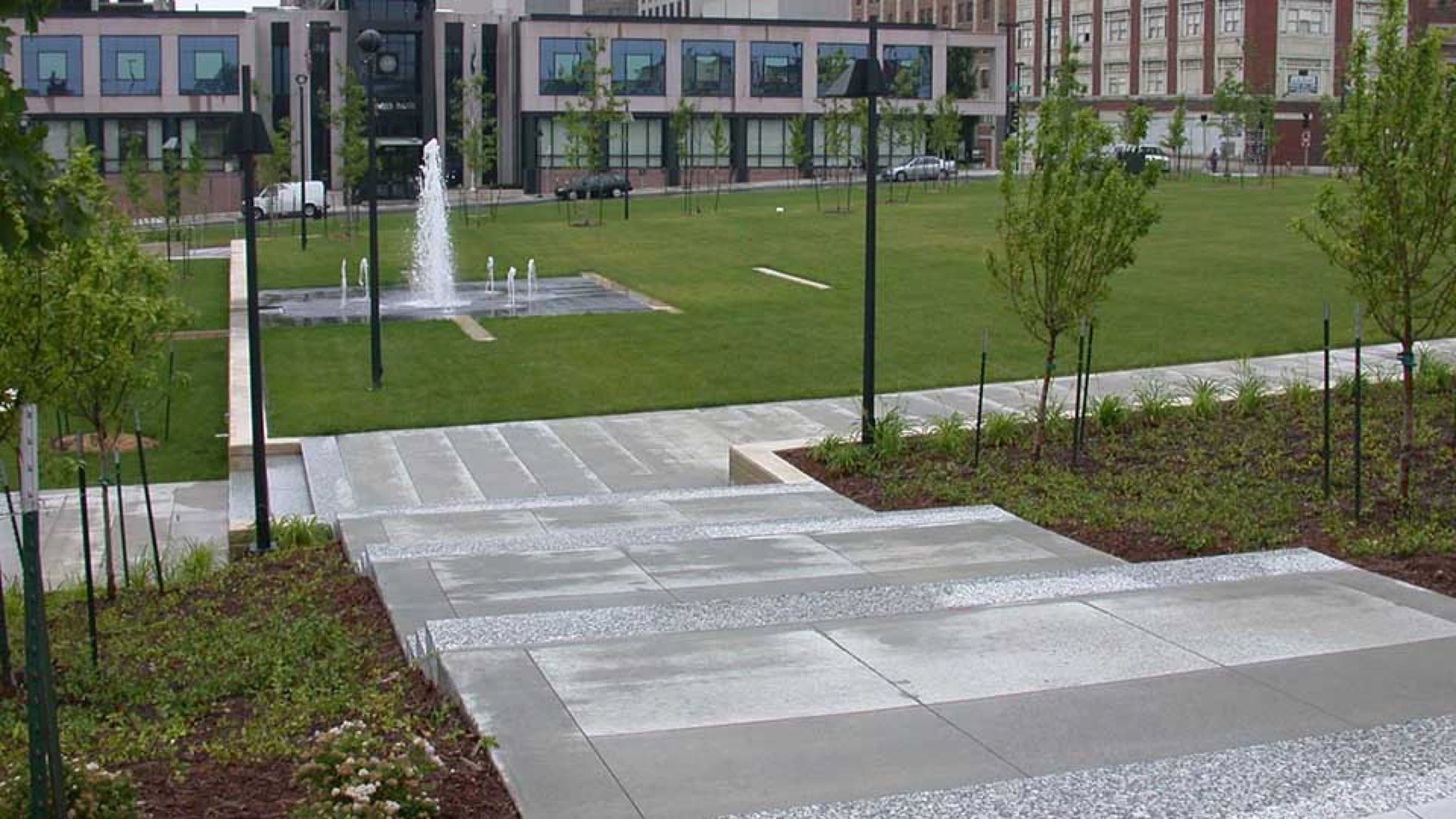
    Ilus Davis Park

    Among government buildings and wide avenues, a green space that shows how Kansas City tried to order and modernize its center in the 20th century. Conceived as the city's institutional heart: architecture meant to convey order, authority and planning.

  • Country Club Plaza, Kansas City

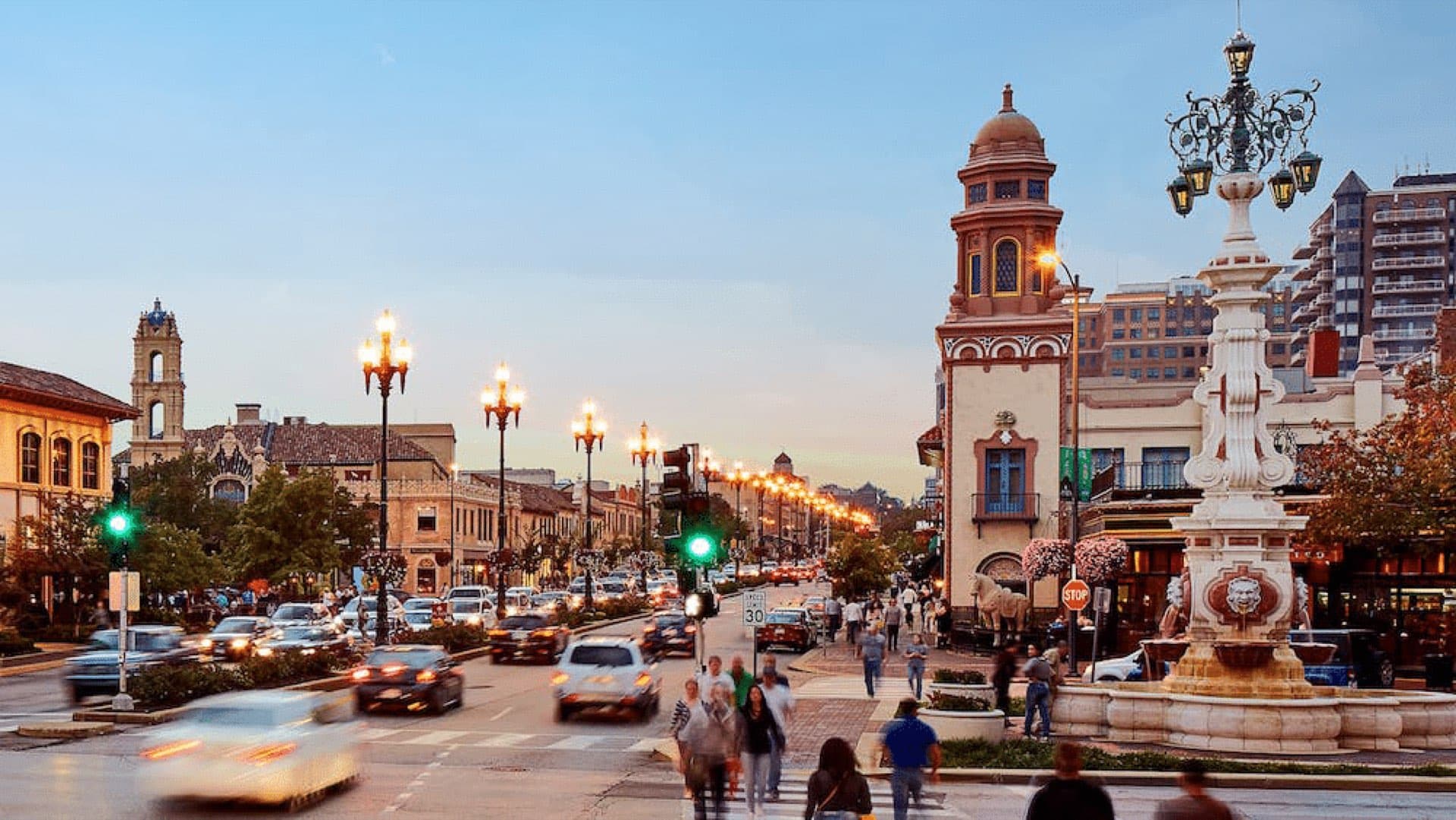
    Country Club Plaza

    Palm trees, fountains, tiles and towers that look like Andalusia: not the image you'd expect of the Midwest. In the 1920s it was something new for America — a shopping district designed for the automobile age. Seville, reimagined in Missouri.

  • Kauffman Center for the Performing Arts, Kansas City

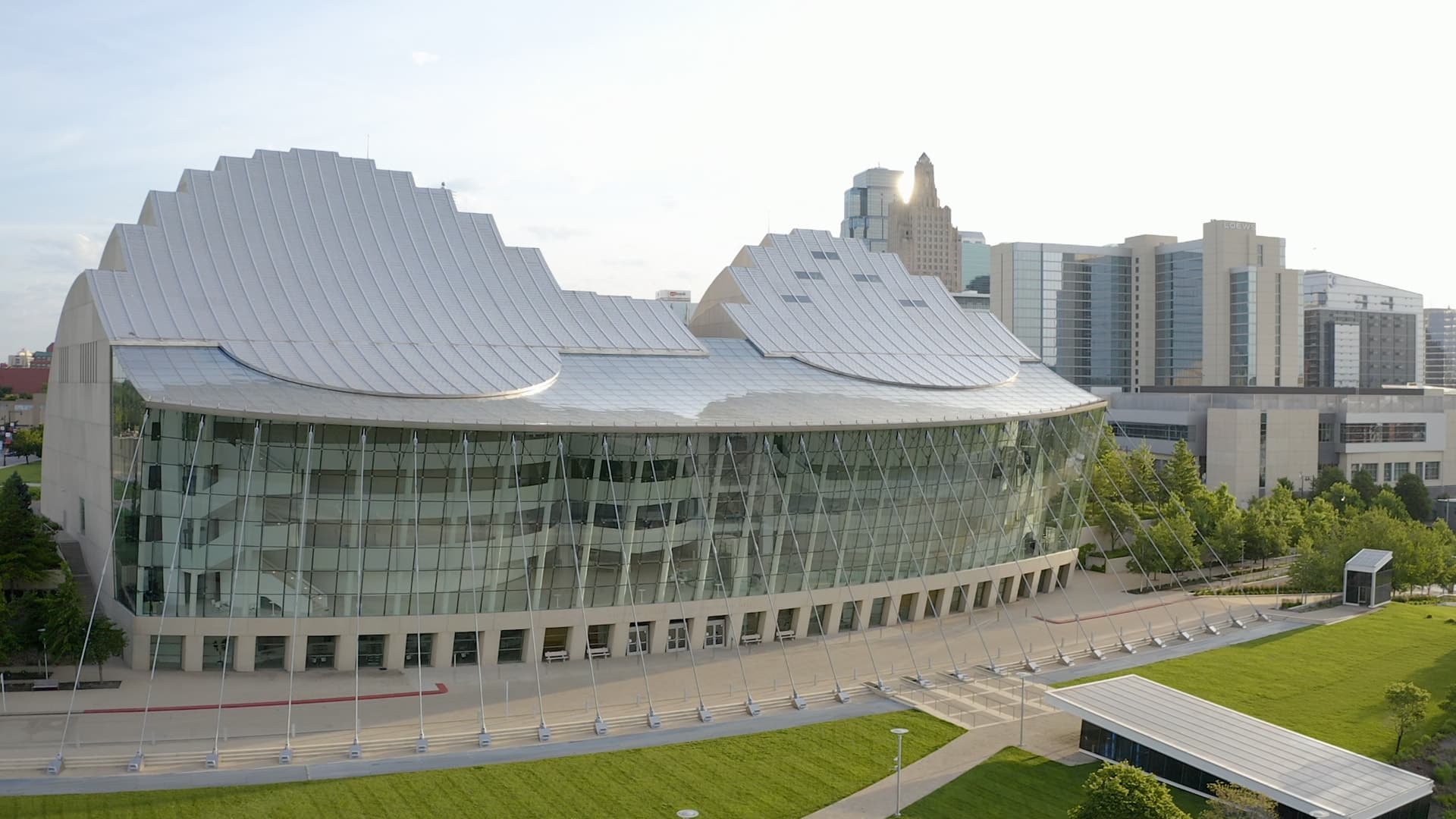
    Kauffman Center for the Performing Arts

    Two curving structures of glass and steel that open over the skyline like giant sails. Opened in 2011 by Moshe Safdie, it's one of the clearest symbols of the Kansas City reaching for the 21st century. The city, presenting its future self.

  • Kemper Museum of Contemporary Art, Kansas City

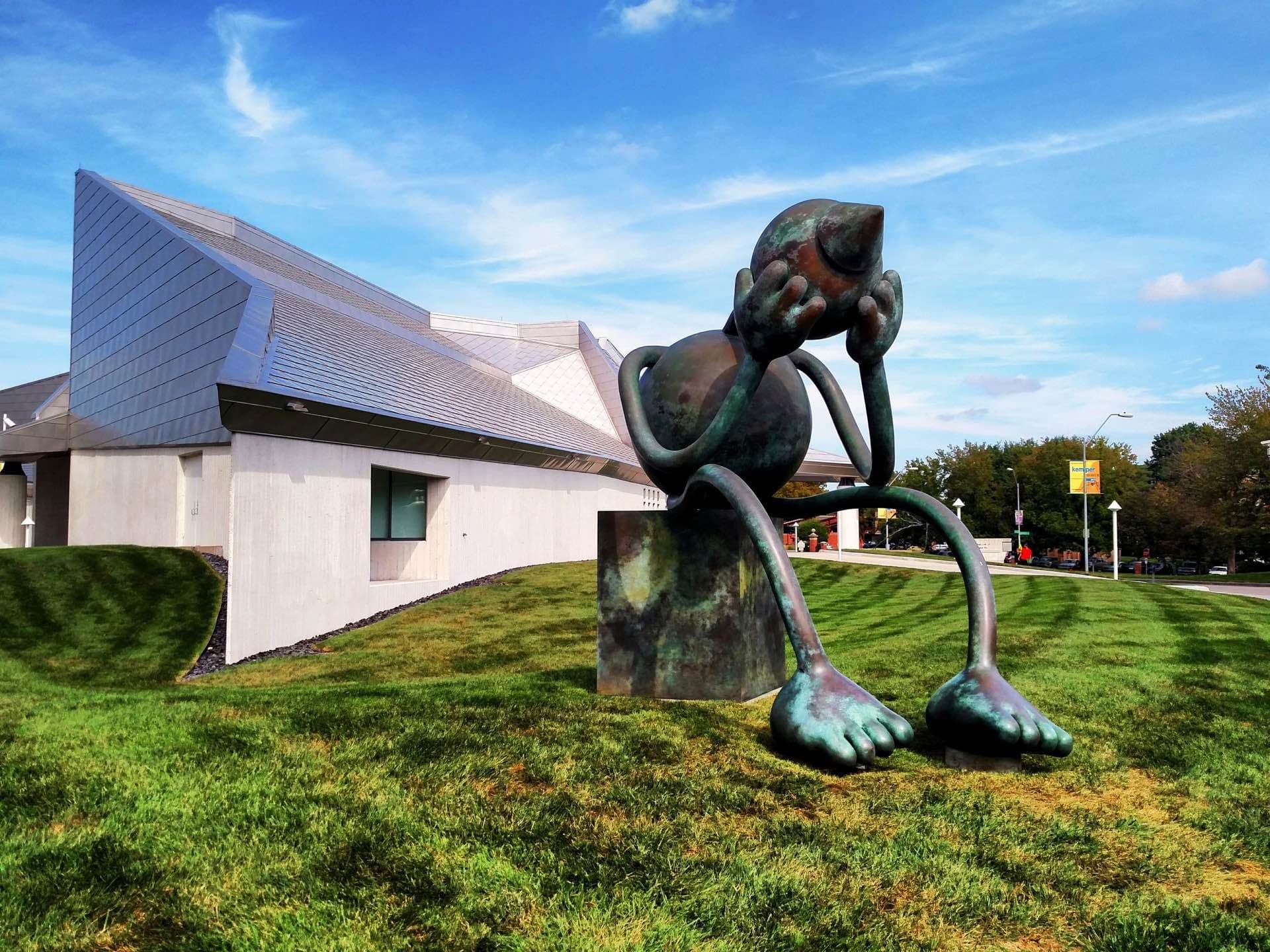
    Kemper Museum of Contemporary Art

    In an area shaped by decades of expansion and commerce, a bright, modern museum of contemporary art. It helps explain how Kansas City went from rail-and-industry hub to a city that also bets on art and renewal.

FAQ

About Kansas City on Ruthy

Lucas Botta, creator of Historia en Podcast. Researched and narrated by a person, not AI-generated.

Pick Kansas City, head out with headphones, and you press play when you reach each place. It's a compass, not a GPS: you wander and discover, with no one dictating a route.

Yes. In this version the stories stream, so you need a connection while you walk (data or an eSIM). In exchange, it takes up no space on your phone.

Yes. Kansas City is one of the host cities. Between matches you can walk 18th & Vine, Union Station or the WWI memorial with the city's history in your ear, at your own pace.

14 spots: from the river and Union Station to the jazz of 18th & Vine, Negro Leagues baseball and the WWI memorial, plus a five-chapter general history of the city.

As much as you like. Each audio runs a few minutes: do downtown and 18th & Vine in a morning, or add Country Club Plaza and the museums on another day.

Real reviews

What Ruthy users say.

  • An original and very interesting proposal to discover cities in a different way. It's very easy to use, has a clear interface, and the stories are well narrated. I liked that it lets you explore at your own pace and choose what places to visit by proximity or interest. Without a doubt, it's an entertaining and educational option — ideal for tourists or to rediscover your own city.

    Jaz GonzálezApp Store
  • I used it on my trip and the descriptions, details, and information it provides are excellent. Highly recommended!

    Ale CarbaApp Store
  • This app is wonderful — it shows you everything you need to know about any place you visit.

    Lisandro HedinGoogle Play

Start with Kansas City

You don't just see Kansas City. You understand it.

Download Ruthy free and walk Kansas City with all 14 stories activating in real time, right where it all happened.

Free · no ads · iOS and Android

Download Ruthy free