

Skip to content
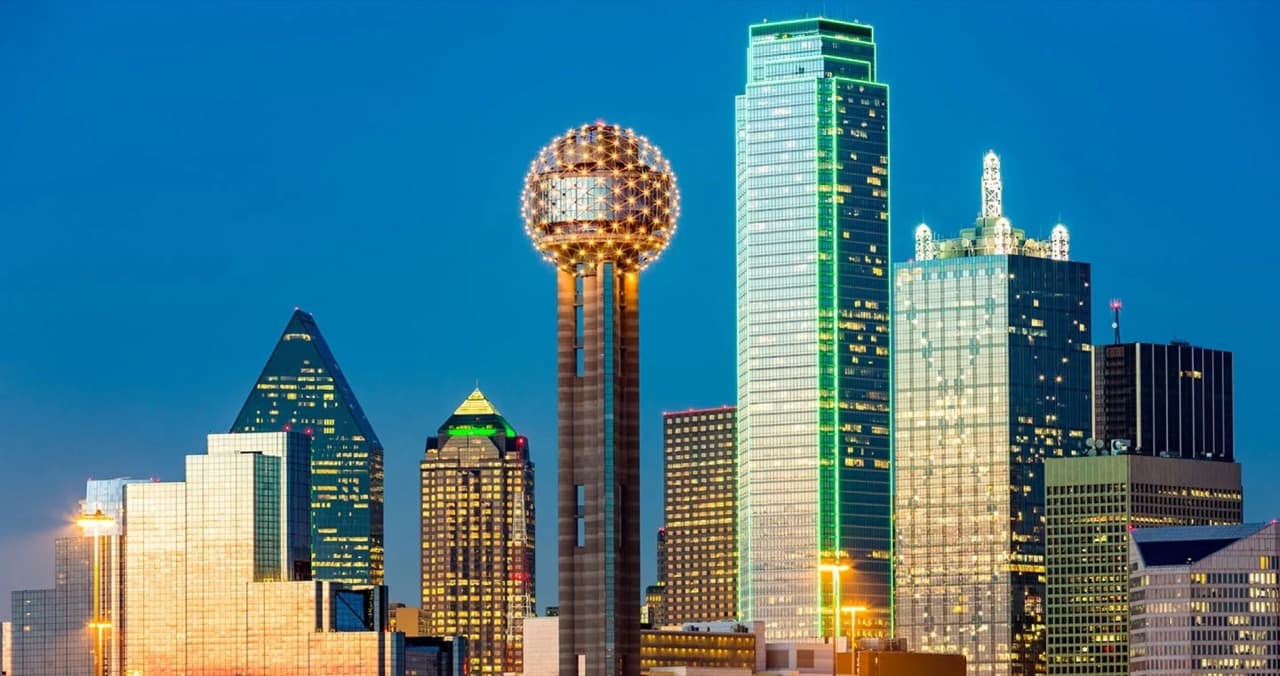
Reunion Tower, Dallas

United States · 17 places · 23 stories

Don’t visit Dallas.
Understand it.

17 places. 23 stories. From prairies and cattle drives to oil, skyscrapers and an assassination that changed the country: a city that invented itself.

17 historical places in Dallas with free audio guide

Free · no ads · iOS and Android

Dallas in depth

Dallas was born beside a shallow river, at the exact point where you could cross.

Ruthy shows you Dallas through 17 real places, narrated by Lucas Botta (Historia en Podcast) at the exact spot where each story happened. No group tour, no schedule, no shared headphones. Just you, the city, and a story that starts when you arrive and press play.

Dallas is associated with oil, business and skyscrapers, but its story is one of a crossing. It was born where a shallow river could be forded, grew on railroads and cotton, turned rich and modern, and on November 22, 1963 was marked forever by Kennedy's assassination. It's a city that reinvents itself without nostalgia: its cowboy past cast in bronze, its trauma turned into a museum, neighborhoods reborn from neglect. With Ruthy you don't tick off attractions: you walk it understanding how a frontier town ended up a stage for world history.

Deep-dive walks

Places told chapter by chapter.

We don't just tell you what it is. We tell you why it matters, how it was built, what happened inside, and how it became what it is today.

View of the Dallas skyline
7chapters

History of Dallas

Dallas wasn't born from a port or gold: it grew beside a shallow river, at a point where you could cross. From there — prairies, Caddo peoples, cotton, railroads, oil — came a global metropolis. Seven chapters on a city that invented itself. November 22, 1963 included.

All 7 chapters

  1. Frontier, rivers and the founding of Dallas (before 1850)
  2. Railroad, cotton and explosive growth (1850–1900)
  3. Oil, modernity and "Texas business" (1900–1945)
  4. Cold War, segregation and urban transformation (1945–1963)
  5. The assassination of John F. Kennedy (1963)
  6. Diversification, immigration and a global city (1970–2000)
  7. Contemporary Dallas (2000–present)
All 17 places

Everything you'll find in Dallas.

Each place with its own story, narrated right where it happened.

  • Reunion Tower, Dallas

    Reunion Tower

    A futuristic sphere of lights over the skyline. Not the Dallas of cowboys or cotton: the corporate, ambitious Dallas of the late 20th century, which in 1978 wanted to tell the world it had entered a new era. Look up.

  • Dealey Plaza, Dallas

    Dealey Plaza

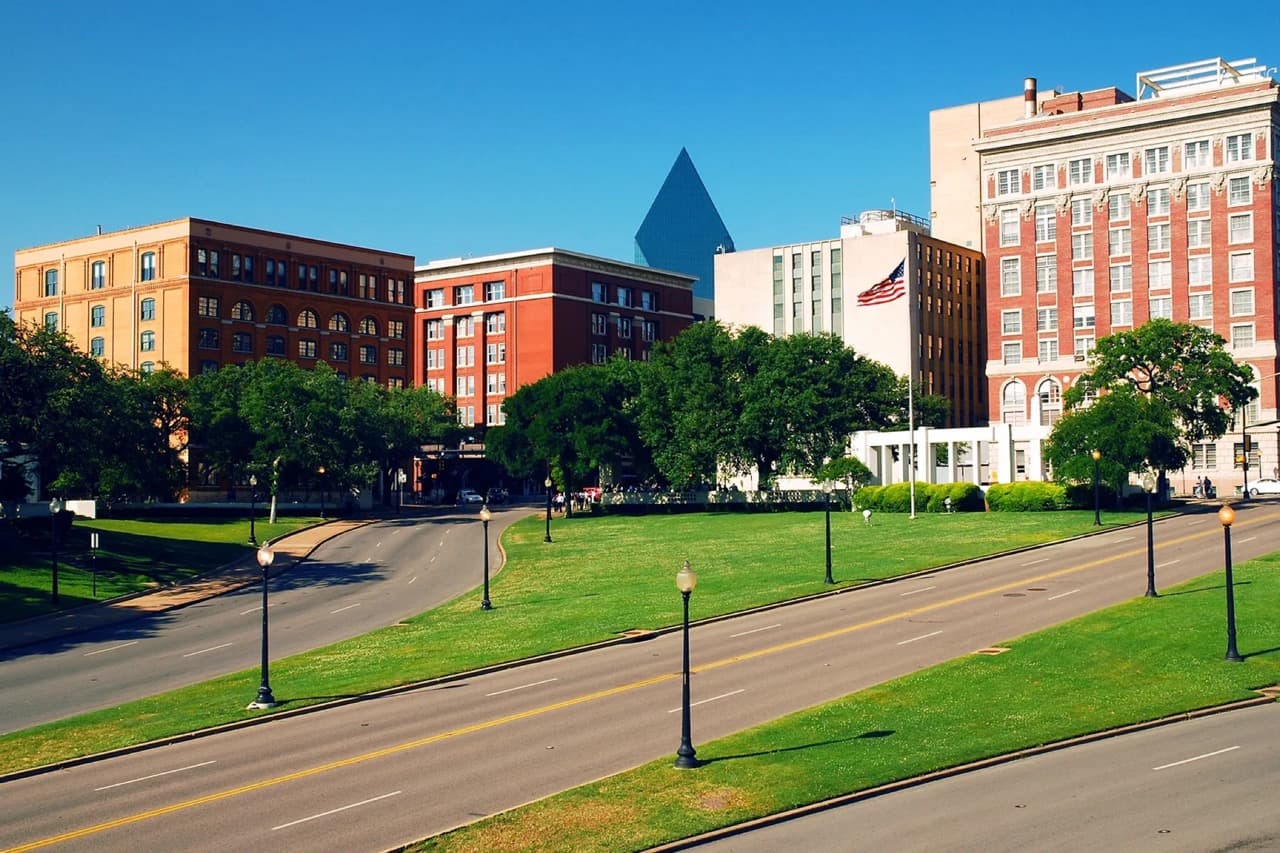
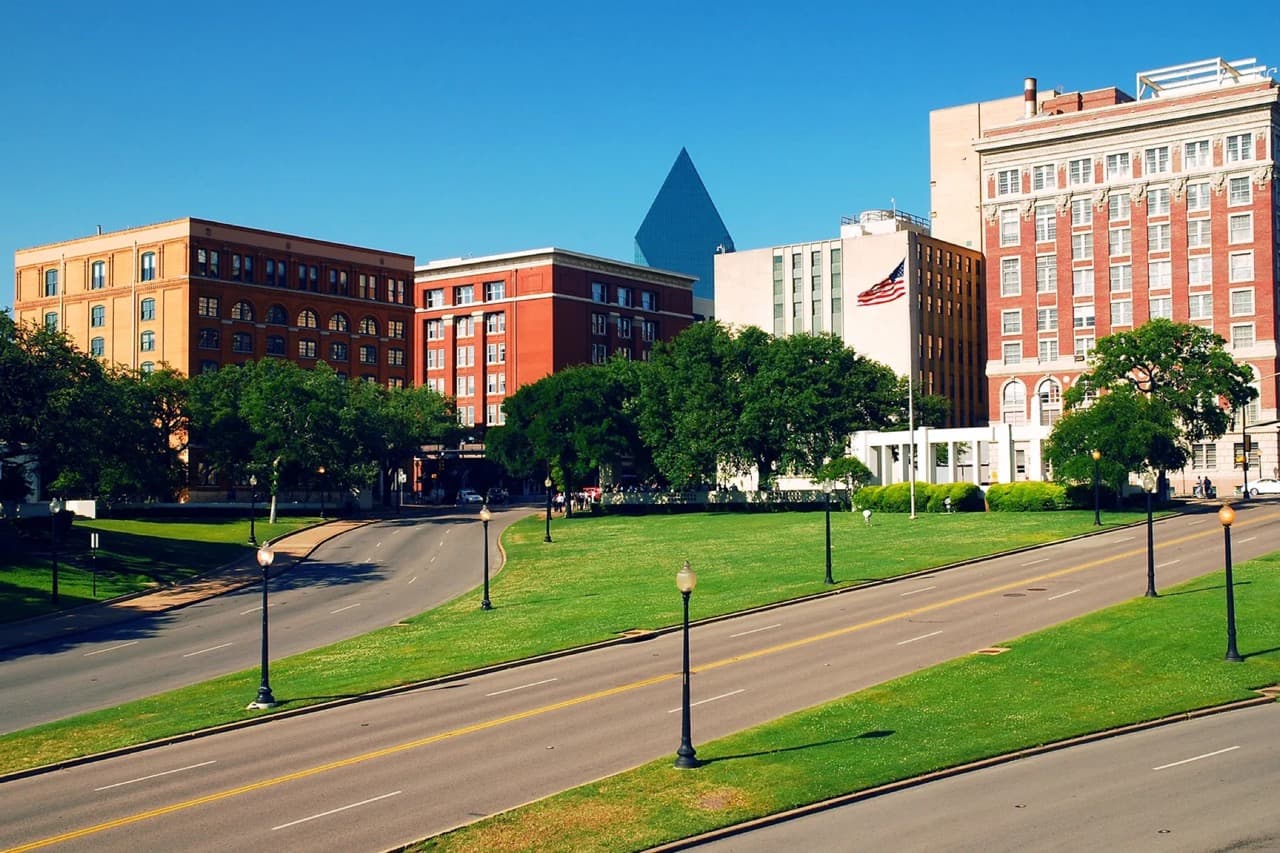
    At first glance, just some downtown streets and lawns. But here, on November 22, 1963, John F. Kennedy was assassinated — and the place became world memory. Designed in the 1940s as a monumental gateway to Dallas, it now carries a weight no blueprint foresaw.

  • The Sixth Floor Museum at Dealey Plaza

    The Sixth Floor Museum

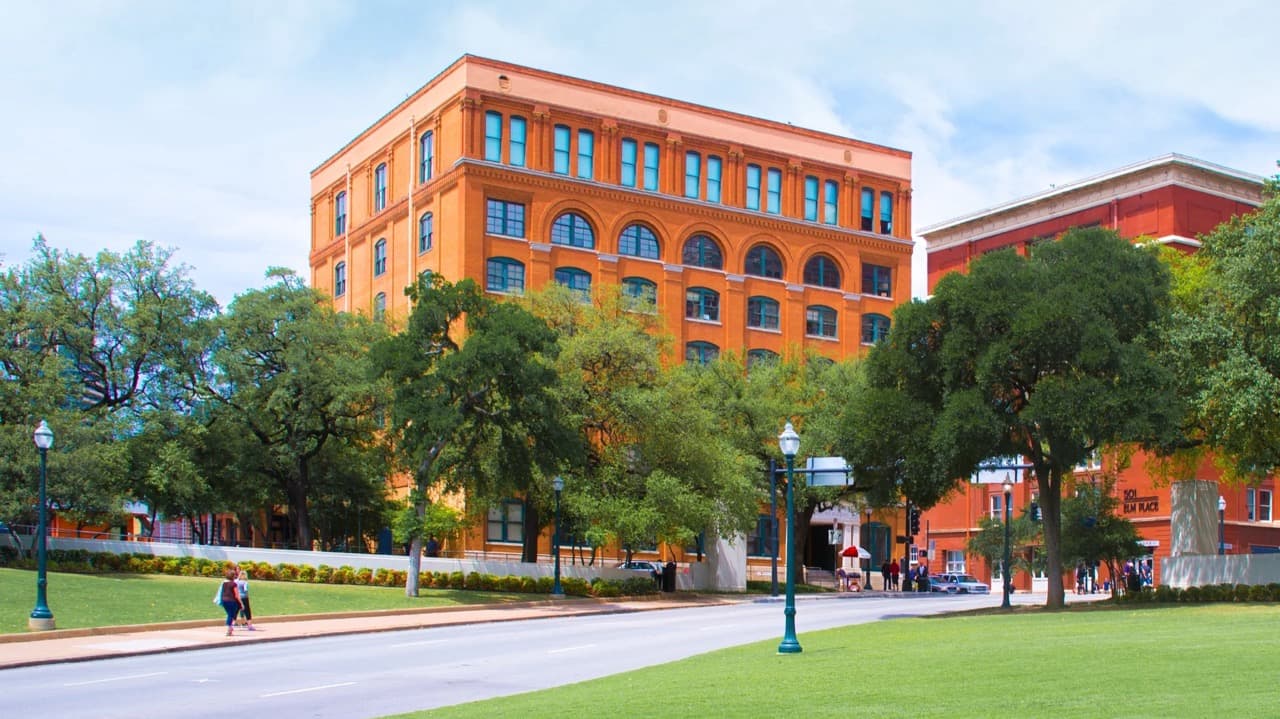
    The most scrutinized, most debated building in recent American history. From the sixth floor of the old book depository, per the official investigation, Lee Harvey Oswald shot Kennedy. It looks almost exactly as it did that day. What the museum leaves open is exactly what never closed.

  • John F. Kennedy Memorial Plaza, Dallas

    John F. Kennedy Memorial Plaza

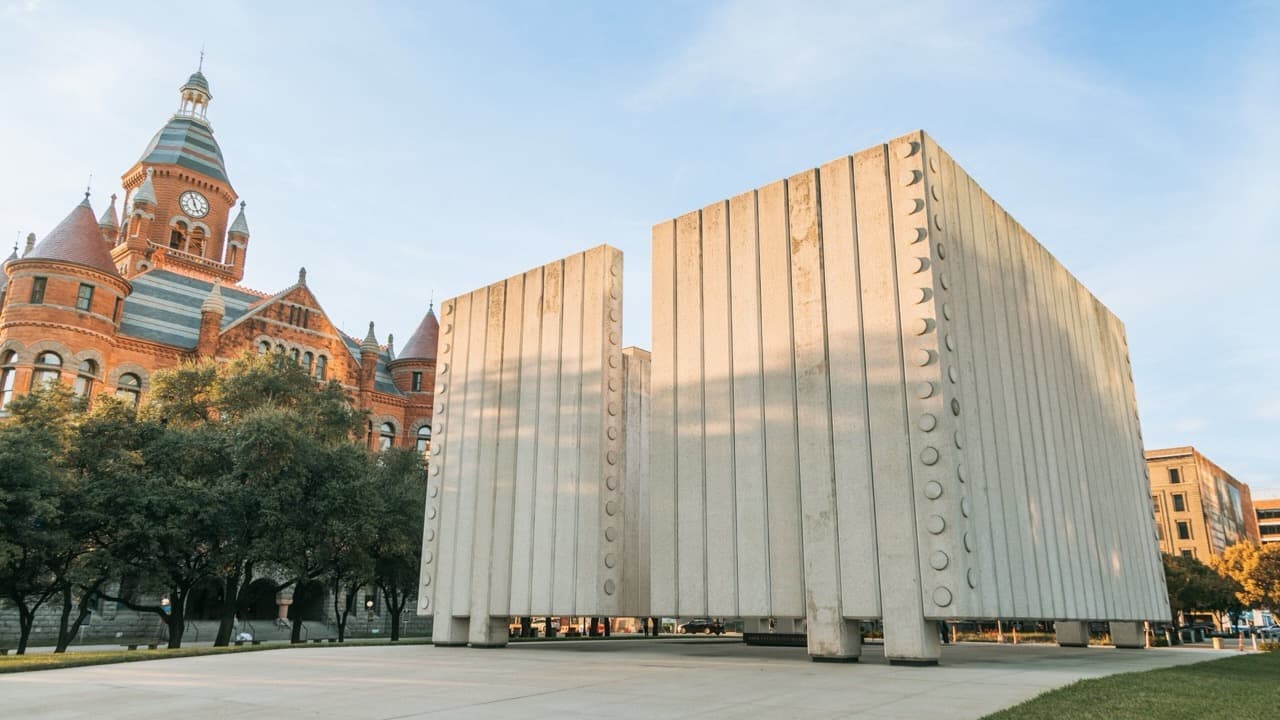
    Steps from the site of the crime, a memorial with no statue, no heroic scenes. Philip Johnson conceived it as an "open cenotaph": an empty symbolic tomb, made of silence. Sometimes emptiness says more than marble.

  • Old Red Museum, Dallas

    Old Red Museum

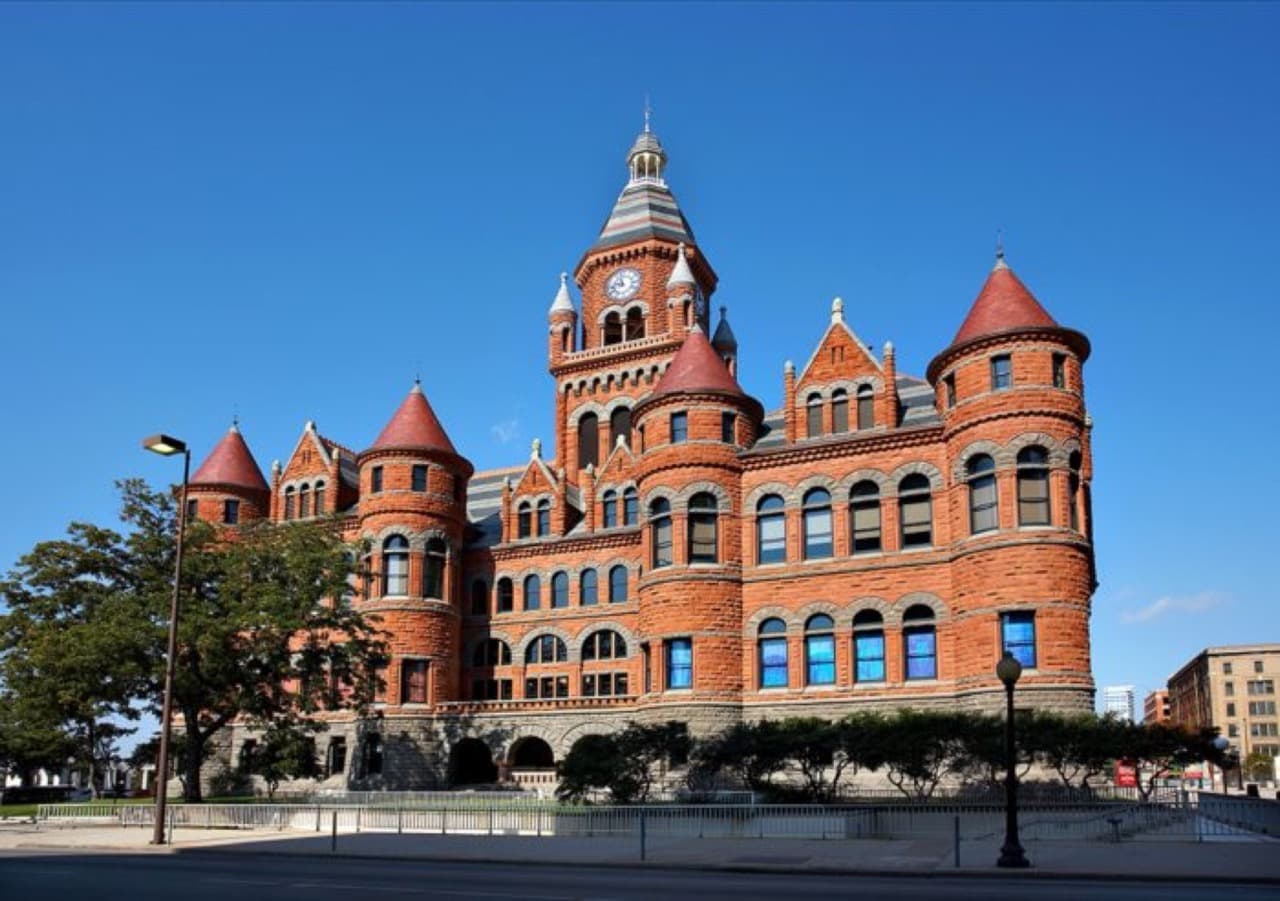
    Red-brick towers, arches, an almost medieval air. Opened in 1892 as the county courthouse, it watched Dallas go from dusty frontier town to Southern metropolis. It changed purpose several times; what didn't change is that it still watches the city from the center.

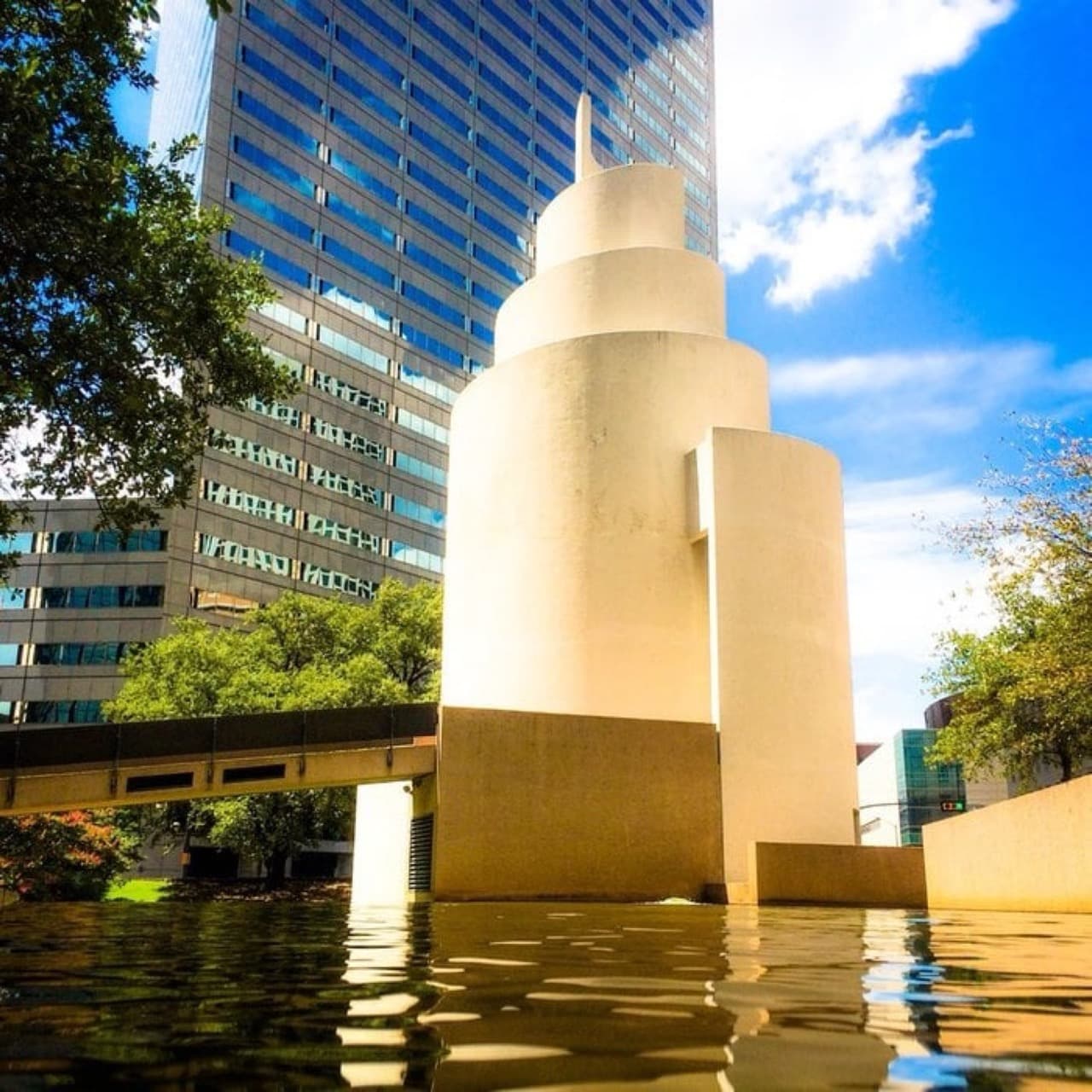
  • Thanks-Giving Square, Dallas

    Thanks-Giving Square

    In the middle of downtown's rush, the noise drops and the architecture changes. A space deliberately built for pause, gratitude and spiritual encounter, open to any faith. Its white spiral hides one idea: to stop, in a city that never does.

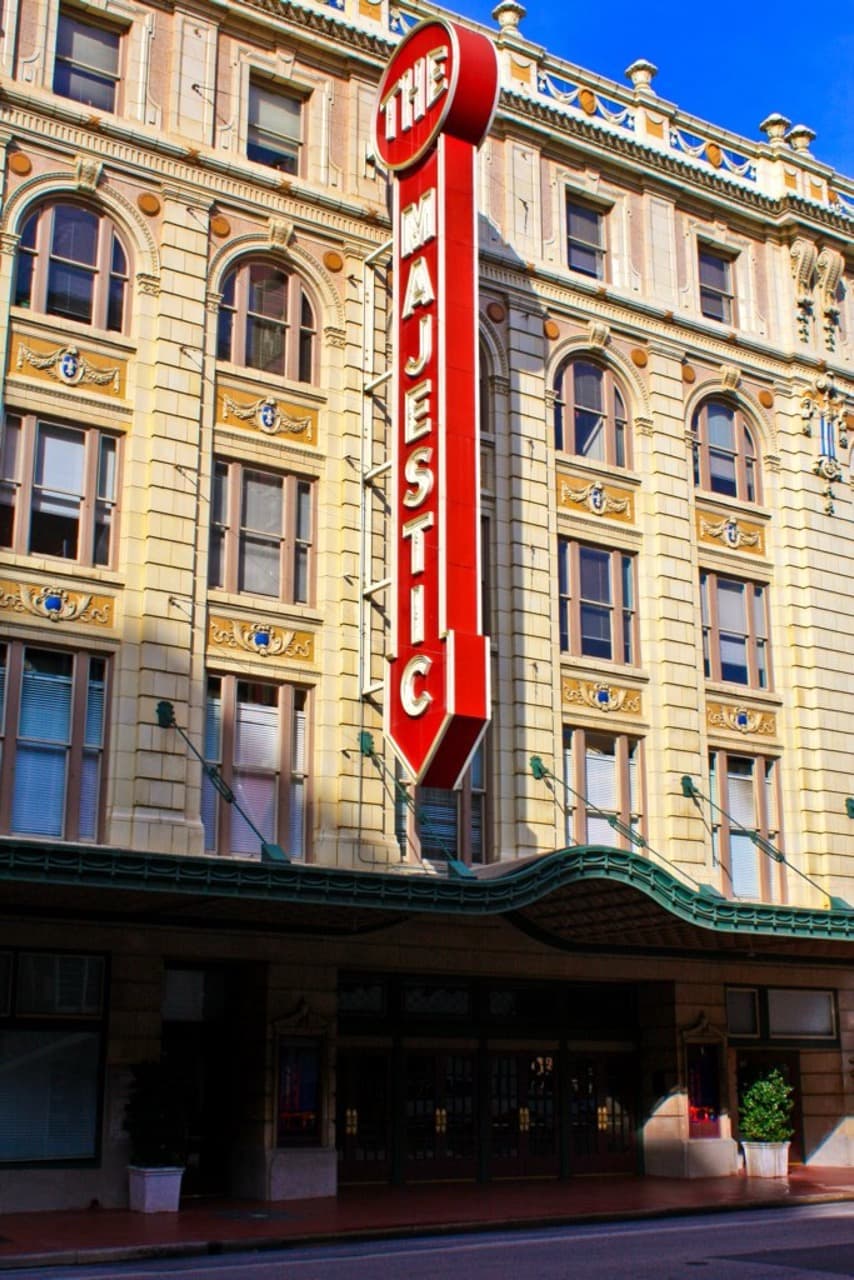
  • Majestic Theatre, Dallas

    Majestic Theatre

    A lit marquee over Elm Street, from when going to the theater was a social event. It opened in 1921, amid the boom of trade, railroads and oil — a Dallas just learning to indulge itself. The last great show palace left standing on the street.

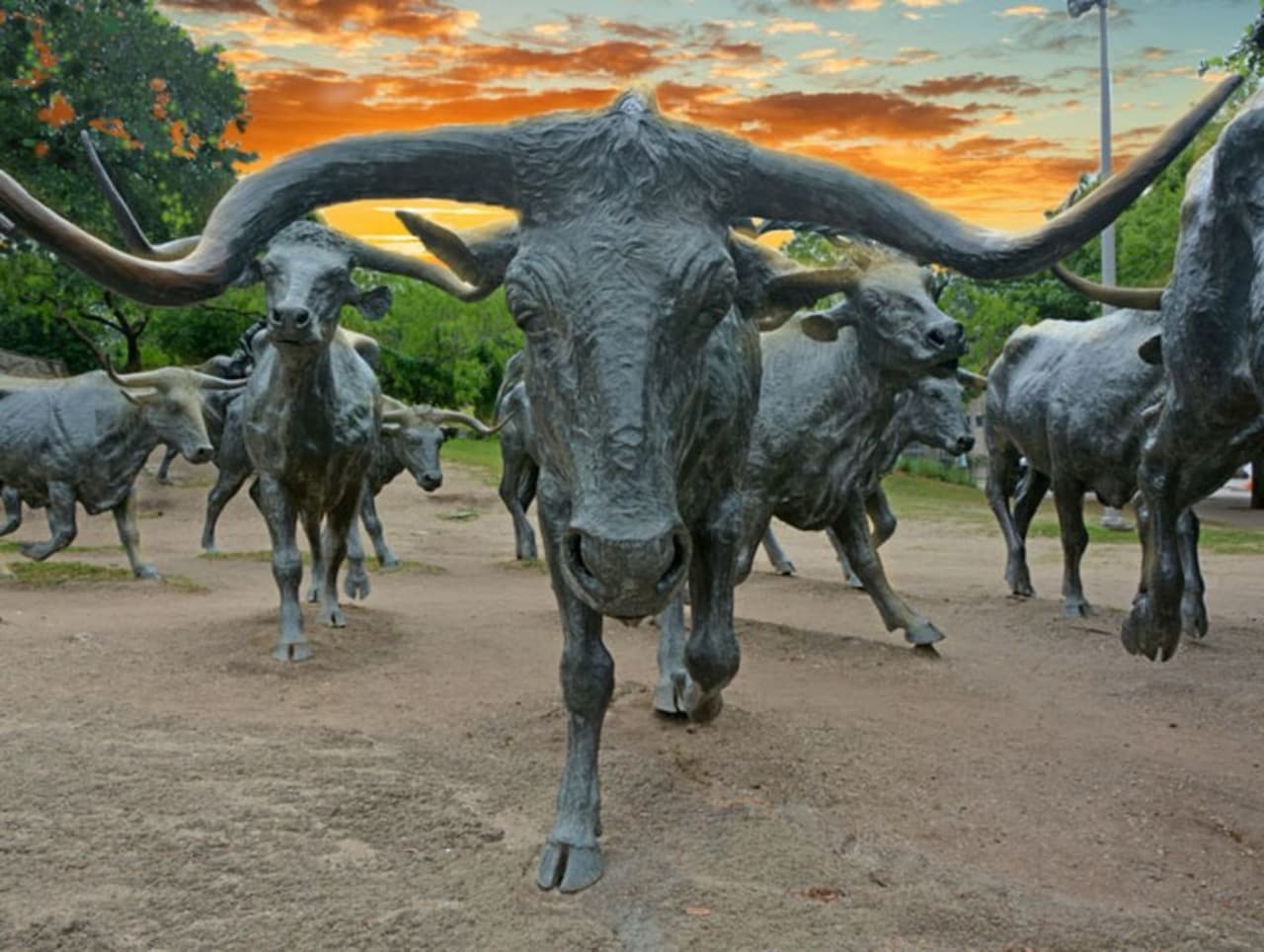
  • Pioneer Plaza, Dallas

    Pioneer Plaza

    A cattle stampede in the middle of downtown: dozens of bronze longhorns moving down hills and streams. It honors the cattle drives, the great 19th-century herds that crossed Texas. Glass-tower Dallas, reminding itself it was once cowboy country.

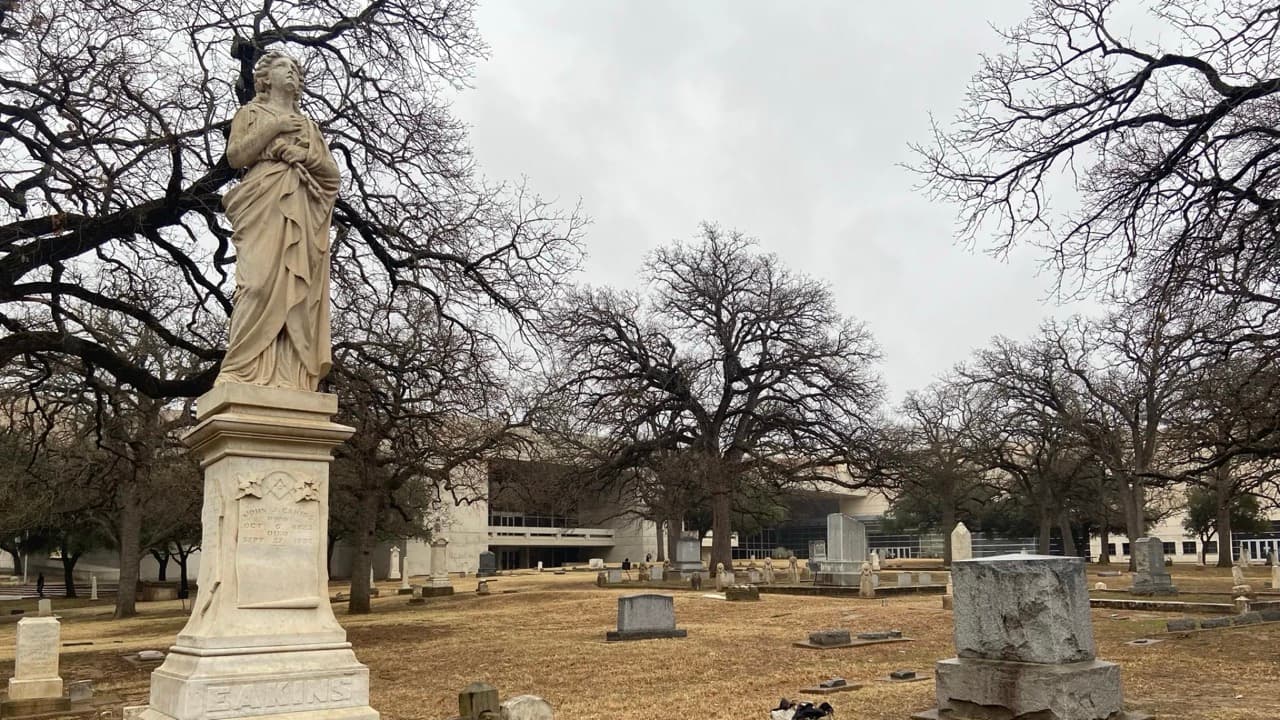
  • Pioneer Cemetery, Dallas

    Pioneer Cemetery

    Behind the downtown bustle, one of the oldest, quietest places in the city. Among worn headstones rests the original Dallas — pioneers, merchants, families — from when this was barely a frontier settlement. Many graves predate the city as you know it.

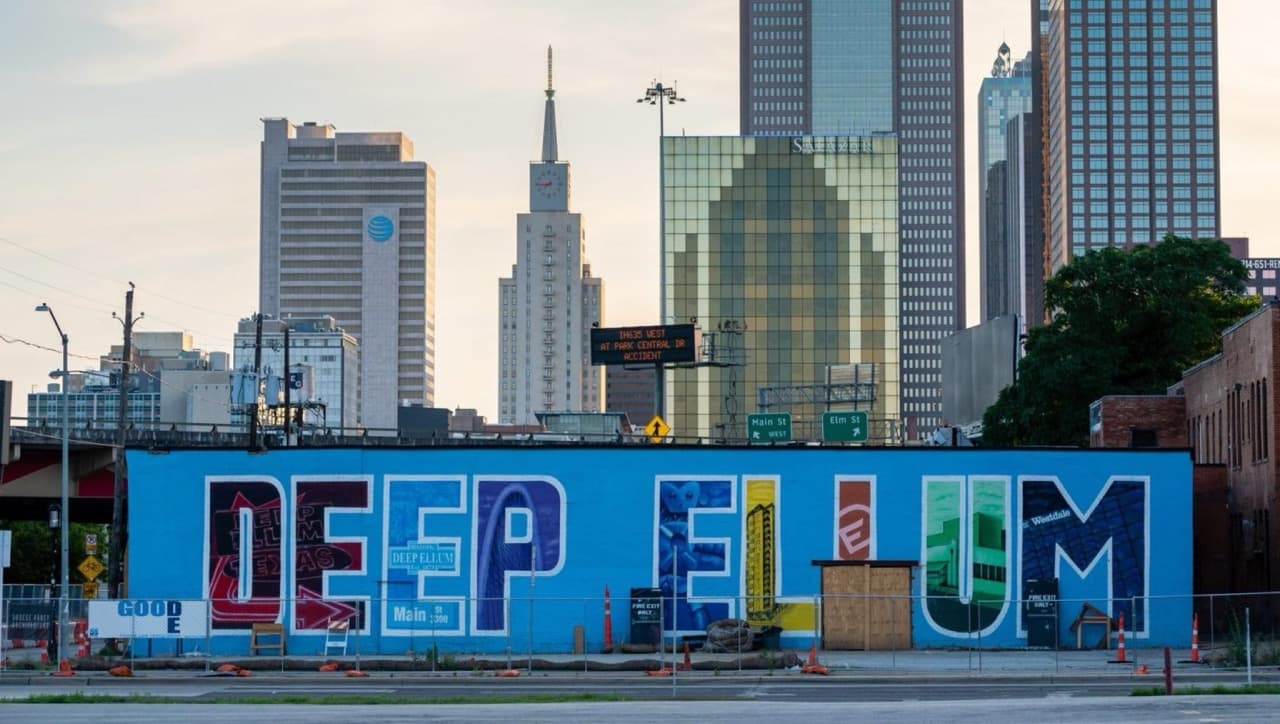
  • Deep Ellum Historic District, Dallas

    Deep Ellum

    Giant murals, music spilling out of bars, old brick warehouses. Deep Ellum is key to Dallas's musical, working-class and African American history — and one of its most authentic neighborhoods. The name is a slurring of "Deep Elm." What played here still echoes.

  • Bishop Arts District, Dallas

    Bishop Arts District

    Small streets, murals, independent cafés, theaters and galleries — the opposite of the corporate downtown. It grew far from elegant Dallas, around a streetcar stop in Oak Cliff, and spent years forgotten. One of the city's most interesting urban turnarounds.

  • Freedman's Cemetery Memorial, Dallas

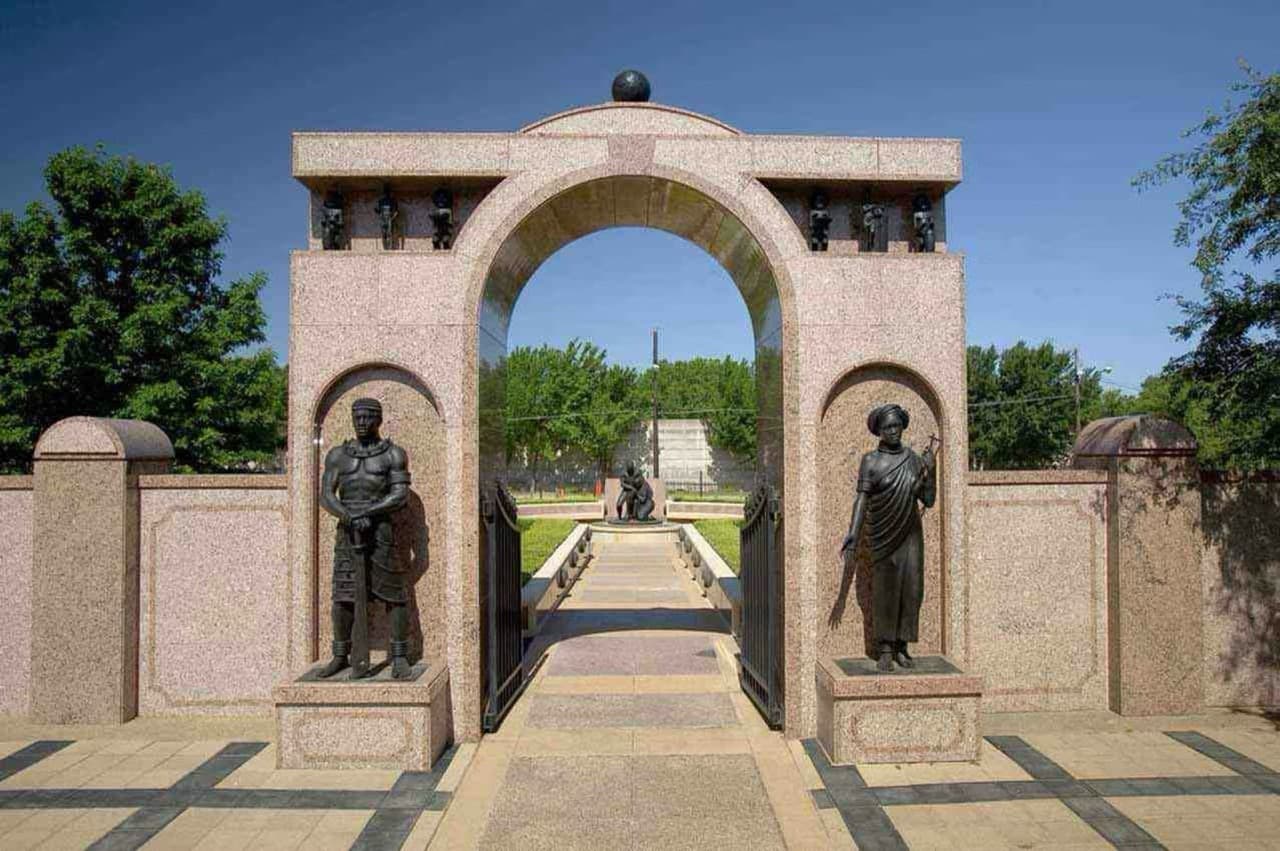
    Freedman's Cemetery Memorial

    Beneath streets and parking lots in north Dallas lay hidden for decades a central part of the city's African American history. Thousands of Black people — many formerly enslaved — were buried here between the late 1800s and early 1900s. "Freedman": a freed person.

  • Dallas Heritage Village

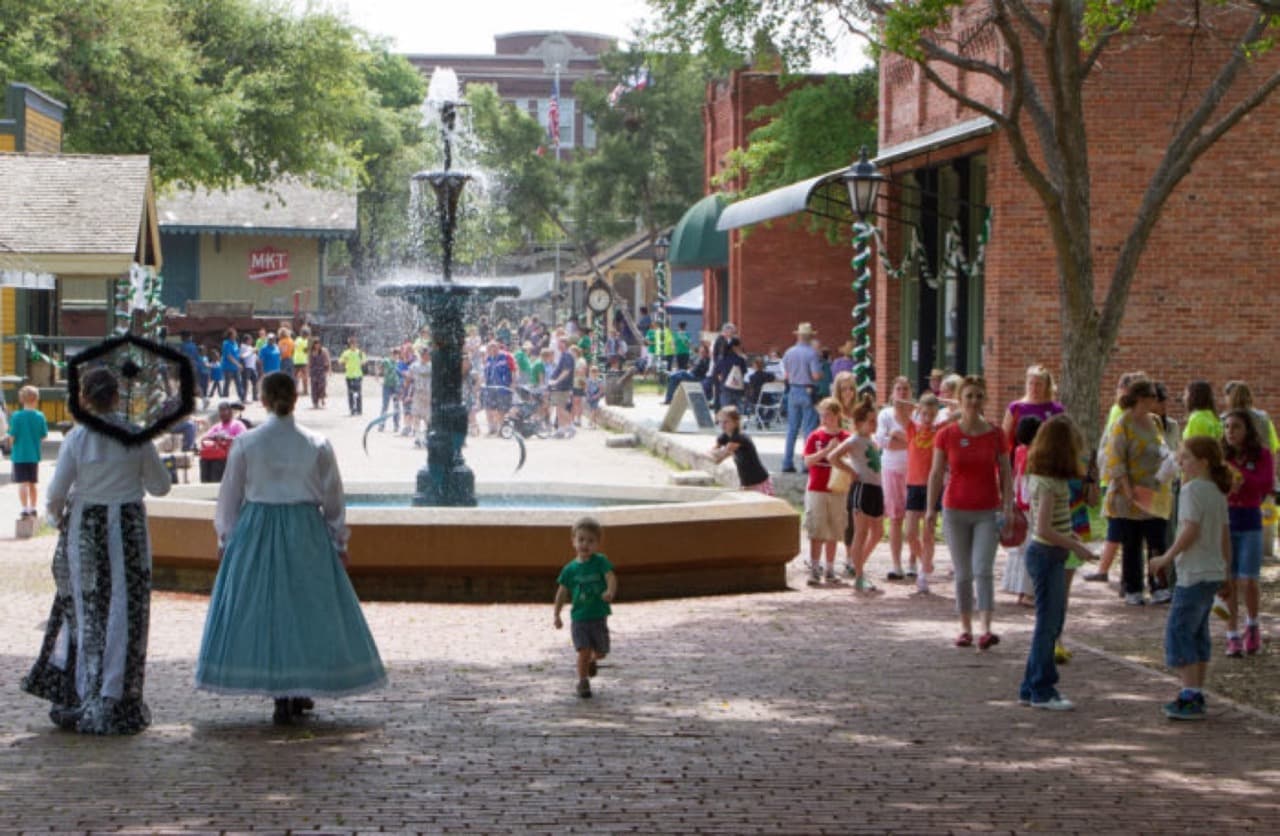
    Dallas Heritage Village

    Among trees and timber buildings survives a Dallas very different from the freeway one: 19th-century North Texas, rebuilt at full scale. Houses, workshops, schools and churches moved here from across the county. You walk straight into the pioneer city.

  • Swiss Avenue Historic District, Dallas

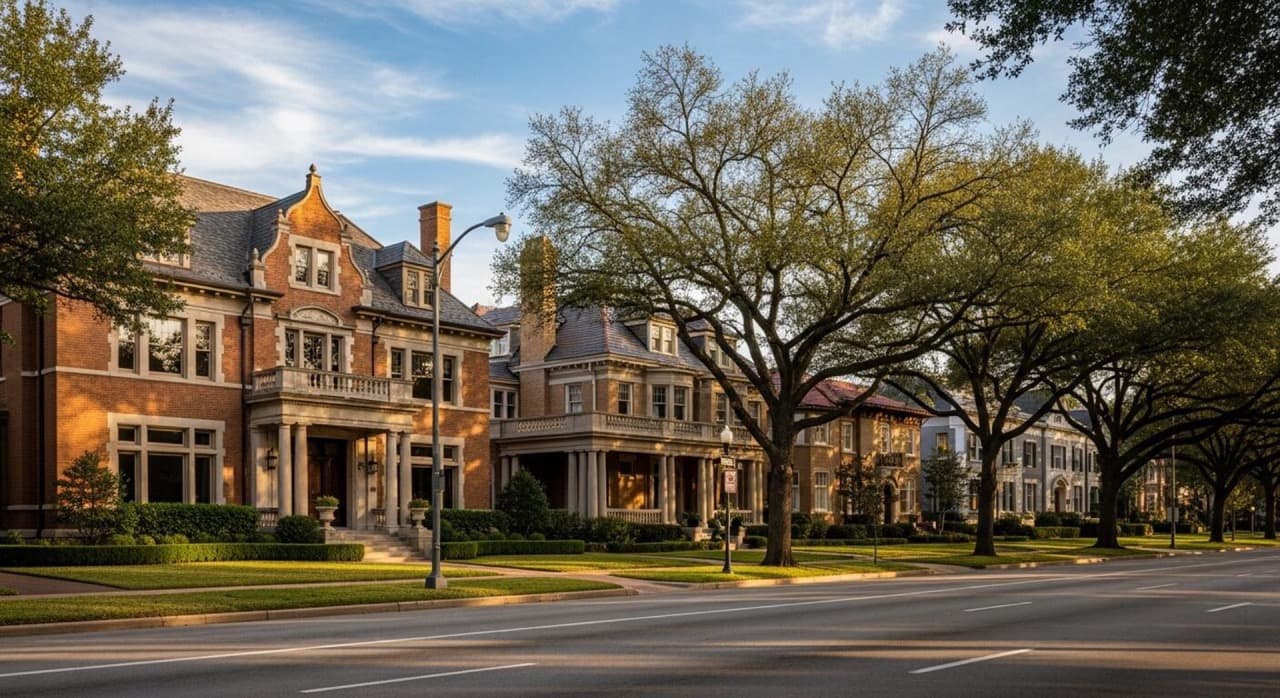
    Swiss Avenue Historic District

    Huge mansions, classical columns, gardens, European inspiration — they look like another city entirely. In the early 20th century, cotton, banks, insurance and oil made fortunes in Dallas. And fortunes wanted to be seen. Here is where they did it.

  • Fair Park, Dallas

    Fair Park

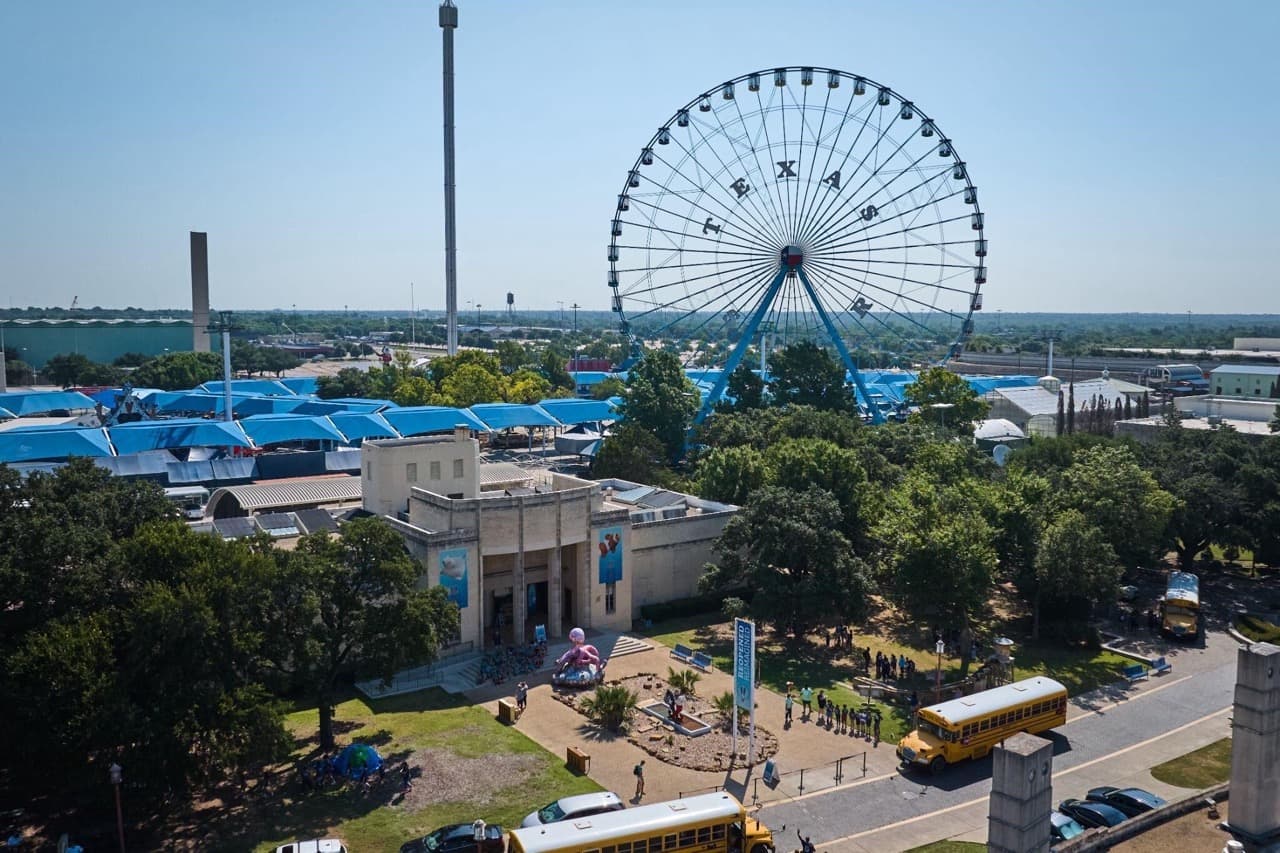
    A strange mix of monumental fairground, 1930s futuristic city and open-air museum. Home of the State Fair of Texas, it had its big moment in 1936: the Centennial Exposition of Texan independence. Art déco on a statewide scale.

  • Hall of State, Fair Park, Dallas

    Hall of State

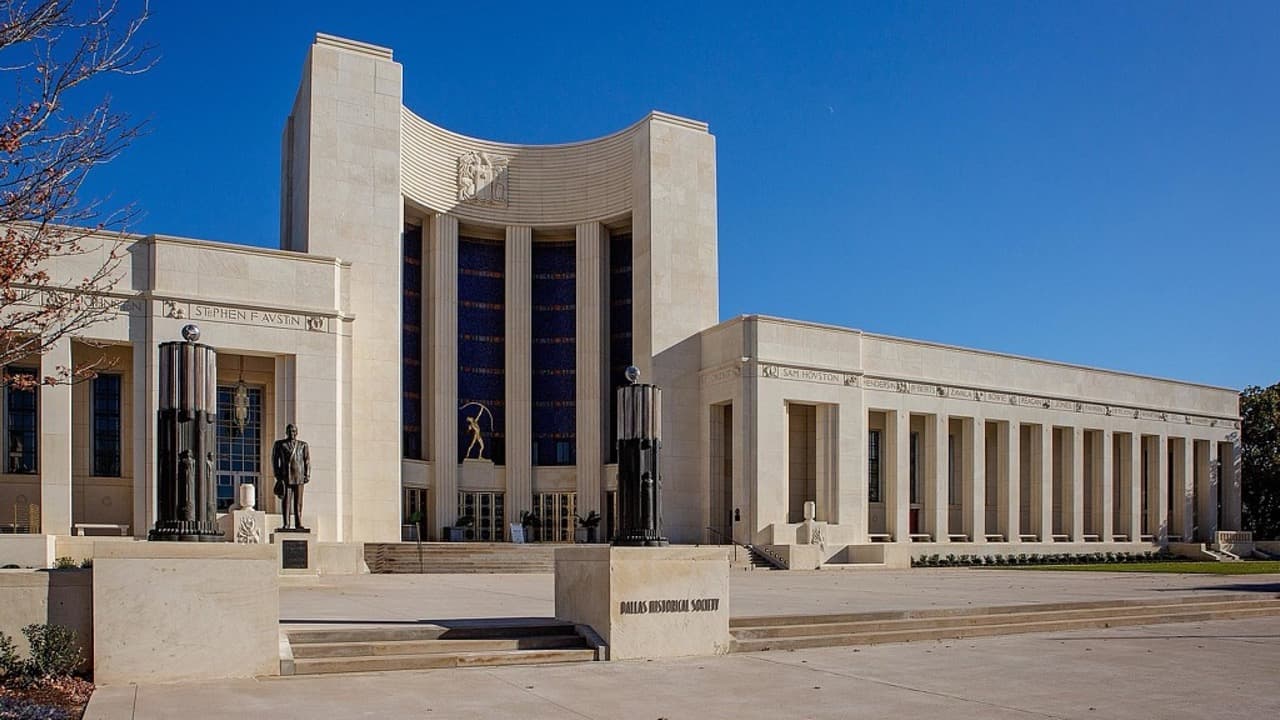
    Among Fair Park's buildings, the one that most concentrates Texan pride. Stone reliefs, monumental scale, all built to convey one idea: Texas. Opened in 1936 as the centerpiece of the centennial of independence from Mexico.

FAQ

About Dallas on Ruthy

Lucas Botta, creator of Historia en Podcast. Researched and narrated by a person, not AI-generated.

Pick Dallas, head out with headphones, and you press play when you reach each place. It's a compass, not a GPS: you wander and discover, with no one dictating a route.

Yes. In this version the stories stream, so you need a connection while you walk (data or an eSIM). In exchange, it takes up no space on your phone.

Yes. Dallas is one of the host cities. Between matches you can walk downtown — Dealey Plaza, the Sixth Floor Museum, Deep Ellum — with the city's history in your ear, at your own pace.

17 spots: from the skyline and the JFK memory to Fair Park, Deep Ellum and the historic neighborhoods, plus a seven-chapter general history of the city.

As much as you like. Each audio runs a few minutes: do downtown in a morning, or stretch it across several days adding Fair Park, Oak Cliff and Swiss Avenue.

Real reviews

What Ruthy users say.

  • An original and very interesting proposal to discover cities in a different way. It's very easy to use, has a clear interface, and the stories are well narrated. I liked that it lets you explore at your own pace and choose what places to visit by proximity or interest. Without a doubt, it's an entertaining and educational option — ideal for tourists or to rediscover your own city.

    Jaz GonzálezApp Store
  • I used it on my trip and the descriptions, details, and information it provides are excellent. Highly recommended!

    Ale CarbaApp Store
  • This app is wonderful — it shows you everything you need to know about any place you visit.

    Lisandro HedinGoogle Play

Start with Dallas

You don't just see Dallas. You understand it.

Download Ruthy free and walk Dallas with all 17 stories activating in real time, right where it all happened.

Free · no ads · iOS and Android

Download Ruthy free