
Skip to content
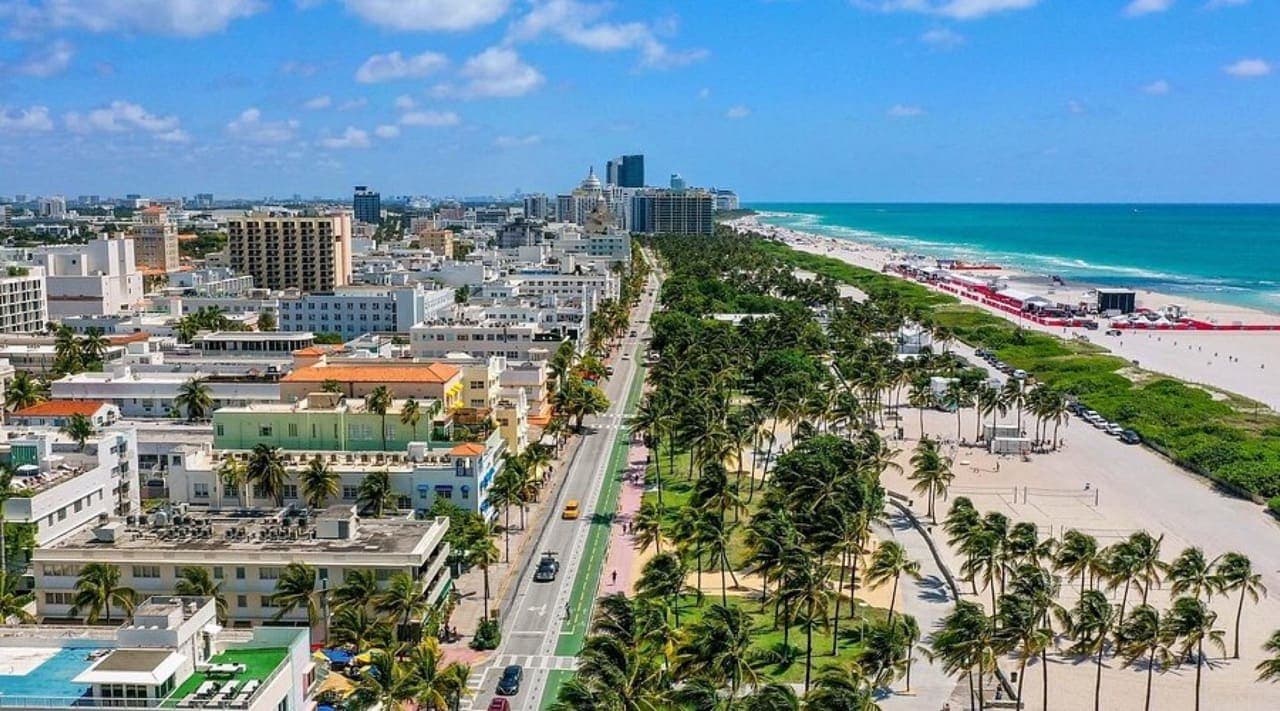
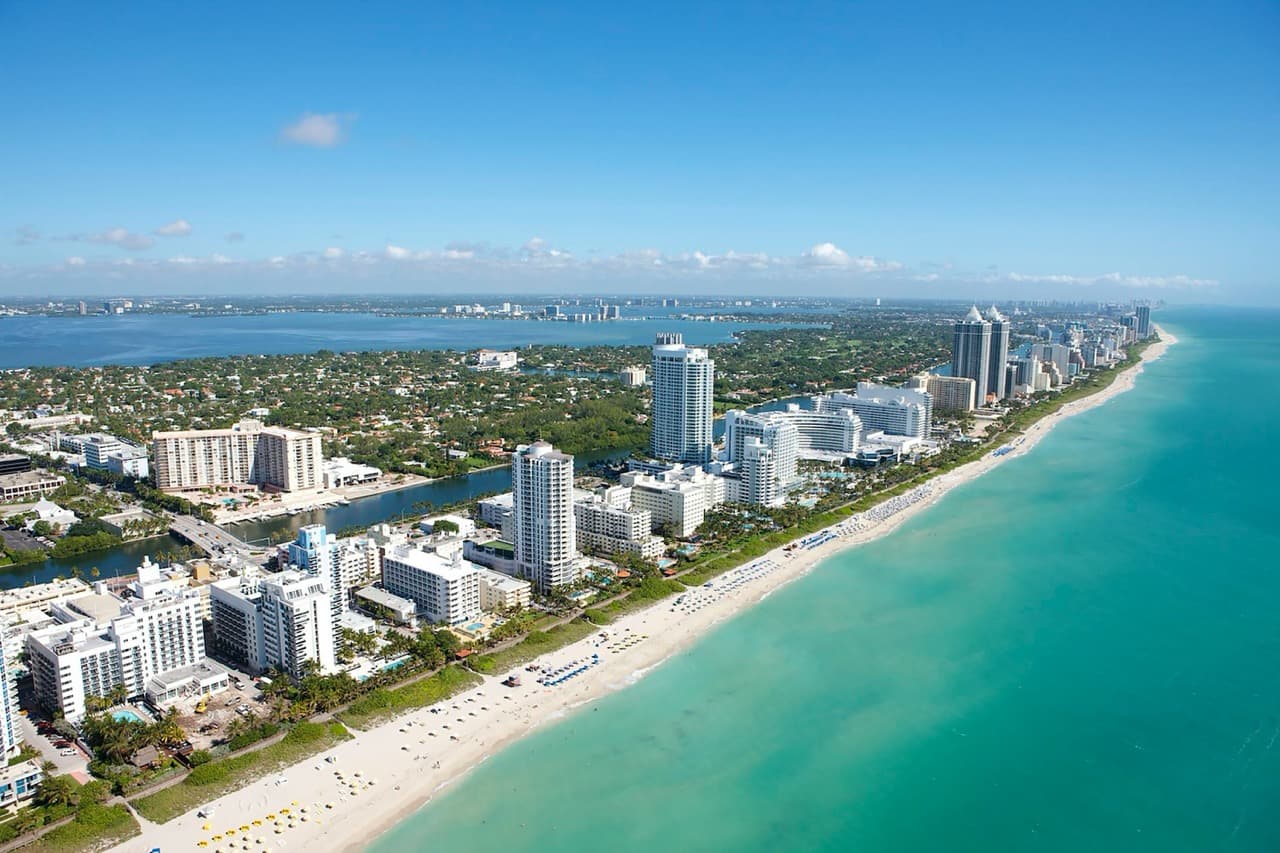
Aerial view of Miami Beach and its coastline

United States · 22 places · 27 stories

Free Miami audio guide — 22 historic places

Don’t visit Miami.
Understand it.

From the Tequesta's river to the city a woman willed into being, and from Art Deco to Cuban exile: how three hundred people became the place where Latin America meets the United States.

Free · no ads · iOS and Android

Updated: July 2026

Miami in depth

Miami looks brand-new. But its history began long before the city did.

Ruthy shows you Miami through 22 real places, narrated by Lucas Botta (Historia en Podcast) at the exact spot where each story happened. No group tour, no schedule, no shared headphones. Just you, the city, and a story that starts when you arrive and press play.

Miami deceives. It looks like a city without a past — glass towers and postcard beaches. But its history began long before the city did: two thousand years ago, beside a short river that's still there. It wasn't born from a mine or a decree, but from the stubbornness of a woman and a railroad. Then came the boom, the hurricane, the Depression, and a city that learned to reinvent itself every time it fell. In 1959, Cuban exile made it Latin. With Ruthy you don't tour it like a theme park: you walk it understanding why so many layers share the same sun.

Deep-dive walks

Places told chapter by chapter.

We don't just tell you what it is. We tell you why it matters, how it was built, what happened inside, and how it became what it is today.

Aerial view of Miami Beach and its coastline
6chapters

History of Miami

Before the towers and the Art Deco, this was a river, a bay and a town of three hundred people. From there came the railroad that invented it, the boom that filled it, the exile that made it Latin, and today's global city. Six chapters on why Miami is older than it looks.

All 6 chapters

  1. Before Miami: the Tequesta and the tropical frontier
  2. Julia Tuttle and the birth of Miami
  3. Tourist boom, Art Deco and the city of the sun
  4. The Cuban Revolution and the Latin city
  5. Globalization, finance and world city
  6. Miami today: between paradise and the challenges of the future
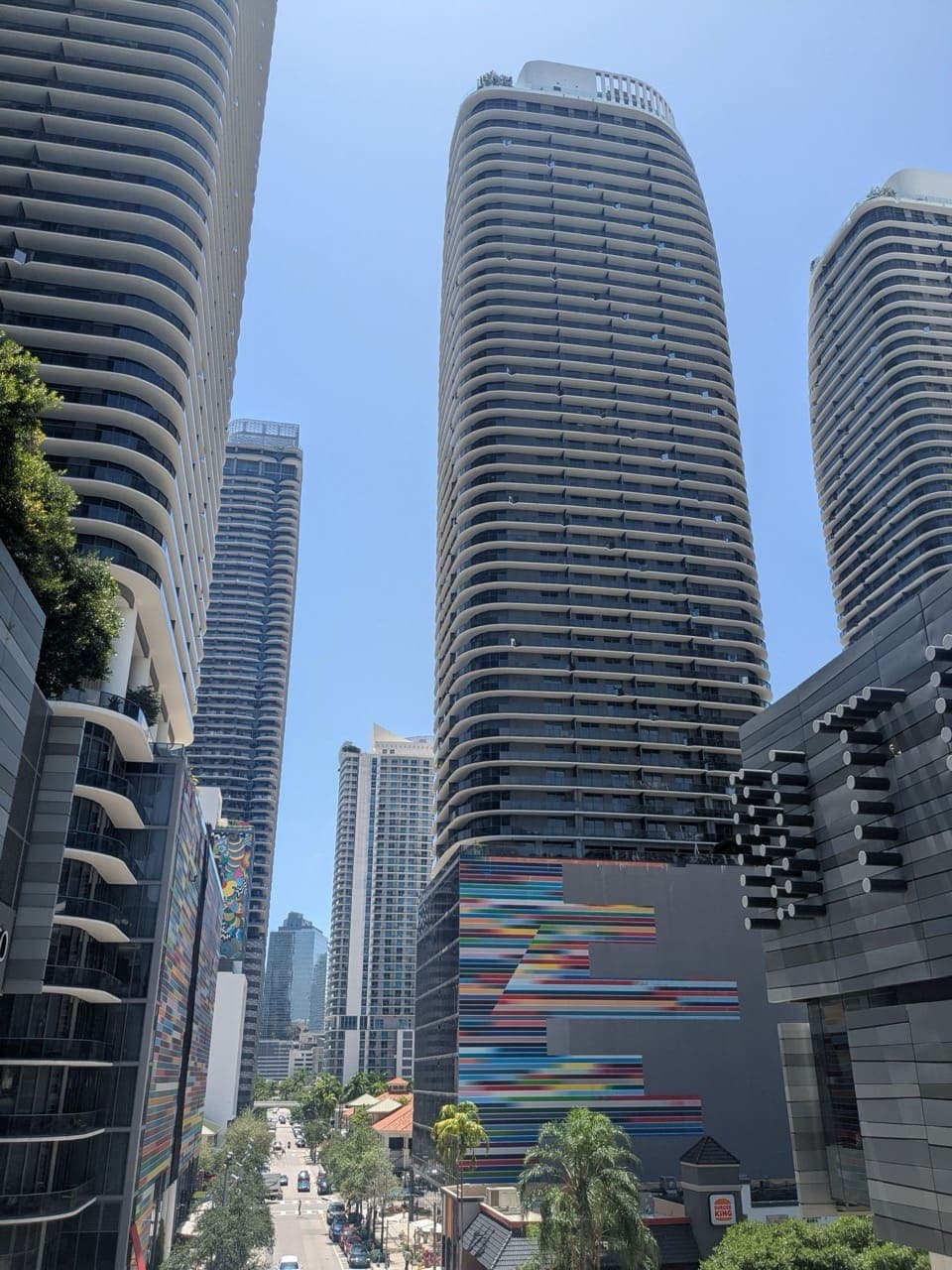
All 22 places

Everything you'll find in Miami.

Each place with its own story, narrated right where it happened.

  • Downtown Miami

    Downtown Miami

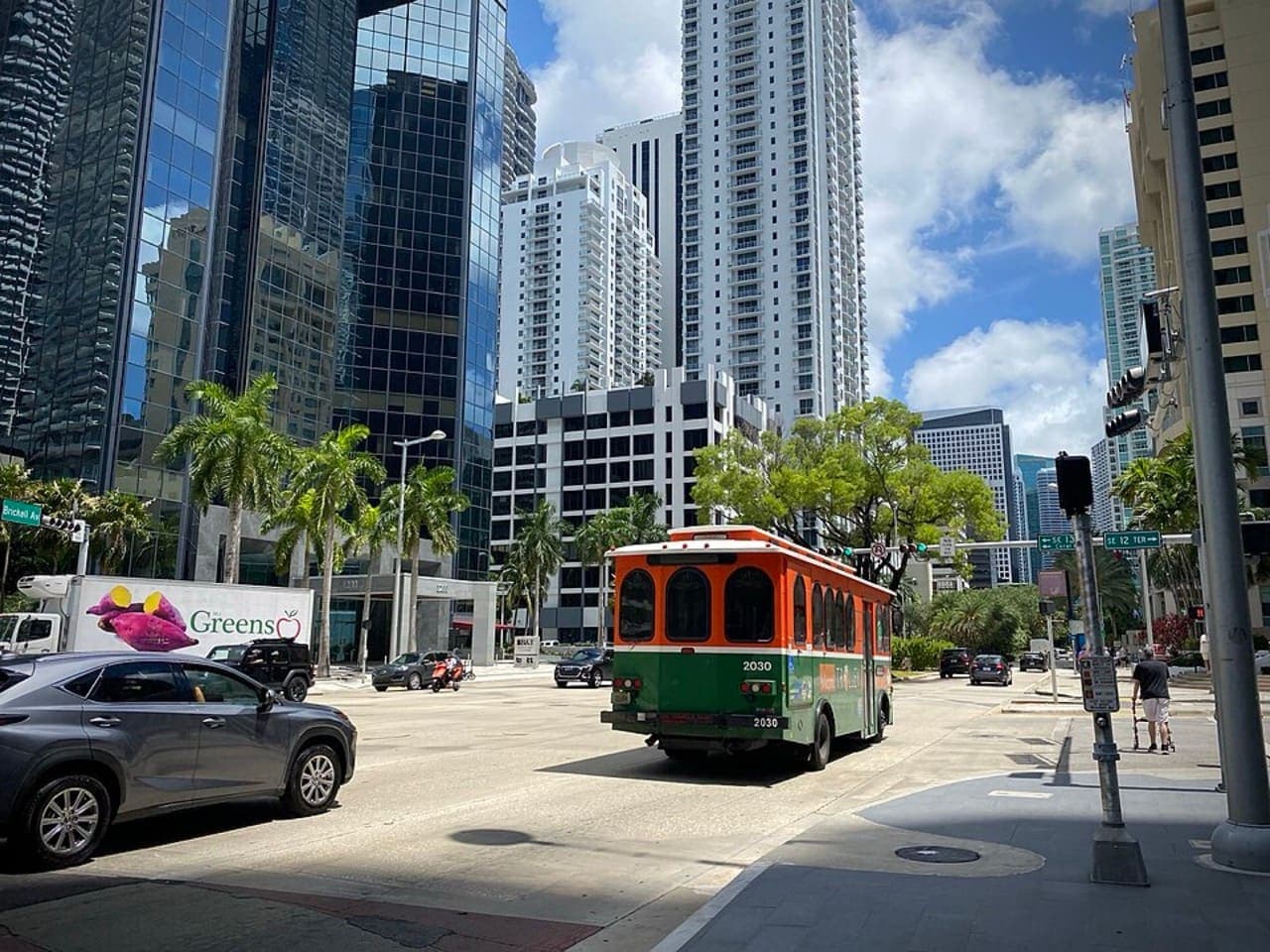
    Amid skyscrapers and traffic, this is where Miami was incorporated as a city, in 1896, beside the river. It's hard to believe how small it was then. The river is exactly where it always was; almost everything else changed. By how much, the audio surprises you.

  • Freedom Tower, Miami

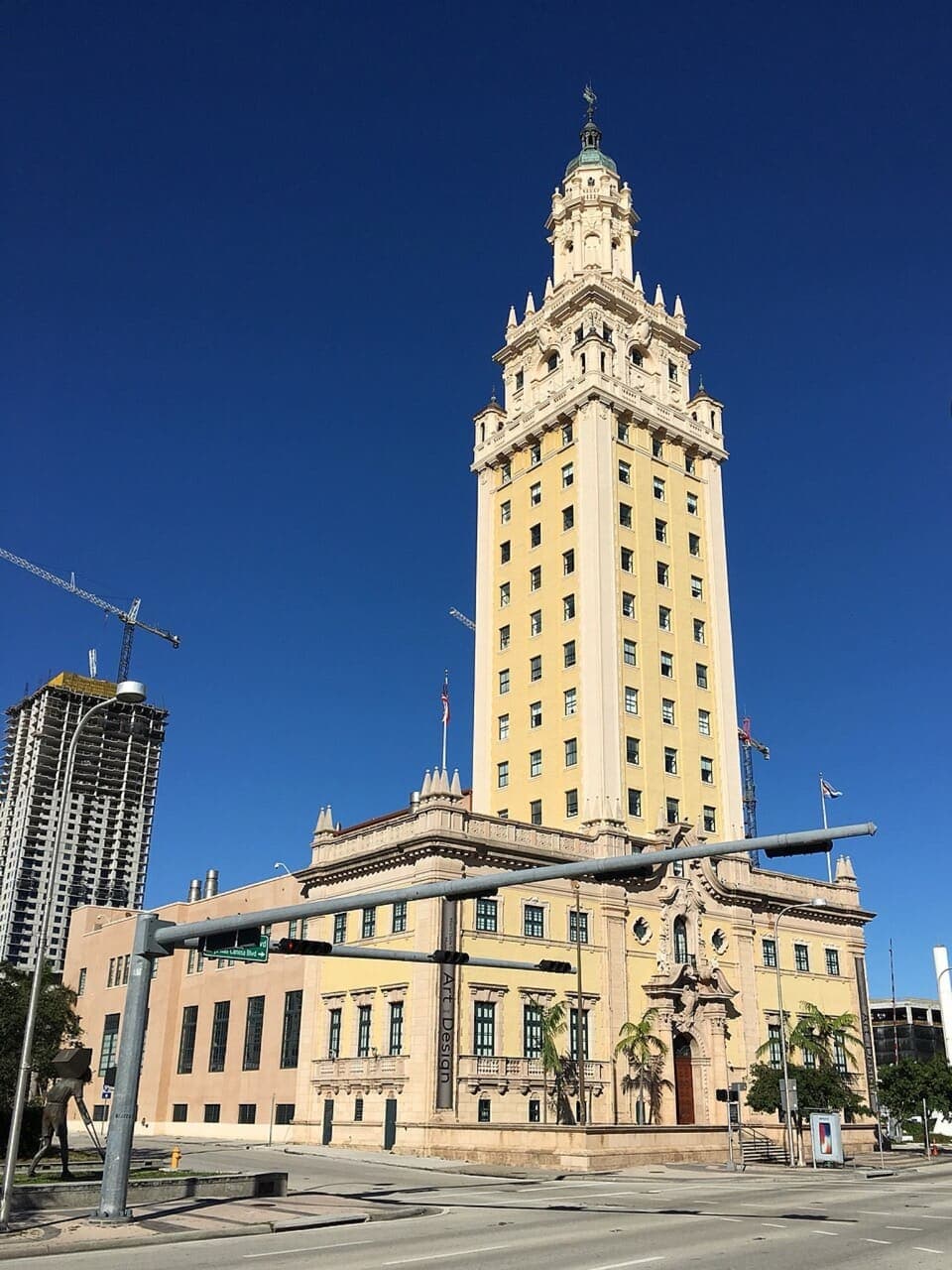
    Freedom Tower

    A tower inspired by Seville's Giralda, opened in 1925 for a newspaper. But what made it a symbol came later, when Cuban exile crossed the strait. They call it "the Ellis Island of the Cubans." Why — and what happened inside these walls — is in the audio.

  • Bayfront Park, Miami

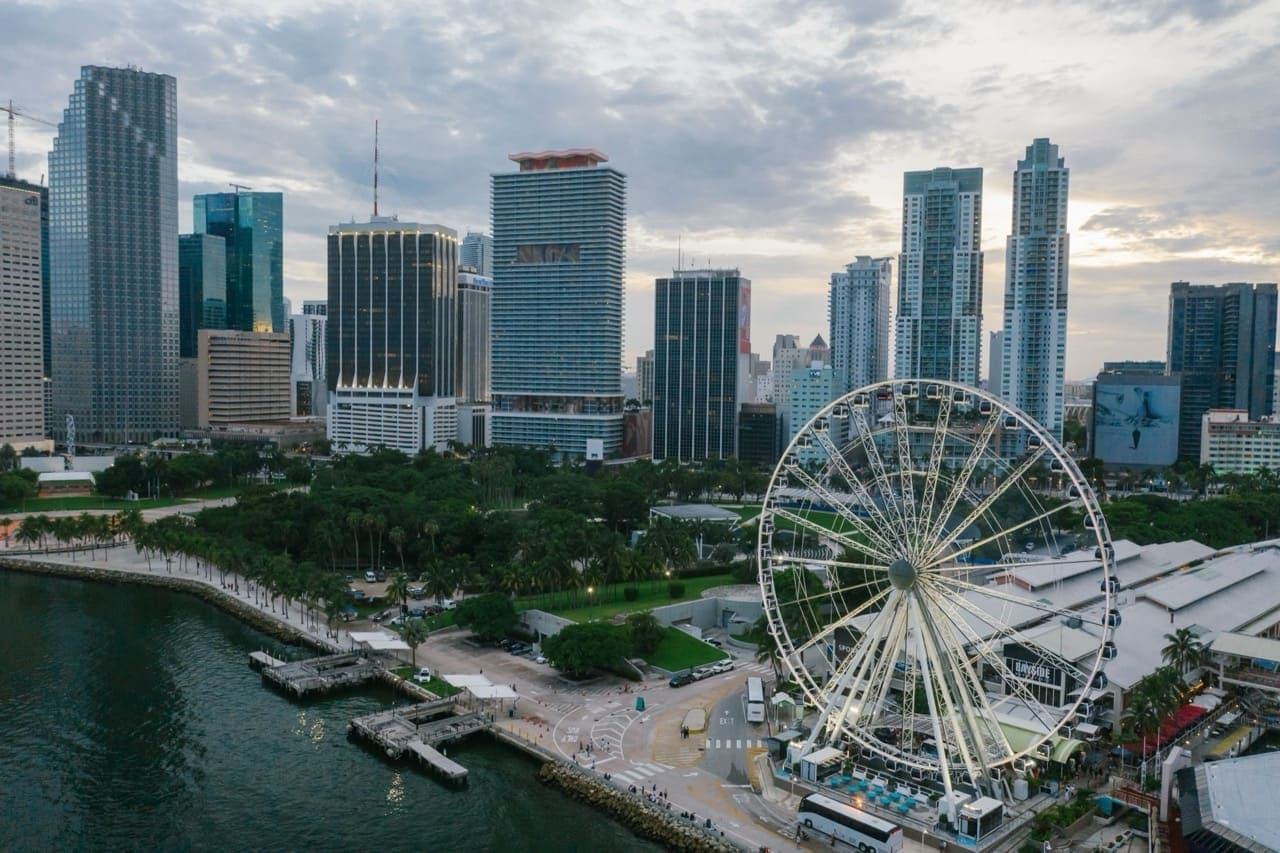
    Bayfront Park

    A park open to the bay, right downtown. It looks like it was always here, but the ground you walk was taken from the sea. It opened in 1925, and a year later a hurricane battered it. Among its monuments, the bay is still Miami's true gateway. How, in the audio.

  • Miami River and the Riverwalk

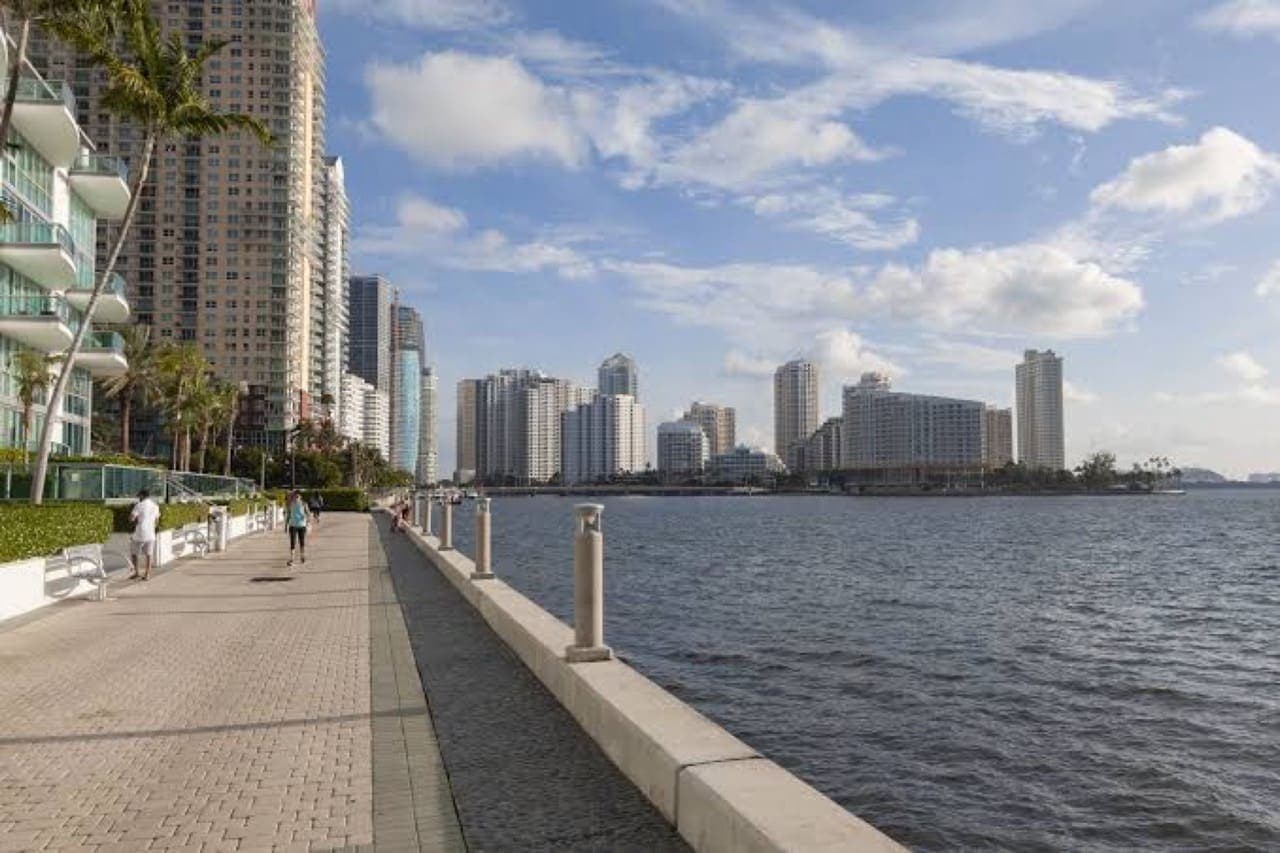
    Miami Riverwalk & Miami River

    A walk that traces the river. If you had to pick the spot where Miami began, you'd start here. Lived in for centuries before the city, it's now a working port wedged among financial towers. One detail about this river goes unnoticed, and changes everything. It's in the audio.

  • Miami Circle Archaeological Site

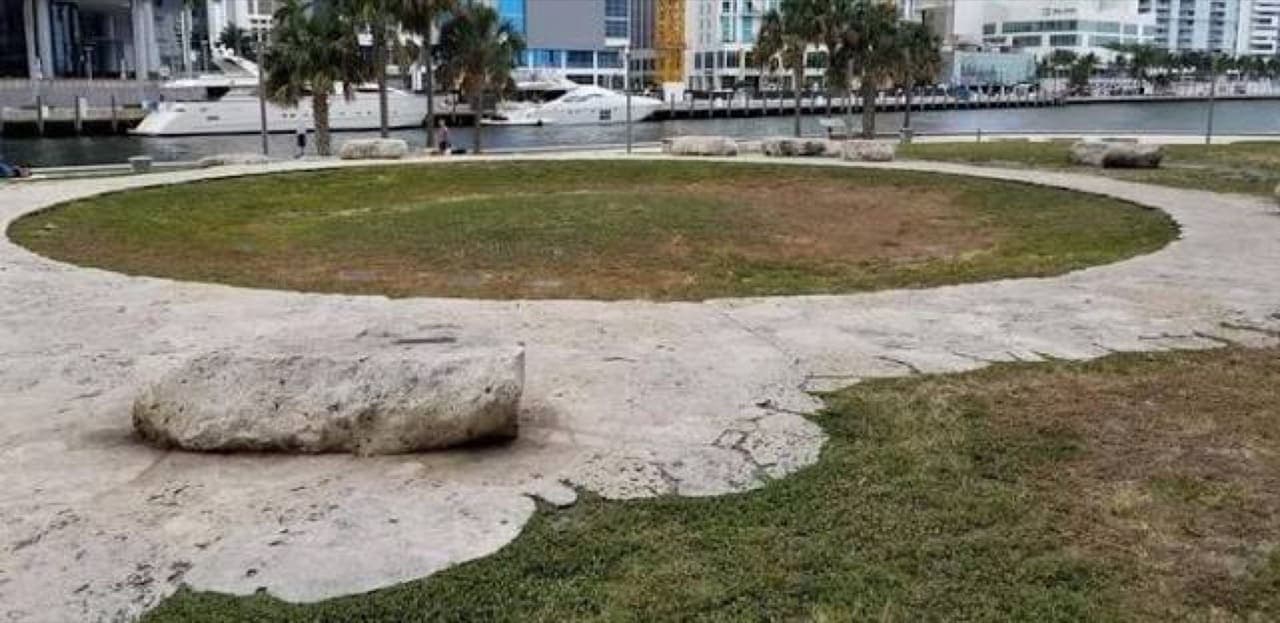
    Miami Circle

    At the river's mouth, a circle carved into bedrock some two thousand years ago. It was found in 1998, almost by chance, while clearing ground for a building. Who made it, and why? The answer forced a rethink of everything assumed about the Tequesta. We open it in the audio.

  • Brickell Avenue, Miami

    Brickell Avenue Historic District

    Today it's the financial district, Miami's answer to Manhattan. Before, it was "Millionaire's Row," a line of mansions along the river. The name comes from a pioneer family — and from a woman history credited far less than she deserved. Who she was is in the audio.

  • Gesu Church, Miami

    Gesu Church

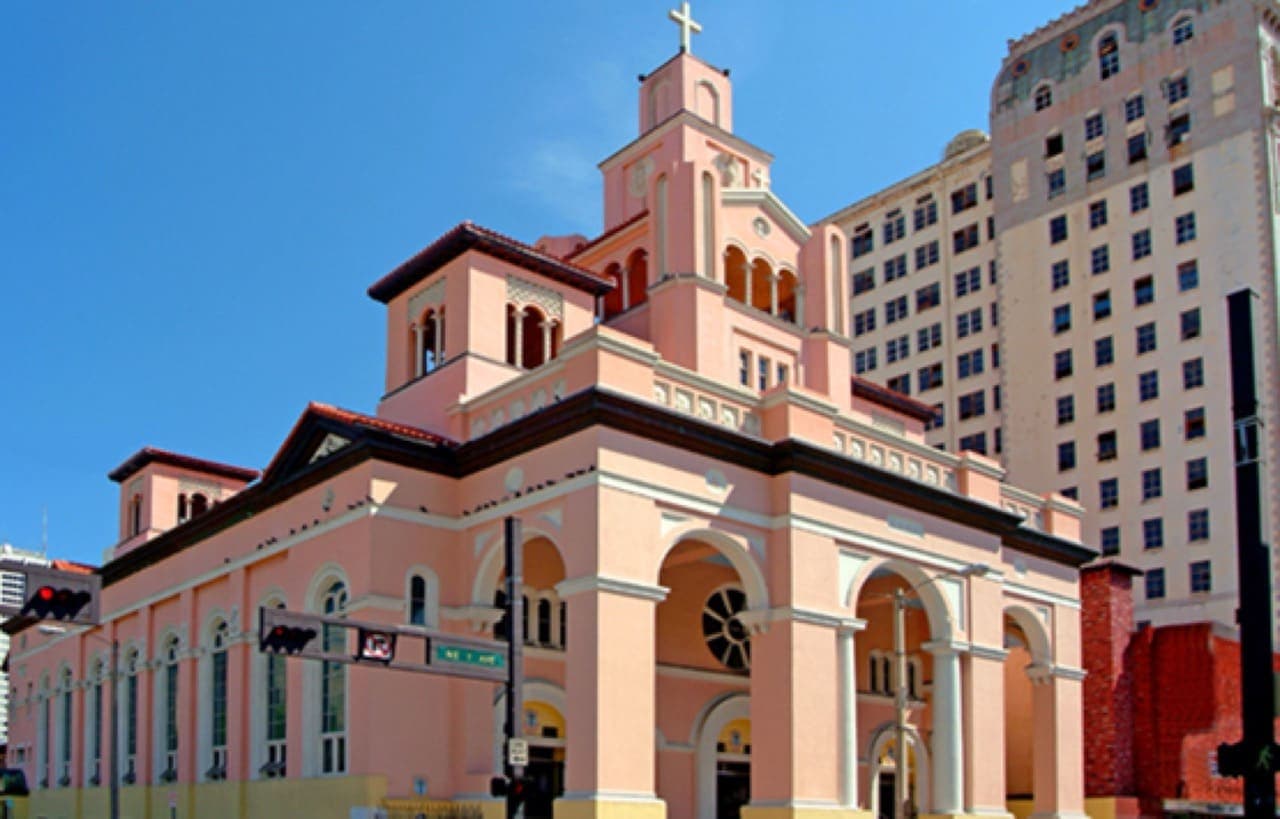
    The oldest Catholic parish in Miami: born in 1896, the same year as the city; the present church dates to the 1920s. Its bell tower once ruled the sky; now the towers ring it. That coexistence says something about Miami. What, in the audio.

  • HistoryMiami Museum

    HistoryMiami Museum

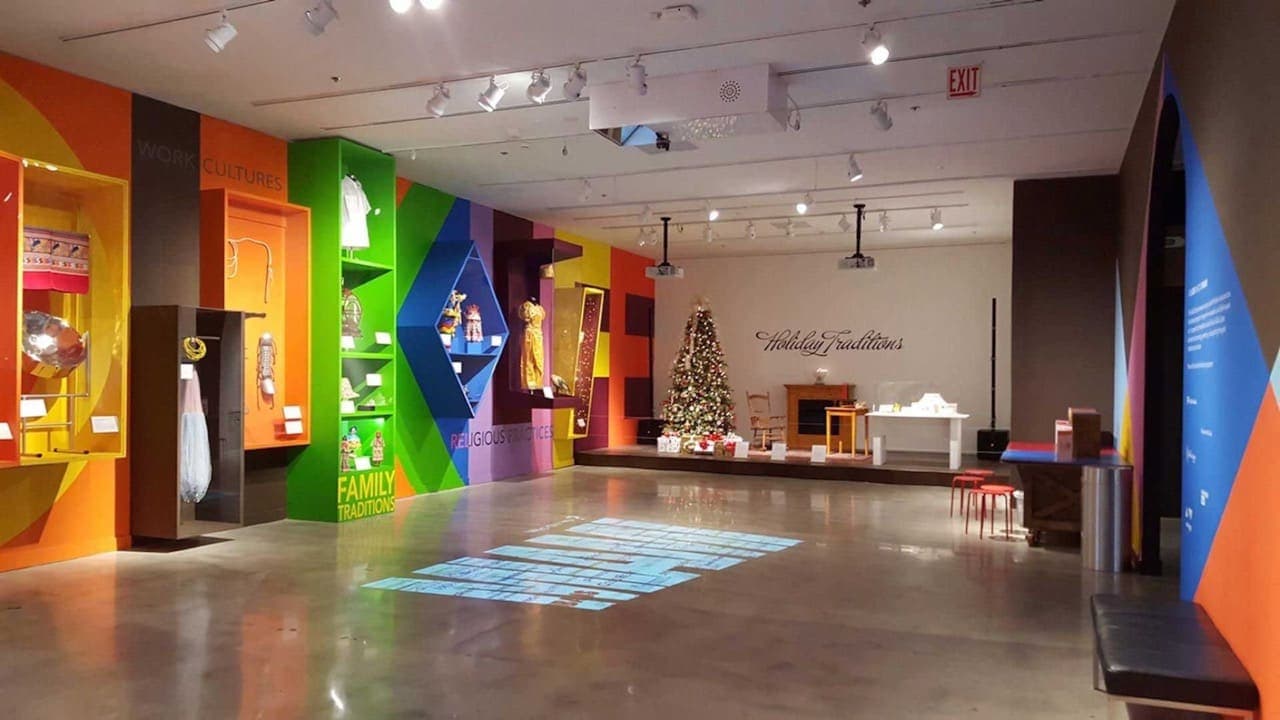
    Behind Miami's modern image lies a story far longer than most imagine, and this museum is where the city tries to understand itself. Founded in 1940, it gathers maps, photos, boats and the voices of every community that arrived. A good place to begin the walk — or to close it.

  • Little Havana, Miami

    Little Havana

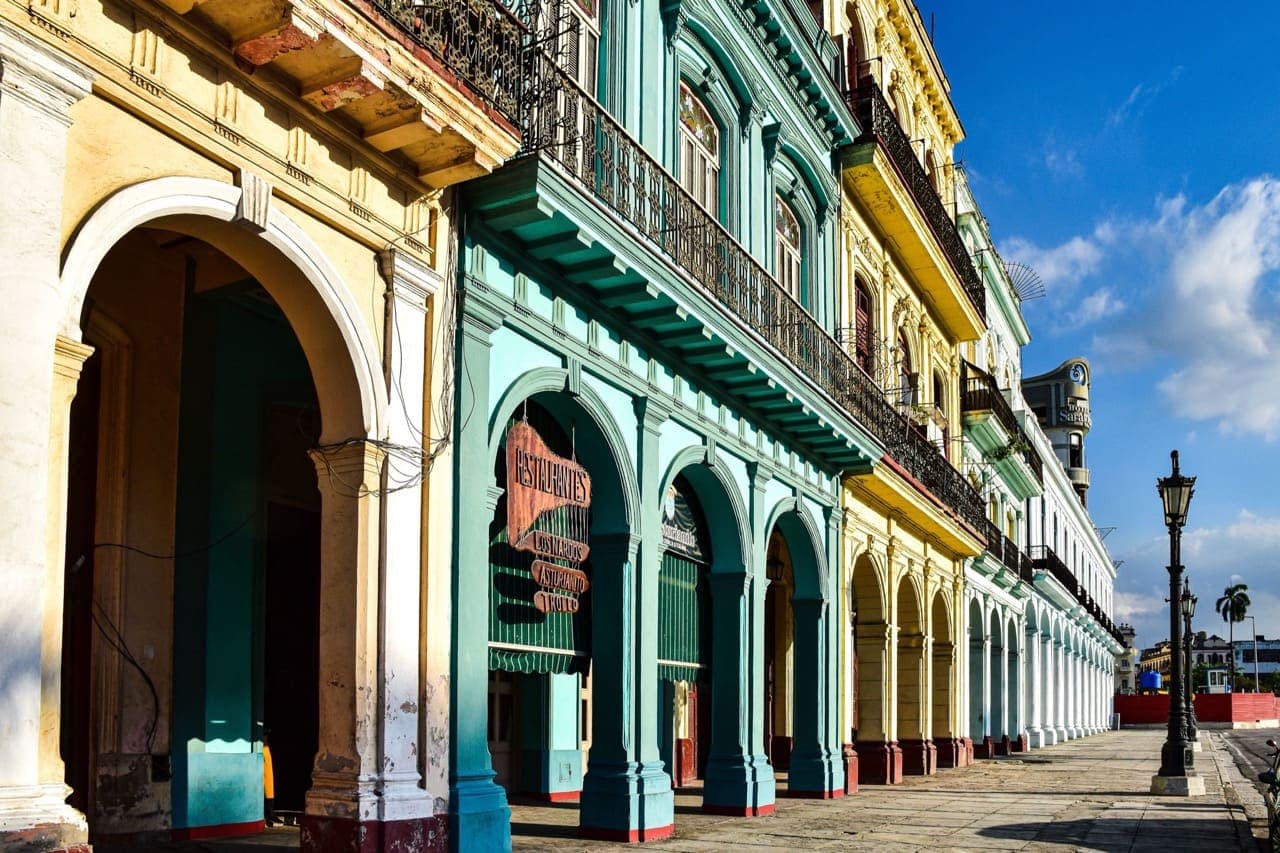
    The cultural heart of Cuban America: coffee, music and dominoes along Calle Ocho. But this neighborhood wasn't born Cuban. The people who transformed it arrived certain their exile would last months. What happened next changed the barrio — and changed Miami. In the audio.

  • Calle Ocho Walk of Fame, Little Havana

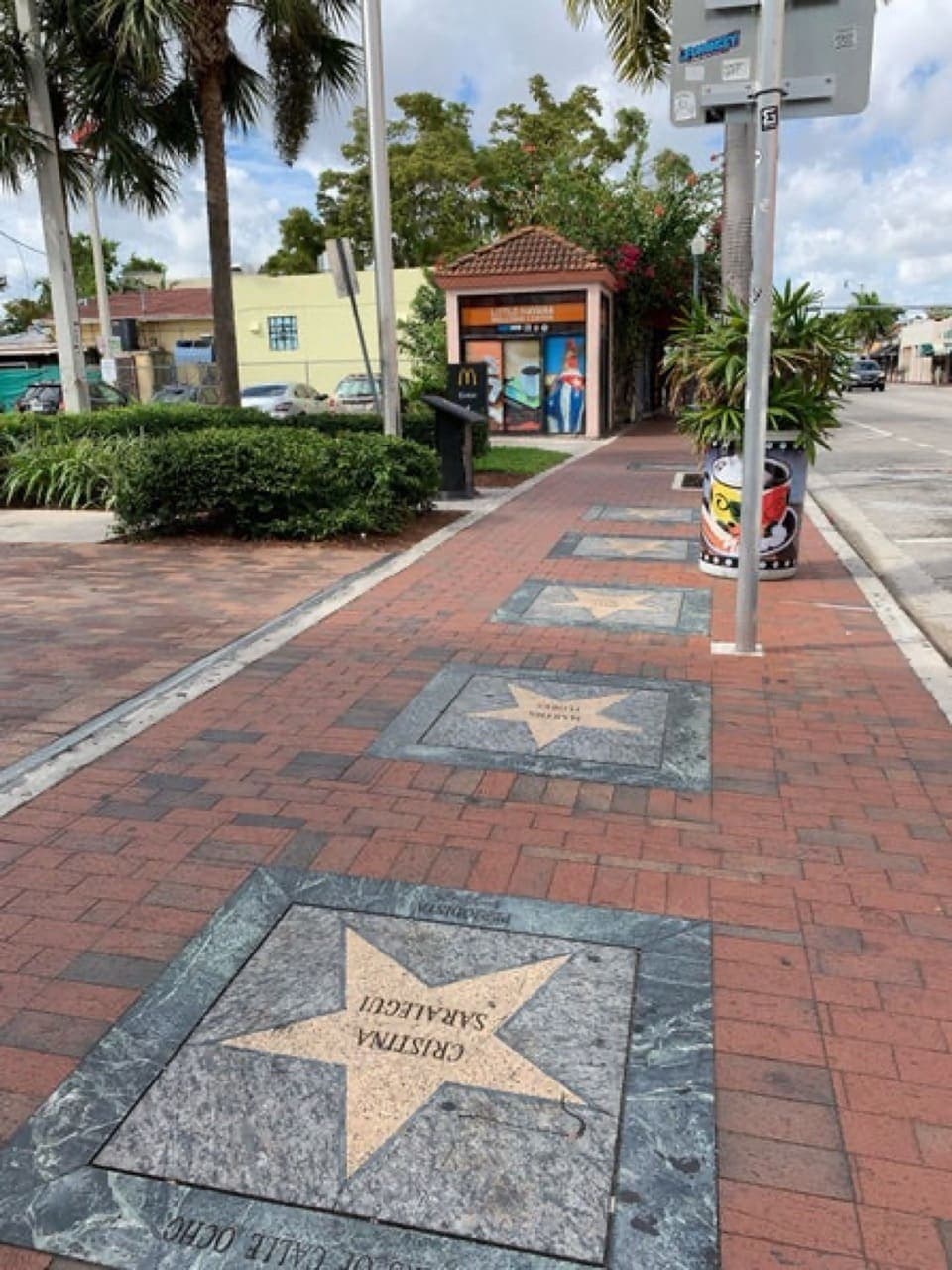
    Calle Ocho Walk of Fame

    Along the Calle Ocho sidewalk, bronze stars bearing names like Celia Cruz and Gloria Estefan. It resembles the Hollywood walk, but there's a difference that surprises. And behind almost every name lies one shared experience. What it is, we tell as you walk.

  • Máximo Gómez Park (Domino Park), Little Havana

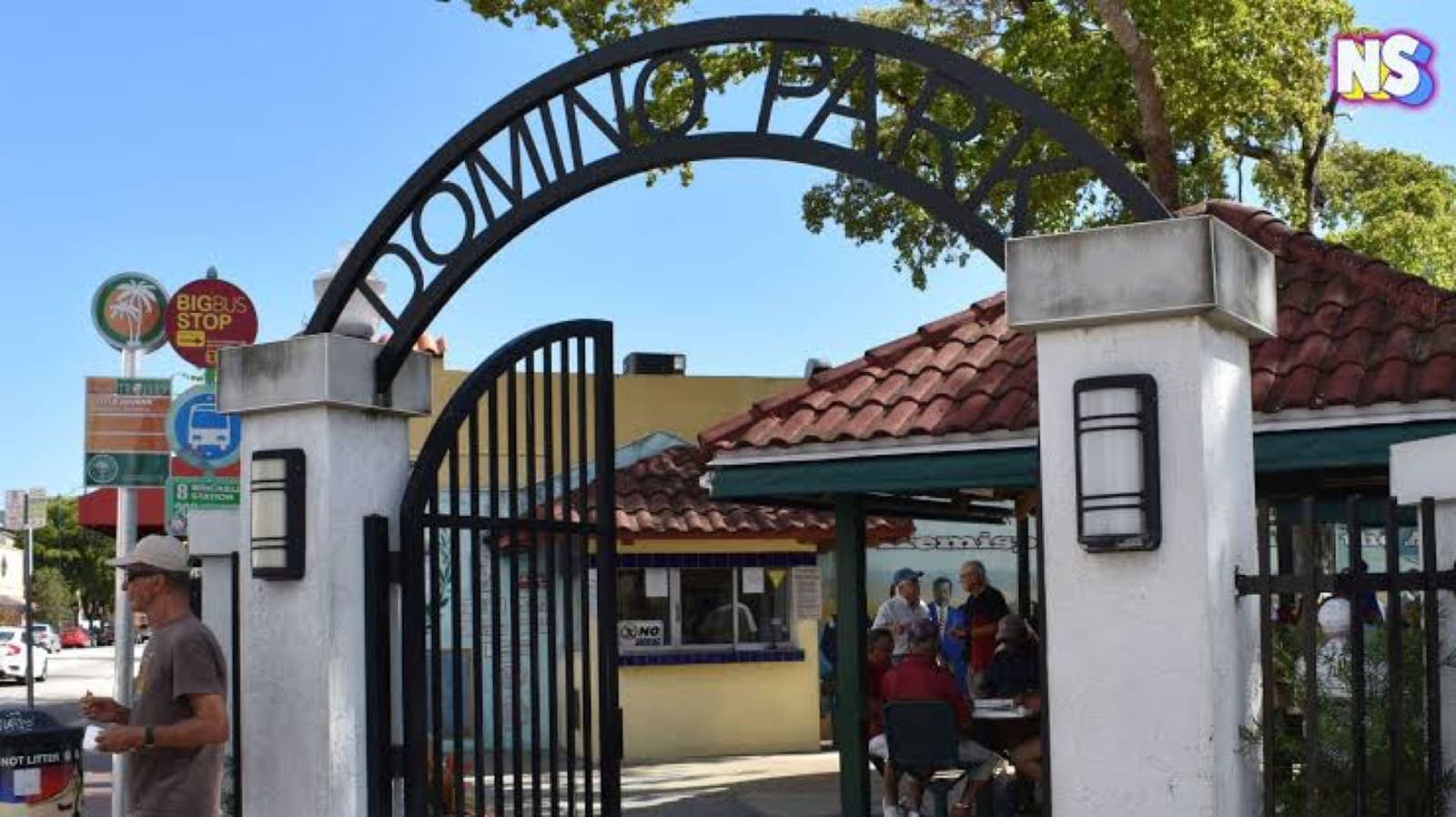
    Máximo Gómez Park (Domino Park)

    Its official name honors a general of Cuban independence. But almost no one calls it that — and there's a reason. Here exiles have played dominoes since the 1970s, every single day. To sit at those tables, there's a curious rule. What it is, in the audio.

  • Vizcaya Museum & Gardens, Miami

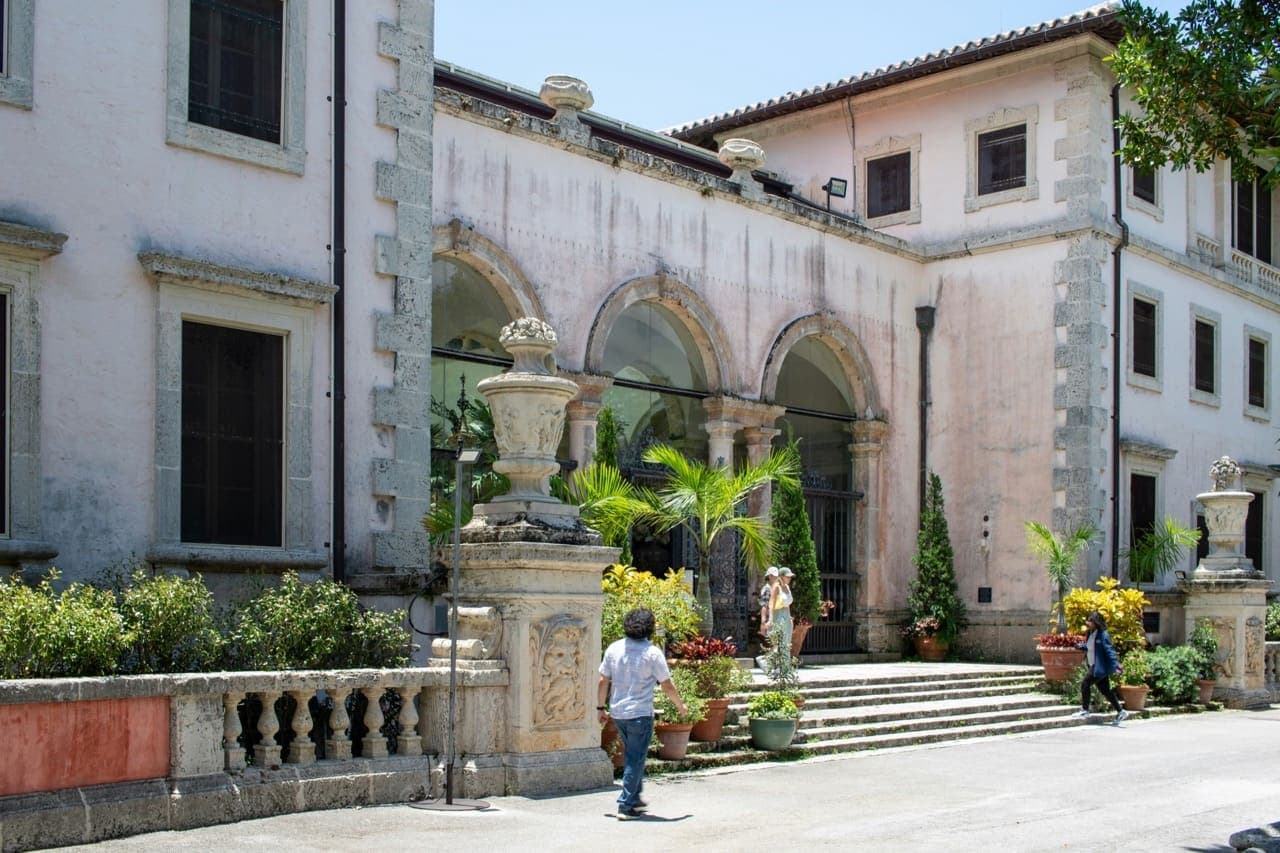
    Vizcaya Museum & Gardens

    An Italian-Renaissance villa opening onto the bay, with gardens that feel like another continent. James Deering built it between 1914 and 1916, when Miami was still fighting to become a city. He didn't want a luxury home — he wanted something else. What Deering was after, we tell you inside.

  • Coconut Grove, Miami

    Coconut Grove

    Miami's oldest continuously settled neighborhood: it existed before the city did. Bohemian, tree-shaded, with the soul of a port. Its first hotel opened in 1887. But who really built it is a story rarely told — and it changes how you see the Grove. It's in the audio.

  • The Barnacle Historic State Park, Coconut Grove

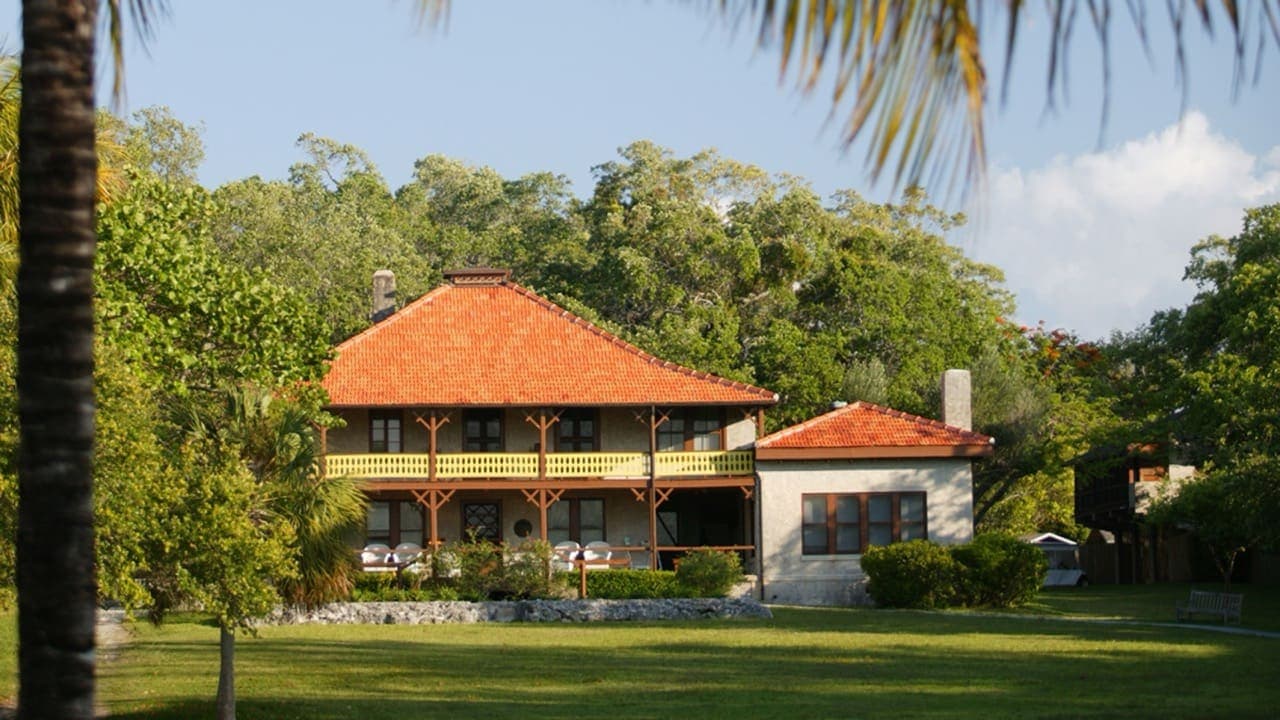
    The Barnacle Historic State Park

    One of the county's oldest houses, from 1891, still on its original spot. Ralph Munroe built it: sailor, photographer, naturalist. When the railroad came and everyone sold to get rich, he did exactly the opposite. Why — and how he designed this house — is in the audio.

  • Coral Gables, Miami

    Coral Gables

    A city dreamed before it existed: George Merrick drew the whole of it in the 1920s — Mediterranean style, curving boulevards, one enormous hotel. They call it "The City Beautiful." But the dream took an unexpected turn almost as soon as it began. What happened, and why its streets aren't a grid, in the audio.

  • Venetian Pool, Coral Gables

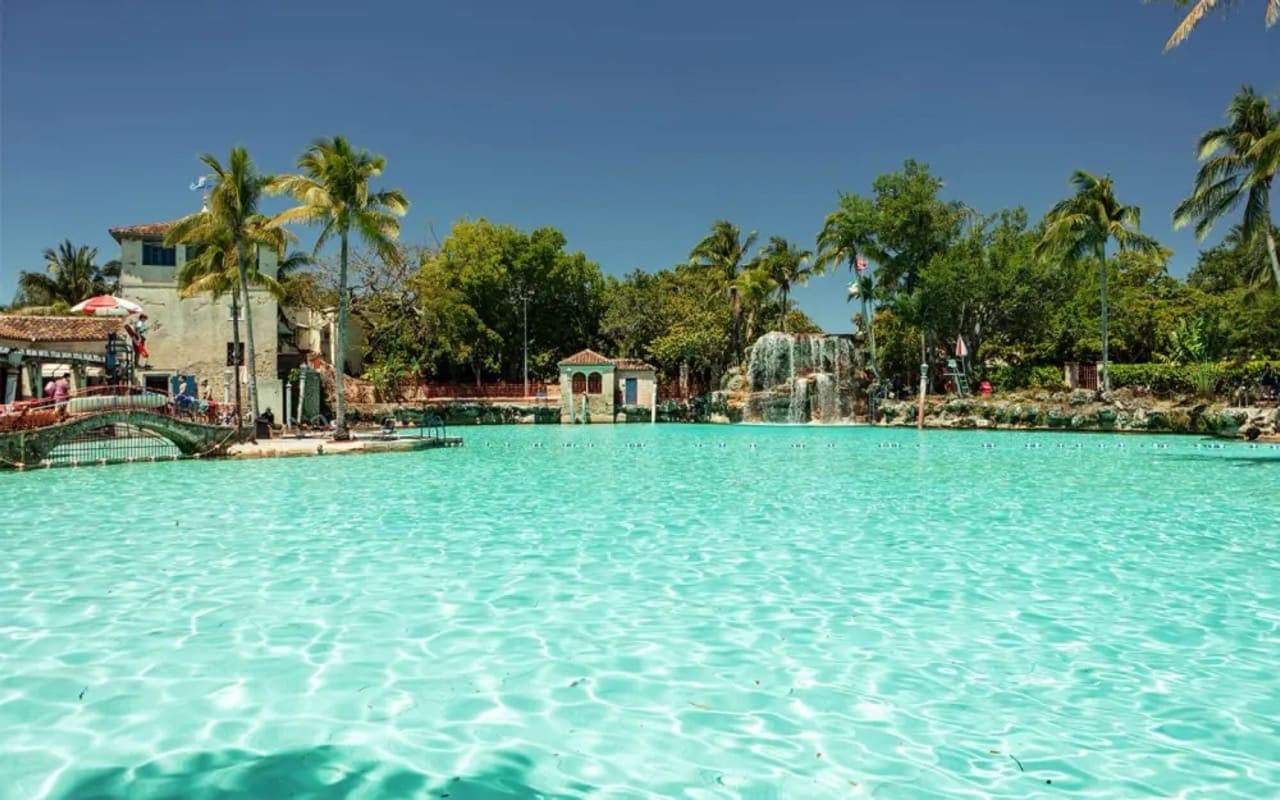
    Venetian Pool

    A 1924 public pool that looks like a Venetian lagoon, with grottoes and waterfalls. The surprising part isn't how it looks, but where it was built: where others saw only a spent pit. What was here before — and how it filled with water — is in the audio.

  • Biltmore Hotel, Coral Gables

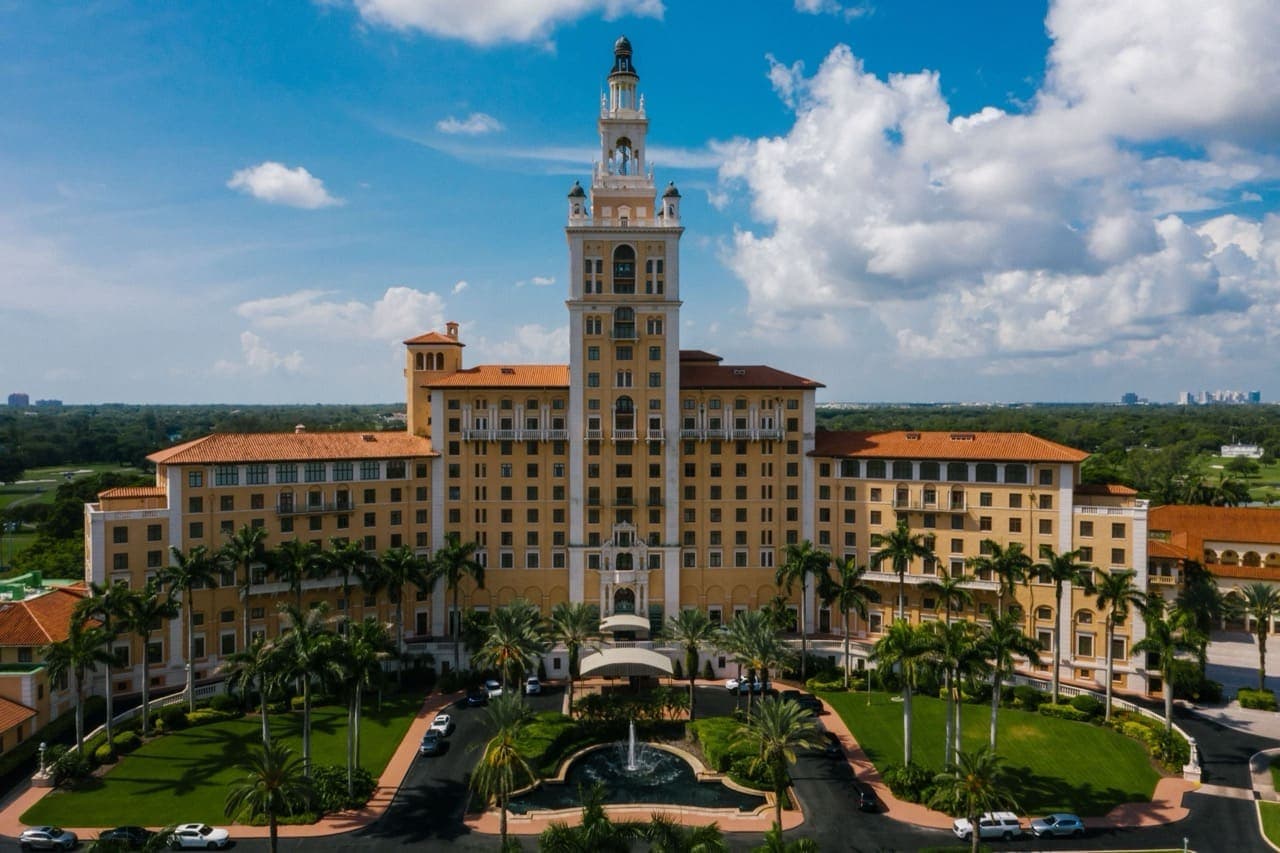
    Biltmore Hotel

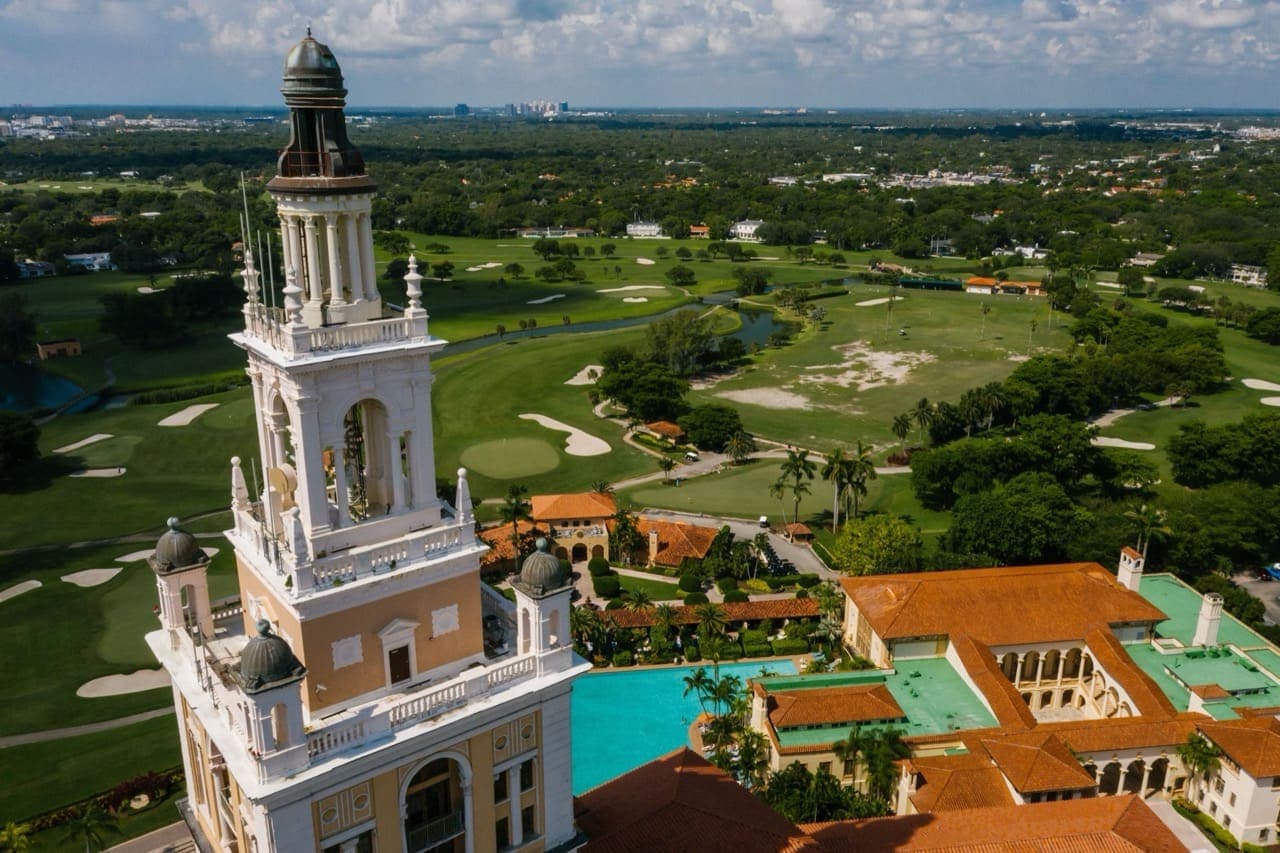
    A tower inspired by Seville's Giralda, opened in 1926 to prove Florida could rival the world's luxury. It drew celebrities and records. Then its story changed abruptly, in a way no one would have imagined. What happened to the Biltmore is in the audio.

  • Art Deco Historic District, South Beach

    Art Deco Historic District

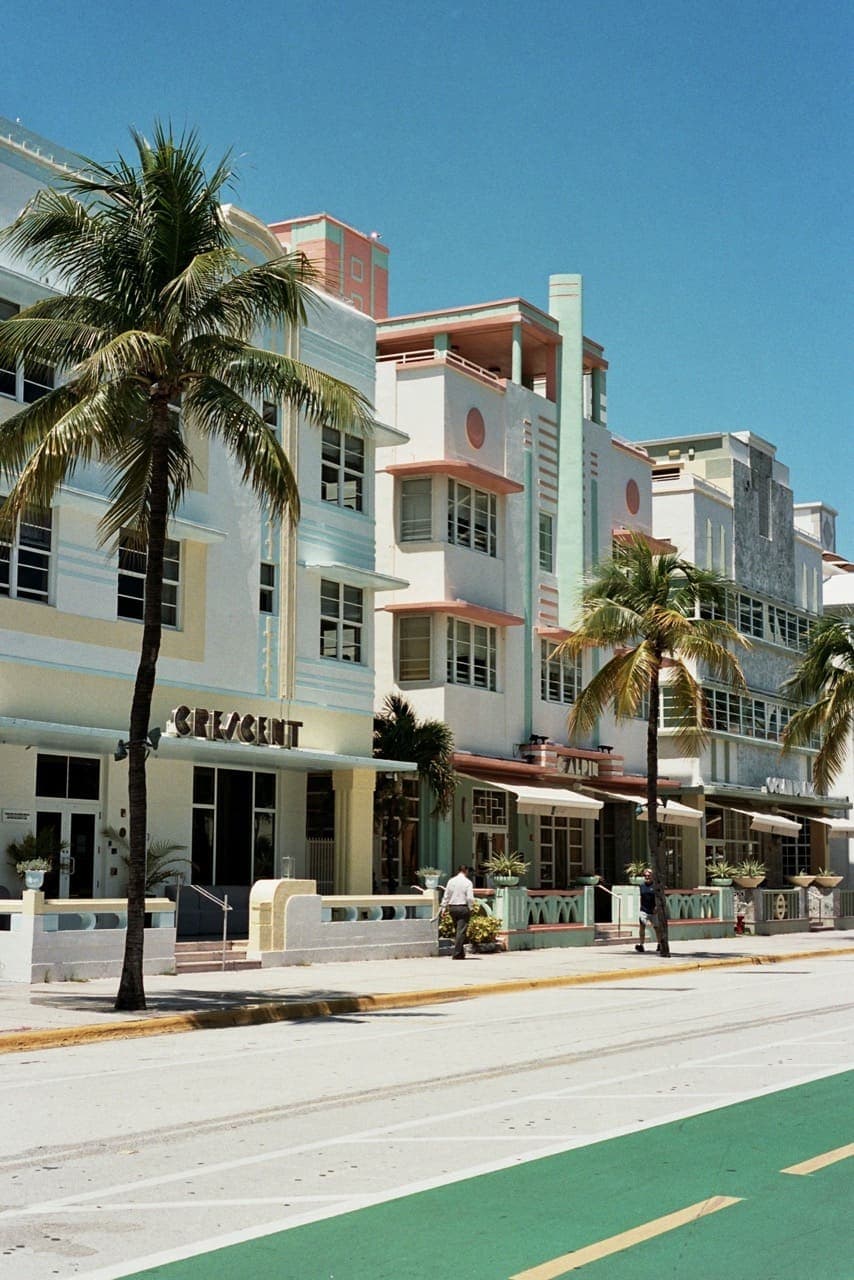
    The pastel façades and neon of South Beach: the Miami postcard. But all of it rose after a string of disasters, in the 1930s. And it came very close to vanishing. That it still stands, we owe largely to one person. Their story is in the audio.

  • Ocean Drive, South Beach

    Ocean Drive

    Before it was a global icon, this was little more than a sandy path on a mangrove island. The oceanfront Art Deco hotels came after the hurricane and the Depression. The story could have gone very differently. Why it became a symbol, we think through in the audio.

  • Española Way, Miami Beach

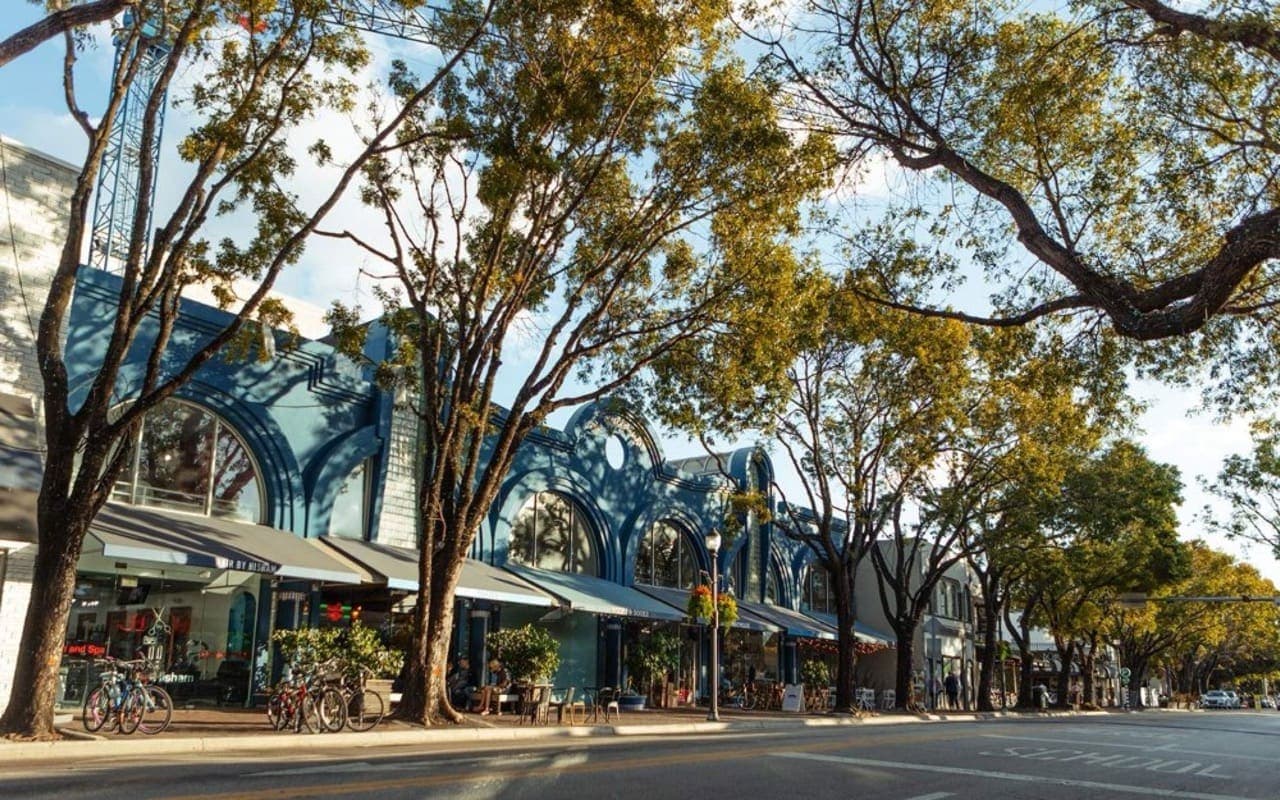
    Española Way

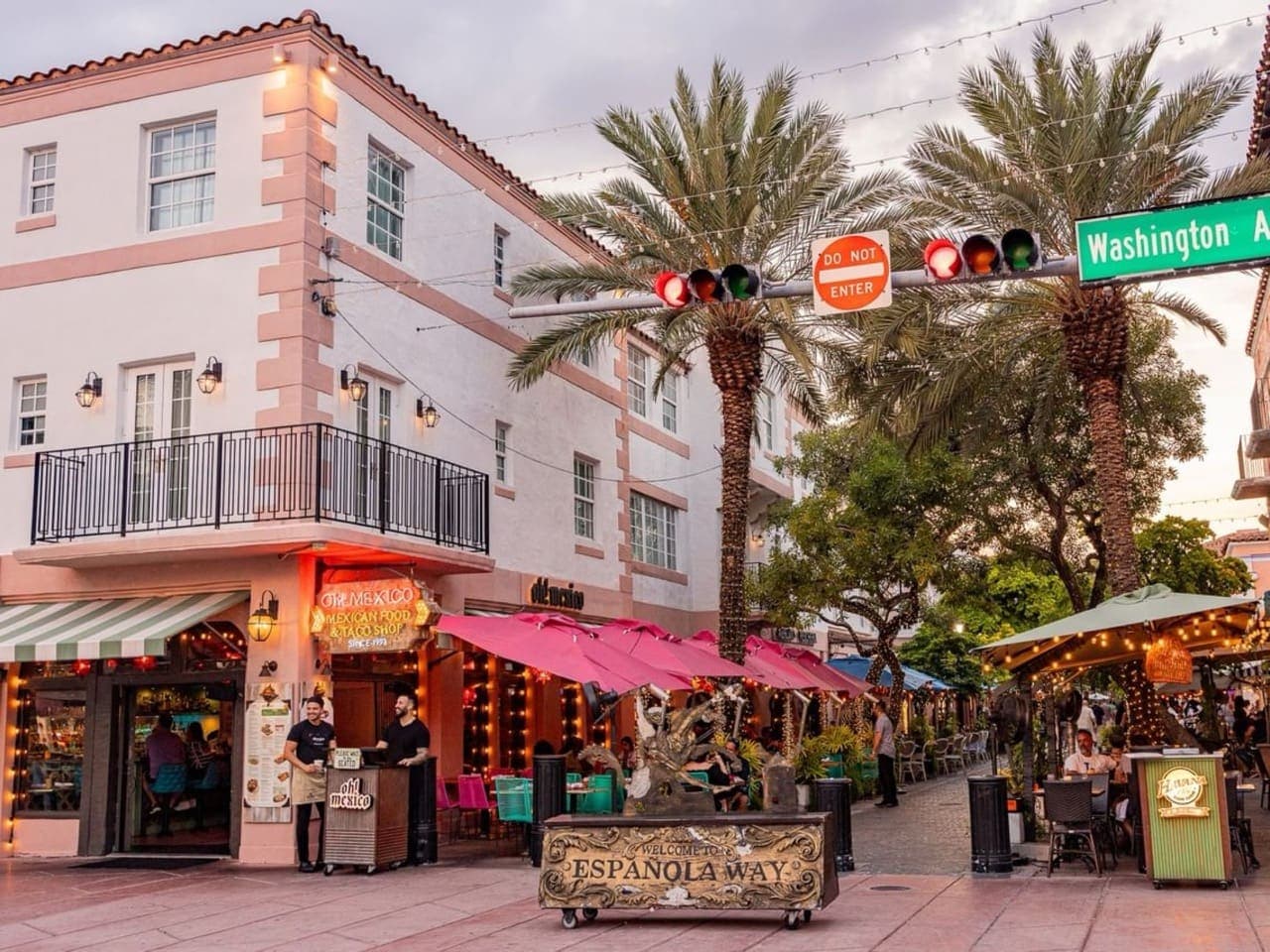
    A short Mediterranean pedestrian street where, for a moment, you'd think you'd left the United States. In 1925 an entrepreneur began it wanting not a row of hotels, but something else. It nearly disappeared. What he imagined, in the audio.

  • Holocaust Memorial, Miami Beach

    Holocaust Memorial Miami Beach

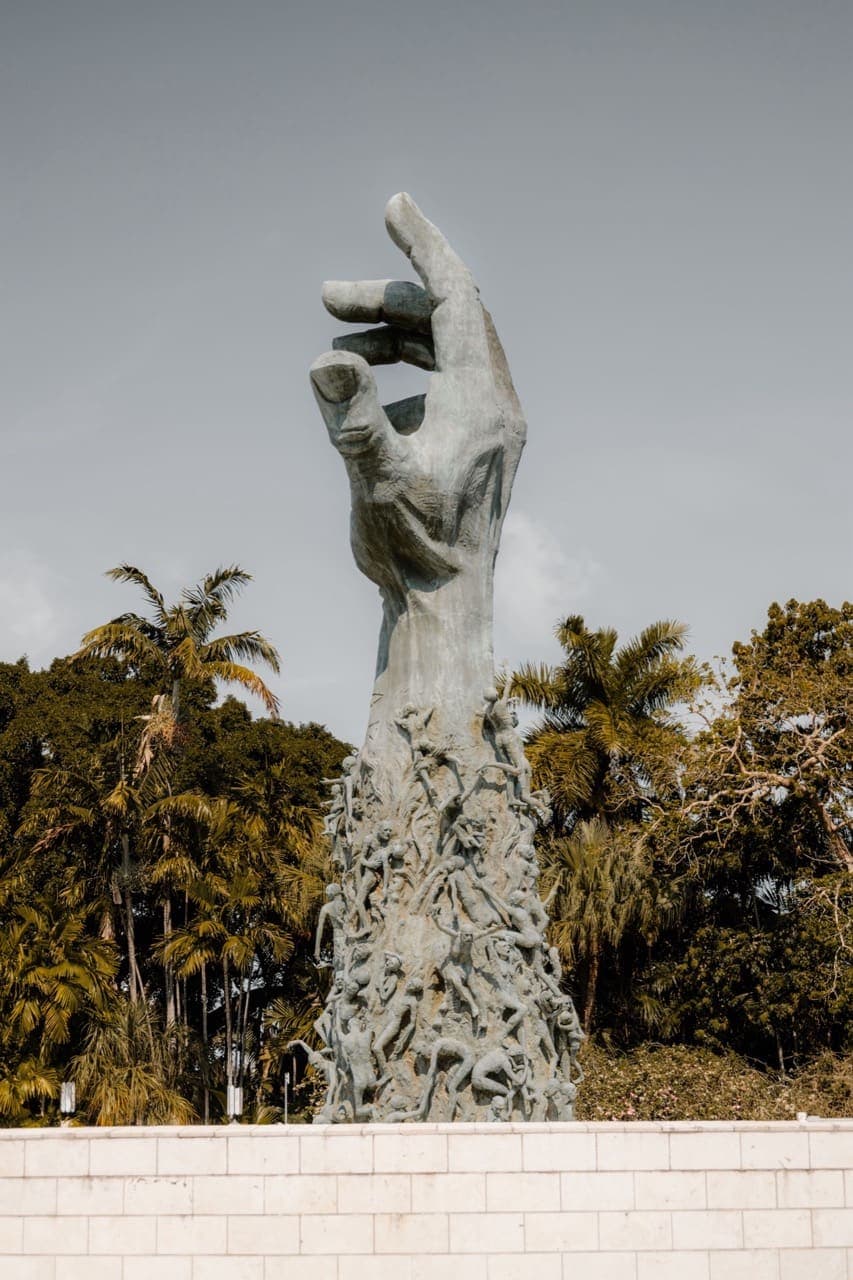
    A memorial dedicated in 1990 by survivors who rebuilt their lives in South Florida. The work of sculptor Kenneth Treister, it's walked in silence. At its heart stands a sculpture that stuns — and a detail more moving still, if you look closely. What they mean, in the audio.

FAQ

About Miami on Ruthy

Lucas Botta, creator of Historia en Podcast. Researched and narrated by a person, not AI-generated.

Pick Miami, head out with headphones, and follow the compass to each place; when you arrive, press play. It's a compass, not a GPS: you wander and discover, with no one dictating a route.

Spanish, written and narrated by Lucas Botta. An English version is coming later.

Yes. In this version the stories stream, so you need a connection while you walk (data or an eSIM). In exchange, it takes up no space on your phone.

22 places with 27 stories: from the historic core and the river to Little Havana, Coconut Grove, Coral Gables and the Miami Beach Art Deco district, plus a six-chapter general history of the city.

Each area — downtown, Little Havana, Coconut Grove, Coral Gables, South Beach — walks well on its own, but they're far apart. The natural way is to take one area per outing and move between them by car or transit.

As much as you like. Each audio runs a few minutes: do the historic center and Little Havana in a morning, or stretch it across several days adding Coral Gables, Coconut Grove and South Beach.

Real reviews

What Ruthy users say.

  • An original and very interesting proposal to discover cities in a different way. It's very easy to use, has a clear interface, and the stories are well narrated. I liked that it lets you explore at your own pace and choose what places to visit by proximity or interest. Without a doubt, it's an entertaining and educational option — ideal for tourists or to rediscover your own city.

    Jaz GonzálezApp Store
  • I used it on my trip and the descriptions, details, and information it provides are excellent. Highly recommended!

    Ale CarbaApp Store
  • This app is wonderful — it shows you everything you need to know about any place you visit.

    Lisandro HedinGoogle Play

Start with Miami

You don't just see Miami. You understand it.

Download Ruthy free and walk Miami with all 22 stories activating in real time, right where it all happened.

Free · no ads · iOS and Android

Download Ruthy free