
Skip to content
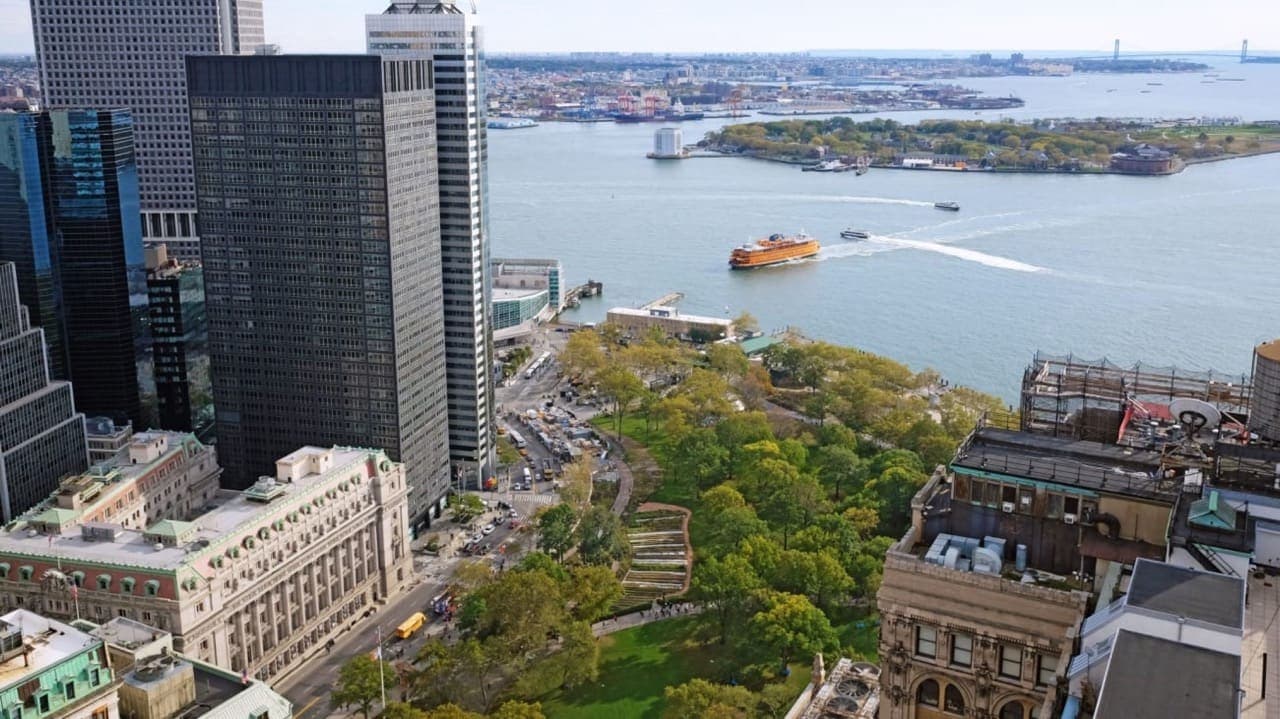
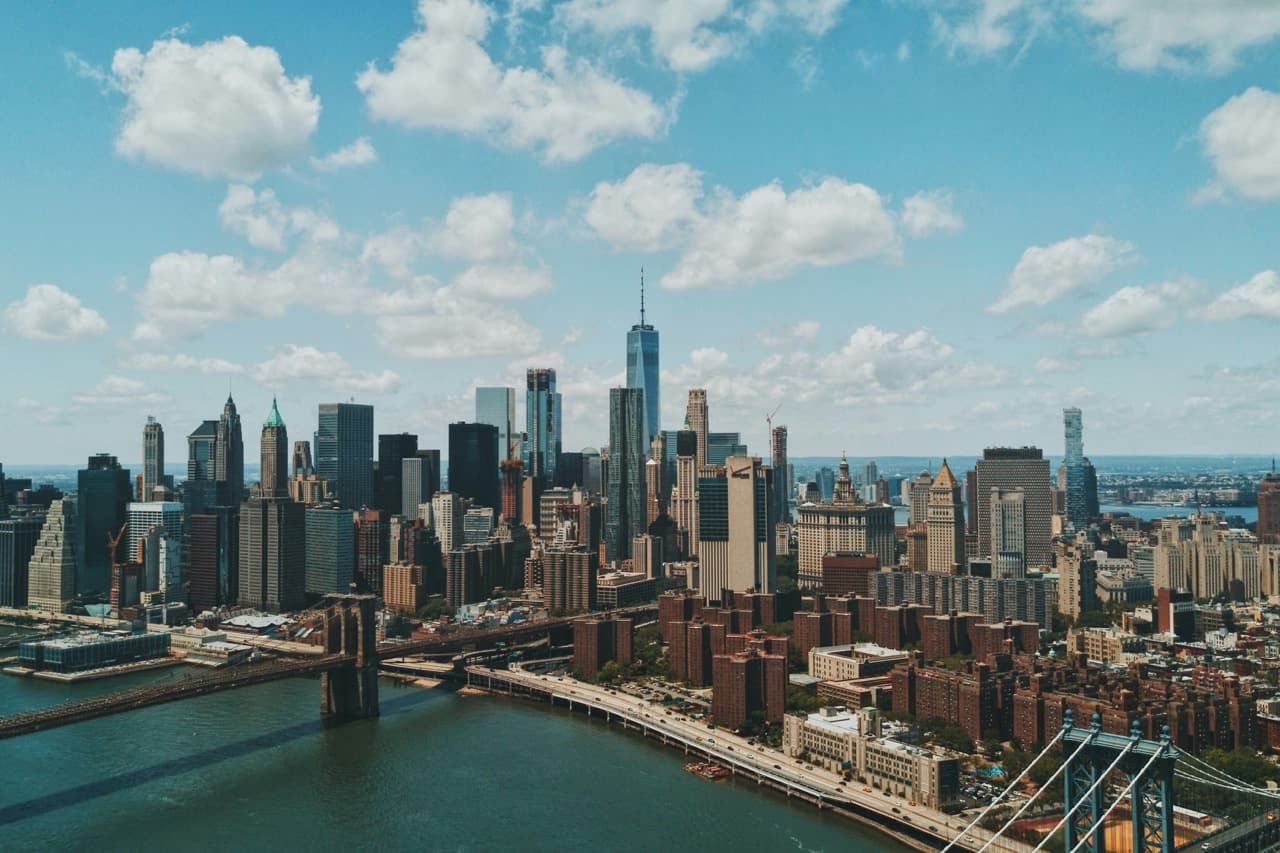
Aerial view of the New York skyline

United States · 34 places · 40 stories

Free New York audio guide — 34 historic places

Don’t visit New York.
Understand it.

From the home of the Lenape and the Dutch port to the capital of money and skyscrapers: the city that learned to reinvent itself after every crisis, without ceasing to be itself.

Free · no ads · iOS and Android

Updated: July 2026

New York in depth

Beneath every skyscraper there's a port, a village, a neighborhood that's gone.

Ruthy shows you New York through 34 real places, narrated by Lucas Botta (Historia en Podcast) at the exact spot where each story happened. No group tour, no schedule, no shared headphones. Just you, the city, and a story that starts when you arrive and press play.

New York reaches you before you know it: you've seen it a thousand times without setting foot in it. So the hard part isn't recognizing it — it's understanding it. It began as the home of the Lenape and a Dutch port built to do business; from there came the Republic, the waves of immigrants who really built it, the skyscrapers that rose in the depths of crisis, and a city that falls and reinvents itself again and again. In a few blocks, colonial trade, the birth of a country and the world's money all coexist. With Ruthy you don't tick it off a list: you walk it understanding why nothing here is what it first seems.

Deep-dive walks

Places told chapter by chapter.

We don't just tell you what it is. We tell you why it matters, how it was built, what happened inside, and how it became what it is today.

Aerial view of the New York skyline
7chapters

History of New York

Before the skyscrapers and the money, this was the home of the Lenape and a Dutch port built for trade. From there came the Republic, the waves of immigrants, the vertical city and today's global New York. Seven chapters on a city that never stops reinventing itself.

All 7 chapters

  1. Before New York: the Lenape and the world of Manhattan
  2. New Amsterdam: the Dutch city
  3. British New York and the American Revolution
  4. Immigration, expansion and the birth of the metropolis
  5. Skyscrapers, economic power and world city
  6. Global New York: crisis, diversity and rebirth
  7. From September 11 to the 21st century
All 34 places

Everything you'll find in New York.

Each place with its own story, narrated right where it happened.

  • Battery Park, New York

    Battery Park

    At Manhattan's southern tip, where the island ends and the sea begins. The ferries to Liberty and Ellis leave from here, but long before that this was the city's true threshold. Almost every great New York story runs through here. Which ones, in the audio.

  • Castle Clinton, Battery Park

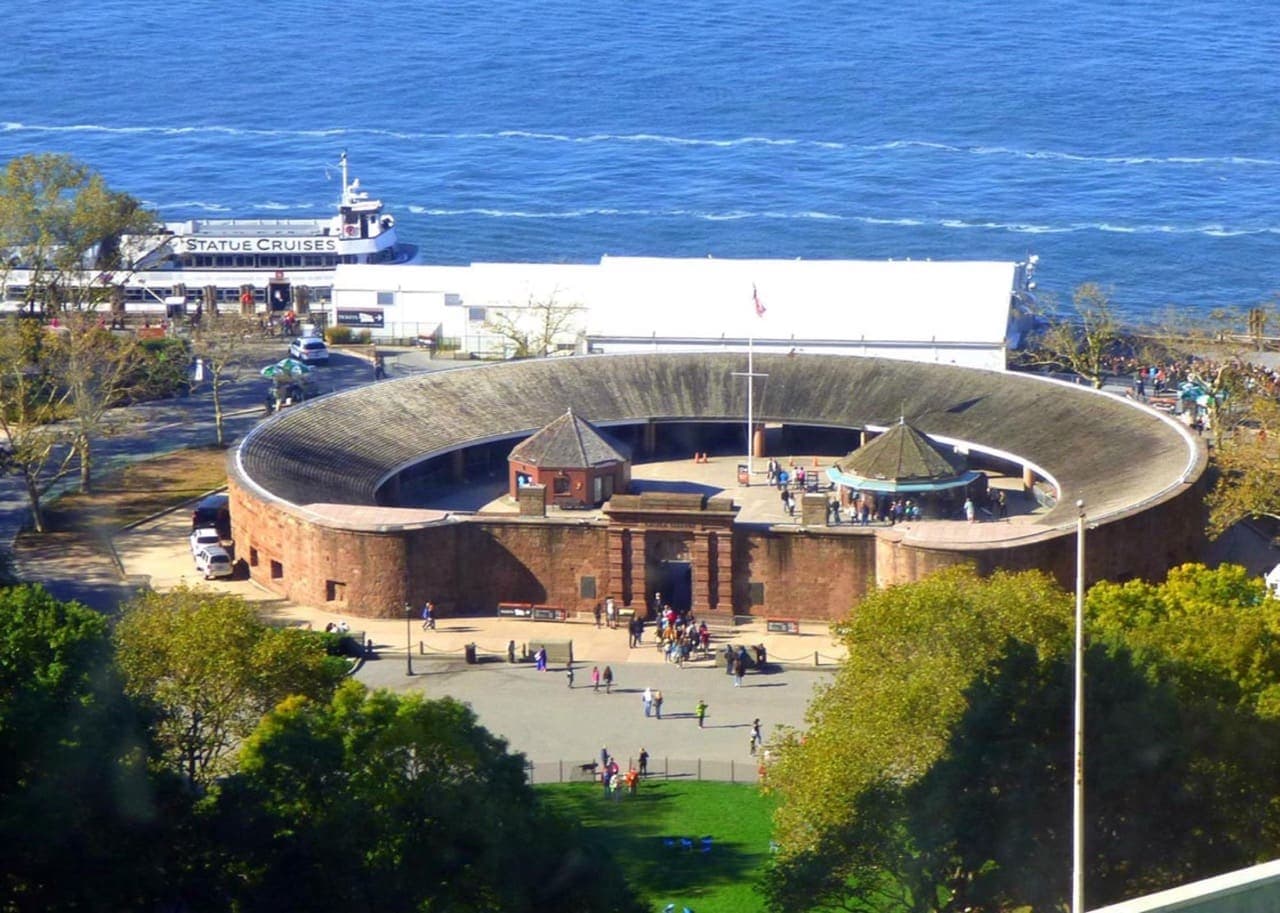
    Castle Clinton

    A circular fort from 1808 that never fired a cannon in combat. Over the years it was a theater, an immigration center, even an aquarium. For many families, this — not Ellis Island — was the real gateway into the United States. Why, we tell in the audio.

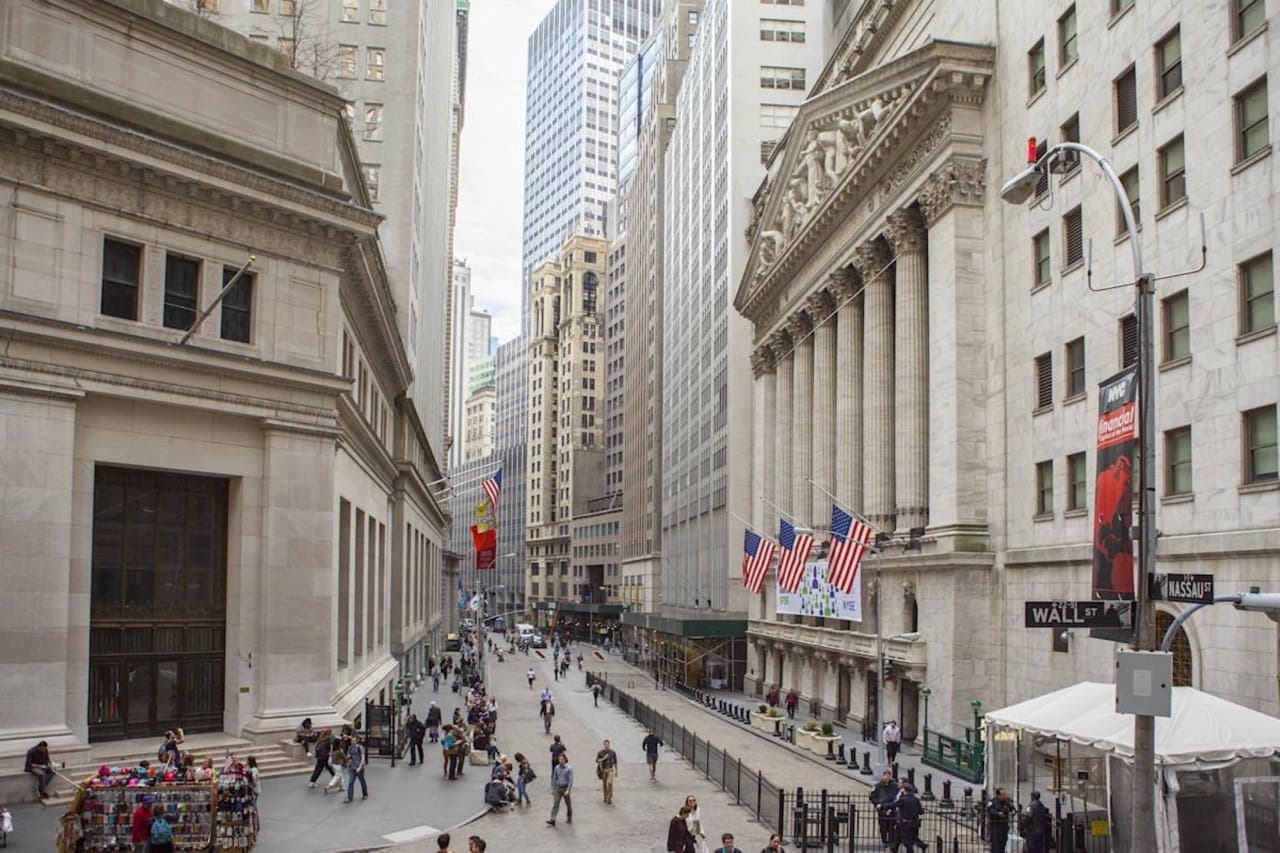
  • Wall Street, New York

    Wall Street

    Wall Street is shorter than you'd think. And its name has nothing to do with money: it comes from something the Dutch built here in the 17th century. One of the world's most influential stock exchanges was born under a tree, nearby. How, in the audio.

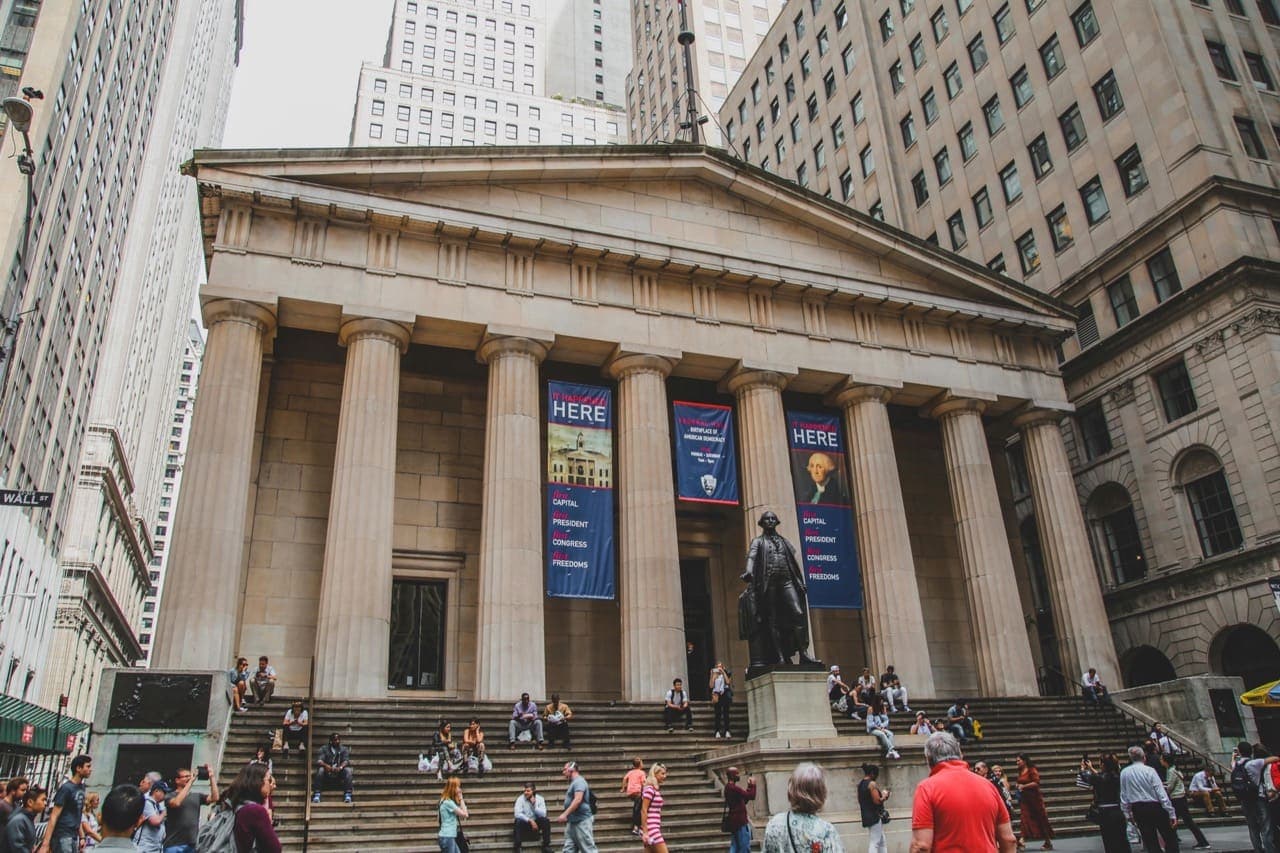
  • Federal Hall, New York

    Federal Hall

    Here George Washington was sworn in as first president, in 1789: for a time, New York was the nation's capital. It wasn't just a president taking office; it was the start of an experiment no one knew would work. What happened that day, in the audio.

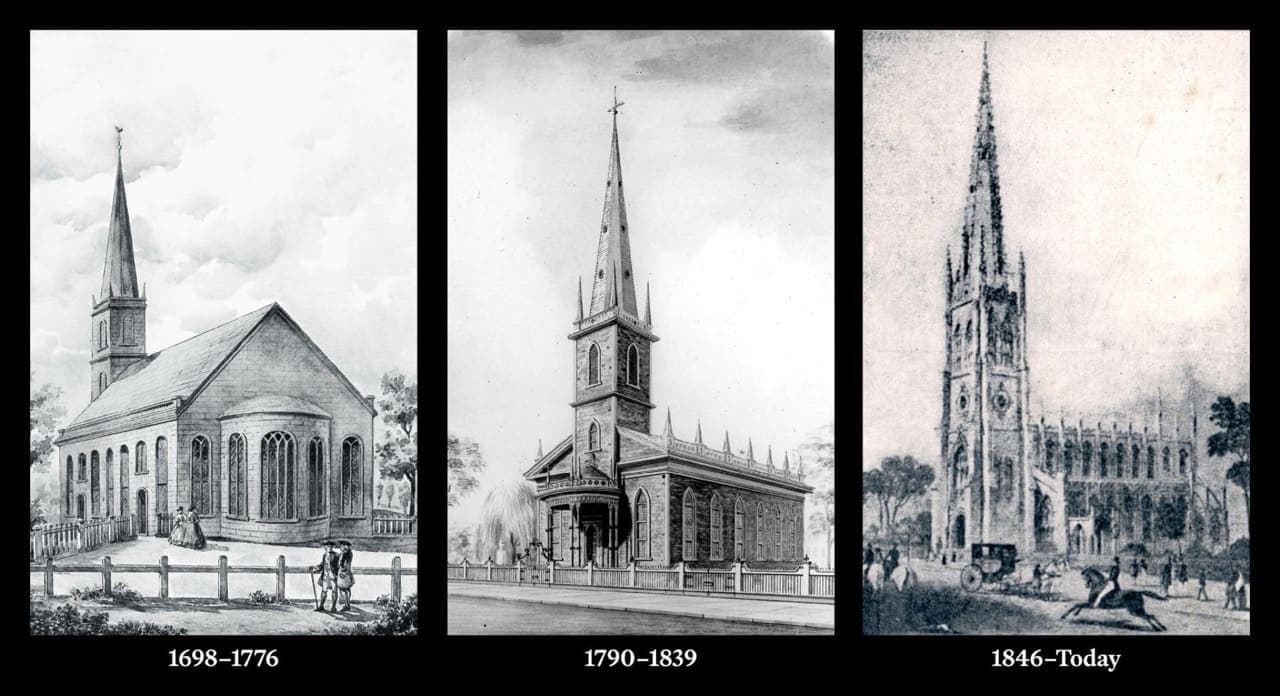
  • Trinity Church, New York

    Trinity Church

    A neo-Gothic church amid the forest of skyscrapers. Its tower was once among the city's tallest, a beacon for ships. But its most famous detail isn't inside — it's in the graveyard: who rests there, steps from Wall Street, surprises. We open it in the audio.

  • Charging Bull, Bowling Green

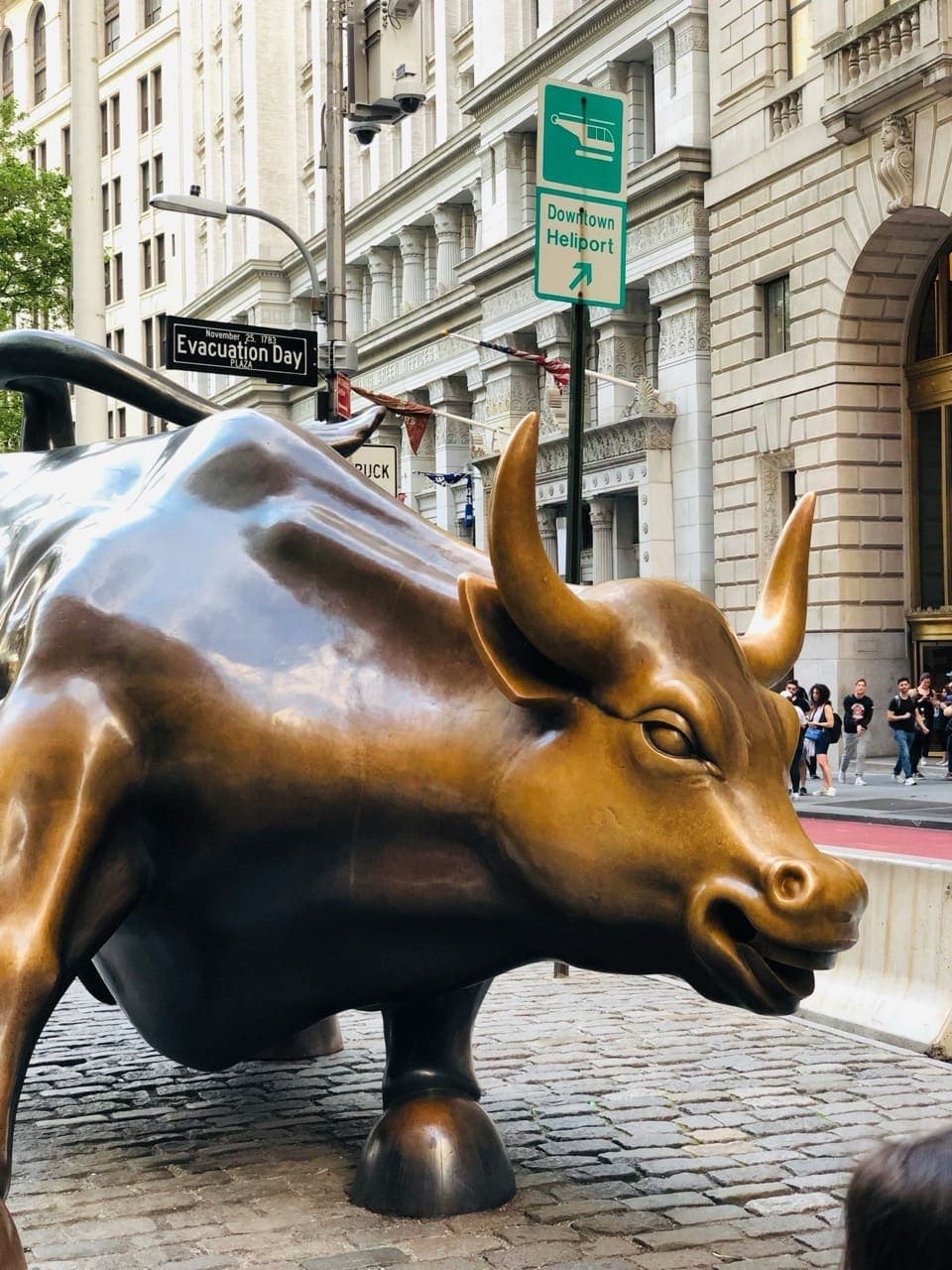
    Charging Bull

    The bronze bull of the financial district. No one commissioned it: it appeared one dawn in 1989 as a clandestine gift outside the Stock Exchange. And the spot where it ended up holds another story, from when a king's statue stood there. Both, in the audio.

  • Stone Street Historic District, New York

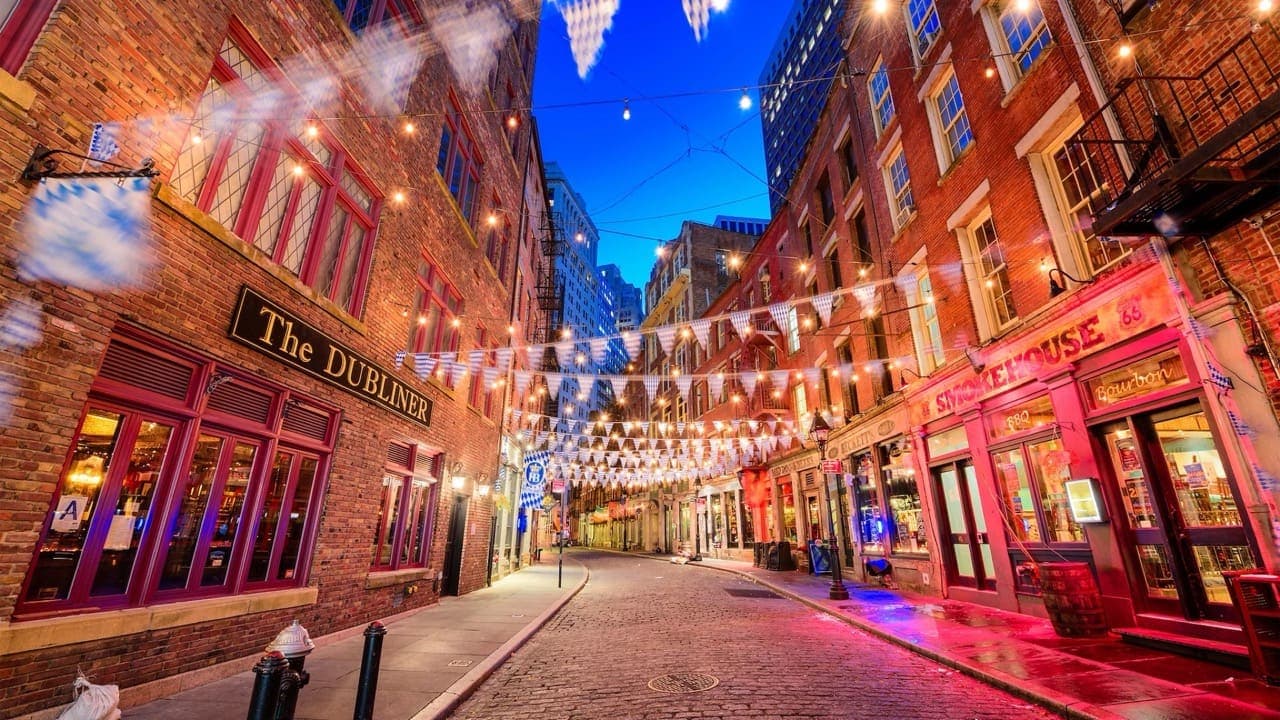
    Stone Street Historic District

    One of New York's oldest streets: it existed when the city was still called New Amsterdam. Walking it is a small trip back in time, nearly four centuries. Where its name comes from — and why it survived — we tell as you walk.

  • South Street Seaport, New York

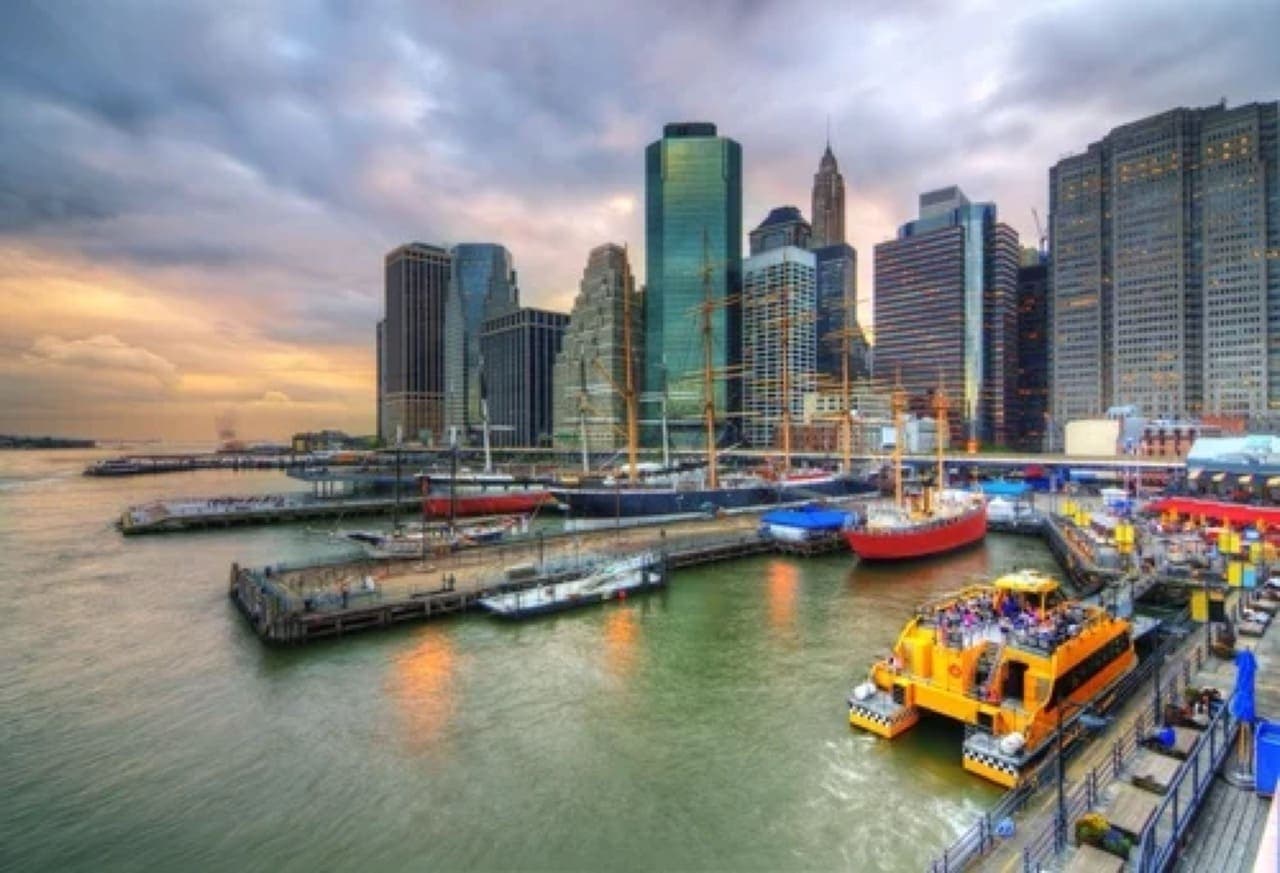
    South Street Seaport

    Before it moved billions of dollars, New York learned to move ships. This was its port: sugar, coffee, cotton and tea came through here. One event in 1825 turned it into the country's commercial engine. What it was — and why progress left it behind — in the audio.

  • Fraunces Tavern, New York

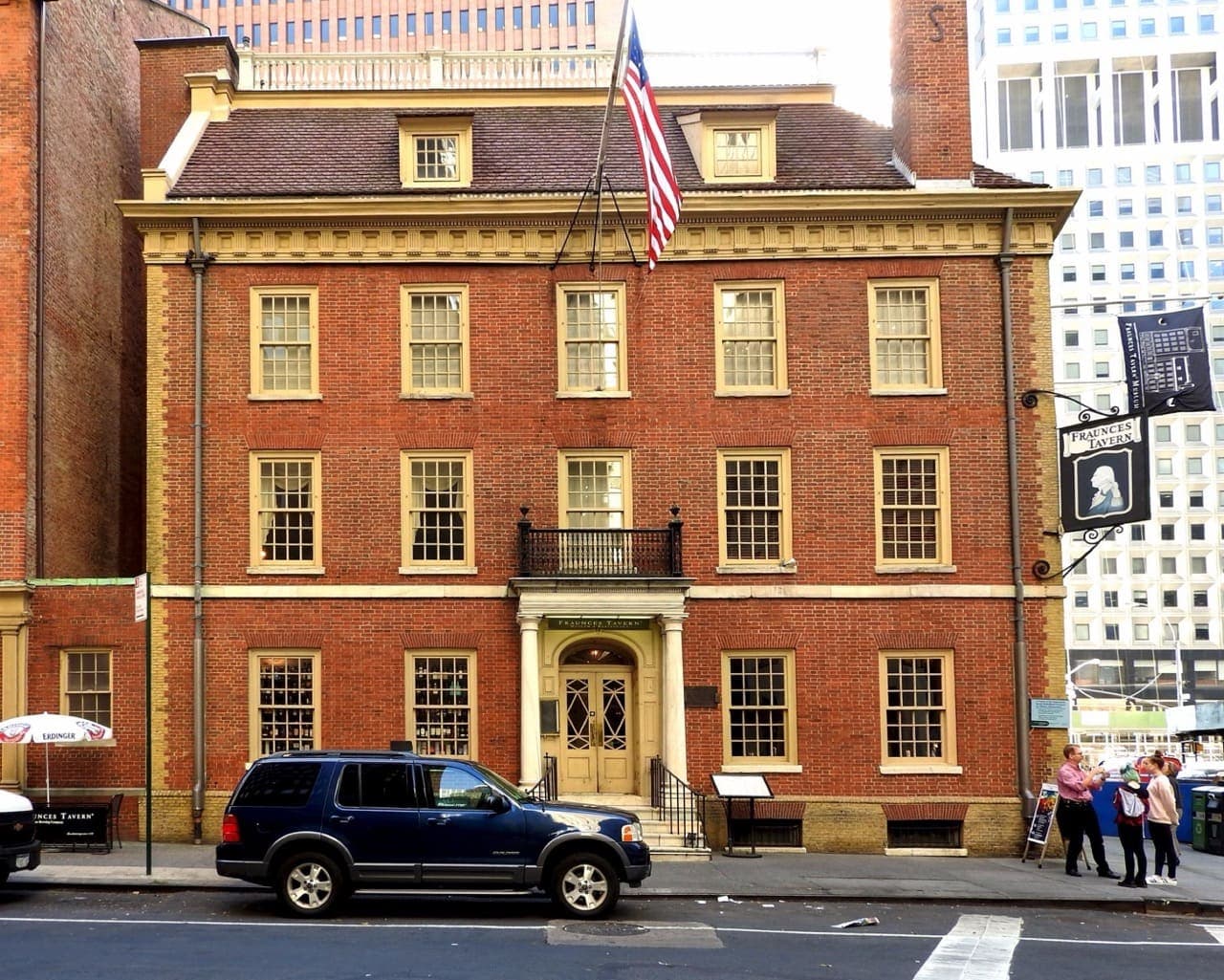
    Fraunces Tavern

    One of Manhattan's oldest buildings, from 1719. Here, in 1783, George Washington bade farewell to his officers. It wasn't a strategy meeting or a celebration: it was a goodbye, and what he did next stunned the world. What Washington chose, in the audio.

  • City Hall Park, New York

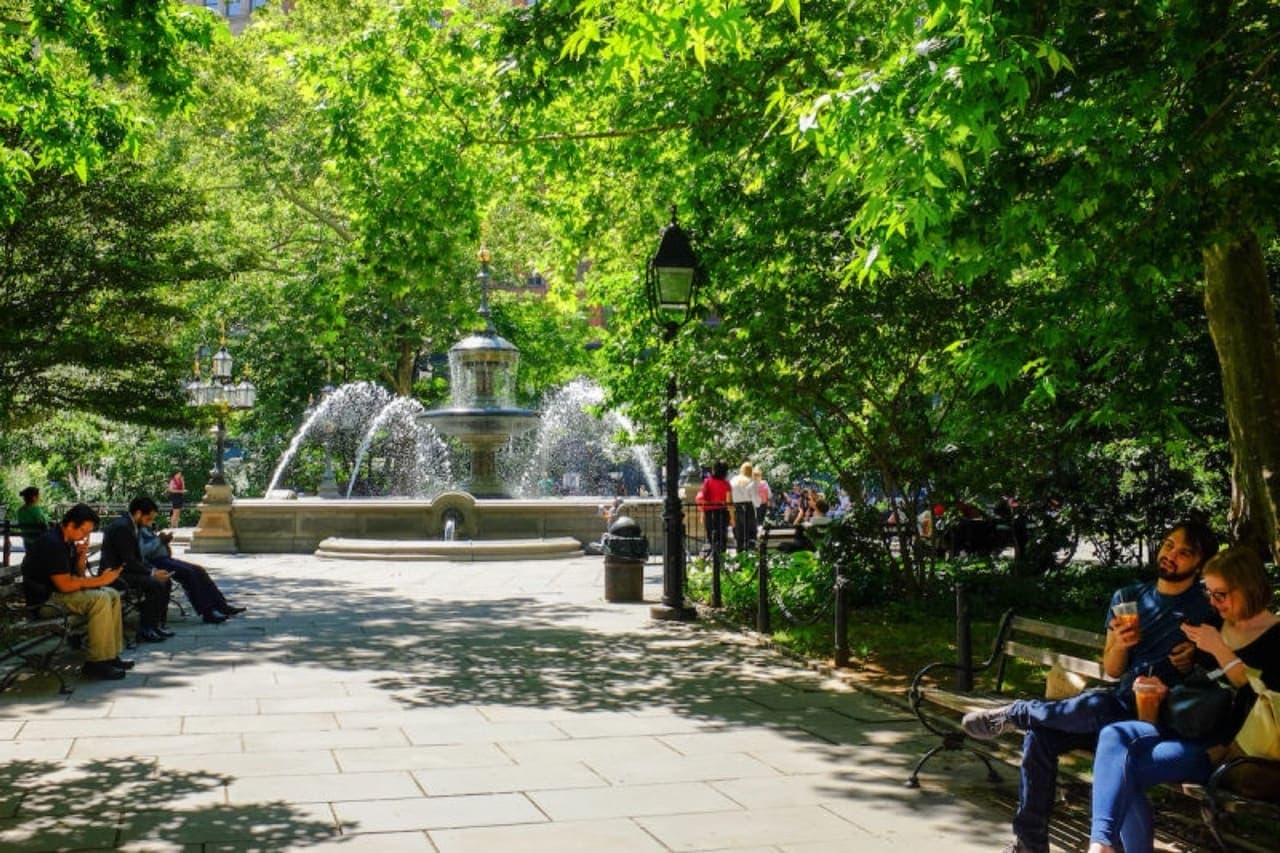
    City Hall Park

    A few blocks from Wall Street, another kind of power: the 1812 City Hall, the oldest in the country still serving its original function. And beneath your feet lies one of the most elegant subway stations ever built — one almost no one can see. Why, in the audio.

  • Woolworth Building, New York

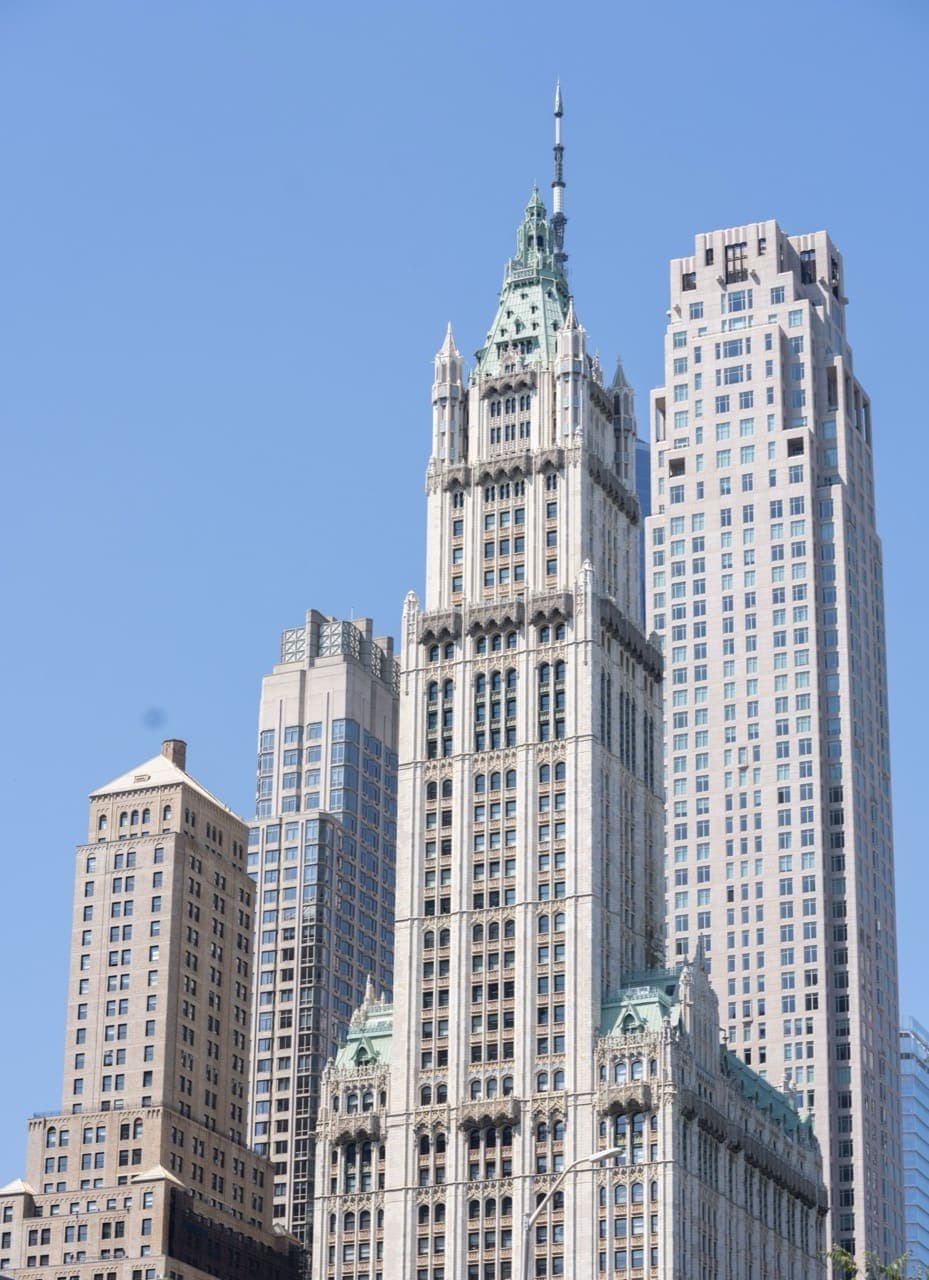
    Woolworth Building

    A neo-Gothic skyscraper from 1913, the "Cathedral of Commerce," the tallest in the world for nearly two decades. It wasn't built by a bank or an oil tycoon, but by a shopkeeper with an idea that changed how we shop. And how he paid for it surprises. In the audio.

  • 9/11 Memorial, New York

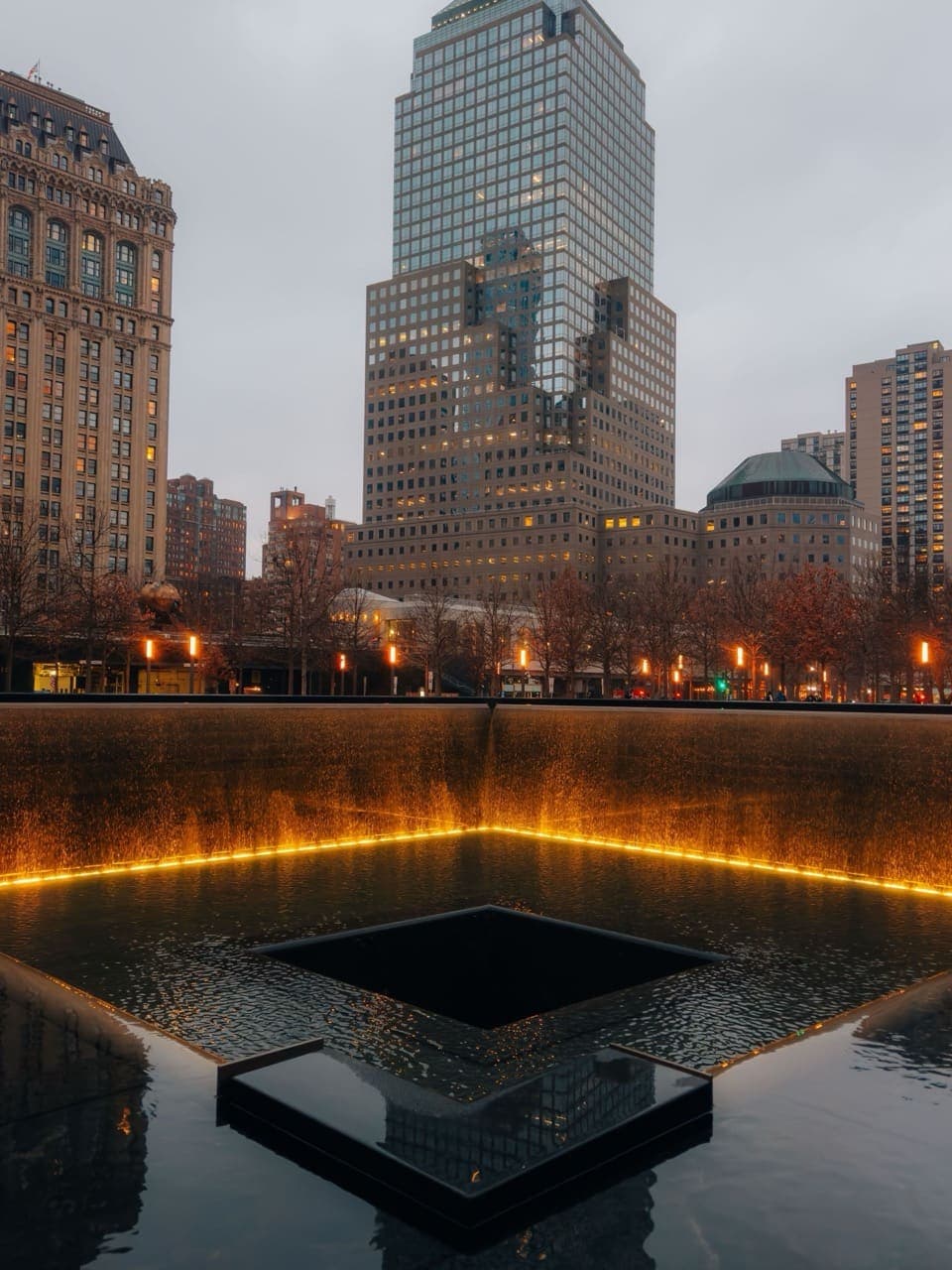
    9/11 Memorial

    Two vast reflecting pools on the exact footprints of the Twin Towers. It's a place built to remember an absence. The names carved around the pools aren't in alphabetical order: they follow another, far more human logic. What it is, we tell in the audio, with care.

  • Statue of Liberty, New York

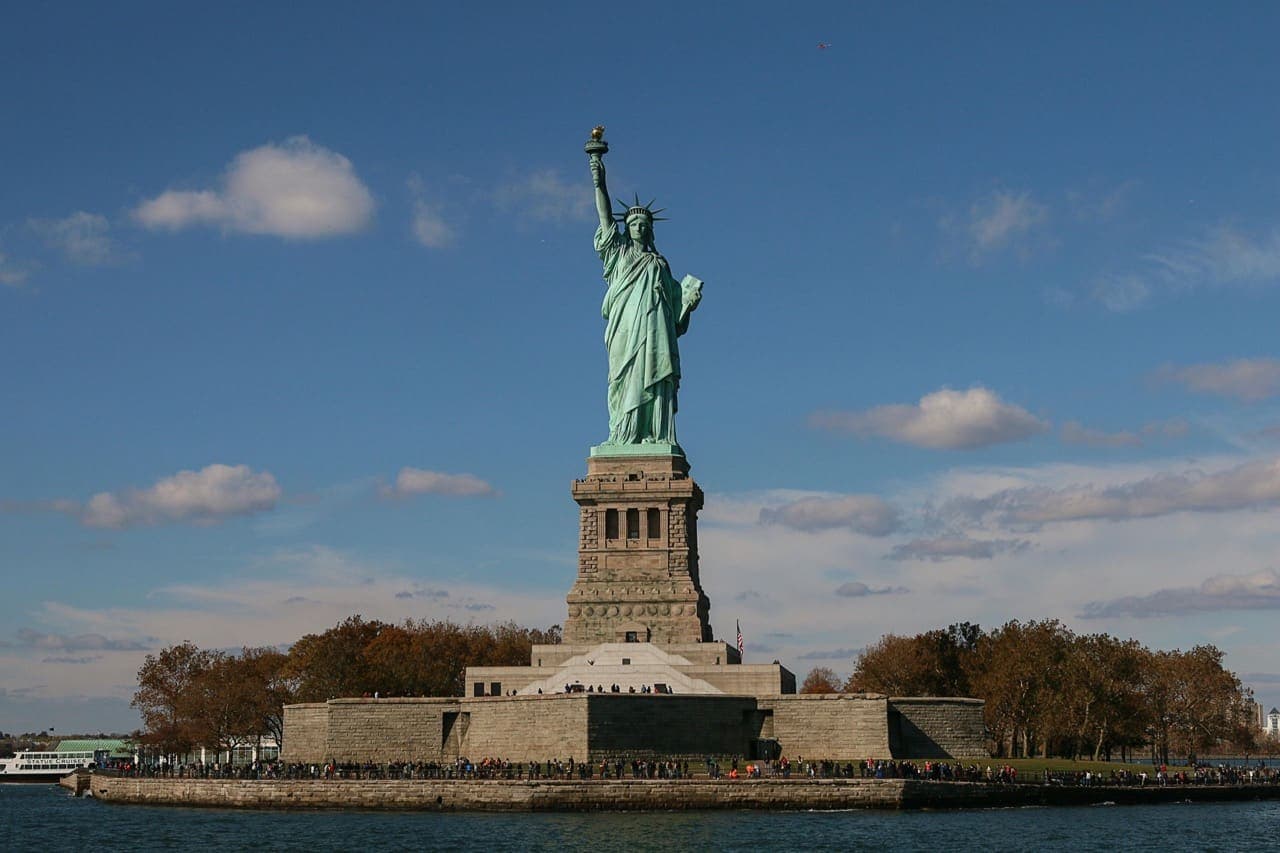
    Statue of Liberty

    Few monuments in the world are recognizable from their silhouette alone. This is one of them — and yet this story didn't begin in New York. It was a gift, with an internal structure designed by a very famous engineer. Its link to immigration — and even its color — weren't the originals. Why, in the audio.

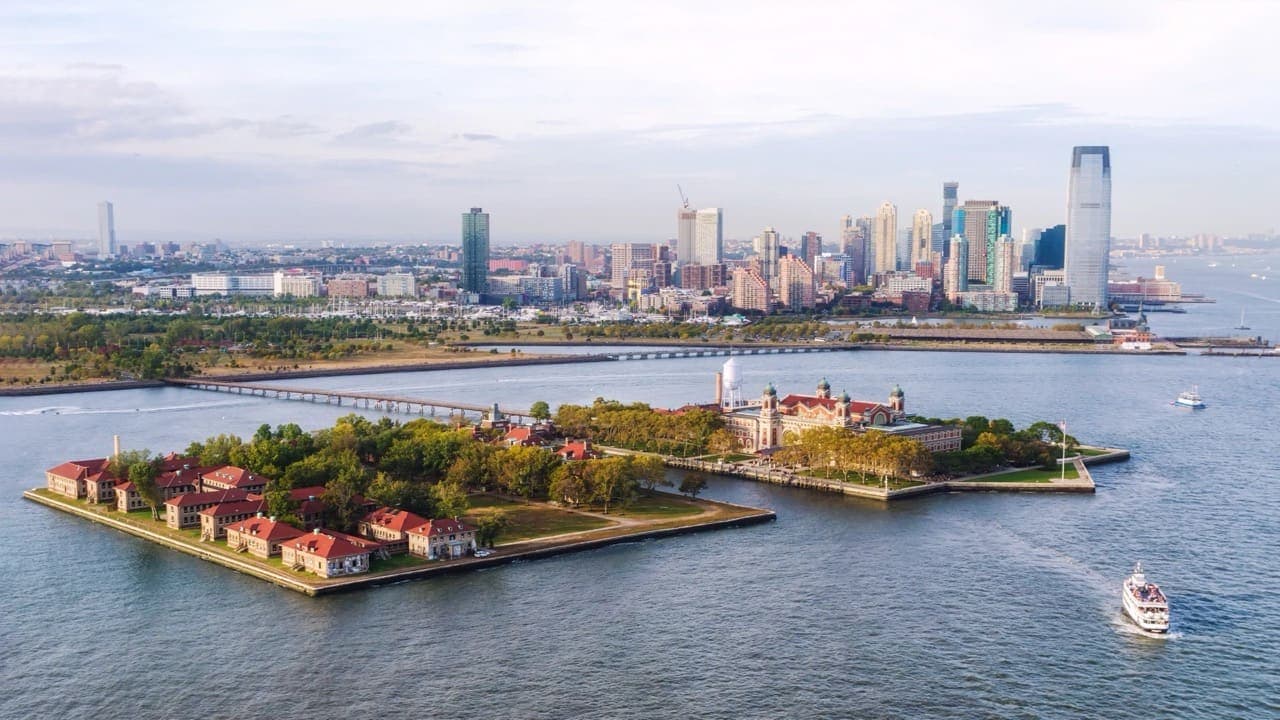
  • Ellis Island, New York

    Ellis Island

    More than twelve million people passed through here between 1892 and 1954. It doesn't tell a president's story: it tells that of millions of ordinary people. Myths surround this place — the changed-surnames one is the most famous — worth taking apart. We do it in the audio.

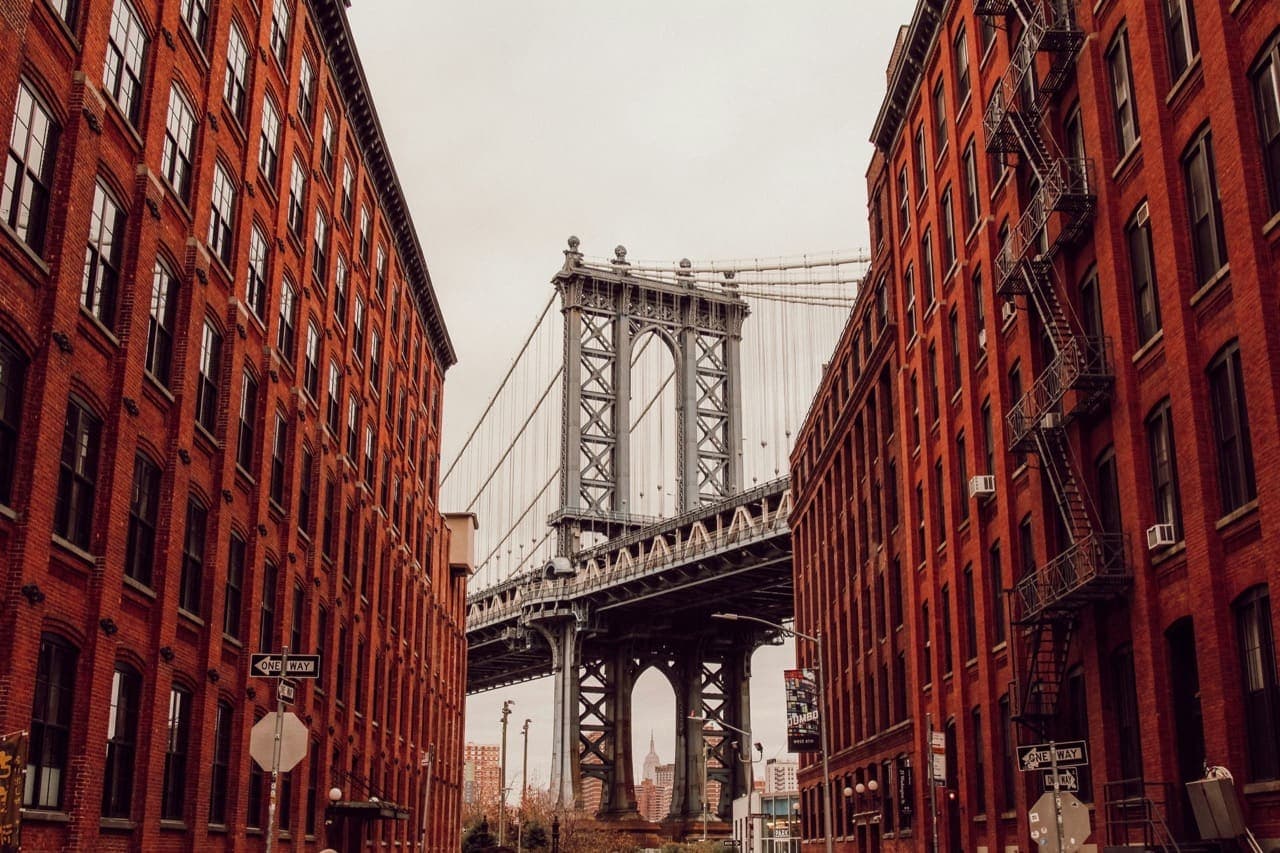
  • Brooklyn Bridge, New York

    Brooklyn Bridge

    When it opened in 1883, crossing the East River stopped being an adventure. Behind its granite towers lies a saga of three people from one family — and a tragedy. And a bizarre test convinced the city it was safe. In the audio.

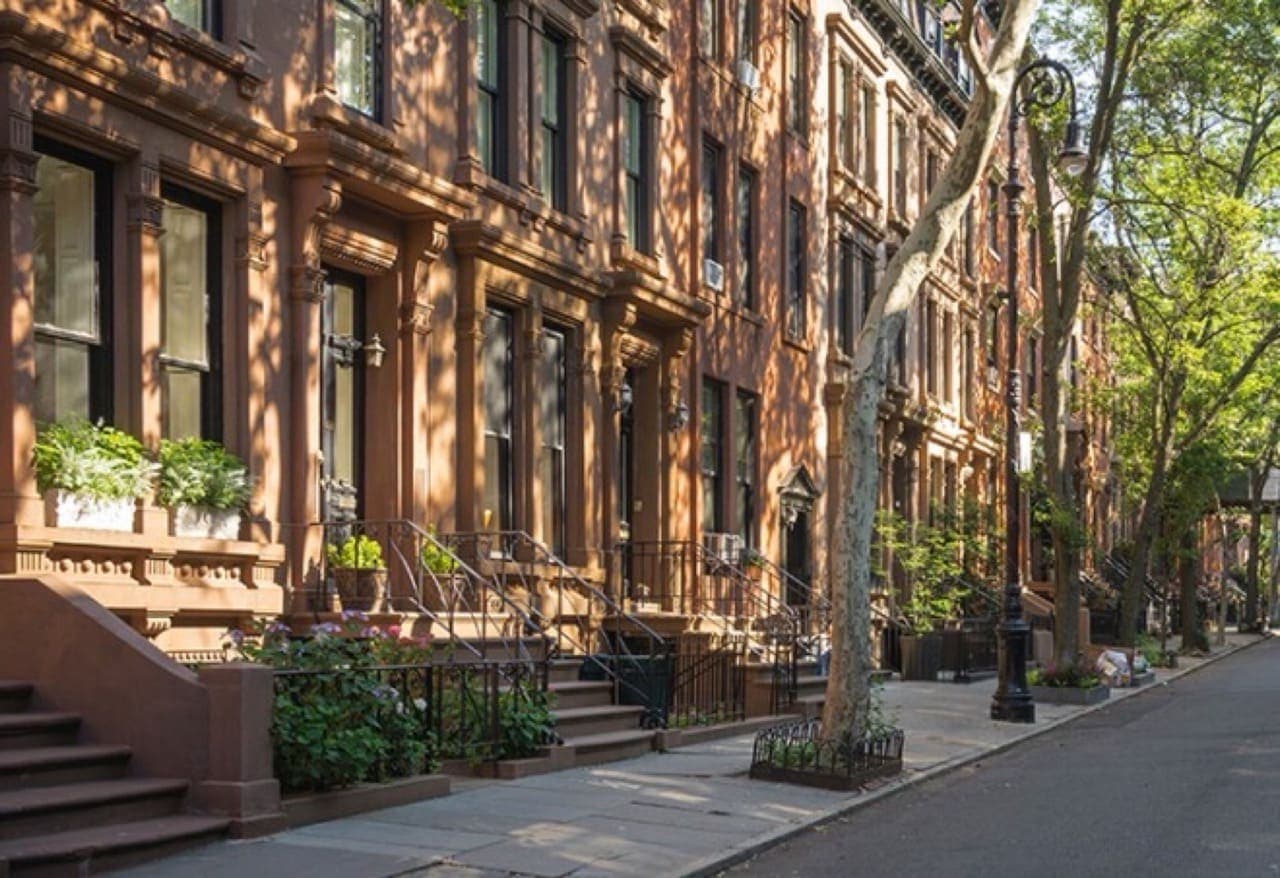
  • Brooklyn Heights Historic District

    Brooklyn Heights Historic District

    A neighborhood of brick houses facing Lower Manhattan, so quiet it feels like the city turned down the volume. It was New York's first protected historic district. And a foggy night, nearby, may have changed the course of the Revolution. How, in the audio.

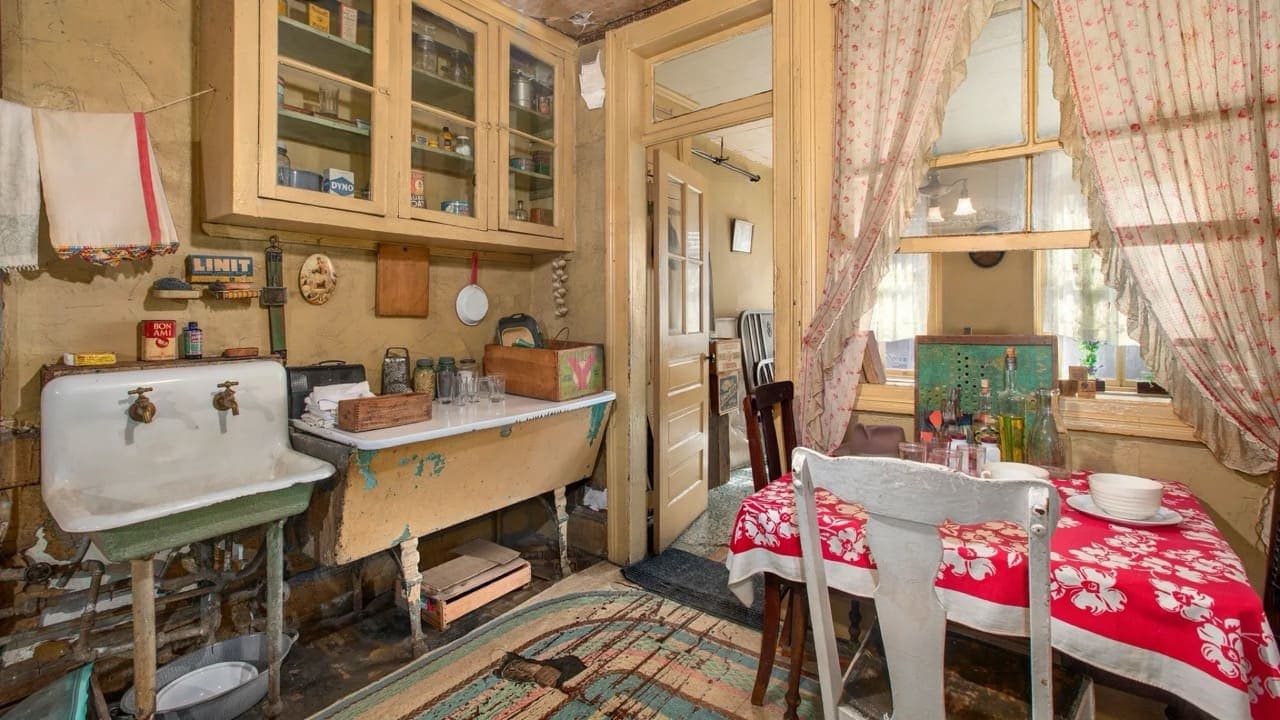
  • Tenement Museum, Lower East Side

    Tenement Museum

    A museum inside old tenements on Orchard Street. Each apartment recreates a real family who lived here: their wages, their illnesses, their dreams. It doesn't idealize the "American Dream": it shows what it cost. Who you'll meet, in the audio.

  • Lower East Side, New York

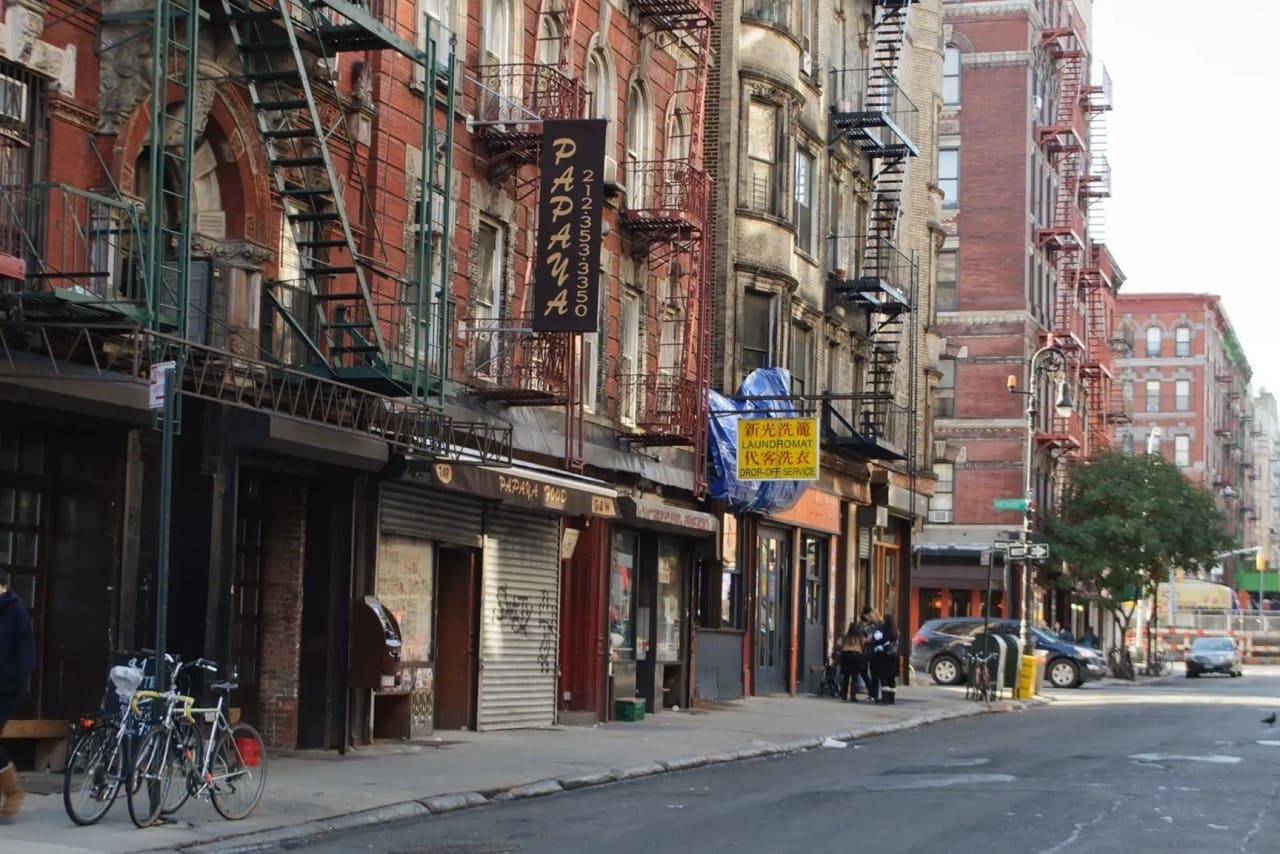
    Lower East Side

    If Wall Street tells the story of money, these streets tell that of millions of immigrants. In the early 20th century it was one of the most densely populated places on Earth. Rights we now take for granted were argued here. Which ones, in the audio.
  • Grand Central Terminal, New York

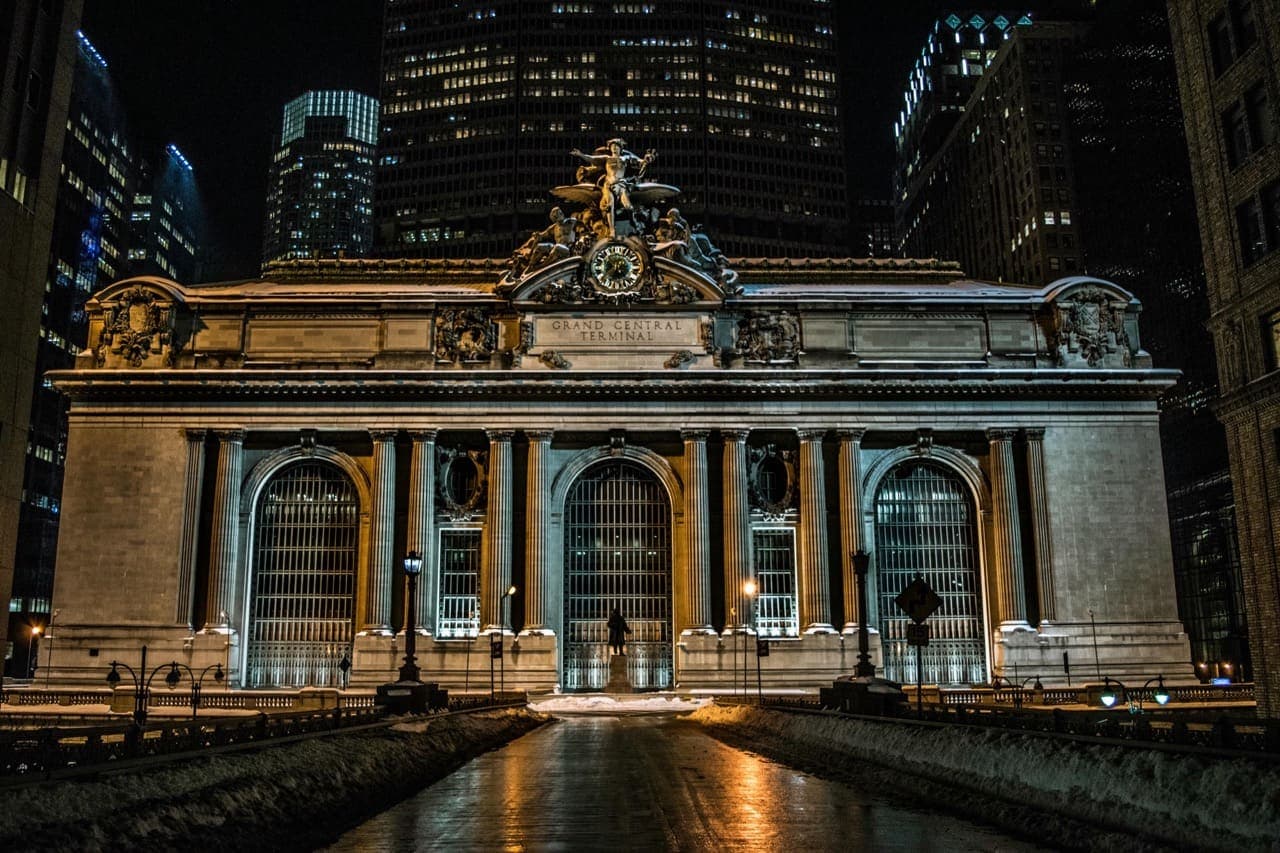
    Grand Central Terminal

    A monumental 1913 terminal that's still fully alive. Look at the ceiling: its constellations seem to be reversed, and there's a debate over why. It also hides an almost-secret platform, tied to a president. Both stories, in the audio.

  • New York Public Library

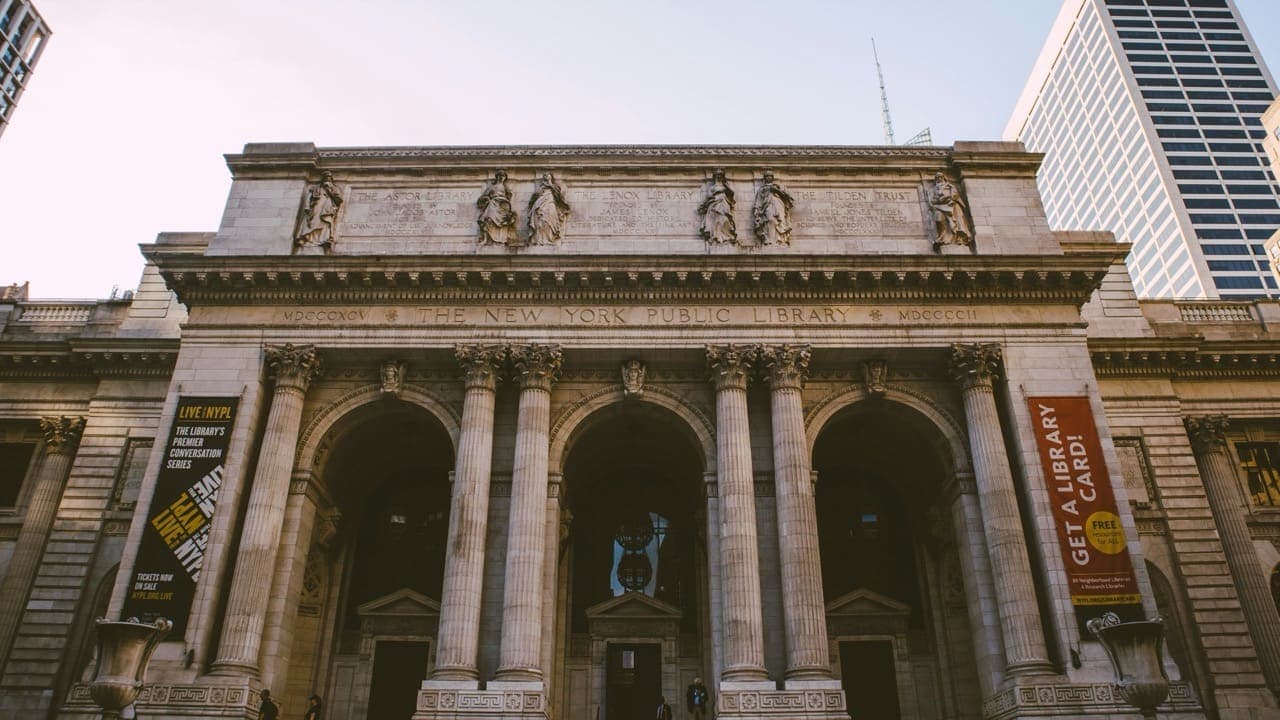
    New York Public Library

    Two stone lions guard one of the most famous libraries in the United States, from 1911. Their names were born in the depths of the Great Depression, and say a lot about the era. Beneath it lies a secret city devoted to books. What it hides, in the audio.

  • Rockefeller Center, New York

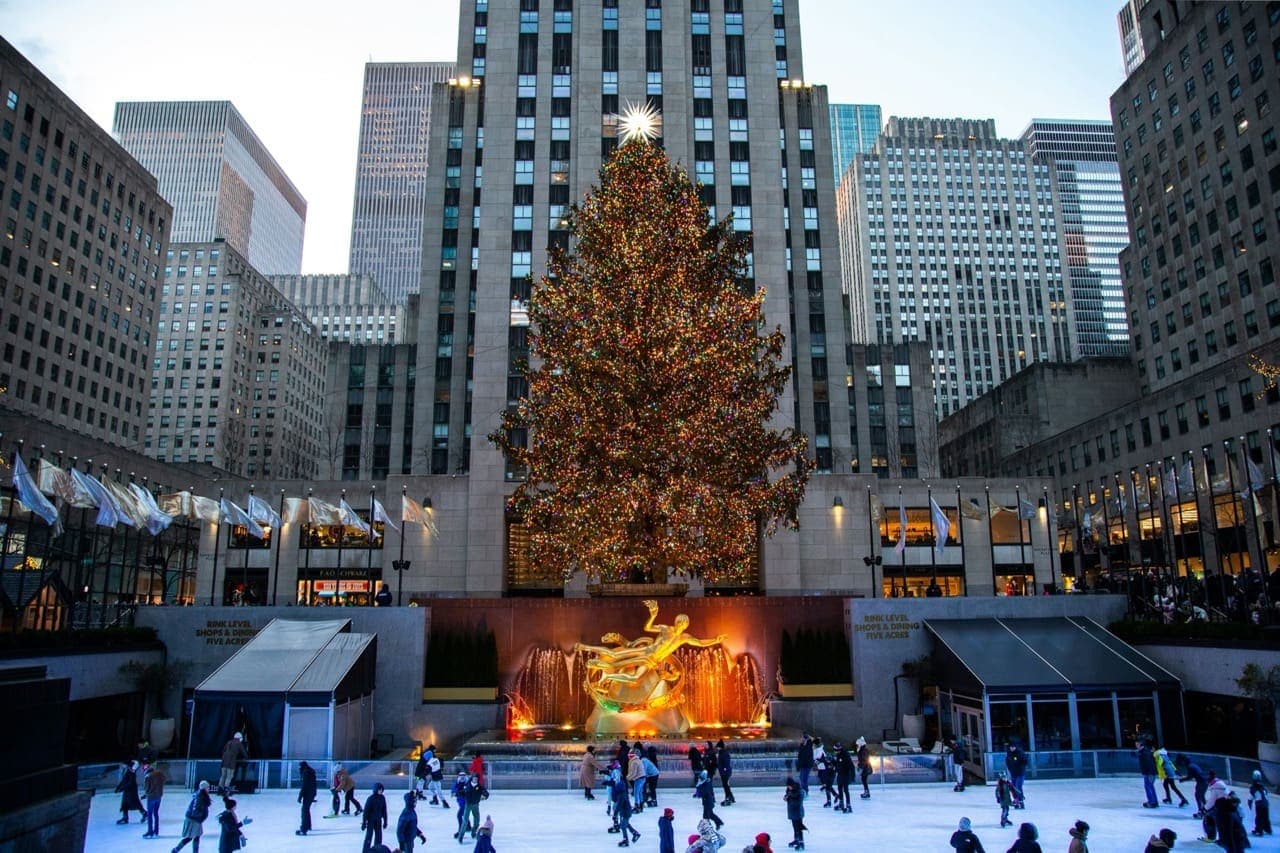
    Rockefeller Center

    An Art Deco complex born in the worst of the Great Depression, when almost no one dared to think about the future. One of the most famous photos in history was likely taken here. Which one — and what this place was originally meant to be — in the audio.

  • St. Patrick's Cathedral, New York

    St. Patrick's Cathedral

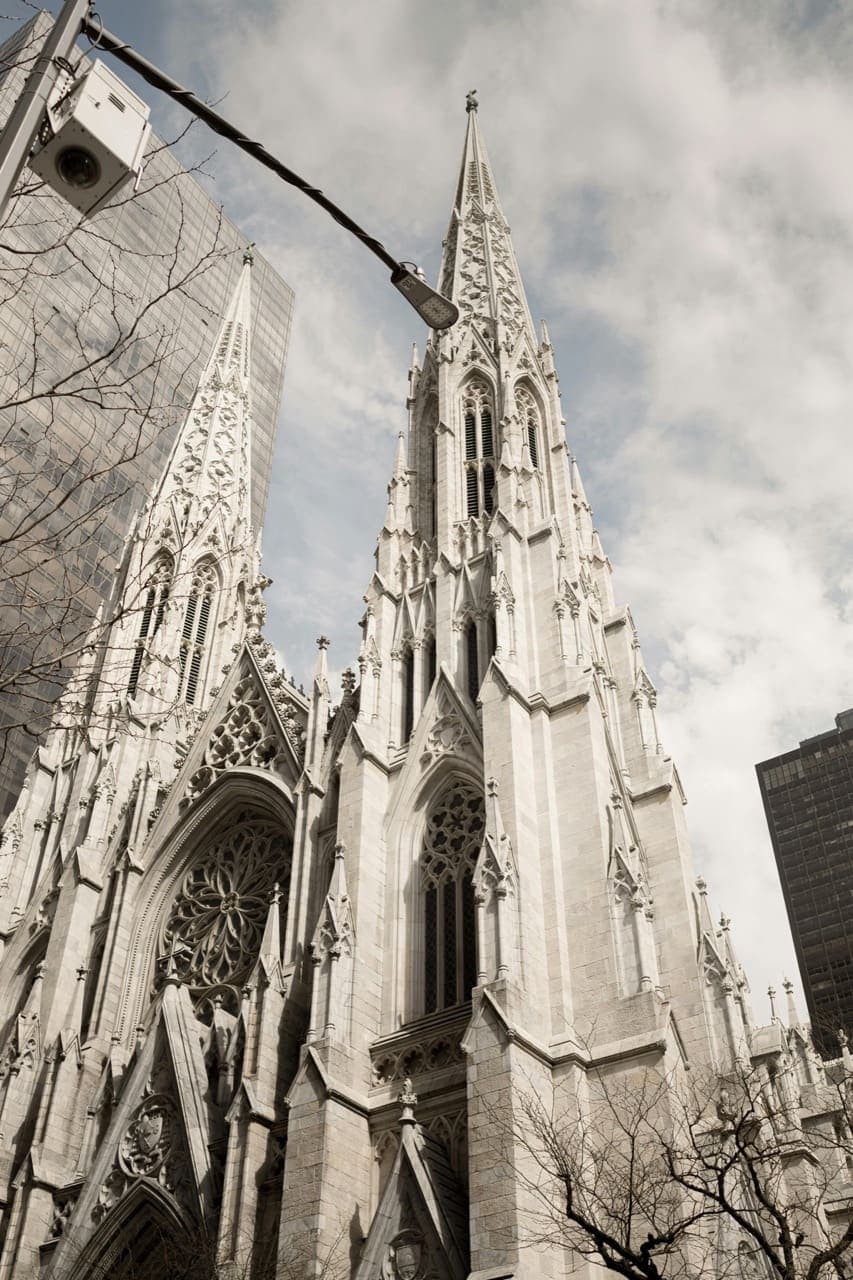
    When they began building this neo-Gothic cathedral, in 1858, many thought it was madness: it stood far from the city. Today skyscrapers ring it. It's, above all, the story of an immigrant community finding its place. Whose, in the audio.

  • Empire State Building, New York

    Empire State Building

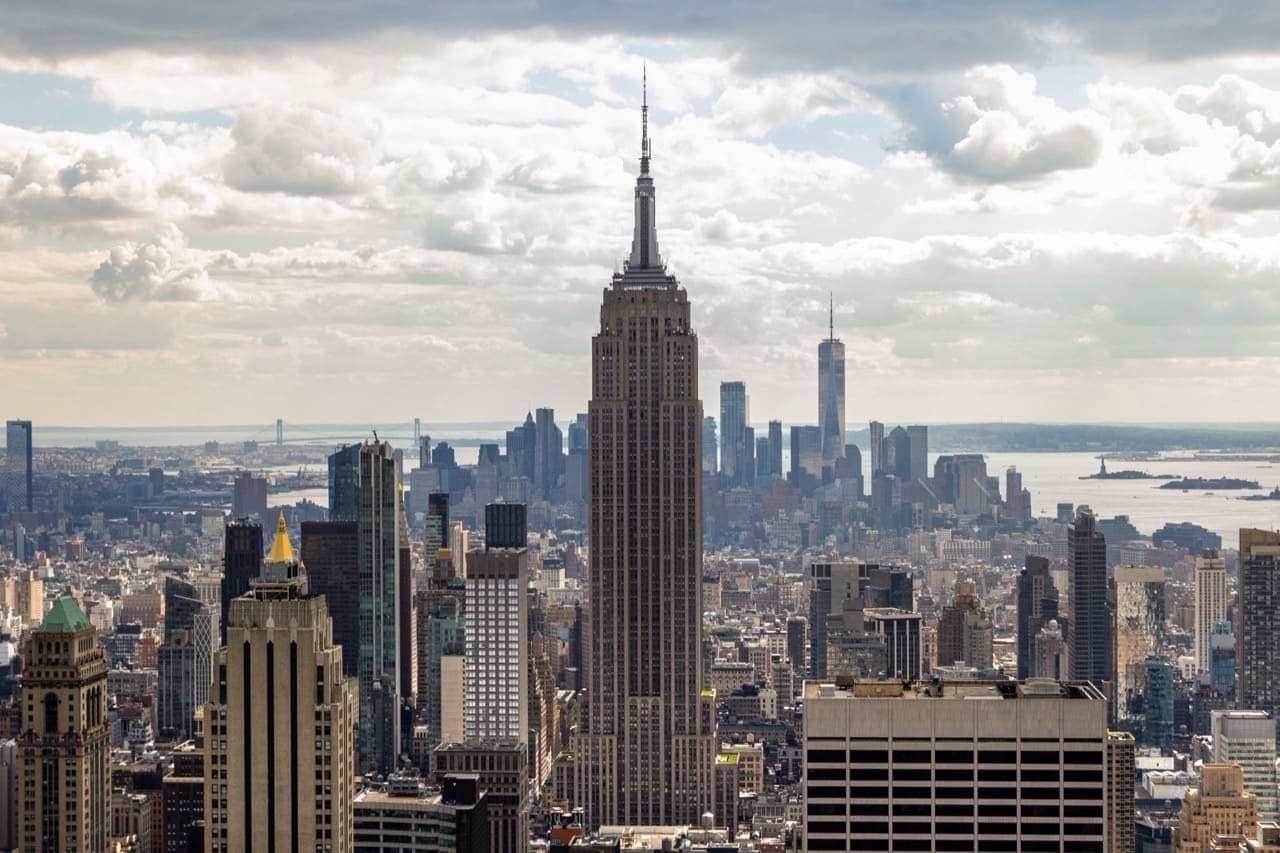
    The skyscraper that rose in the depths of the Great Depression, in barely over a year. It was the tallest in the world for nearly four decades. Its spire wasn't just decorative: it was meant for something that sounds unbelievable today. For what — and what happened when a plane struck it — in the audio.

  • Flatiron Building, New York

    Flatiron Building

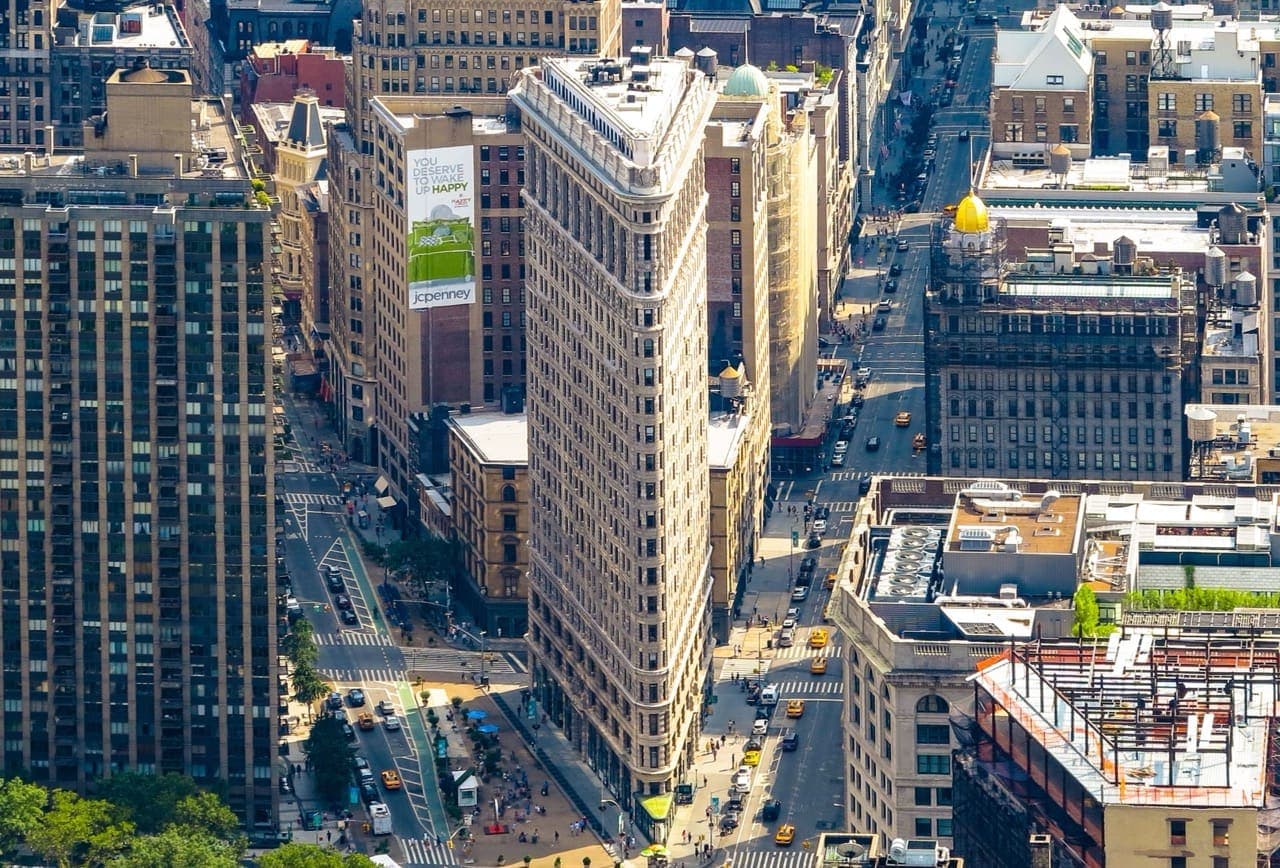
    A triangular skyscraper from 1902, so thin at its tip that many thought the first storm would topple it. Not only did it stand: it changed even the city's vocabulary. Why crowds gathered to watch it on the corner, we tell in the audio.

  • Washington Square Park, Greenwich Village

    Washington Square Park

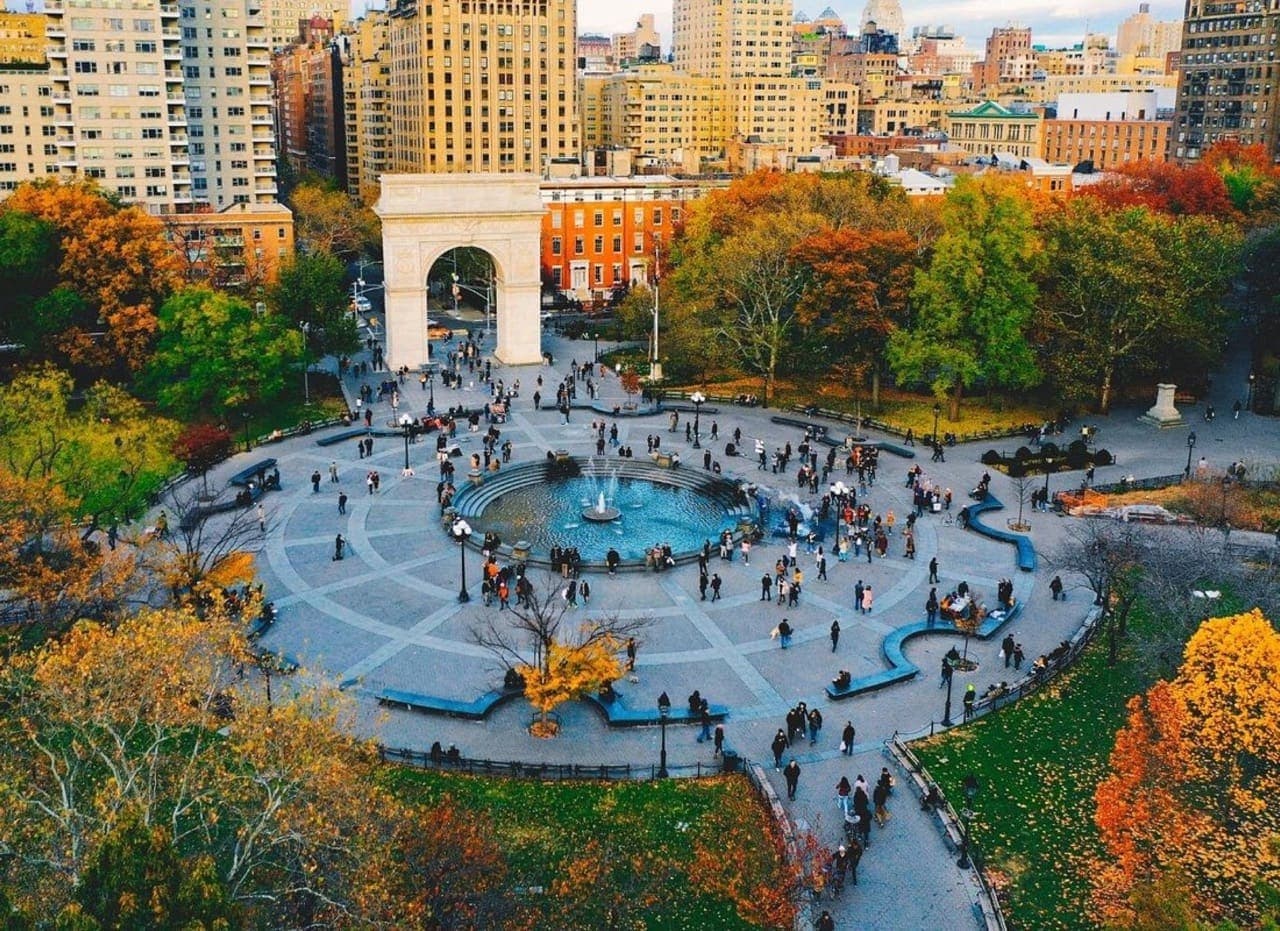
    A park with a great marble arch, the heart of the Village. Before it was a square, this ground was for years an enormous cemetery: thousands are still thought to lie beneath your feet. And the arch you see wasn't the first. Both stories, in the audio.

  • Greenwich Village, New York

    Greenwich Village

    A neighborhood that resists Manhattan's grid: its streets go every which way, and there's a historical reason. Here the city slowed down and made room for poets, musicians and activists. Why the Village is unlike anywhere else, in the audio.

  • Stonewall Inn, Greenwich Village

    Stonewall Inn

    It looks like just another Village bar. But one night in June 1969, the people inside decided not to leave in silence. It wasn't the first protest of its kind, and still it changed everything: a year later the first Pride march was born. What happened that night, in the audio.

  • Central Park, New York

    Central Park

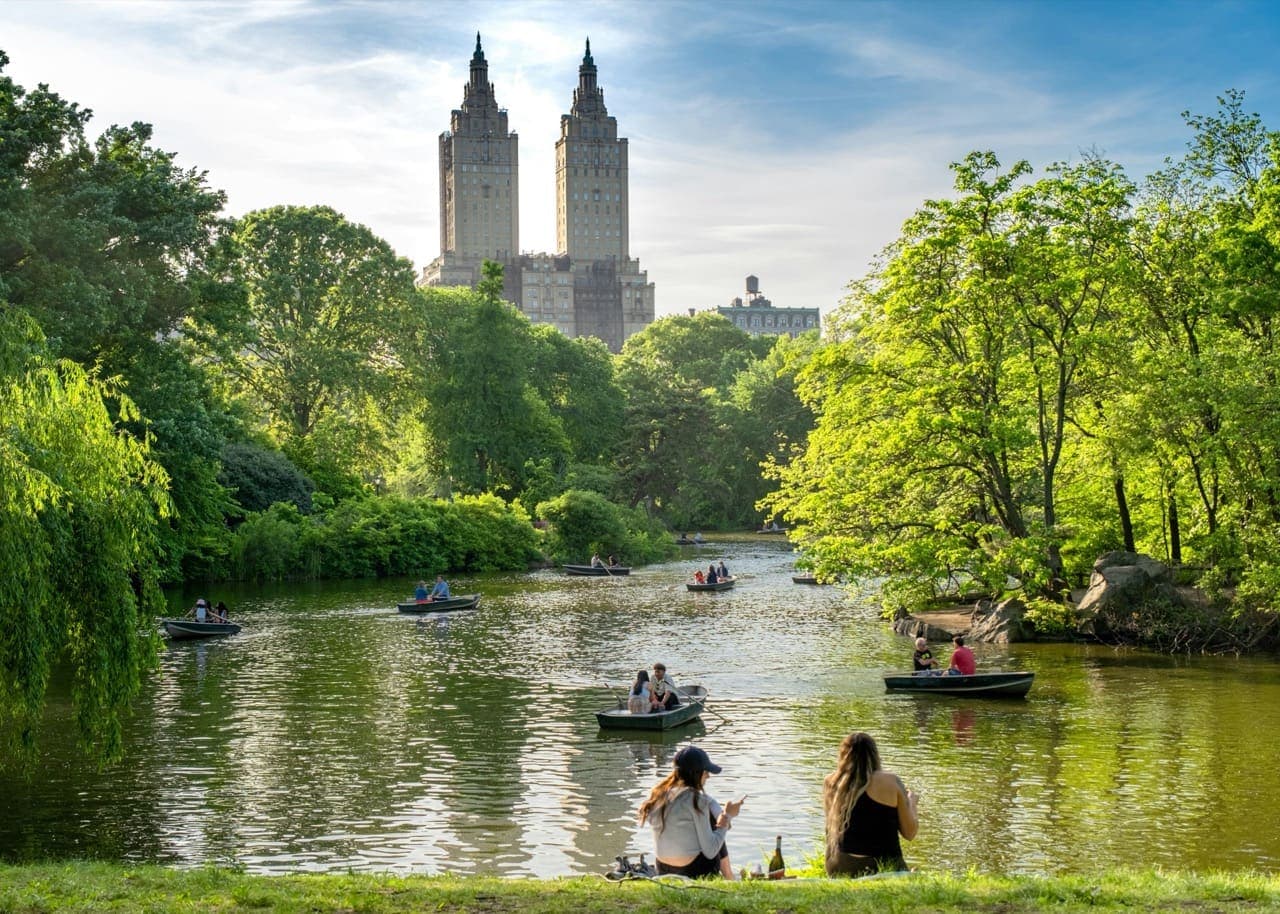
    It looks like a natural landscape that was always here. It's exactly the opposite: every lake, hill and path was designed and built by hand. And before the park, a community lived here that's almost never mentioned. Who they were, in the audio.

  • Harlem, New York

    Harlem

    Harlem isn't looked at: it's listened to. This neighborhood changed a whole country's culture — from jazz to gospel — and was fertile ground for civil rights. Hundreds of thousands came here seeking another life. Where they came from and what they built, in the audio.

  • Apollo Theater, Harlem

    Apollo Theater

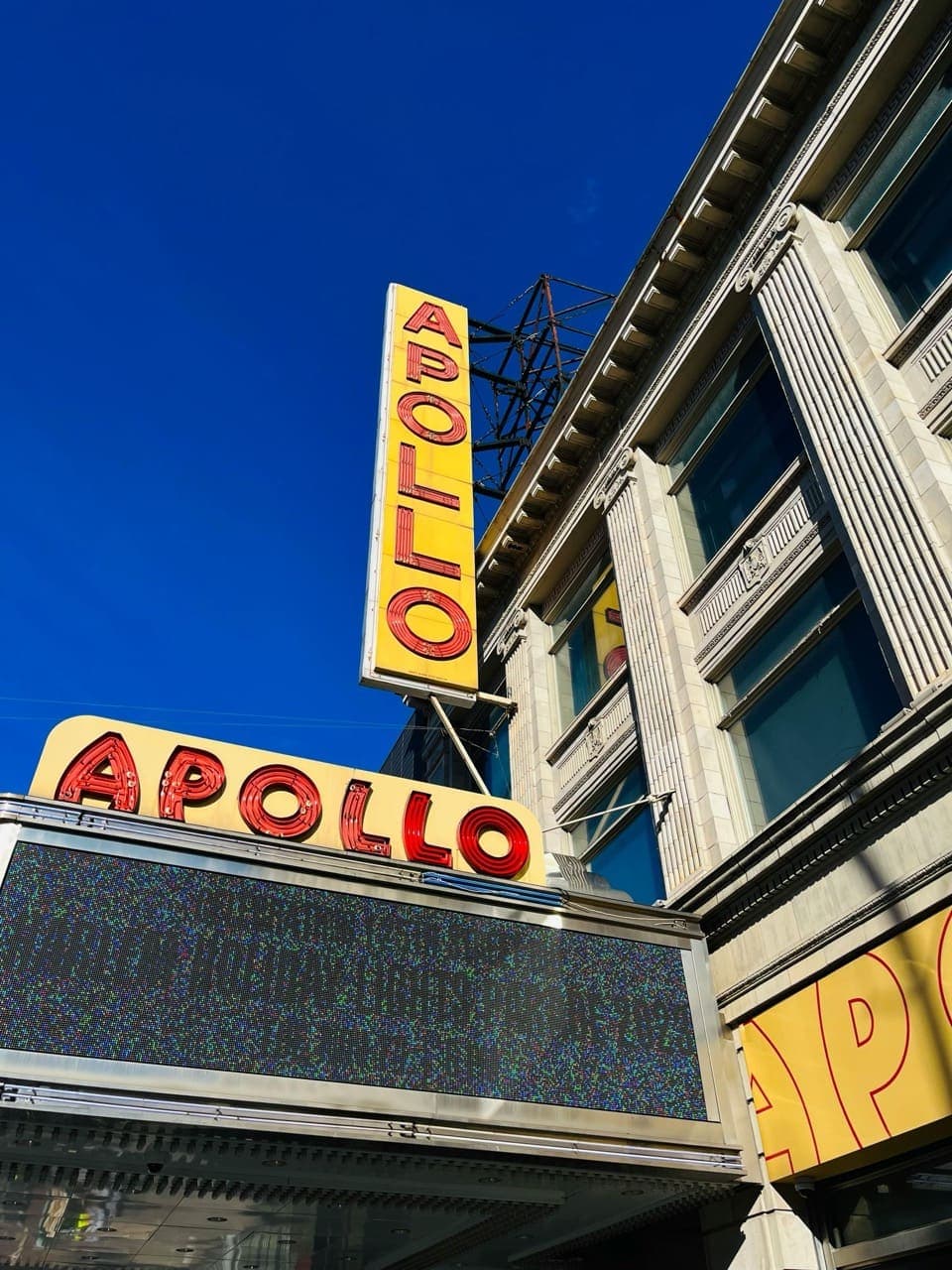
    Harlem's most famous stage, with an audience famed as one of the toughest in the country. Its legendary "Amateur Night" launched artists who went on to change music. There's a feared character and a lucky stump singers touch before going on. Why, in the audio.

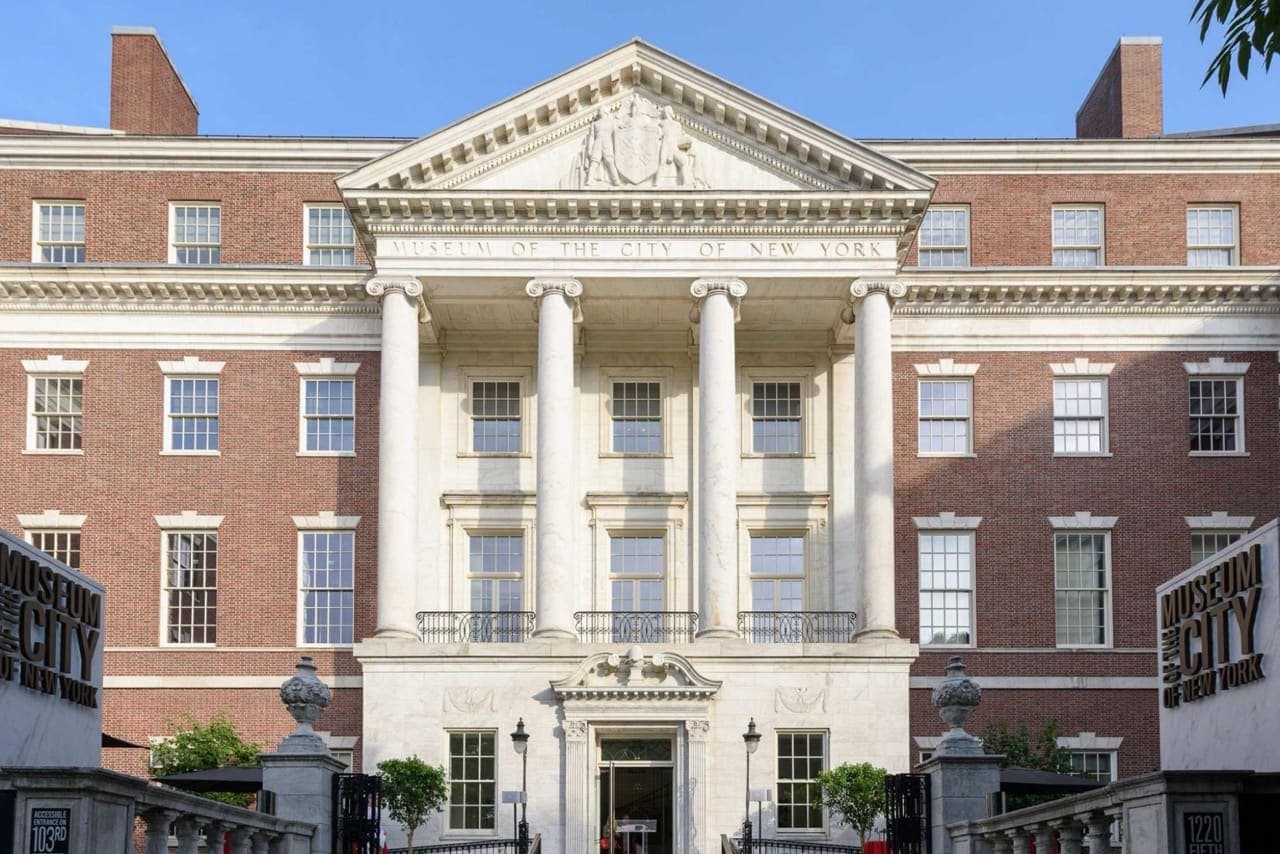
  • Museum of the City of New York

    Museum of the City of New York

    A museum whose protagonist is the city itself. It gathers four centuries of New York, from the Lenape and New Amsterdam to today's social movements. A good place to tie the threads: how Ellis Island, Central Park, Wall Street and Harlem are one story. In the audio.

  • Grant's Tomb, New York

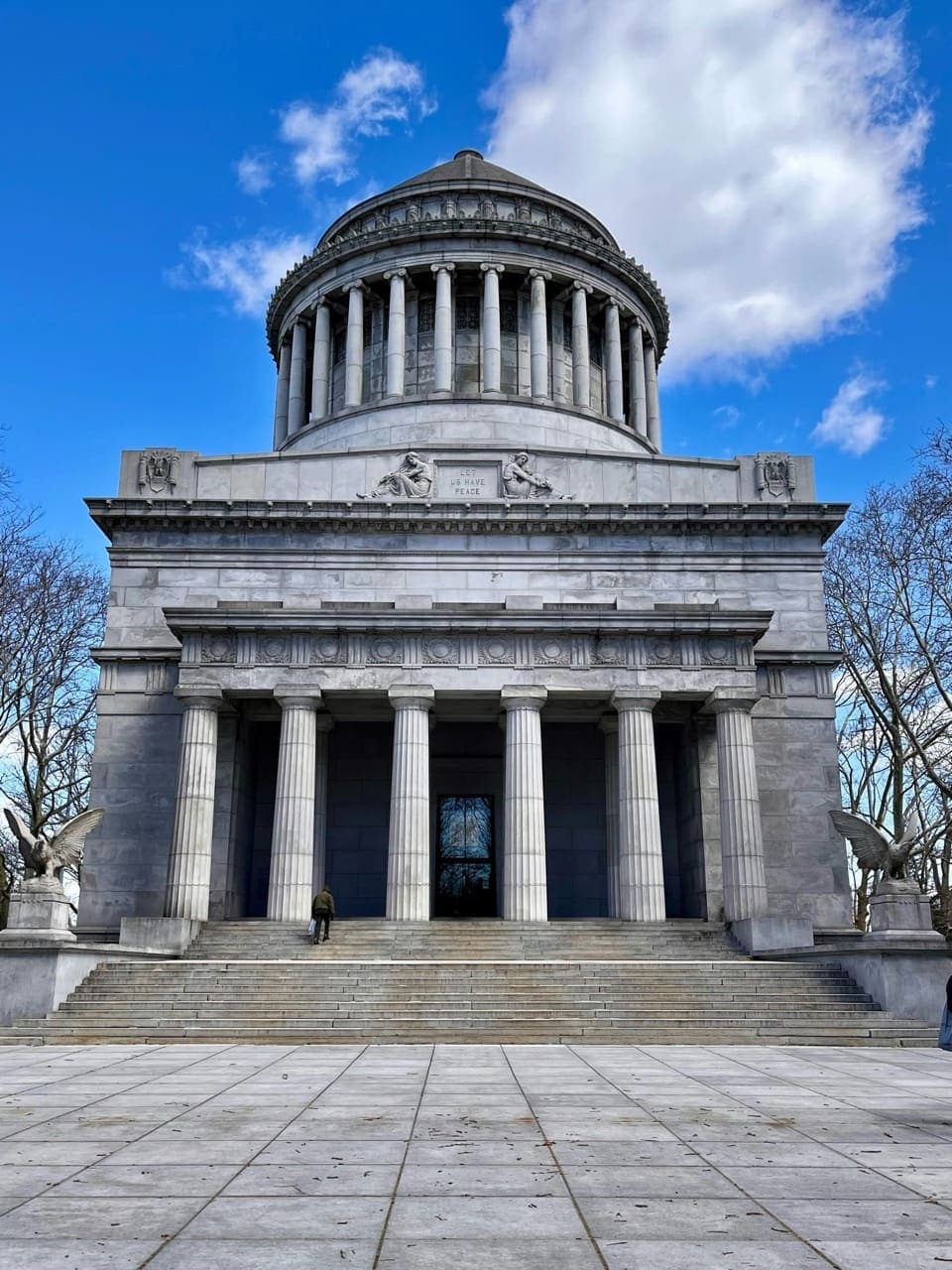
    Grant's Tomb

    The granite mausoleum of Ulysses S. Grant, Union general and president. He was, probably, the most famous American in the world in his time; today almost no one remembers him. There's a famous riddle about this place, with an unexpected answer. In the audio.

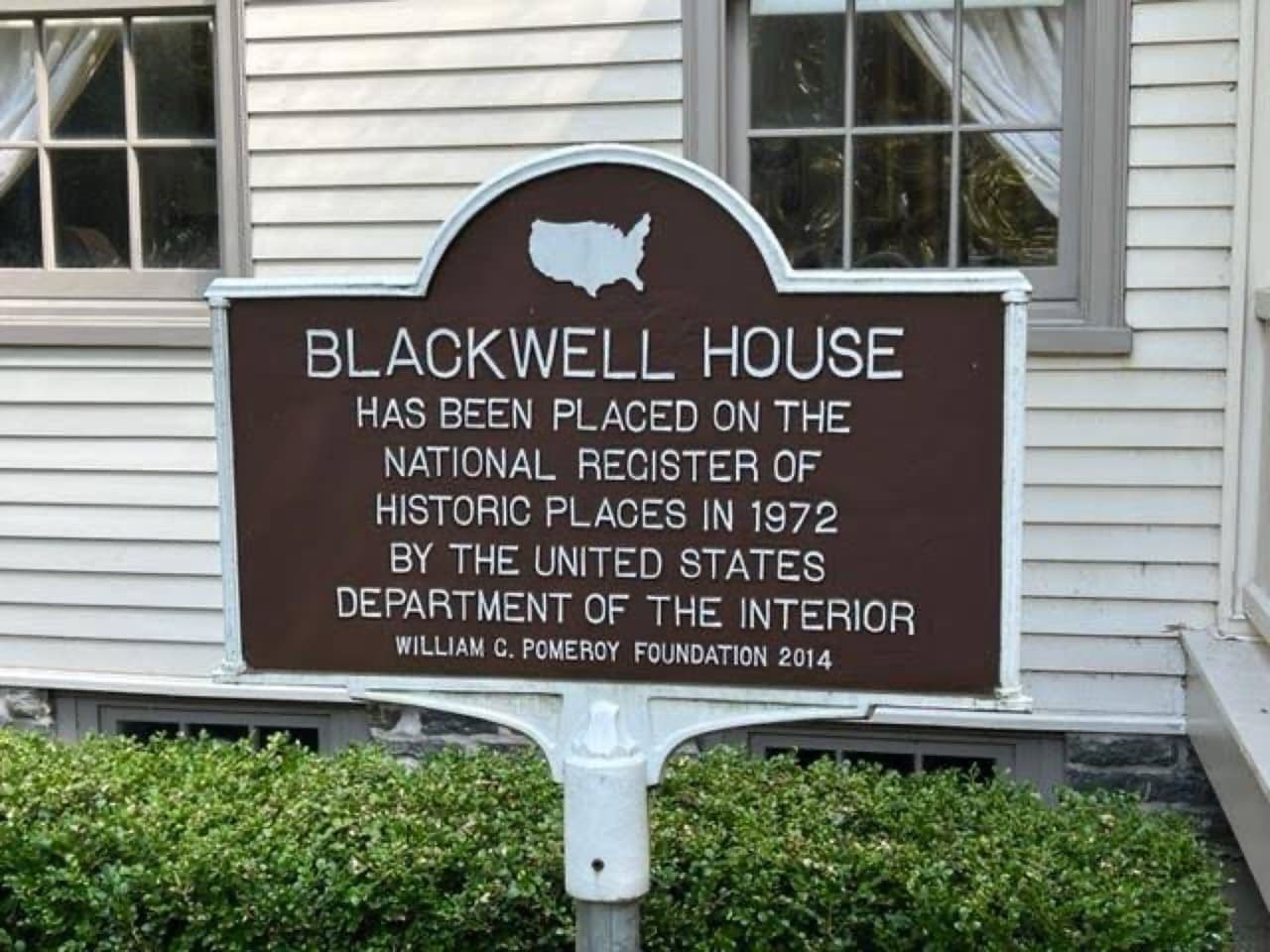
  • Roosevelt Island & Blackwell House

    Roosevelt Island & Blackwell House

    A narrow island in the East River where New York sent what it didn't want to see: hospitals, an asylum, a prison. Here a journalist faked madness to report what happened inside. What she found changed things. What she saw, in the audio.

FAQ

About New York on Ruthy

Lucas Botta, creator of Historia en Podcast. Researched and narrated by a person, not AI-generated.

Pick New York, head out with headphones, and follow the compass to each place; when you arrive, press play. It's a compass, not a GPS: you wander and discover, with no route imposed.

Spanish, written and narrated by Lucas Botta. An English version is coming later.

Yes. The stories stream, so you need a connection while you walk (data or an eSIM). In exchange, it takes up no space on your phone.

34 places with 40 stories: from Lower Manhattan (Wall Street, Ellis Island, the 9/11 Memorial) to Midtown, the Village, Central Park, Harlem and Brooklyn, plus a seven-chapter general history of the city.

Lower Manhattan is fully walkable, and Midtown and the Village too, by area. To jump between farther neighborhoods (Harlem, Brooklyn) the subway is the natural choice; the islands (Ellis Island, the Statue of Liberty) are reached by ferry. Ruthy works the same: when you reach each point, you press play.

As much as you like. Each audio runs a few minutes: do Lower Manhattan in a morning, or stretch it across several days adding Midtown, the Village, Harlem and Brooklyn.

Real reviews

What Ruthy users say.

  • An original and very interesting proposal to discover cities in a different way. It's very easy to use, has a clear interface, and the stories are well narrated. I liked that it lets you explore at your own pace and choose what places to visit by proximity or interest. Without a doubt, it's an entertaining and educational option — ideal for tourists or to rediscover your own city.

    Jaz GonzálezApp Store
  • I used it on my trip and the descriptions, details, and information it provides are excellent. Highly recommended!

    Ale CarbaApp Store
  • This app is wonderful — it shows you everything you need to know about any place you visit.

    Lisandro HedinGoogle Play

Start with New York

You don't just see New York. You understand it.

Download Ruthy free and walk New York with all 34 stories activating in real time, right where it all happened.

Free · no ads · iOS and Android

Download Ruthy free