
Skip to content
Eiffel Tower

France · 36 places · 36 stories

Don’t visit Paris.
Understand it.

36 places. 36 stories. Roman Lutetia, royal capital, laboratory of revolutions: every street is a layer of two thousand years.

36 historical places in Paris with free audio guide

Free · no ads · iOS and Android

Paris in depth

Paris doesn't follow history. It pushes it.

Ruthy shows you Paris through 36 real places, narrated by Lucas Botta (Historia en Podcast) at the exact spot where each story happened. No group tour, no schedule, no shared headphones. Just you, the city, and a story that starts when you arrive and press play.

Paris looks like a postcard, but it's a battlefield of ideas. It was born from a river —first came the Seine, then the city—, it was Roman Lutetia, a seat of kings and a heart of the Church, and above all the great political laboratory of modernity: here absolute monarchy lived alongside the guillotine, and from here came the revolutions that changed the world. Even its beauty is political: Haussmann's boulevards were opened as much to dazzle as to prevent barricades. So you don't walk it ticking off icons, but understanding layers. Ruthy tells you standing right there, in no hurry.

All 36 places

Everything you'll find in Paris.

Each place with its own story, narrated right where it happened.

  • Eiffel Tower

    Eiffel Tower

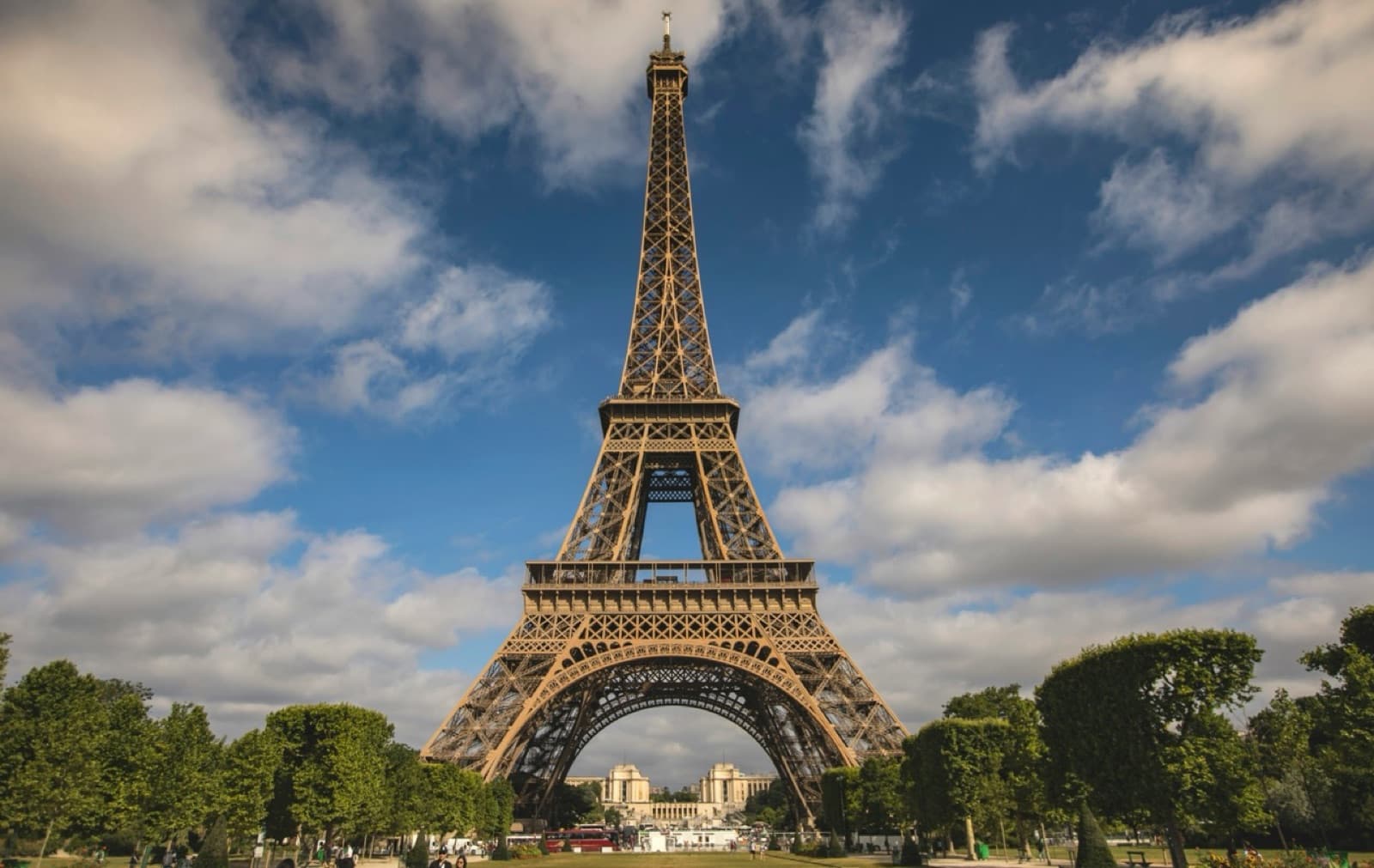
    Paris's tallest monument wasn't Eiffel's idea: two lesser-known engineers imagined it. Built for the 1889 World's Fair, mocked as a "factory chimney" and slated for demolition in twenty years. Something unexpected saved it —not its beauty. Today it's the symbol of France.
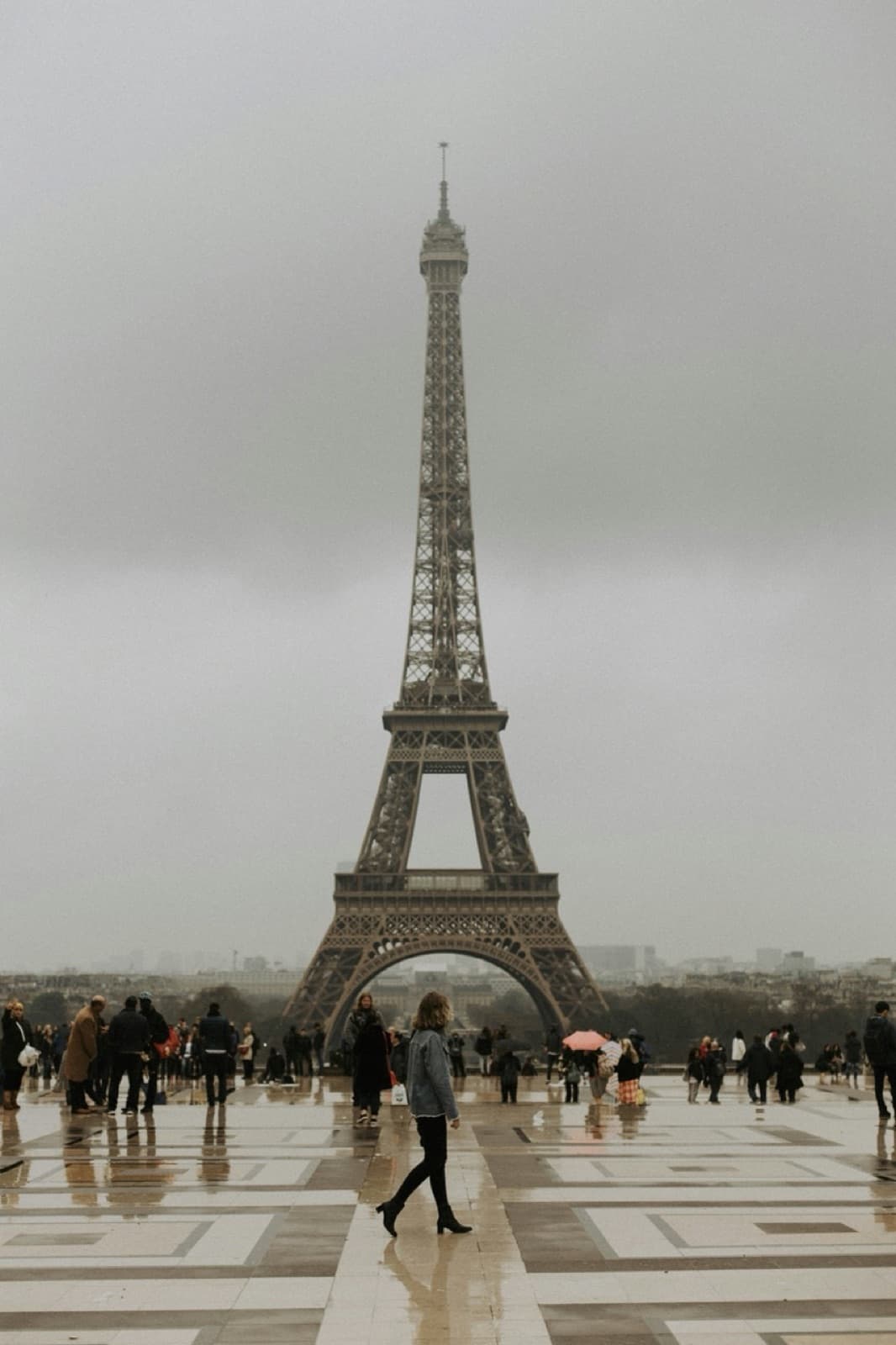
  • Champ de Mars in front of the Eiffel Tower

    Champ de Mars

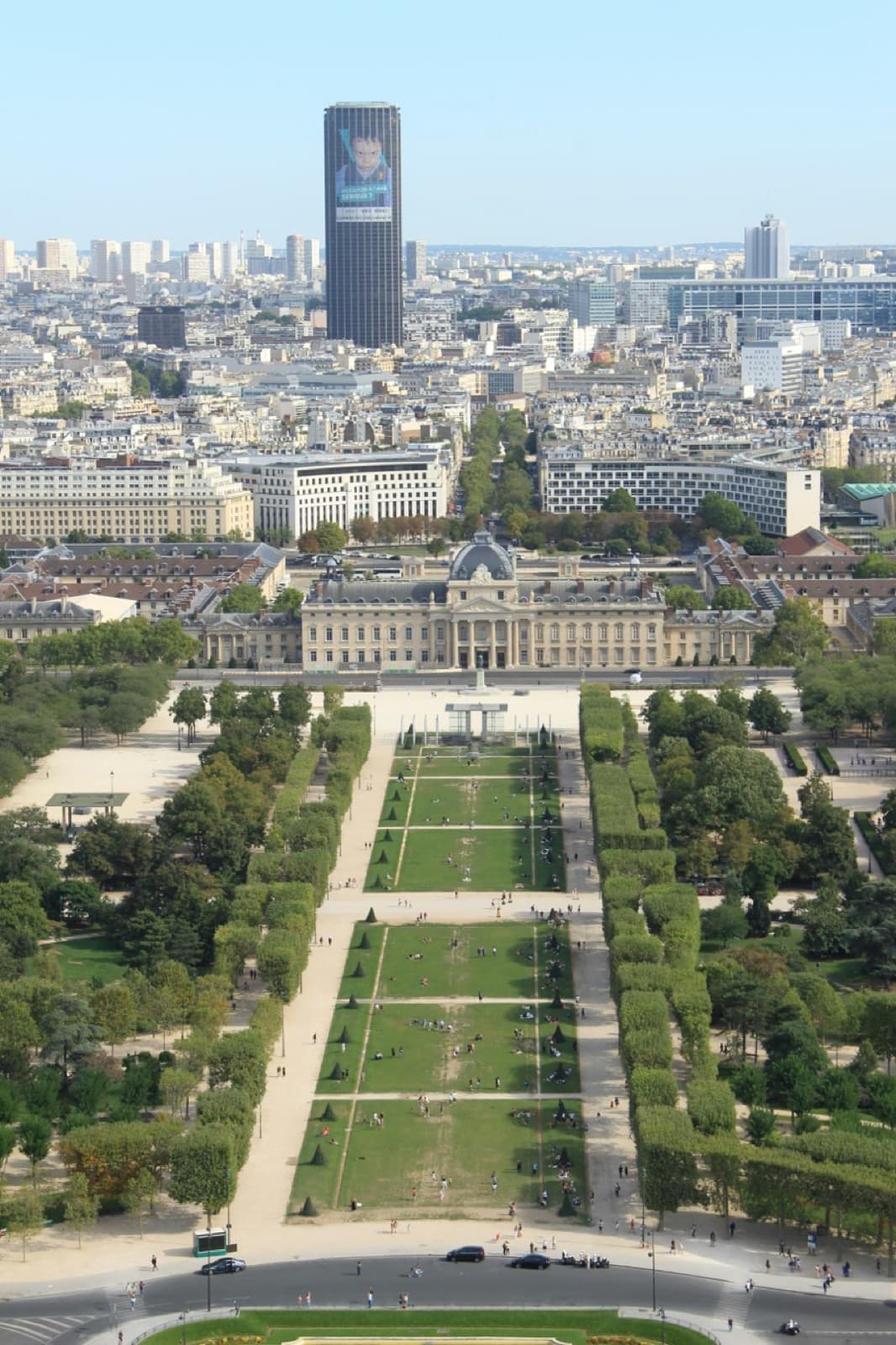
    The great lawn at the foot of the tower bears the name of the Roman god of war —and lived up to it: it was a military drill ground. But it also saw something else: in 1790 it hosted the Fête de la Fédération, at the height of revolutionary fervor. Today, the best place to face the Eiffel head-on.

  • Trocadéro with view of the Eiffel Tower

    Trocadéro

    The hill across the Seine takes its name from a Spanish fort captured in 1823. From the terraces of the Palais de Chaillot you get the classic view of the Eiffel Tower —the one in every photo. But the place holds more layers than its postcard lets on.

  • Palais de Chaillot at Trocadéro

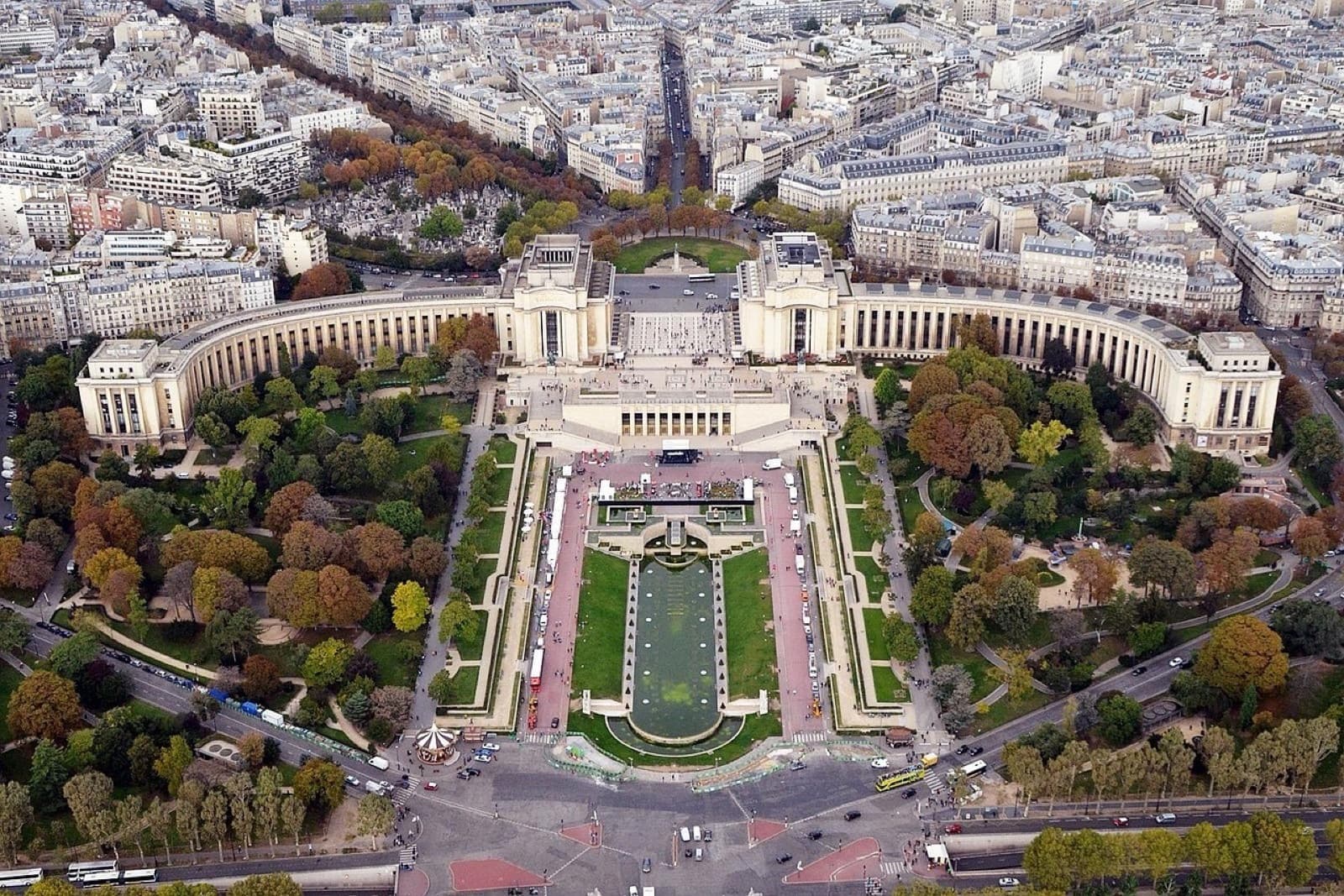
    Palais de Chaillot

    Two curved wings and a terrace that frame the Eiffel Tower like a painting. Built for the 1937 International Exhibition, it now houses the Museum of Mankind and the architecture museum. More than a building, it's the balcony from which Paris looks at itself.

  • Champs-Élysées avenue

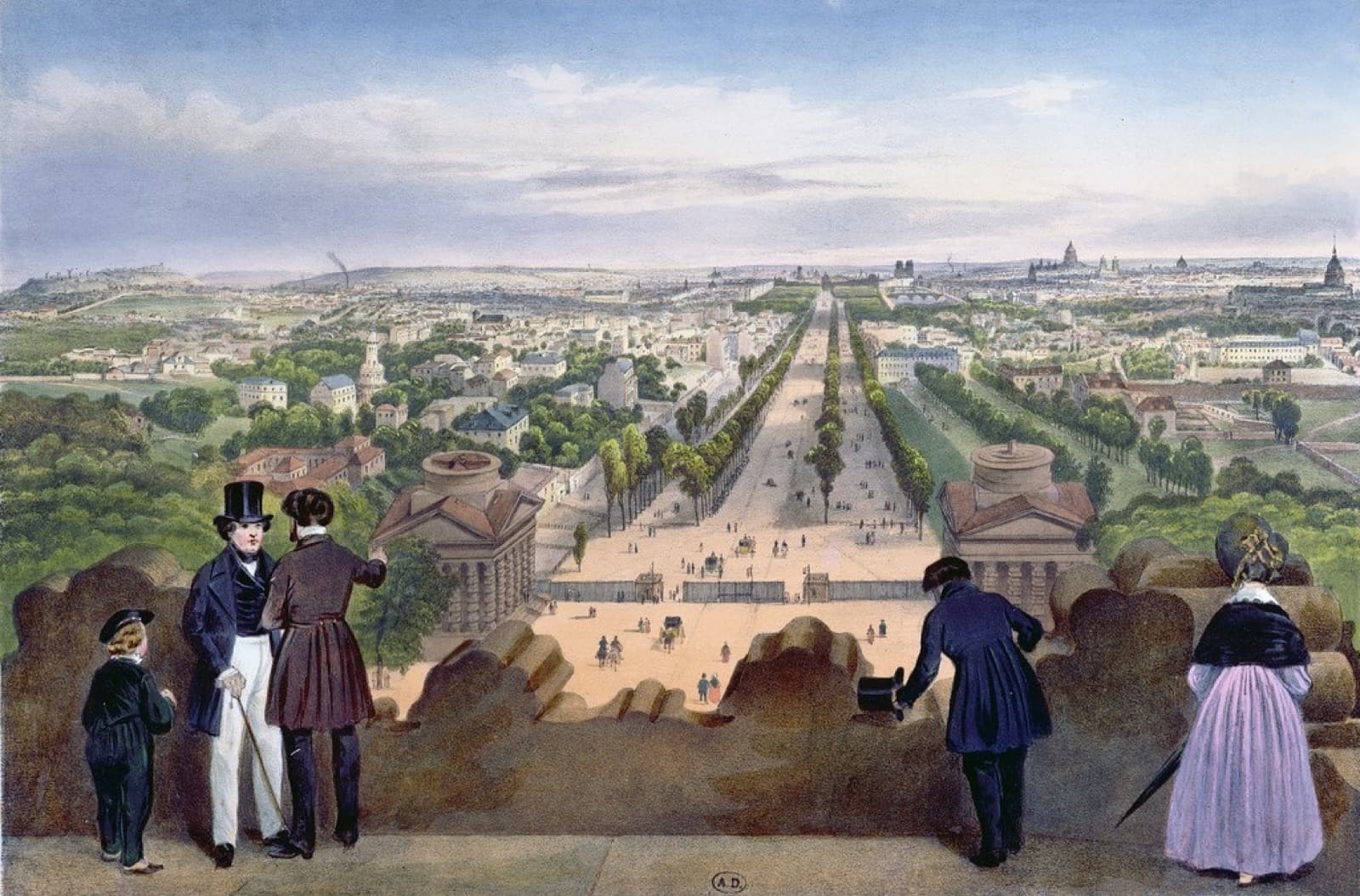
    Champs-Élysées

    Laid out in the 17th century as a royal perspective, it became the "most beautiful avenue in the world" and the stage where France celebrates and parades. From the Concorde to the Arc de Triomphe, a straight line that is, in fact, a declaration of power.

  • Arc de Triomphe

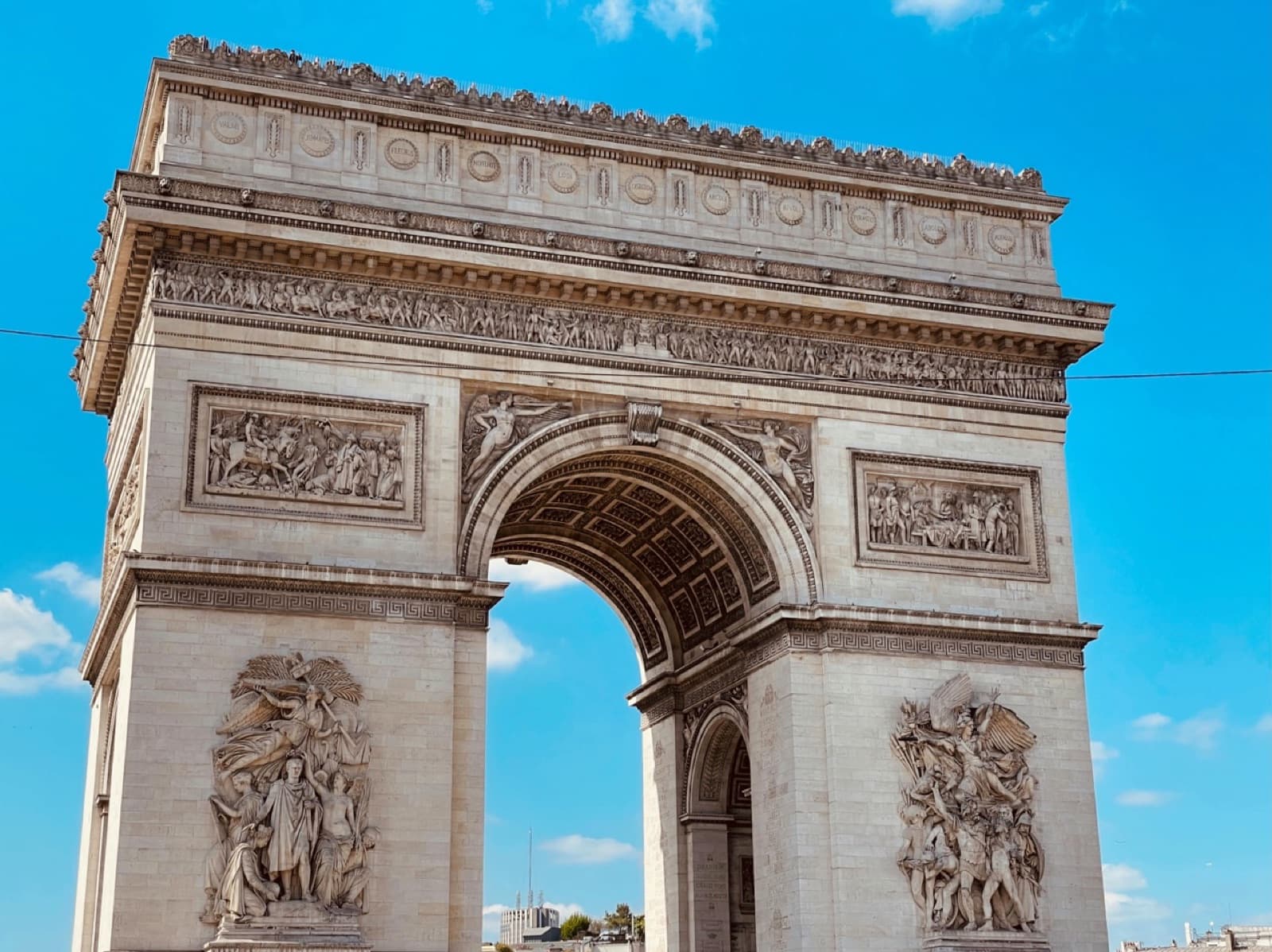
    Arc de Triomphe

    Napoleon commissioned it after Austerlitz to honor his Grande Armée —but died without seeing it finished. Beneath the arch, the Tomb of the Unknown Soldier and an eternal flame for the dead of the Great War. The history of France passed through here, in its victories and its defeats.

  • Place de la Concorde with the Luxor obelisk

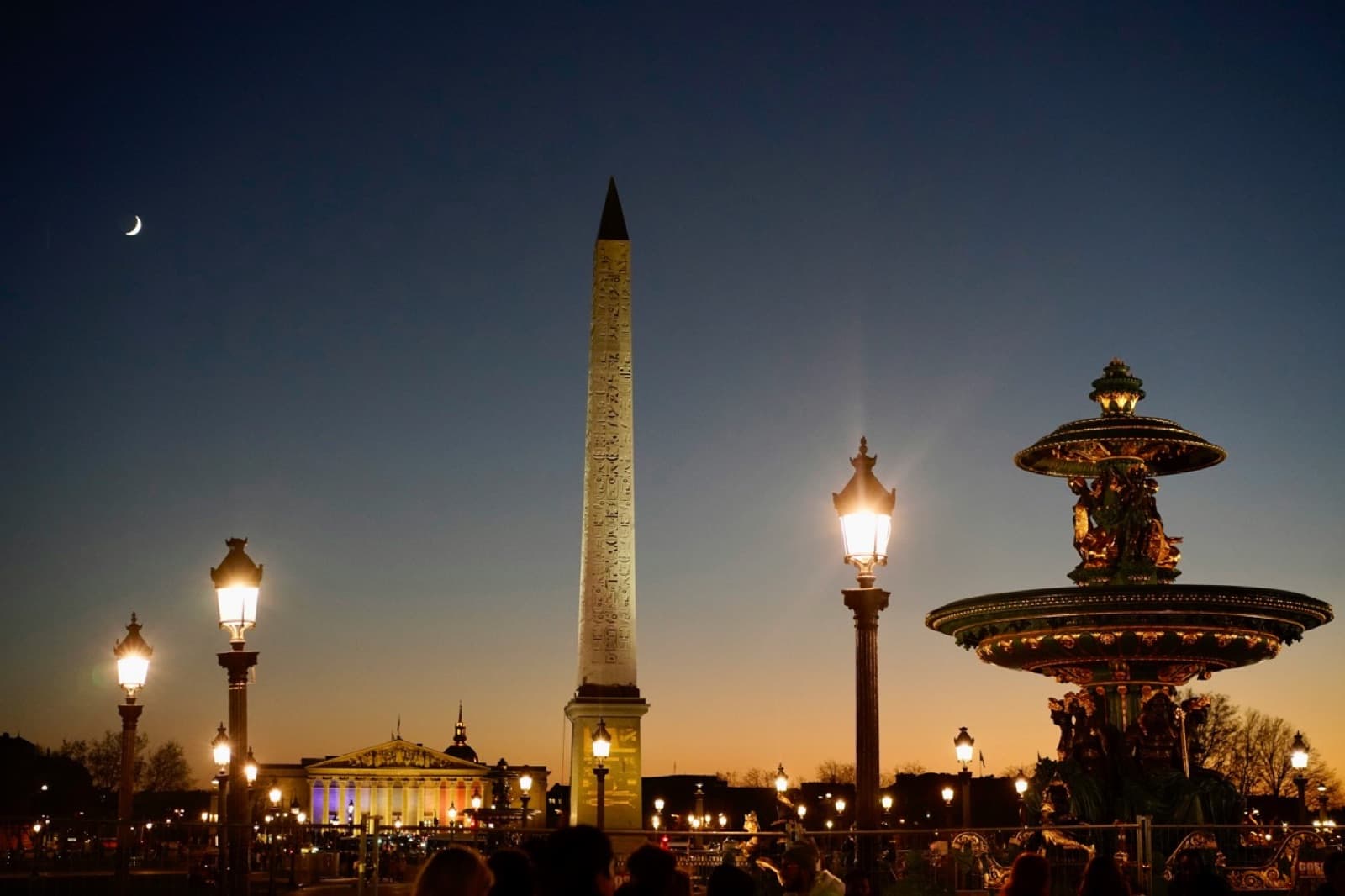
    Place de la Concorde

    Paris's largest square, serene today with its Egyptian obelisk and fountains. But the guillotine stood here: on this ground Louis XVI was executed, and hundreds more during the Terror. The name "Concorde" came to turn the page. Notice the axis: from the Arc de Triomphe to La Madeleine.

  • Grand Palais and Petit Palais on the Champs-Élysées

    Grand Palais and Petit Palais

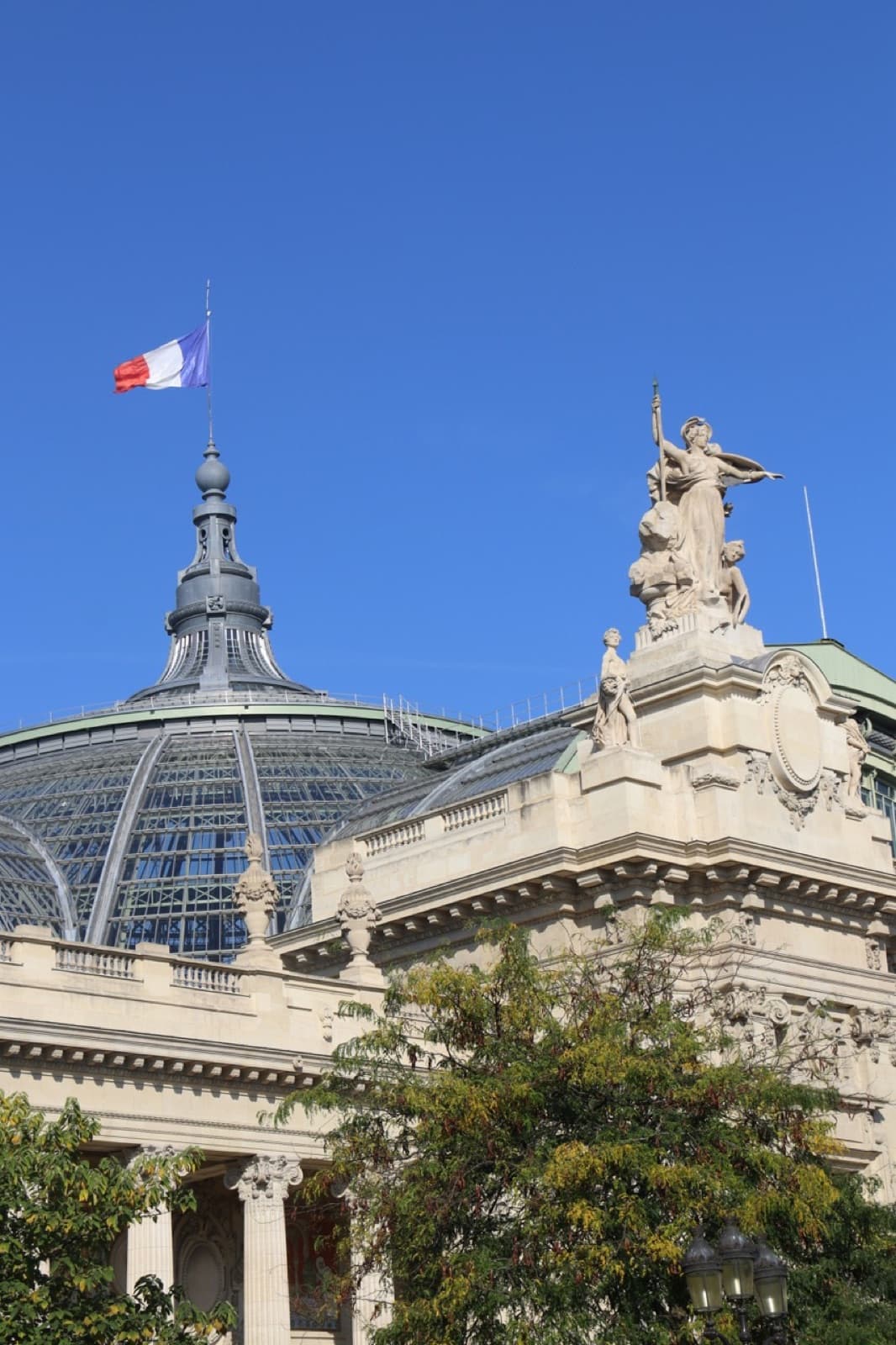
    Iron and glass to dazzle the world: the Grand Palais and Petit Palais were born for the 1900 World's Fair, when Paris wanted to show itself as the capital of progress. Under the great glass nave, the city's major exhibitions still pass through.

  • La Madeleine church on the axis from Concorde

    La Madeleine

    It looks like a Roman temple, and that was the idea: Napoleon conceived it as a temple to the glory of his army, not a church. It ended up consecrated anyway, and today hosts state ceremonies. It stands steps from the Concorde, on the same monumental axis.

  • Île de la Cité, historic core of Paris

    Île de la Cité

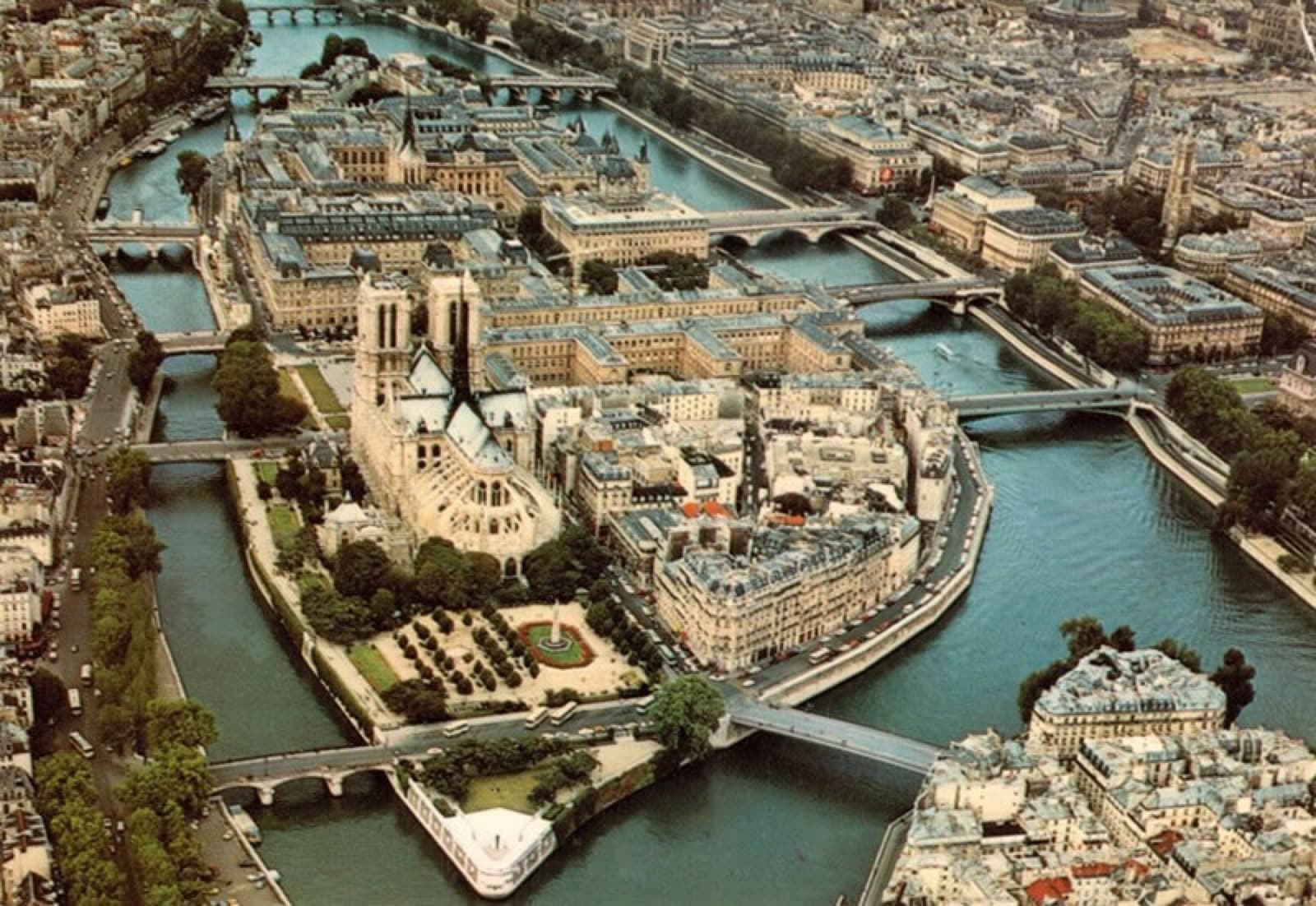
    Almost everything began here: the island in the middle of the Seine was the heart of Roman Lutetia and the medieval seat of kings and bishops. Notre-Dame and the Sainte-Chapelle sit at its center. Though —a fine point— Roman Paris grew more on the left bank than on the island itself.

  • View of the Seine islands in Paris

    Île Saint-Louis

    The smaller island behind the Cité was developed all at once in the 17th century, with elegant mansions. It keeps a quiet, residential air, almost from another century: a silent parenthesis steps from the bustle of Notre-Dame.

  • Notre-Dame Cathedral of Paris

    Notre-Dame de Paris

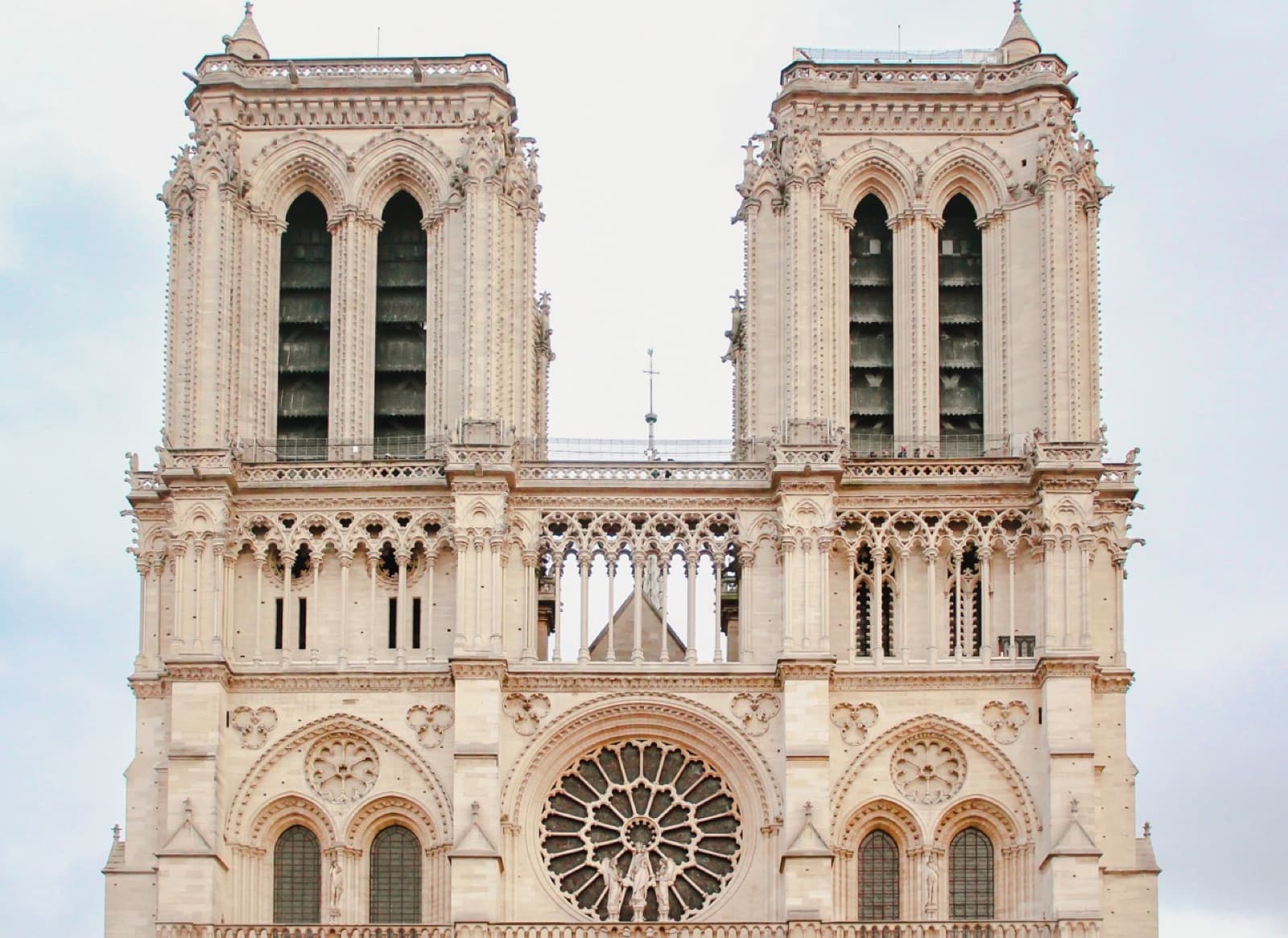
    Eight centuries of history in stone: here the Celts held rites and the Romans raised a temple to Jupiter. Kings were crowned, Napoleon crowned himself, and Victor Hugo rescued it from oblivion with a novel. The 2019 fire took the spire, but the stone held. It reopened in 2024.

  • Stained glass of the Sainte-Chapelle

    Sainte-Chapelle

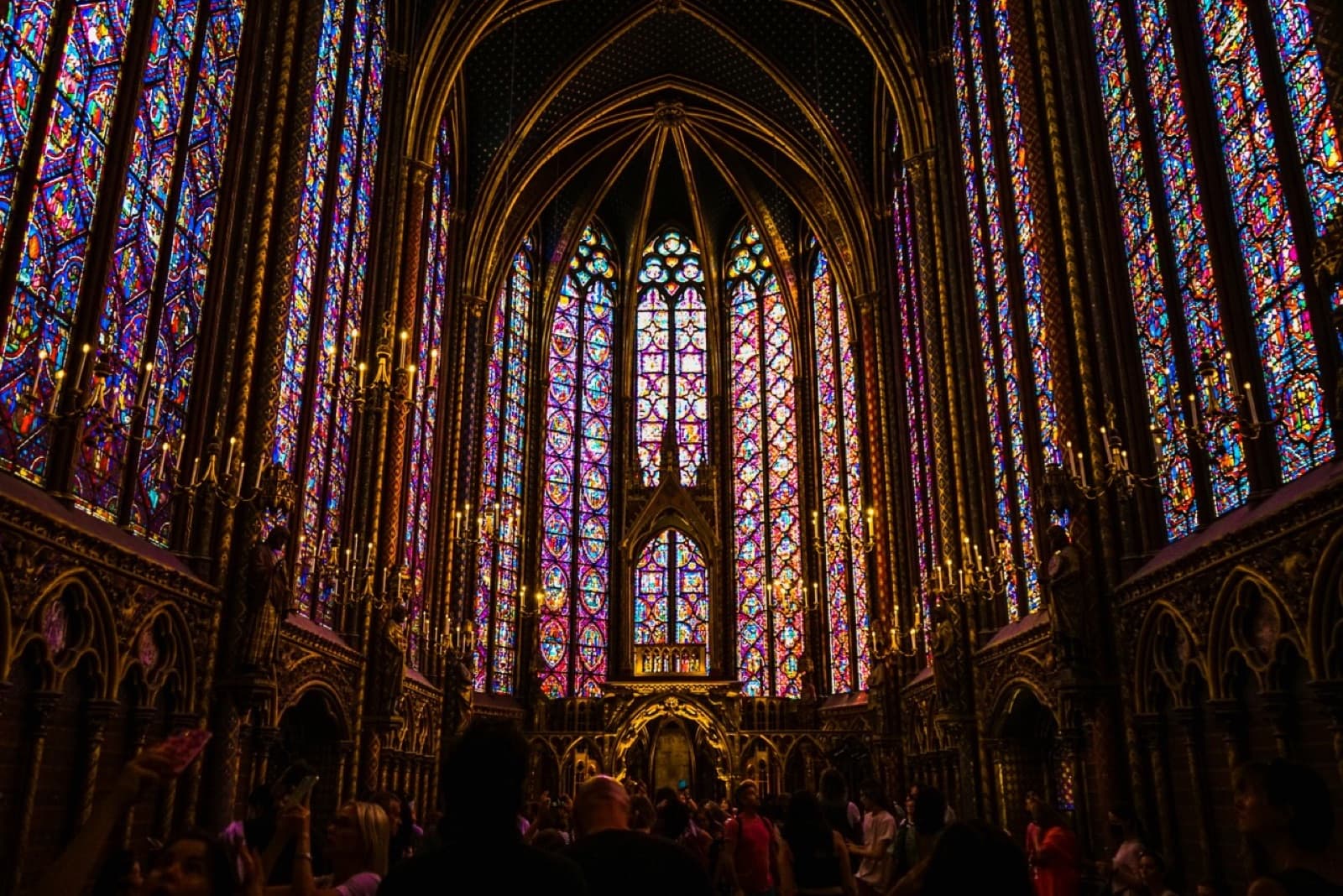
    A giant jewel box built to hold the Crown of Thorns, which Saint Louis carried barefoot through Paris. You climb a staircase and, suddenly, the walls vanish: fifteen meters of stained glass that wrap around you like a medieval kaleidoscope. Here the sky comes in through the walls.

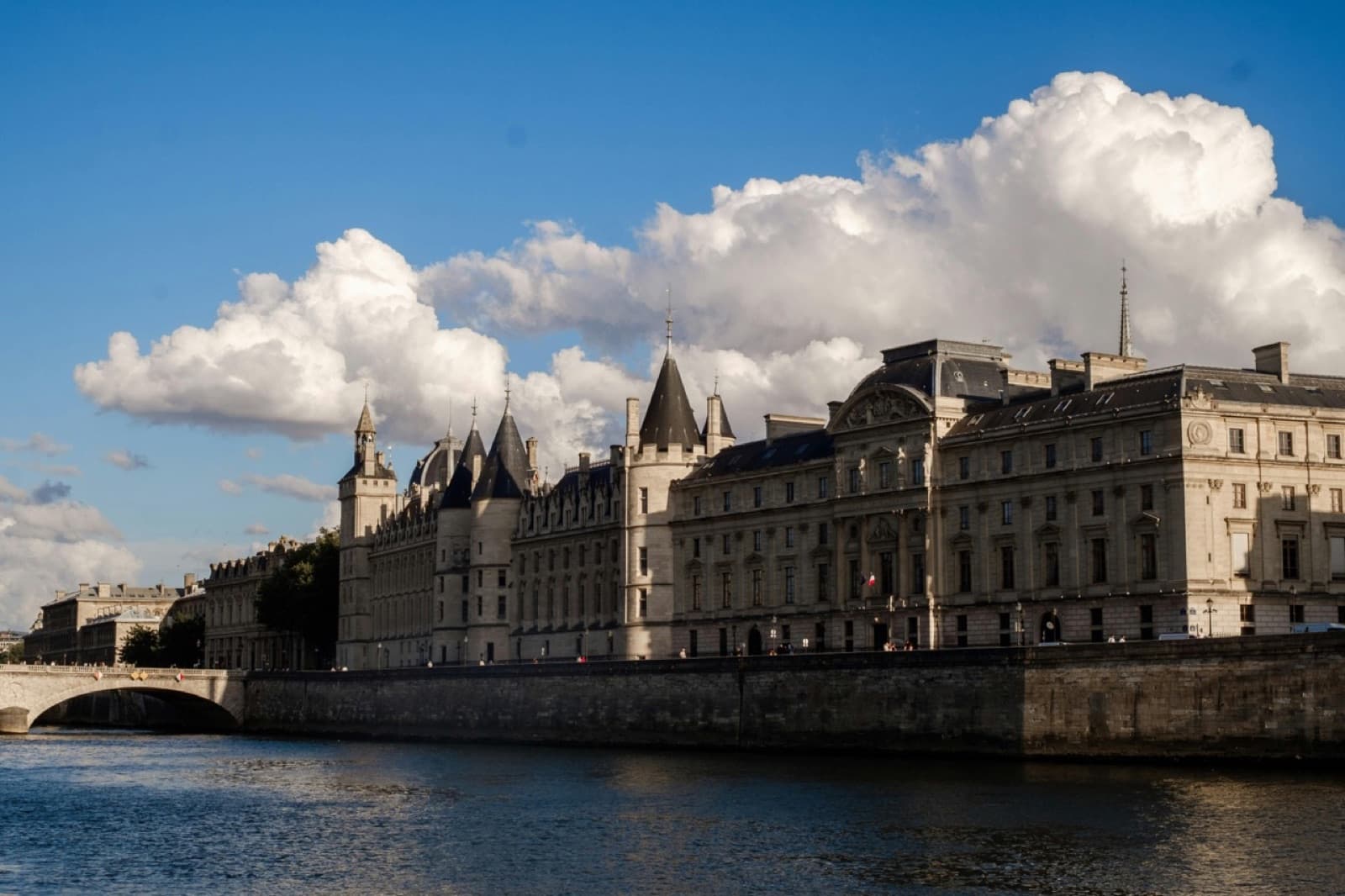
  • La Conciergerie on Île de la Cité

    La Conciergerie

    It was a royal palace and ended up the "antechamber of the guillotine." During the Terror, more than 2,700 prisoners spent their last hours here —among them Marie-Antoinette, in a bare cell looking onto the garden. Its almost ironic name comes from the palace concierge.

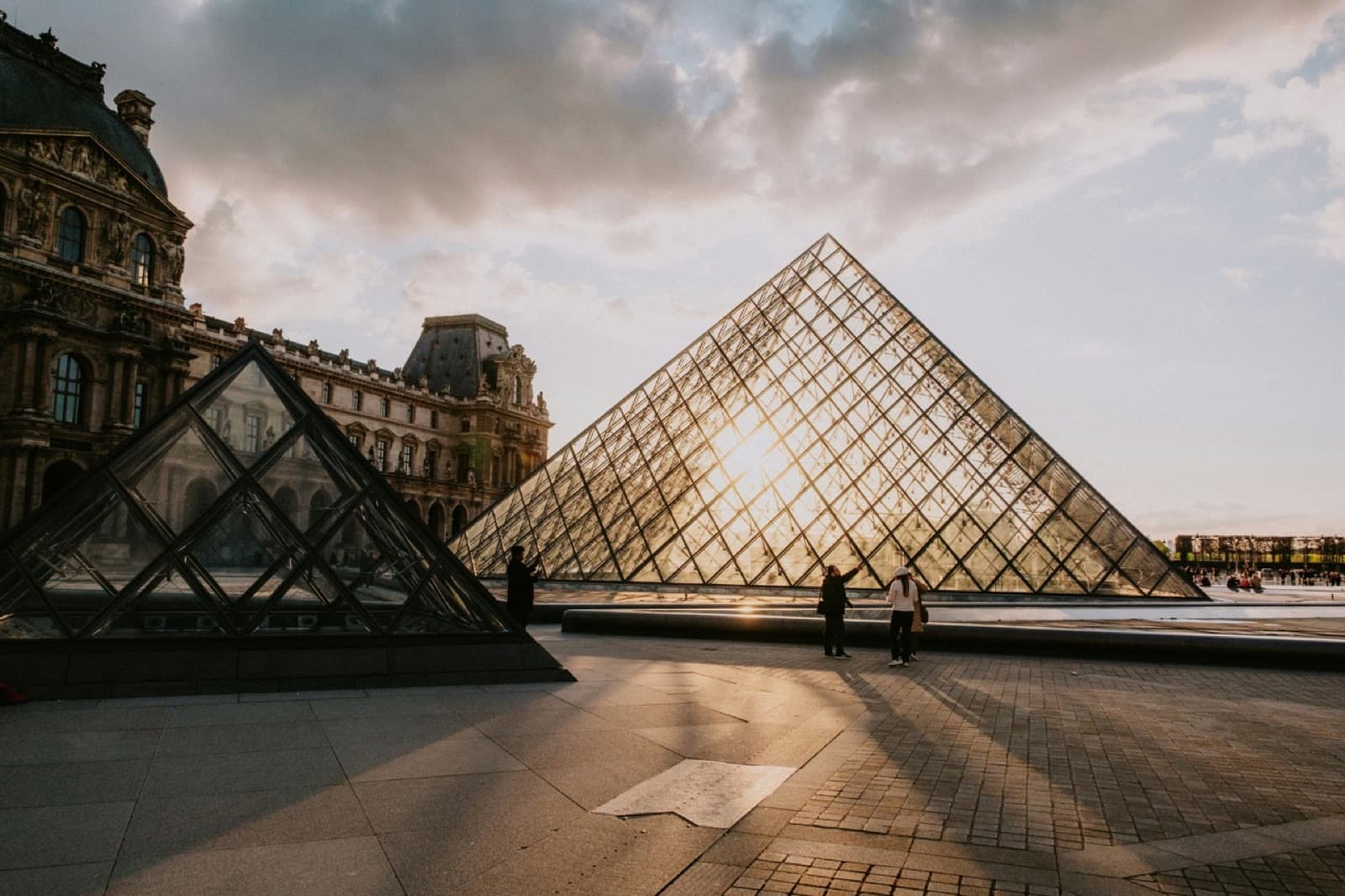
  • Louvre Museum and its pyramid

    Louvre Museum

    The world's most visited museum began as a medieval fortress —its walls are still in the basement. It was a kings' palace until the Revolution opened it to the people in 1793. It holds the Mona Lisa, stolen in 1911 by an Italian who wanted to "return" her to his country. It took two years to find her.

  • Louvre wing housing the Museum of Decorative Arts

    Museum of Decorative Arts

    In a wing of the Louvre palace itself, this museum tells another story: that of everyday objects raised to art. Furniture, textiles, jewellery, fashion and graphic design from the Middle Ages to today. The taste of each era, set behind glass.

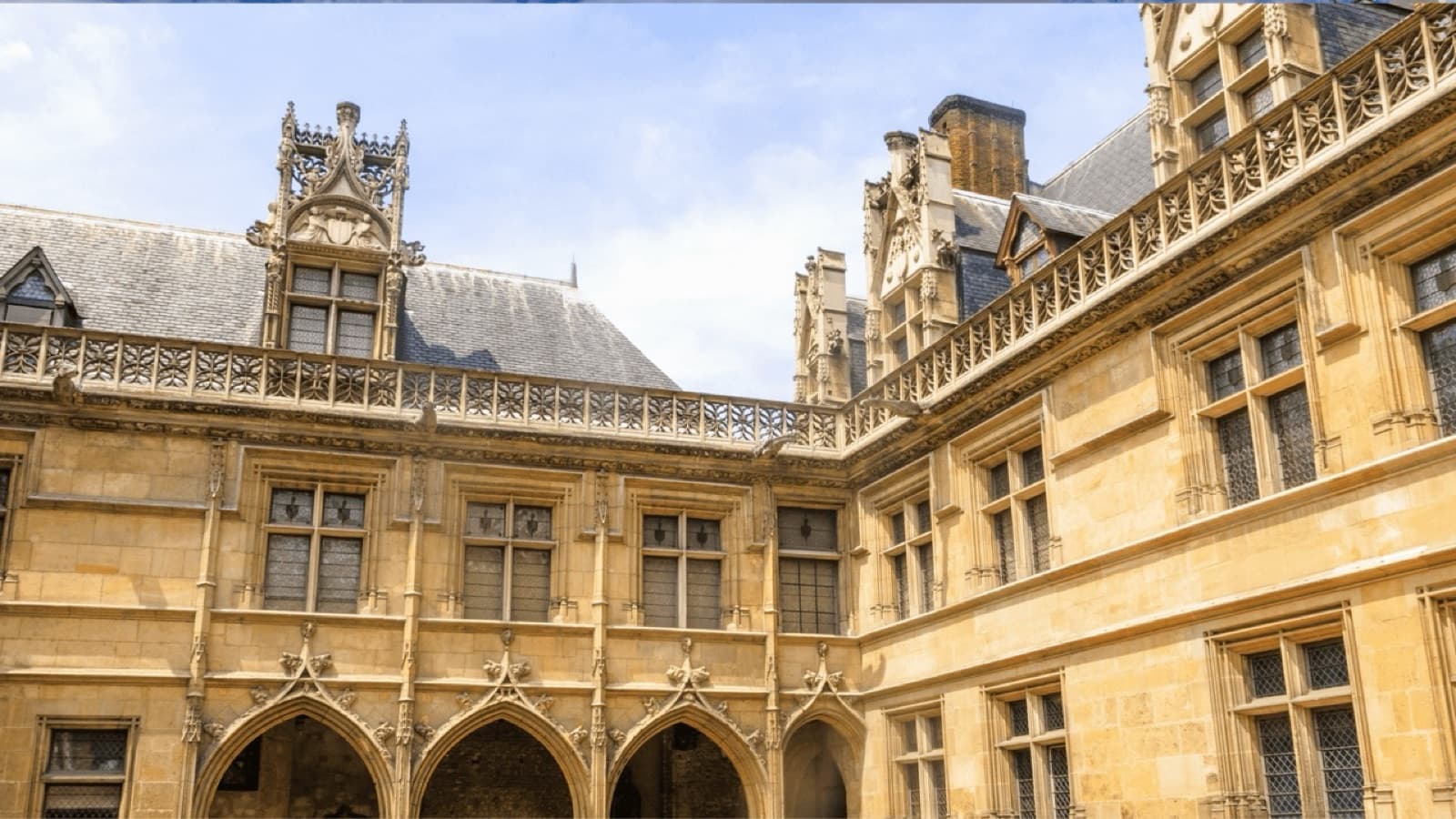
  • Cluny Museum in the Latin Quarter

    Cluny Museum (National Museum of the Middle Ages)

    A 15th-century abbey raised over Roman baths: two eras in a single building. Inside, one of Europe's finest medieval collections and the enigmatic "Lady and the Unicorn" tapestries. The art of the Middle Ages, told up close.

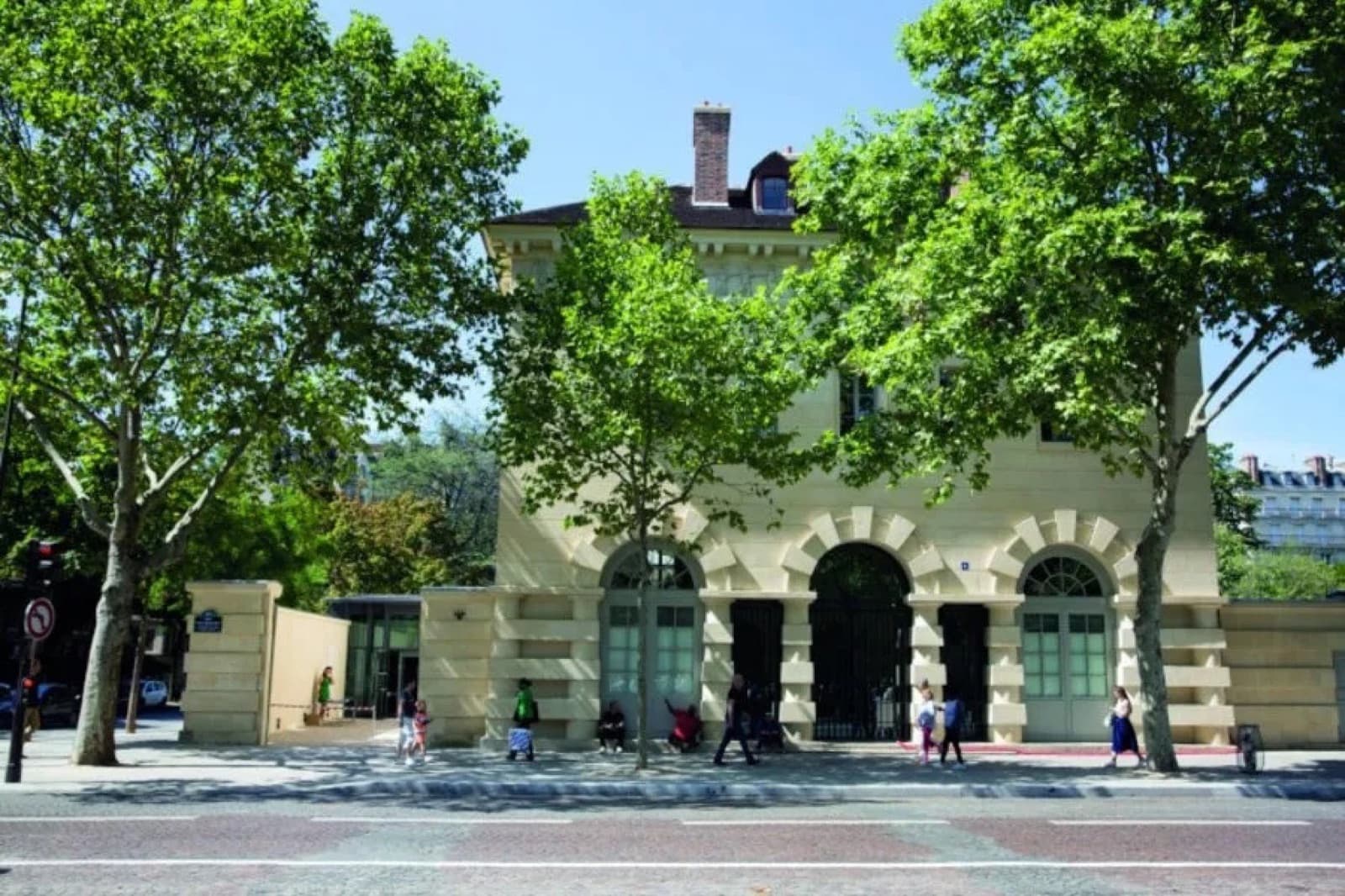
  • Museum of the Liberation of Paris

    Museum of the Liberation of Paris

    August 1944: Paris rises against the Nazi occupation. This museum sits in the actual command post from which the insurrection was coordinated —not a stage set. The Resistance, General Leclerc and the days the city took back its freedom.

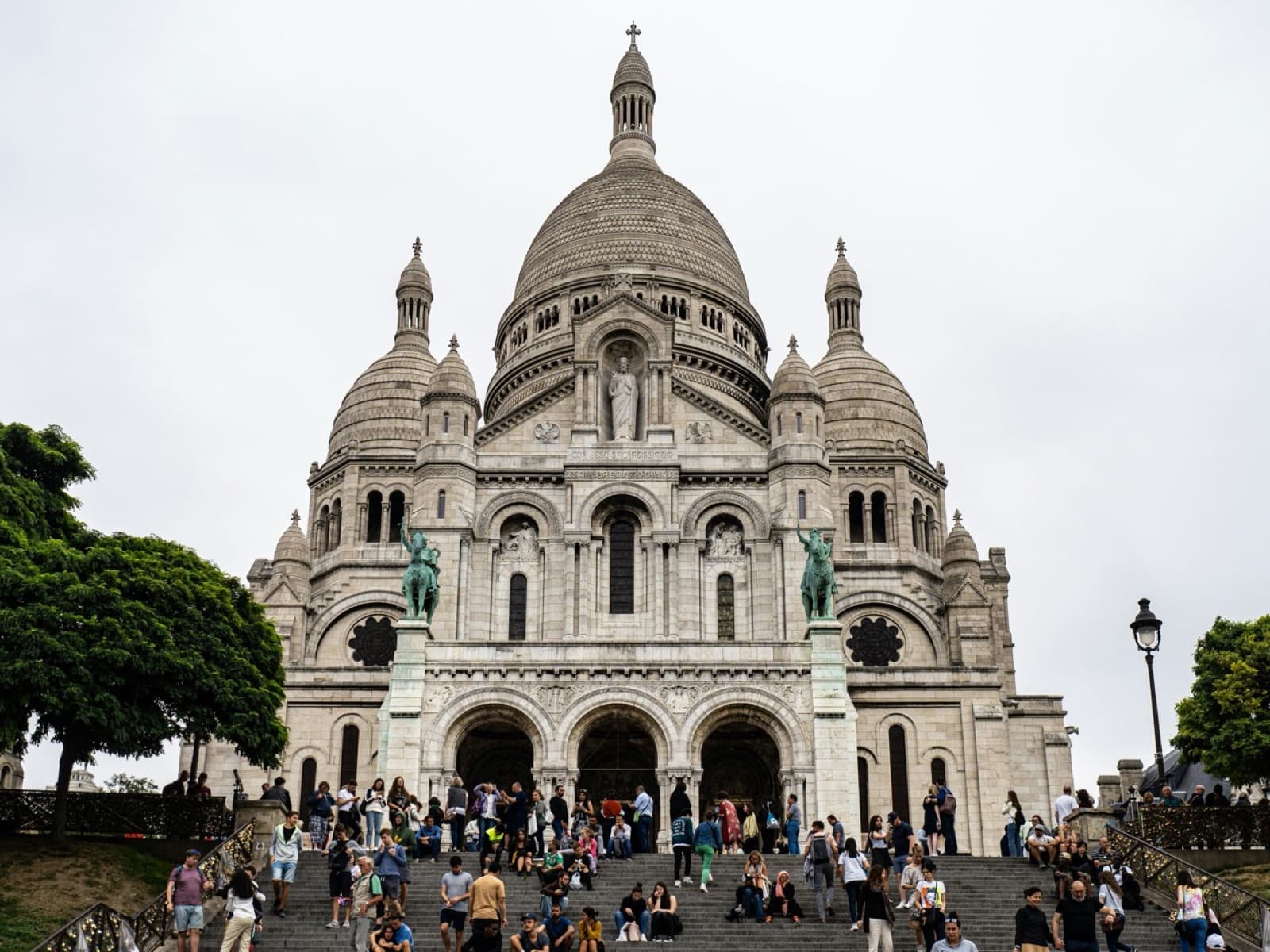
  • Sacré-Cœur Basilica in Montmartre

    Sacré-Cœur

    White atop the hill of Montmartre, it was raised after the defeat to Prussia as a gesture of national penance and hope. It took almost forty years. Today it dominates the Paris skyline —and at its feet spreads the quarter where the bohemians painted.

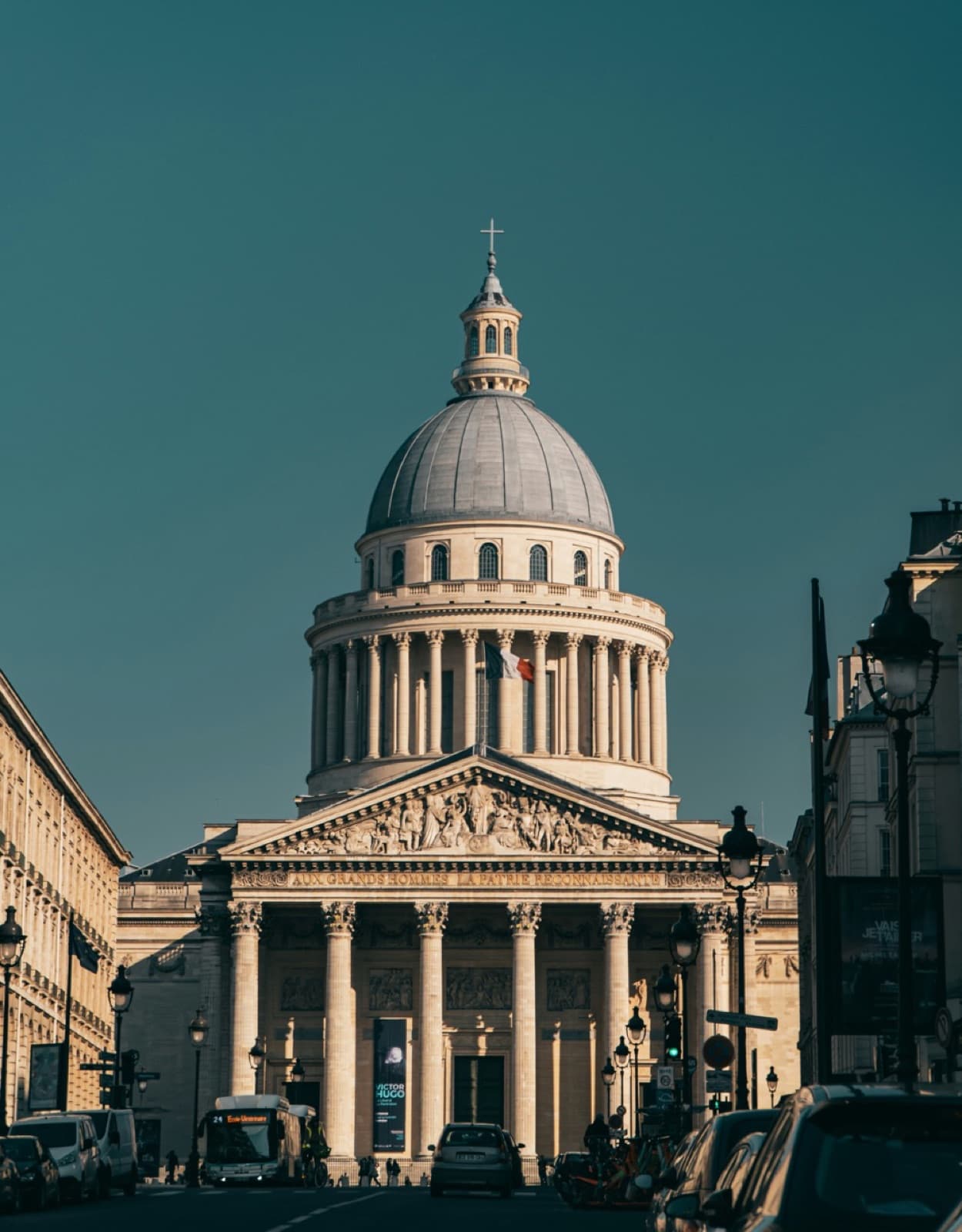
  • Panthéon of Paris in the Latin Quarter

    Panthéon

    It began as a church dedicated to St Geneviève and ended up a secular temple to France's "great men." In its crypt rest Voltaire, Rousseau, Victor Hugo and Marie Curie. The Revolution didn't just change who held power: it changed who gets venerated.

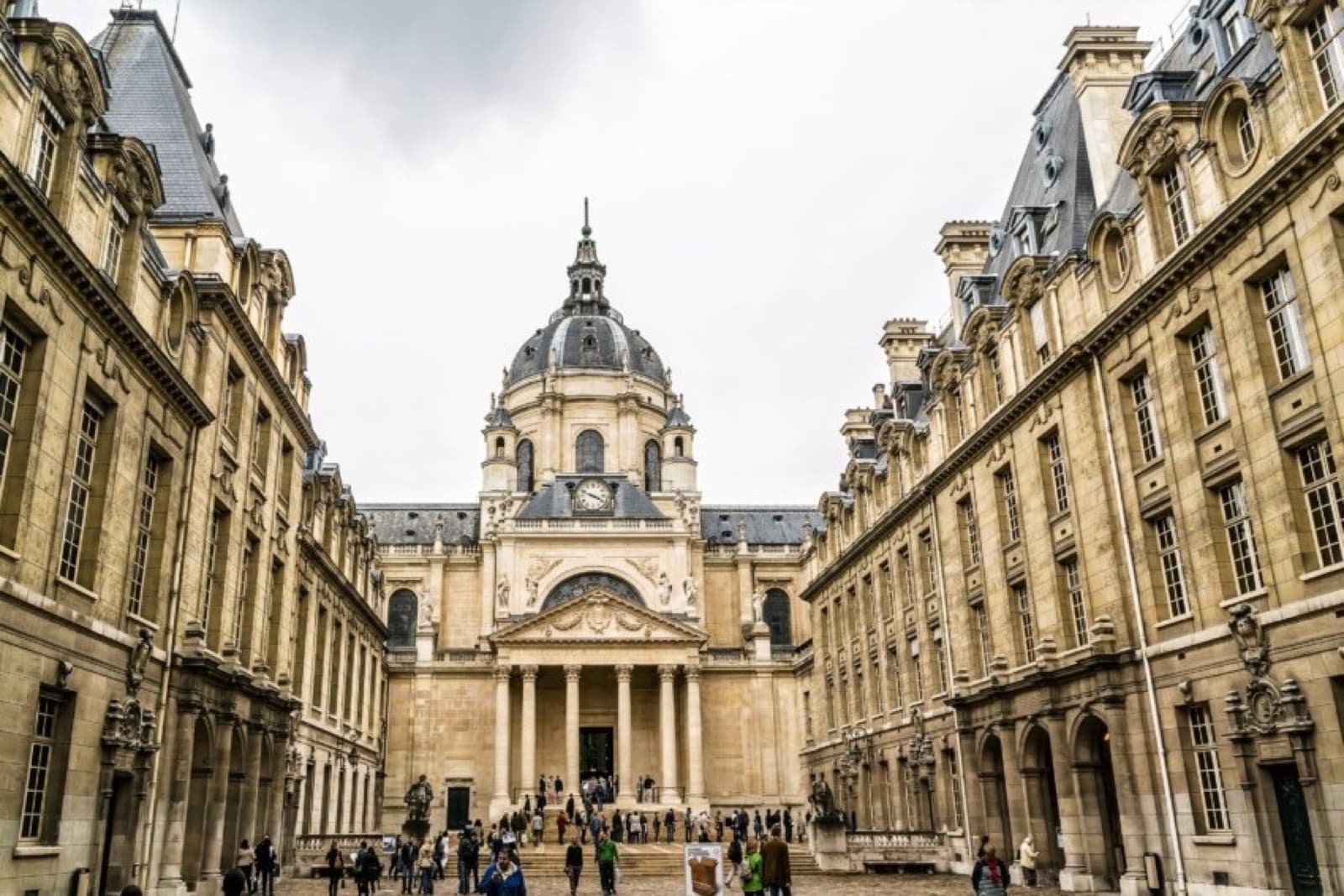
  • The Sorbonne, historic university of Paris

    The Sorbonne (University of Paris)

    A college founded in 1257 that gave its name to the University of Paris and, for centuries, trained Europe's intellectual elites. Today's buildings date from the Third Republic. And in May 1968, from its lecture halls, students shook France to its core.

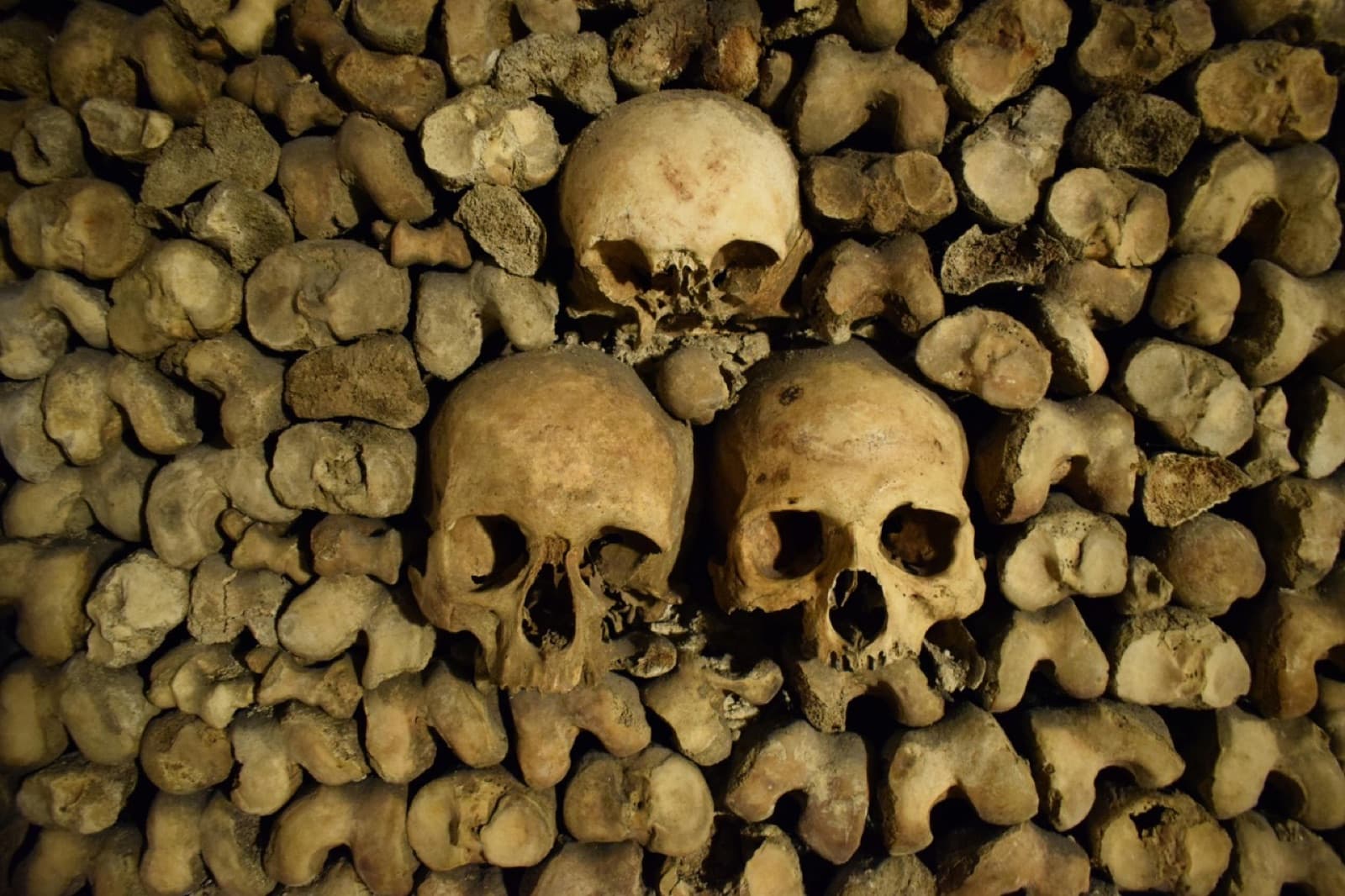
  • Catacombs of Paris

    Catacombs of Paris

    You go down a staircase and enter an ossuary holding the remains of more than six million people. It's not a macabre curiosity: it's an urban solution. In the late 18th century Paris's cemeteries were overflowing, and the bones were moved by night into old quarries. The city works in layers.

  • Palace of Versailles and its gardens

    Palace of Versailles

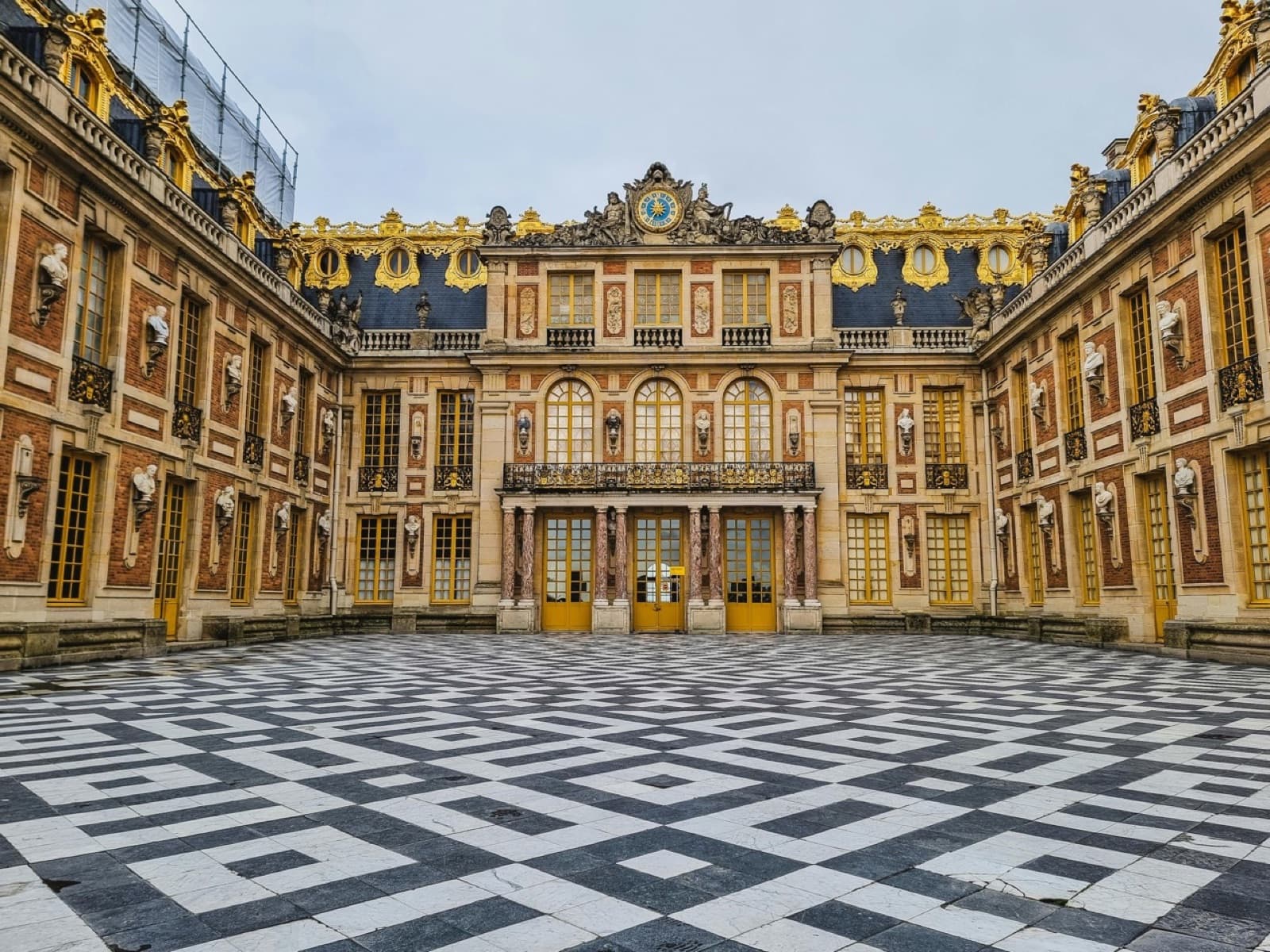
    The palace with which Louis XIV invented absolutism: he moved the court away from Paris to stage power without inconvenient witnesses. The Hall of Mirrors, the endless gardens, all say "I am the State." Here too, in 1919, the treaty that ended the First World War was signed.

  • Palais Royal and its gardens

    Palais Royal and its Gardens

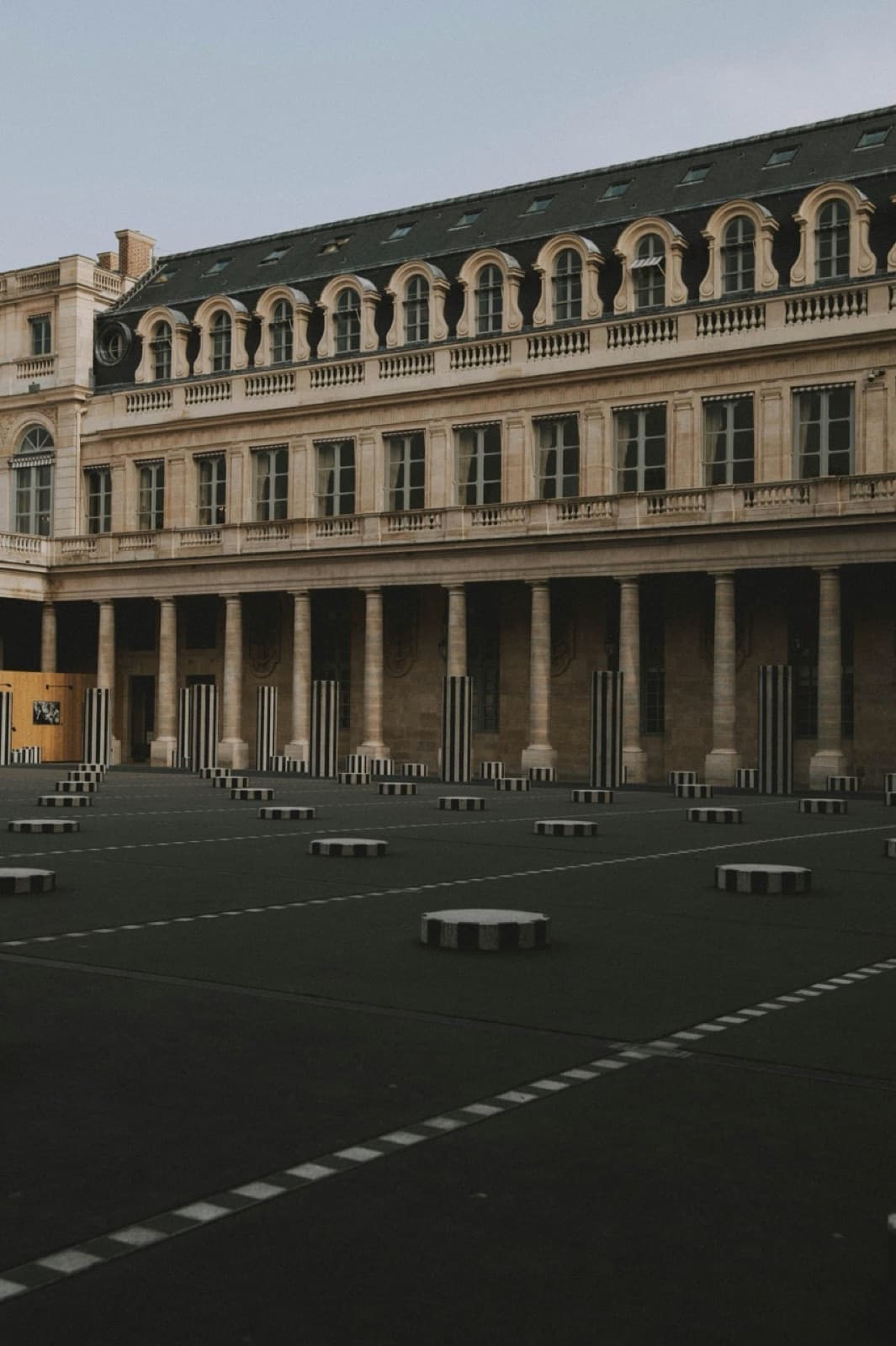
    Cardinal Richelieu built it, and in the 18th century its arcaded gardens were the heart of political debate and culture —part of the revolutionary spark was lit there. Today, Buren's striped columns share the space with the Comédie-Française. A hidden courtyard in the very center.

  • Luxembourg Palace and Gardens

    Palais du Luxembourg (Senate and Gardens)

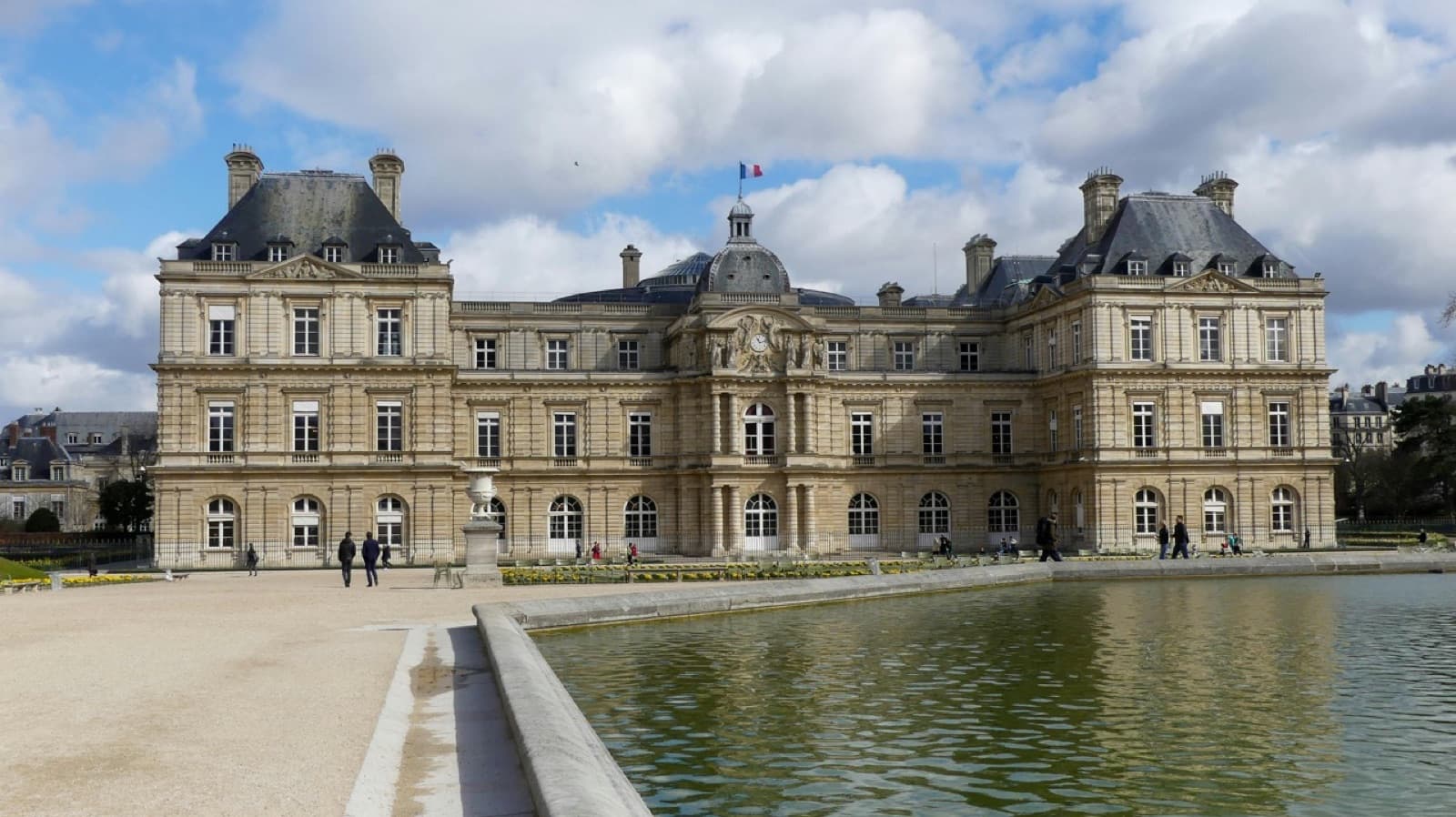
    Built for Marie de' Medici in the early 17th century, since the Revolution it has been the seat of the French Senate. But what everyone loves are its formal gardens: with the green chairs by the pond, one of the most beloved public parks in Paris.

  • Façade of the Palais Garnier

    Palais Garnier (Paris Opera)

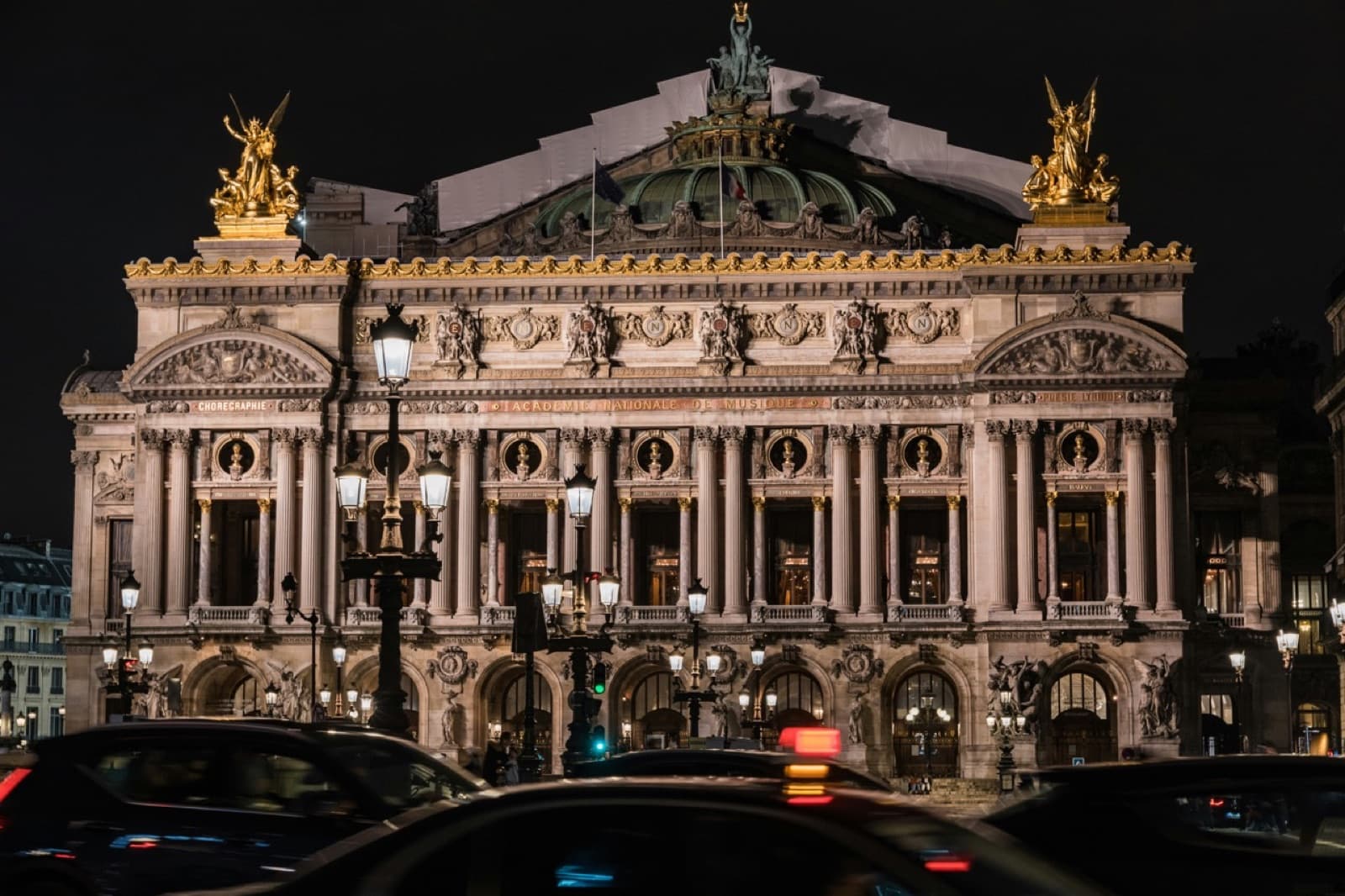
    The most theatrical opera house in Paris —even before the curtain rises. Charles Garnier opened it in 1875 as an emblem of the Second Empire: a grand staircase made for seeing and being seen. Its underground labyrinth inspired "The Phantom of the Opera."

  • Tuileries Gardens

    Tuileries Gardens

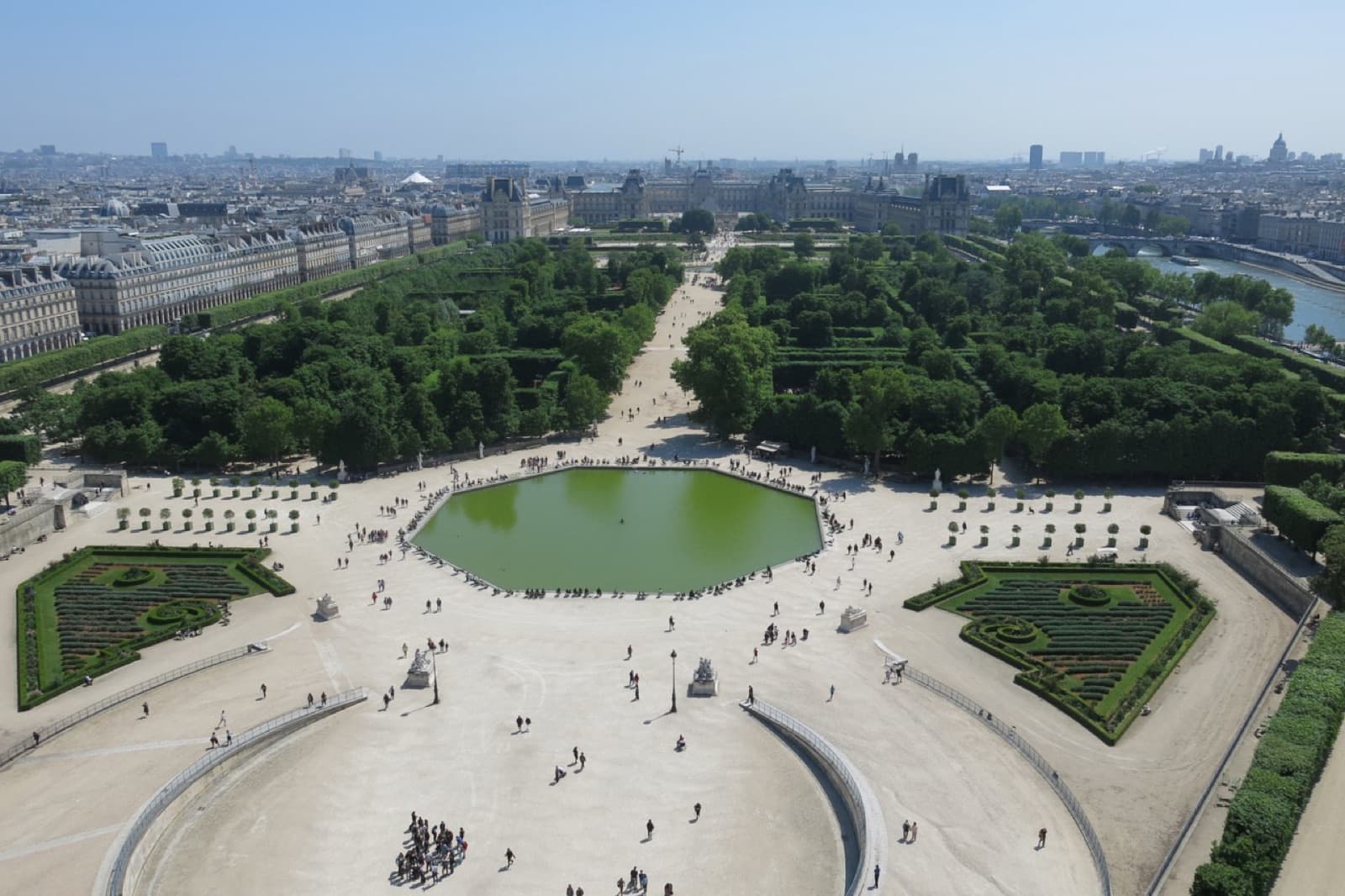
    Created in the 16th century for a palace that no longer exists, these formal gardens link the Louvre to the Concorde. Ponds, sculptures and tree-lined alleys: the classic Parisian promenade, the same one kings and revolutionaries once walked.

  • Golden dome of Les Invalides

    Hôtel des Invalides

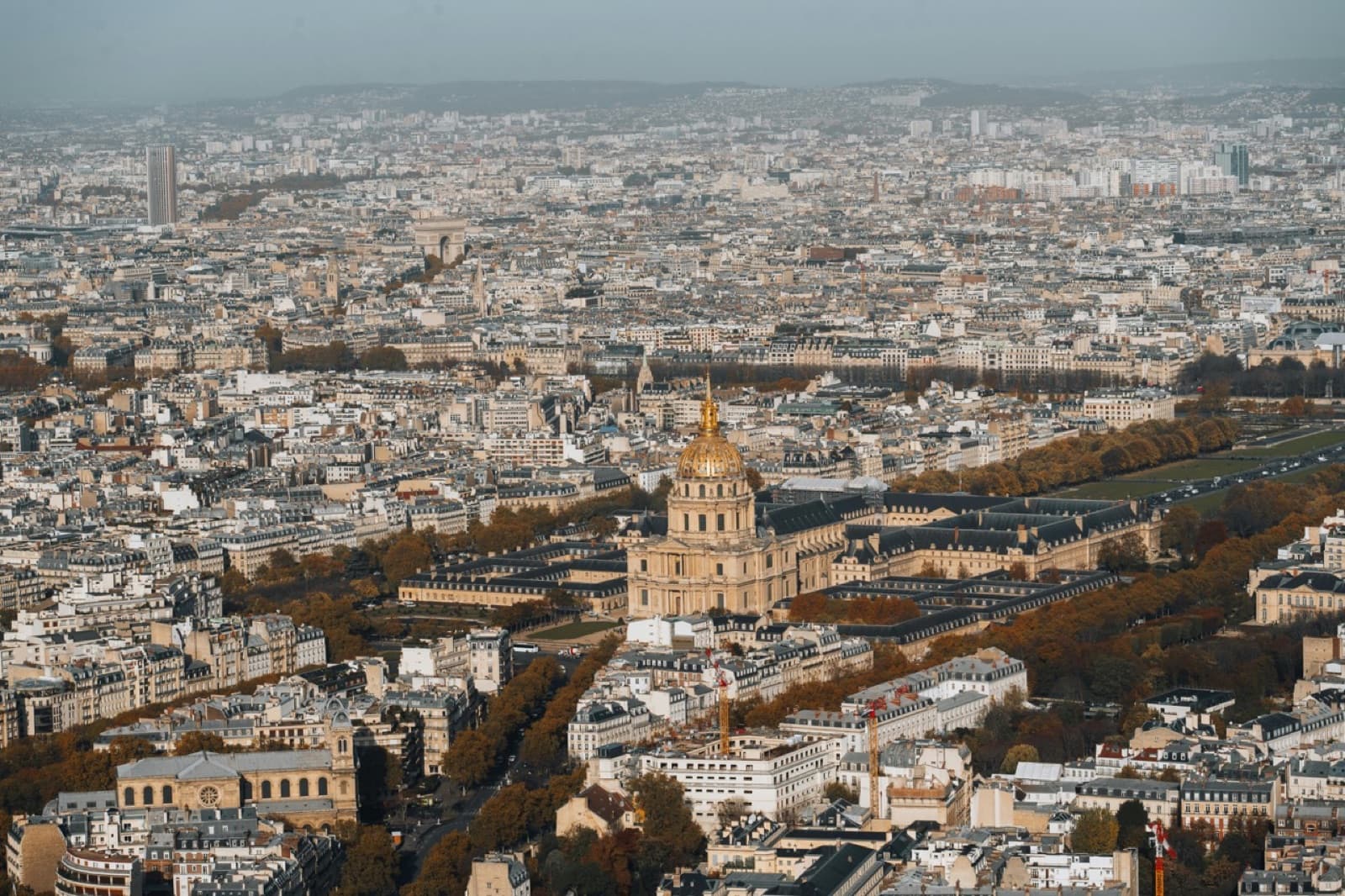
    Louis XIV founded it as a hospital for his war veterans —a gesture of power as much as of care. Beneath the golden dome that shines over the Paris skyline, Napoleon ended up resting. Today it also houses the Army Museum.

  • Napoleon's sarcophagus under the Invalides dome

    Tomb of Napoleon

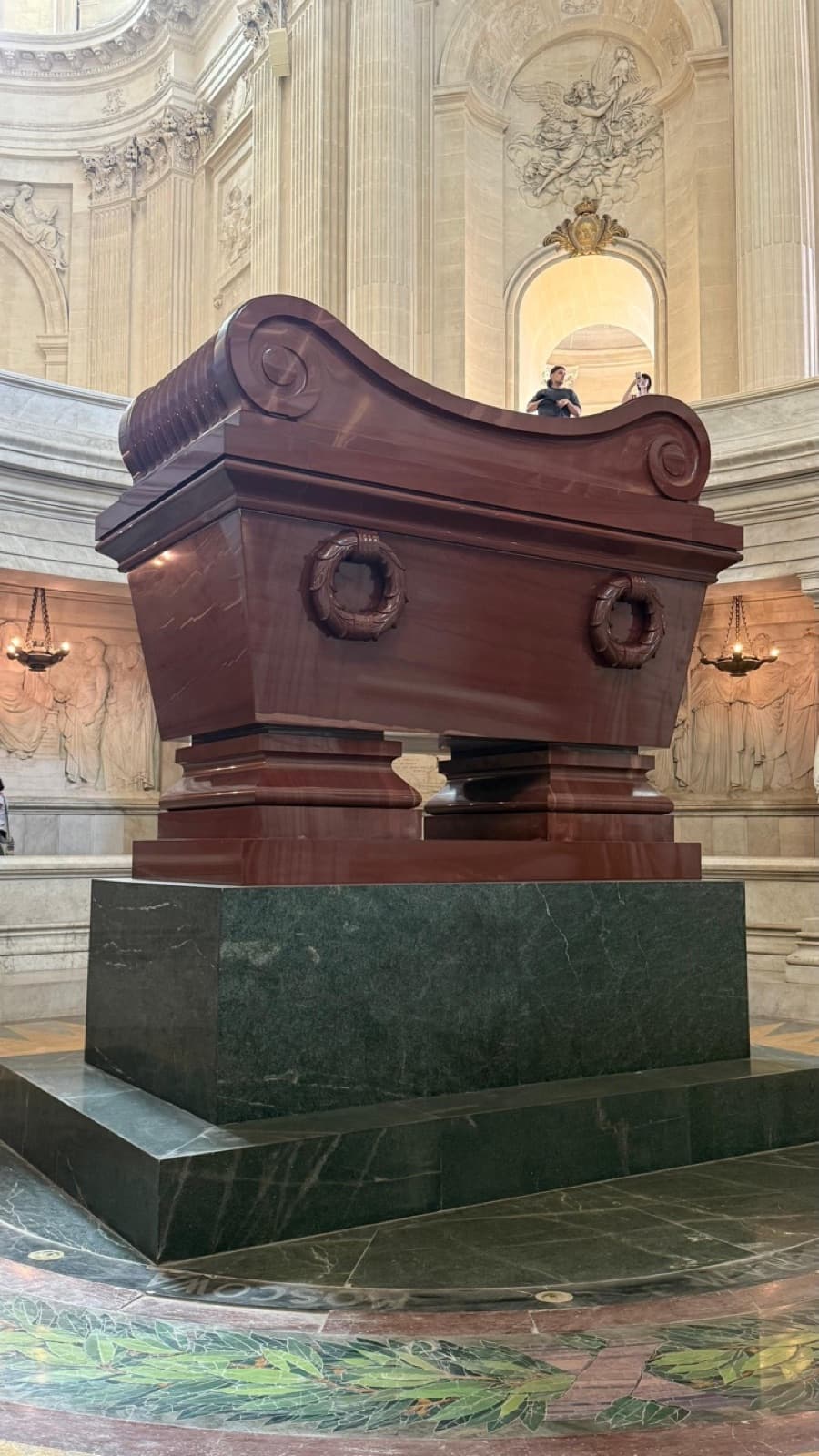
    Napoleon died in exile on a remote Atlantic island. Almost twenty years later, France brought his remains home and placed them under the dome of the Invalides, in a red porphyry sarcophagus. To look at it you have to bow your head: it was designed that way.

  • Place de la Bastille with the July Column

    Place de la Bastille

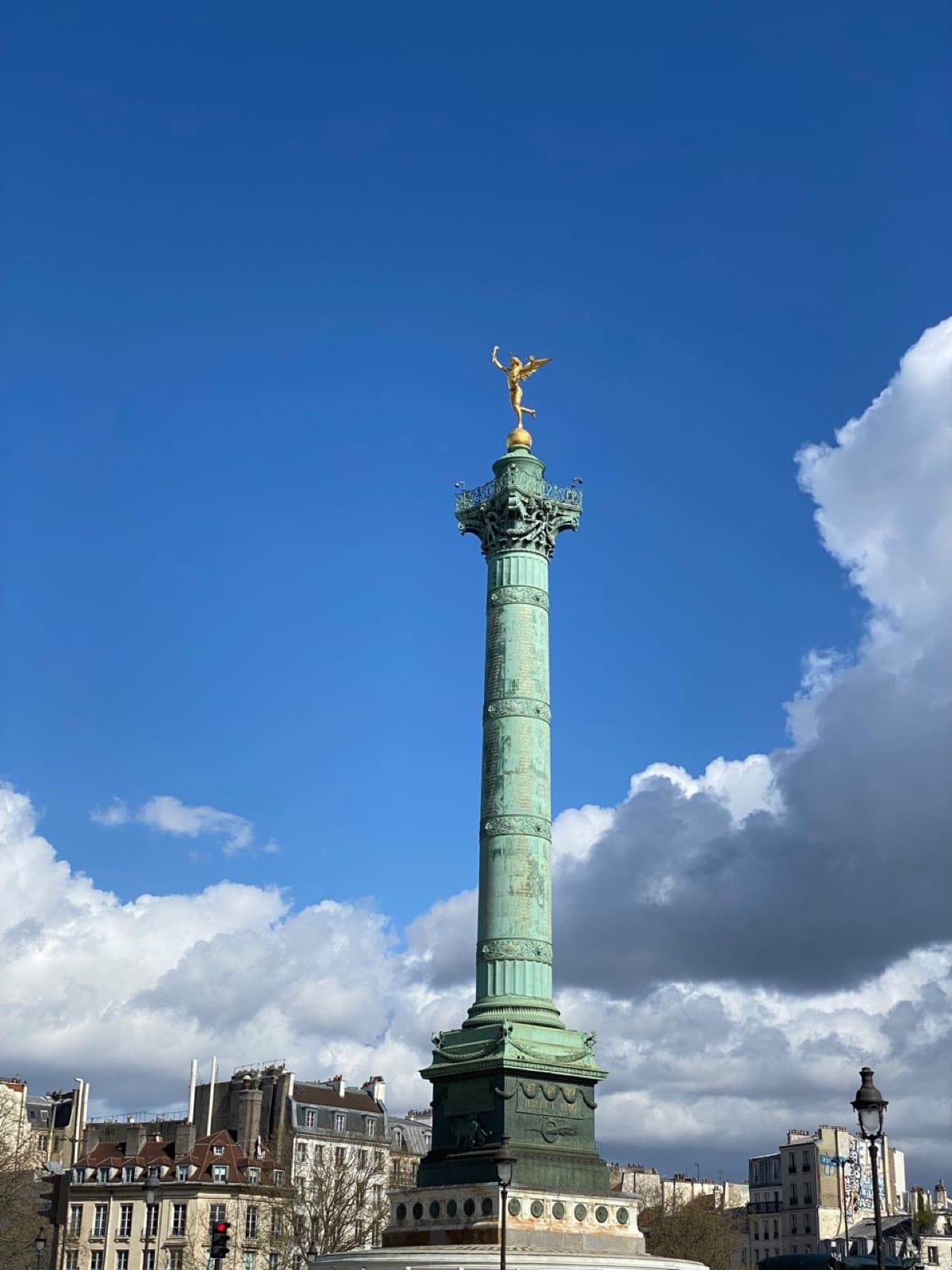
    Nothing of the prison remains here: it was demolished. But on 14 July 1789, when the people stormed it, it wasn't just a building that fell —it was a whole way of understanding power. The July Column commemorates another revolution, that of 1830. It's still the square of liberty.

  • Pont Neuf, the oldest bridge in Paris

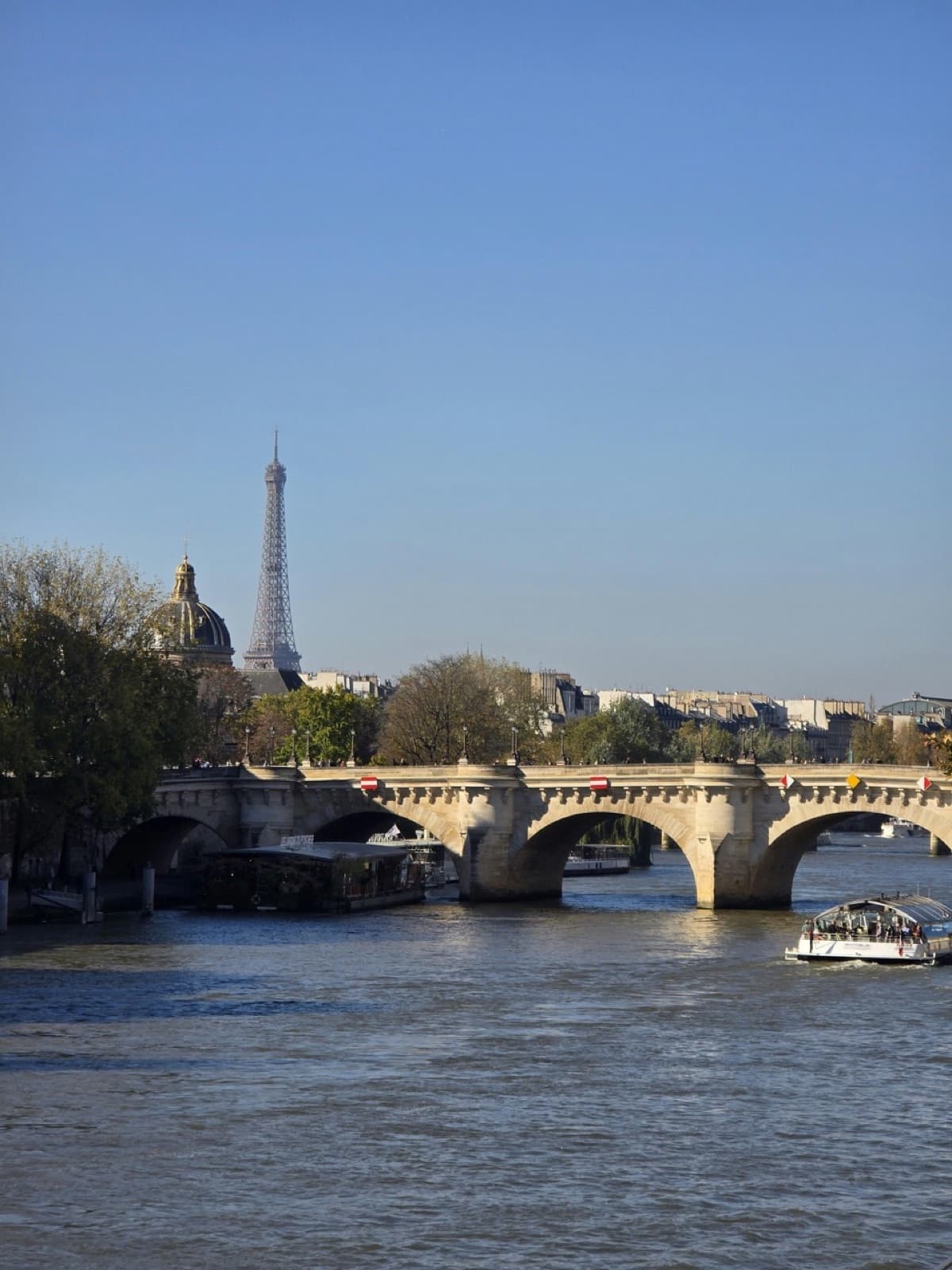
    Pont Neuf

    Its name is misleading: the "New Bridge" is the oldest in Paris, from 1607. But it was new in one way: the first without houses on top, with sidewalks to walk on. It changed how people crossed the Seine —and how they looked at the city while crossing.

  • Pont des Arts over the Seine

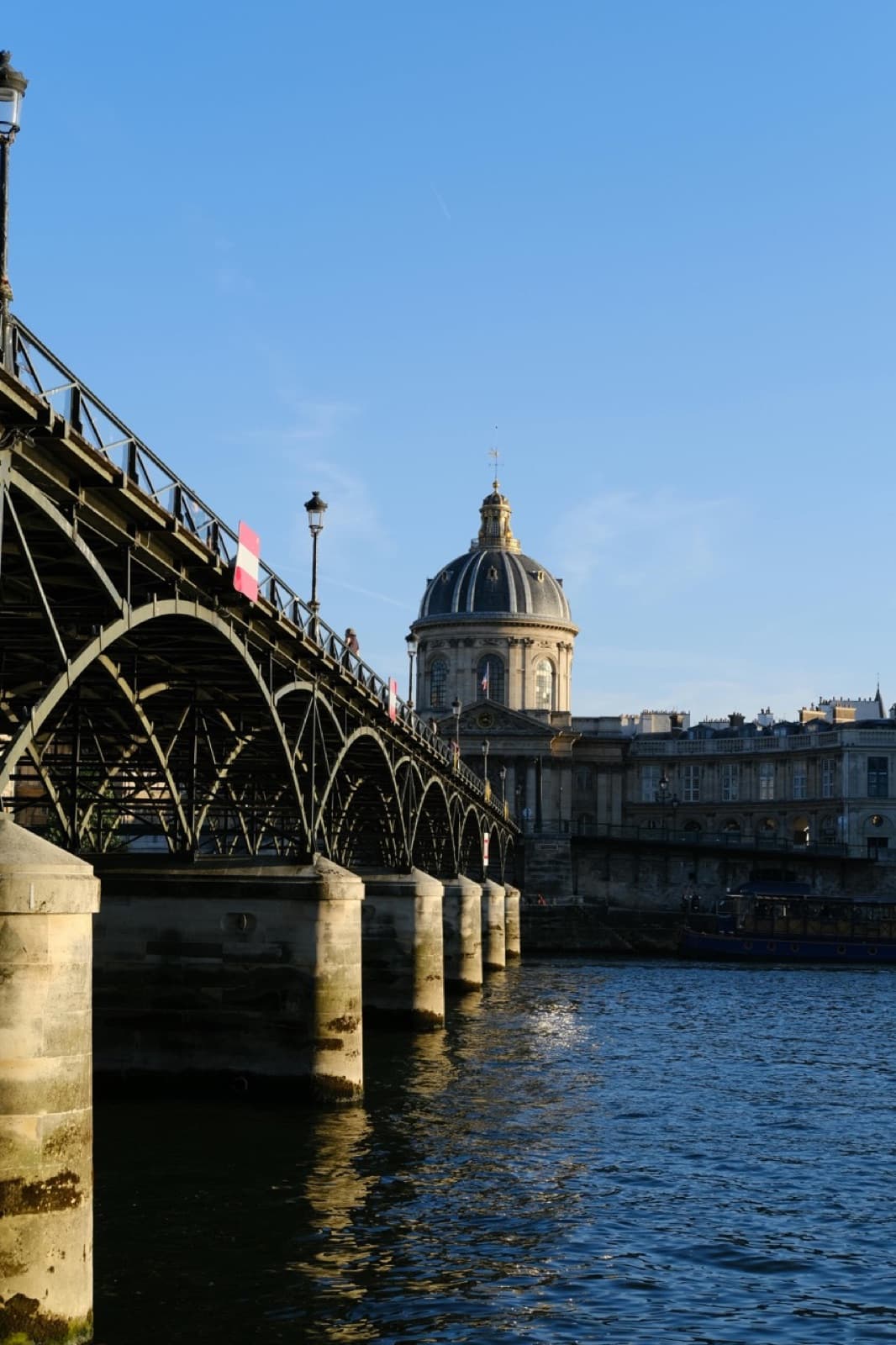
    Pont des Arts

    The pedestrian bridge between the Louvre and the Institut de France, made for walking and looking. It filled with love locks until their weight threatened the structure and they had to be removed. Today it's back to what it was: a balcony over the Seine.

  • Pont de l'Alma and Flame of Liberty

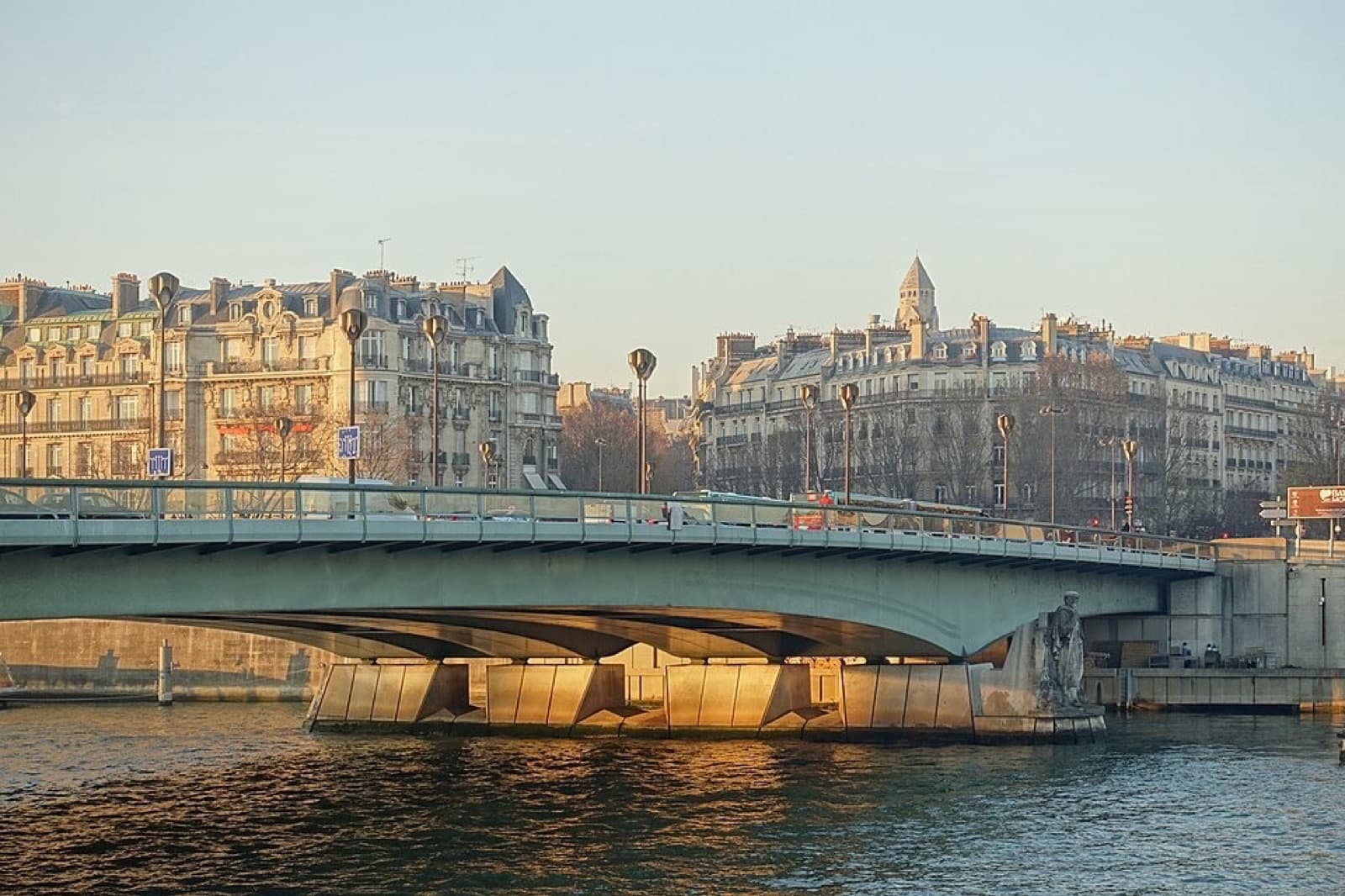
    Pont de l'Alma and Flame of Liberty

    Its name recalls an 1854 battle in the Crimea, and for decades Parisians gauged the Seine's floods by how high the water rose on the statue of the zouave. But the world knows it for something else: in the tunnel below, Diana, Princess of Wales, died.

  • Remains of the walls of Philip Augustus

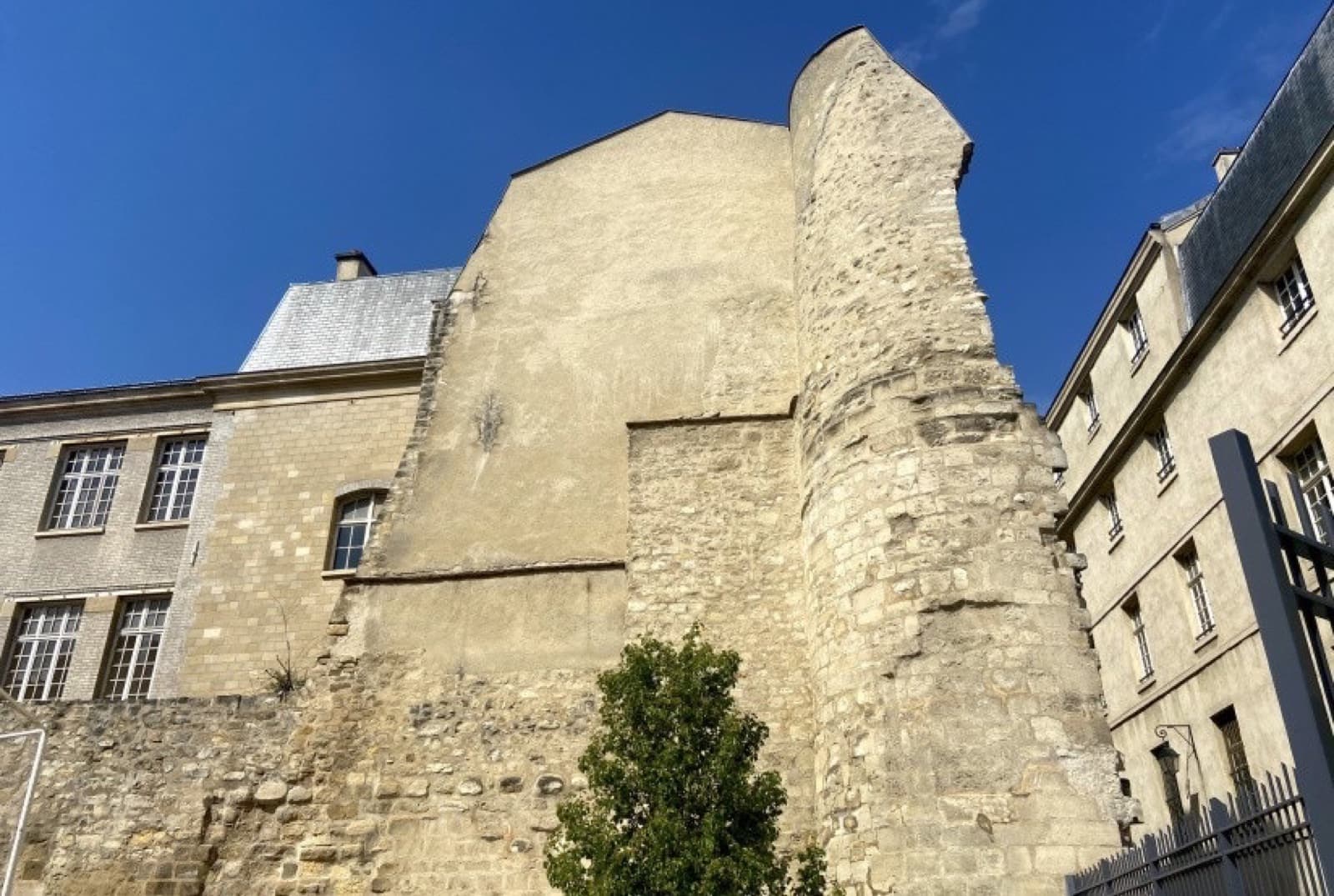
    Walls of Philip Augustus

    In the late 12th century, Philip Augustus ringed the city with a wall to protect a capital that kept growing. The surviving stretches, embedded among modern buildings, are among the oldest medieval fortifications in Paris. You have to know where to look.

  • Medieval remains of the walls of Charles V

    Walls of Charles V

    A century later, Paris no longer fit within its walls: Charles V had to extend them. Few traces remain, but they mark something important —how the city grew and how royal power kept shifting toward the Louvre and the Bastille.

  • National Library of France, Richelieu site

    National Library of France (Richelieu)

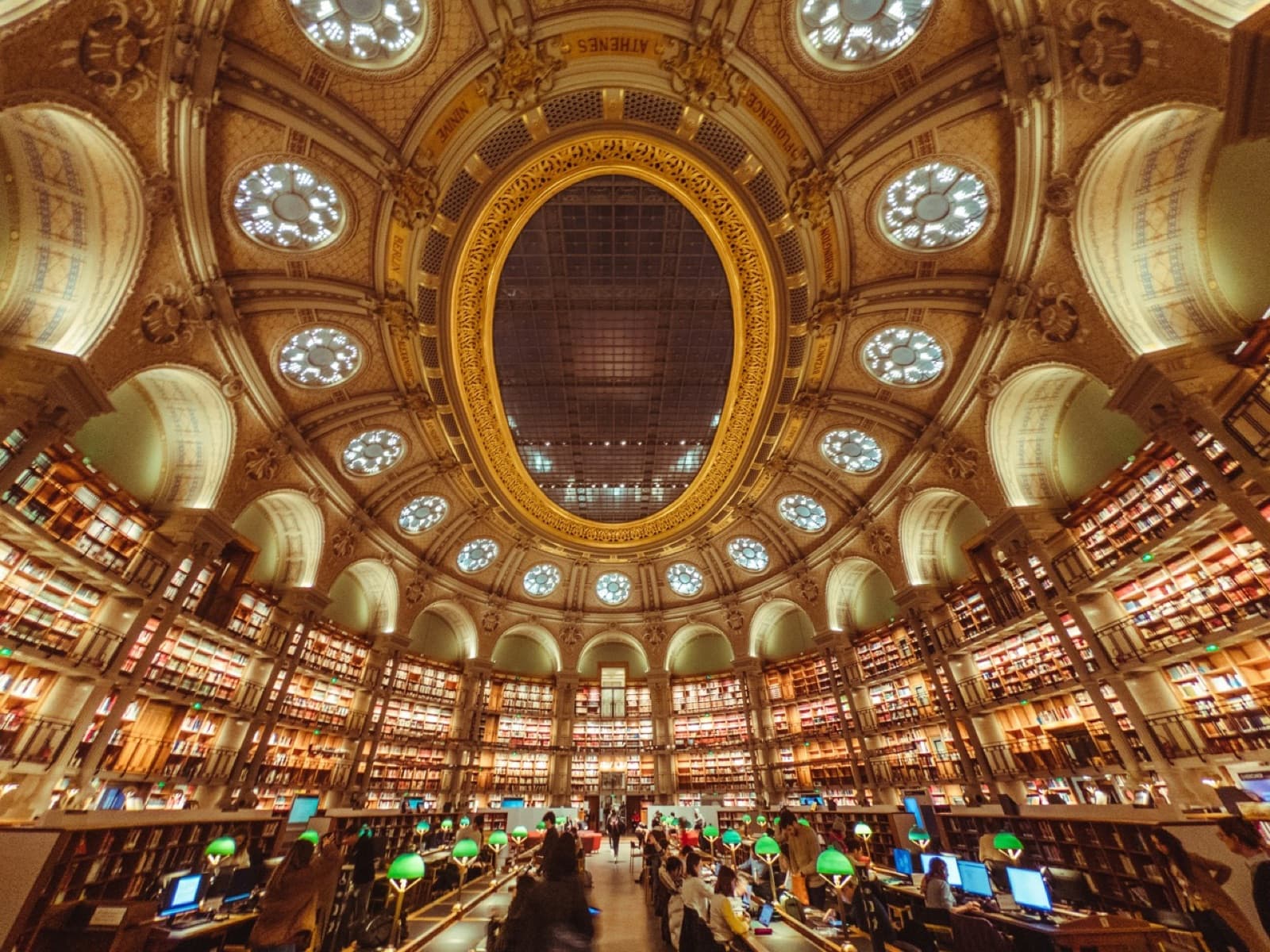
    The historic site of the French National Library holds manuscripts, prints and rare books: centuries of written memory. The Richelieu complex was renovated while keeping its reading rooms —the kind that feel like temples of silence.

FAQ

About Paris on Ruthy

They're written and narrated by Lucas Botta, of Historia en Podcast. Not auto-generated text or a synthetic voice: curated content, with judgment and narrative craft. That's the difference from any generic guide.

Yes. Ruthy streams its stories, so you'll need a connection while you explore the city — Wi-Fi, mobile data or a local eSIM. The upside: the app takes up no space on your phone, and you always hear the most up-to-date version of each story.

Paris has 36 places on Ruthy. At a comfortable pace, plan for 3 to 5 days: Île de la Cité (Notre-Dame, Sainte-Chapelle, Conciergerie) in one morning; the Louvre–Tuileries–Concorde–Champs-Élysées–Arc de Triomphe axis another; Eiffel Tower, Invalides and Versailles separately; and Montmartre, Latin Quarter and Bastille when you're nearby.

Yes. Start with Île de la Cité — Notre-Dame, Sainte-Chapelle and the Conciergerie give you the medieval origins. Then cross to the Louvre and walk the Tuileries to Place de la Concorde and the Champs-Élysées. Another day for the Eiffel Tower + Invalides. Versailles needs half a day on its own (RER C train).

It covers the entire historic center, the main monumental axes, and extends to Montmartre, Versailles and the main bridges. The La Défense business district and the Montparnasse Tower are not included in this version.

Yes. Each person downloads the app on their phone and listens through their own headphones. You walk together and choose which story to hear at each stop. No group tour, no fixed schedule, no guide to wait for.

Ruthy doesn't depend on the physical site — it depends on your headphones. You can listen while waiting in line at the Louvre, sitting on the Champ de Mars looking at the Tower, or from Trocadéro. You press play when you're near — you don't need to go inside.

Ruthy is an audio guide, not a ticketing service. For the Louvre, Versailles, Sainte-Chapelle, Conciergerie, Catacombs or going up the Eiffel Tower, you need to book your ticket separately (recommended in advance, especially in high season). Ruthy's audio plays from outside and inside.

Yes. Notre-Dame has been under restoration since the 2019 fire, but the exterior and the square are accessible, and Ruthy's audio walks you through its history from the 12th century to the current reconstruction. The cathedral reopened to the public in December 2024.

Yes. Ruthy is free to download and use on iOS and Android. All 36 Paris stories are available at no cost during this initial phase.

Real reviews

What Ruthy users say.

  • An original and very interesting proposal to discover cities in a different way. It's very easy to use, has a clear interface, and the stories are well narrated. I liked that it lets you explore at your own pace and choose what places to visit by proximity or interest. Without a doubt, it's an entertaining and educational option — ideal for tourists or to rediscover your own city.

    Jaz GonzálezApp Store
  • I used it on my trip and the descriptions, details, and information it provides are excellent. Highly recommended!

    Ale CarbaApp Store
  • This app is wonderful — it shows you everything you need to know about any place you visit.

    Lisandro HedinGoogle Play

Start with Paris

You don't just see Paris. You understand it.

Download Ruthy free and walk Paris with all 36 stories activating in real time, right where it all happened.

Free · no ads · iOS and Android

Download Ruthy free