
Skip to content
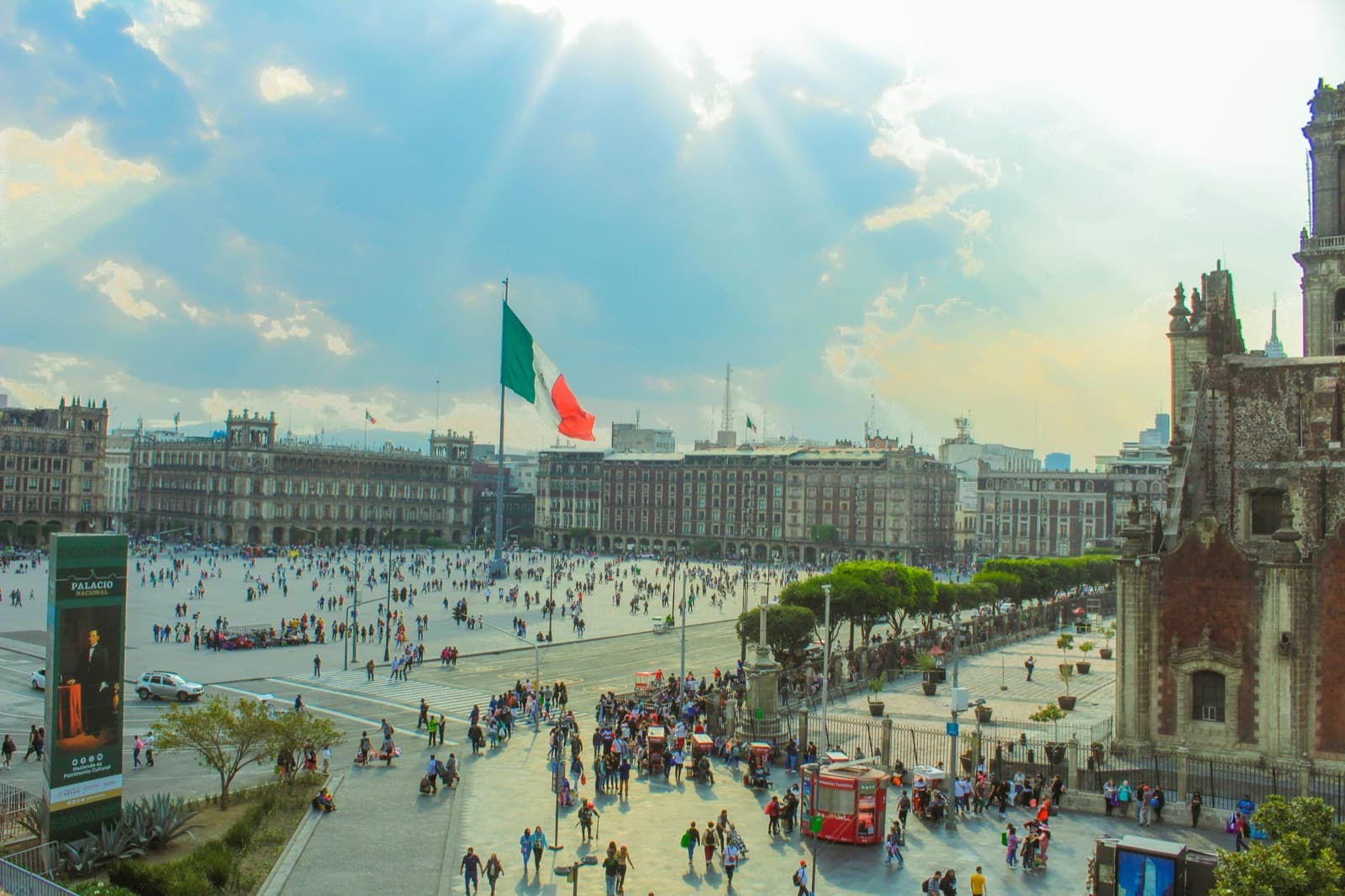
Plaza de la Constitución (Zócalo) and the Mexican flag

Mexico · 40 places · 40 stories

Don’t visit Mexico City.
Understand it.

40 places. 40 stories. Tenochtitlan on the water, colonial Mexico on its ruins, a megacity on top of it all. You walk it layer by layer.

40 historical places in Mexico City with free audio guide

Free · no ads · iOS and Android

Mexico City in depth

Here there isn't one city. There are three, stacked one on another.

Ruthy shows you Mexico City through 40 real places, narrated by Lucas Botta (Historia en Podcast) at the exact spot where each story happened. No group tour, no schedule, no shared headphones. Just you, the city, and a story that starts when you arrive and press play.

Mexico City isn't understood by looking at a single era: it's understood by seeing how they stack. The Mexica raised Tenochtitlan on a lake, an almost impossible feat. Spain razed it and built its viceregal capital on the same ruins, with the stones of the temples. On top grew one of the largest and most alive megacities in the world. At the Templo Mayor you see the pyramids beneath the street; on a single corner the pre-Hispanic, the viceroyalty, the Revolution and the present all coexist. So you don't walk it ticking off places: you walk it understanding what lies beneath. Ruthy tells you standing right there, in no hurry.

All 40 places

Everything you'll find in Mexico City.

Each place with its own story, narrated right where it happened.

  • Plaza de la Constitución (Zócalo) and the Mexican flag

    Zócalo (Plaza de la Constitución)

    One of the largest squares in the world —and you're standing on the ceremonial center of Tenochtitlan. Cathedral, National Palace and Templo Mayor all meet here: seven centuries of Mexica, viceregal and independent power on one plane. Mexico's heart beats right where the Mexica's once did.
  • Ruins of the Templo Mayor of Tenochtitlan

    Templo Mayor

    The religious center of Tenochtitlan, dedicated to Huitzilopochtli and Tlaloc —and it was found by accident in 1978 while laying electrical cables. The pyramids surface beneath the street, steps from the Zócalo. The modern city had been walking, unknowingly, over the heart of the Mexica empire.

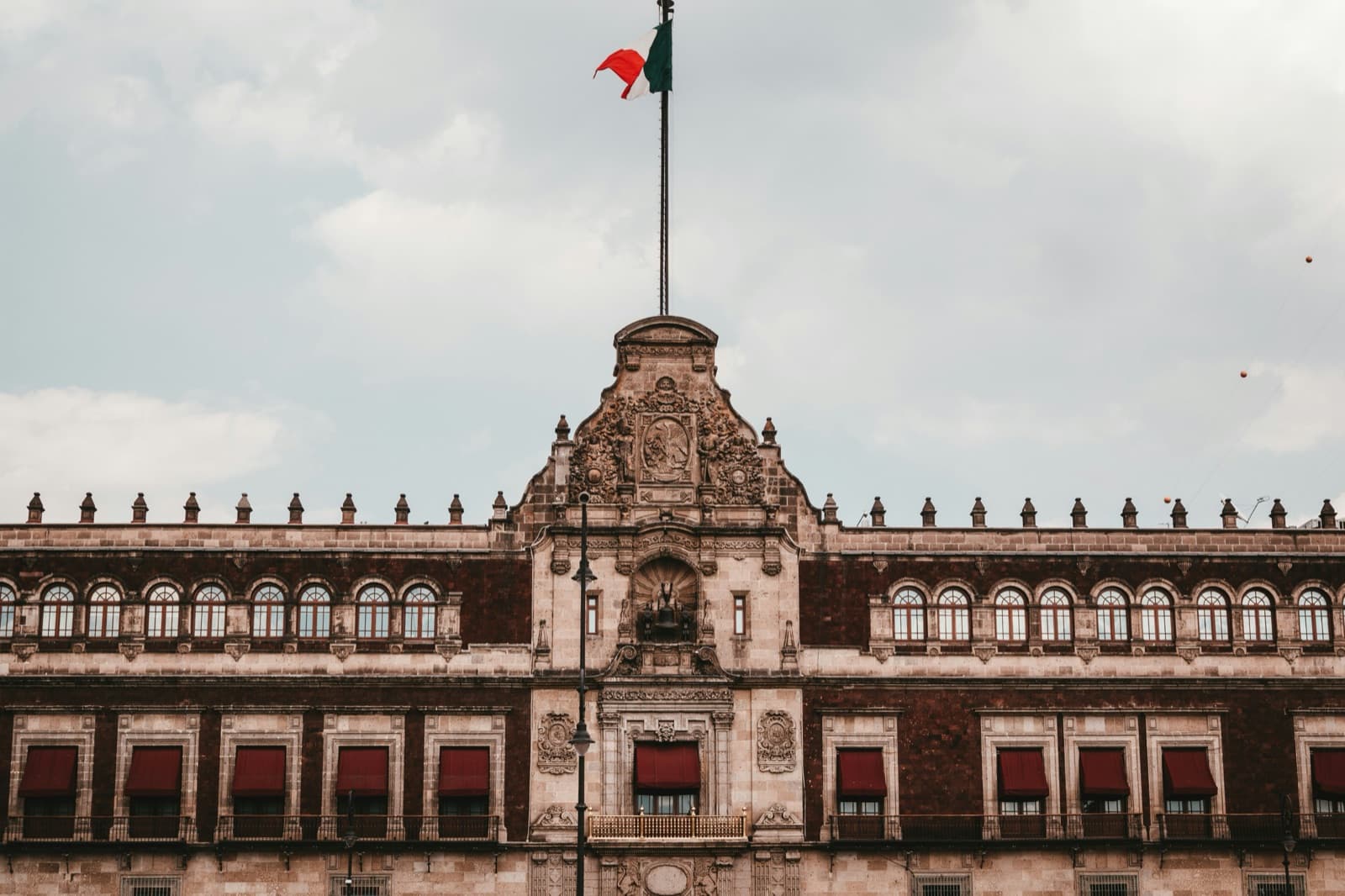
  • Façade of the National Palace on the Zócalo

    National Palace

    It rises over Moctezuma II's palace: power changed hands, not place. It belonged to the viceroys and today to the federal government. Inside, Diego Rivera's murals tell the whole history of Mexico —from the pre-Hispanic world to the Revolution— on a single wall.

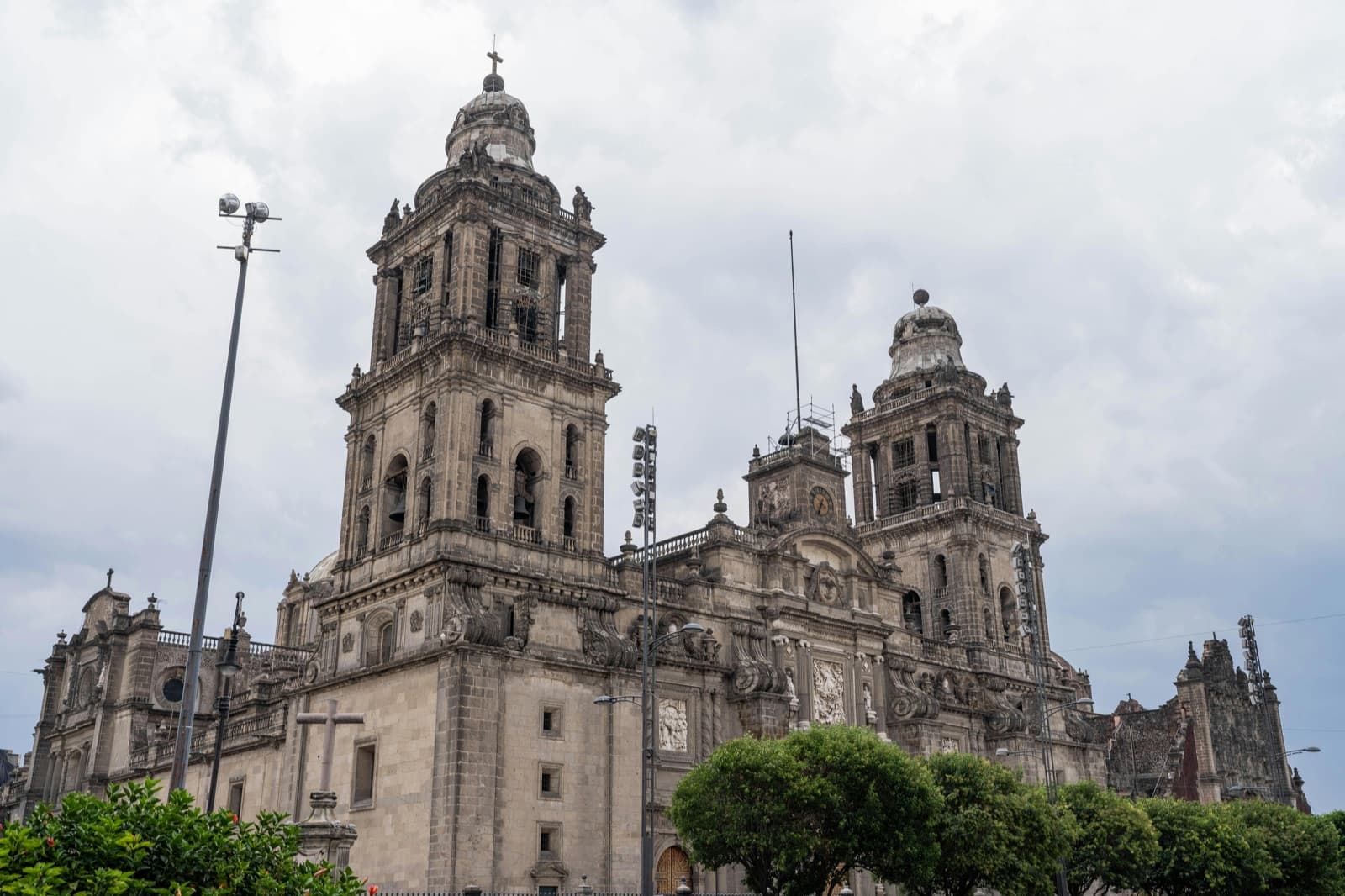
  • Metropolitan Cathedral of Mexico City

    Metropolitan Cathedral

    Built over the Mexica sacred precinct, it took 240 years to finish —and it shows: Baroque, neoclassical and Herrerian styles coexist. Five naves, two towers, fourteen chapels. One of the largest cathedrals in the Americas, built with the stones of the temple it replaced.

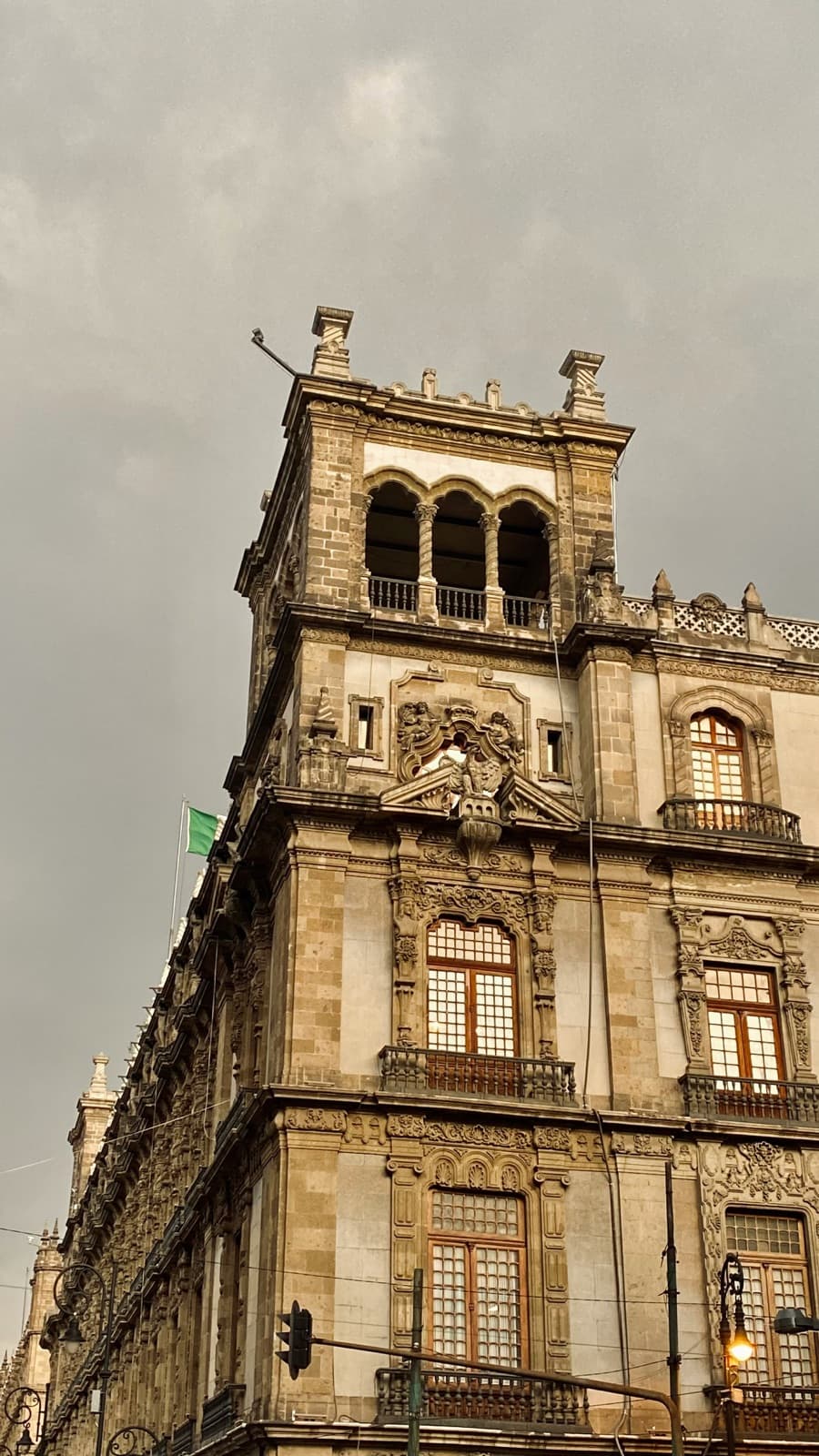
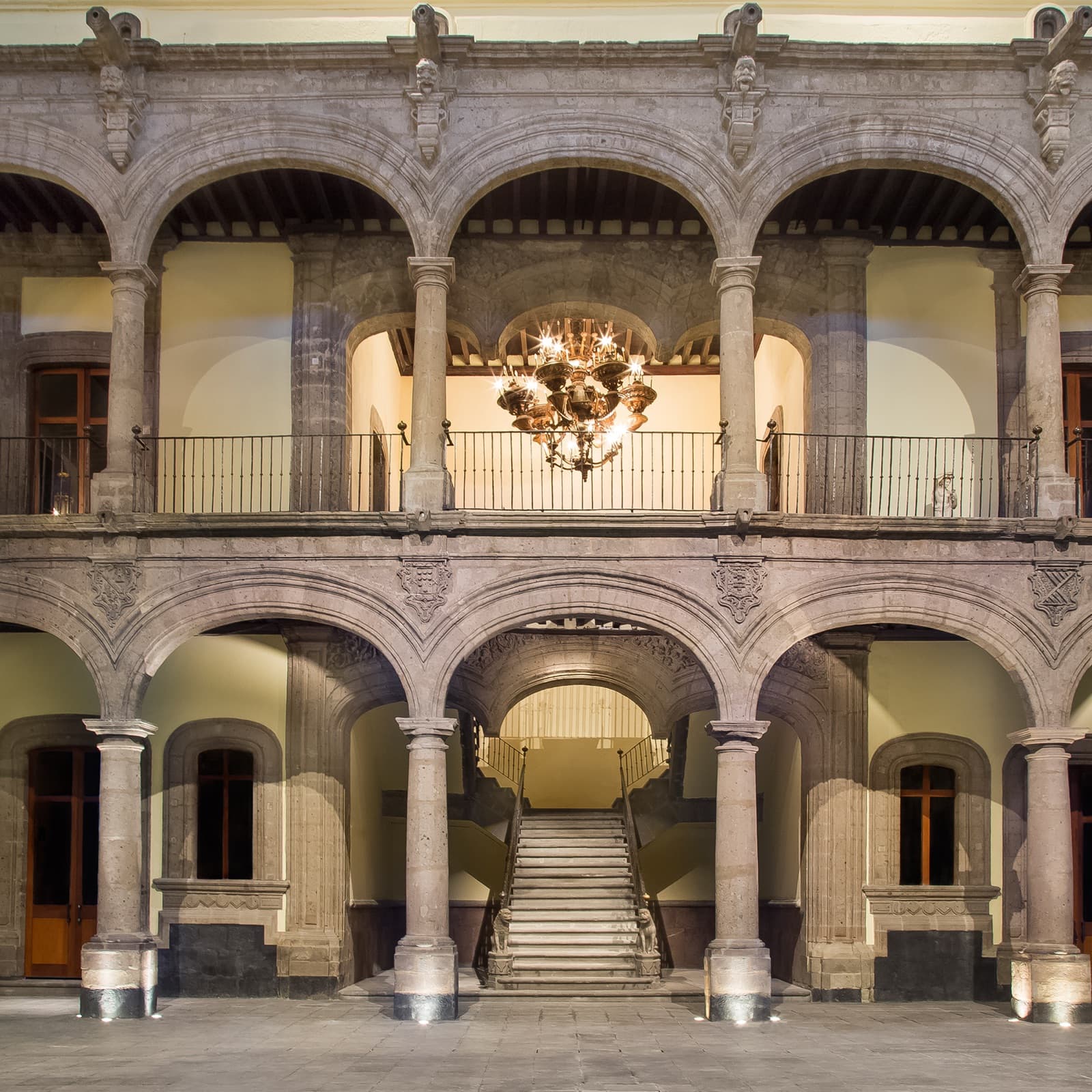
  • Old City Hall on the Zócalo

    Old City Hall

    On the south side of the Zócalo, it has been the seat of city government since the 16th century. Colonial courtrooms, council chambers and, still today, the offices of Mexico City's government. Five centuries running the same city from the same corner.

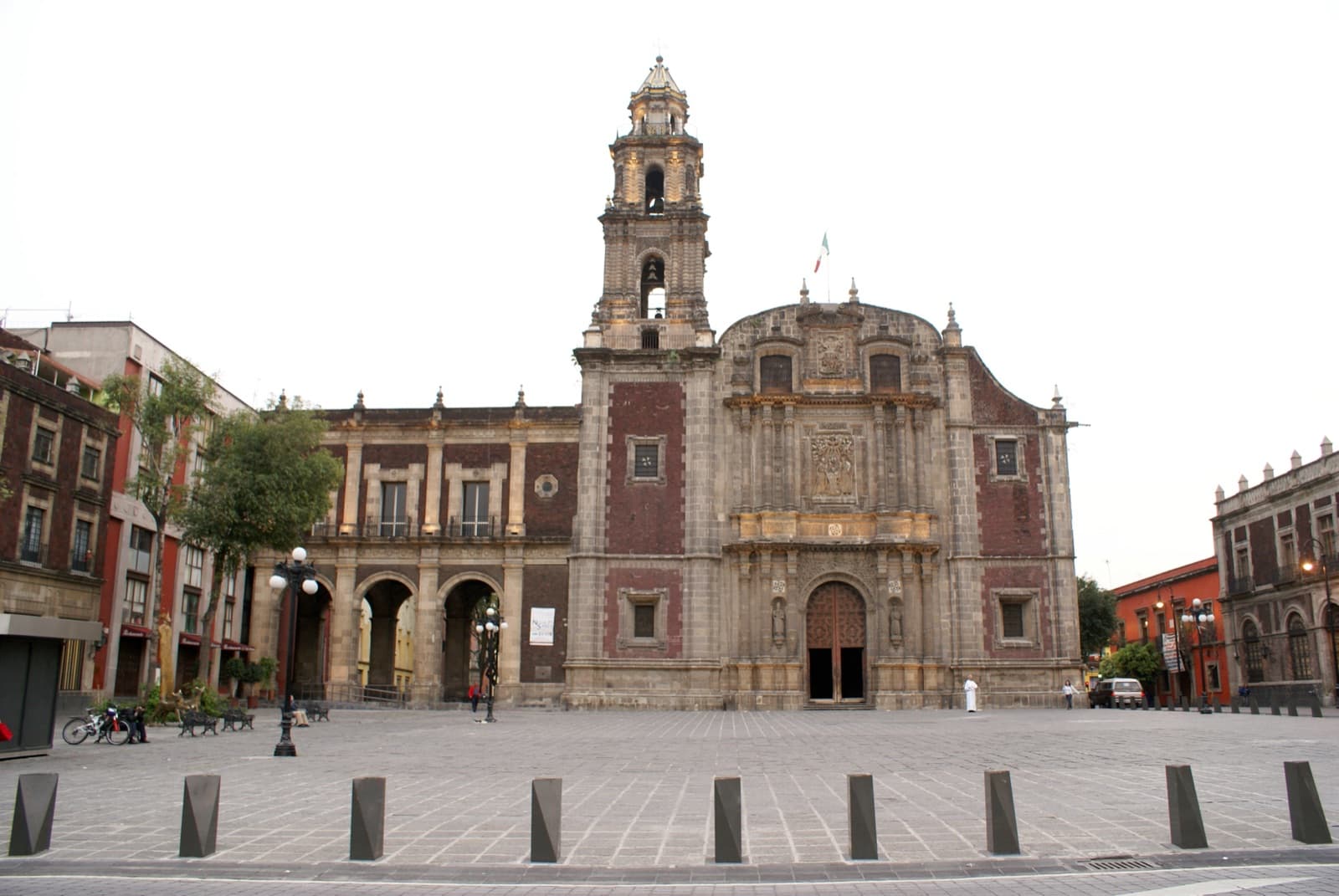
  • Plaza and Church of Santo Domingo

    Plaza and Church of Santo Domingo

    The city's second colonial square, with its 18th-century Dominican church. But look under the arcades: since the 19th century the "evangelistas" have worked there —scribes who still type out letters, contracts and statements for those who can't write them themselves.

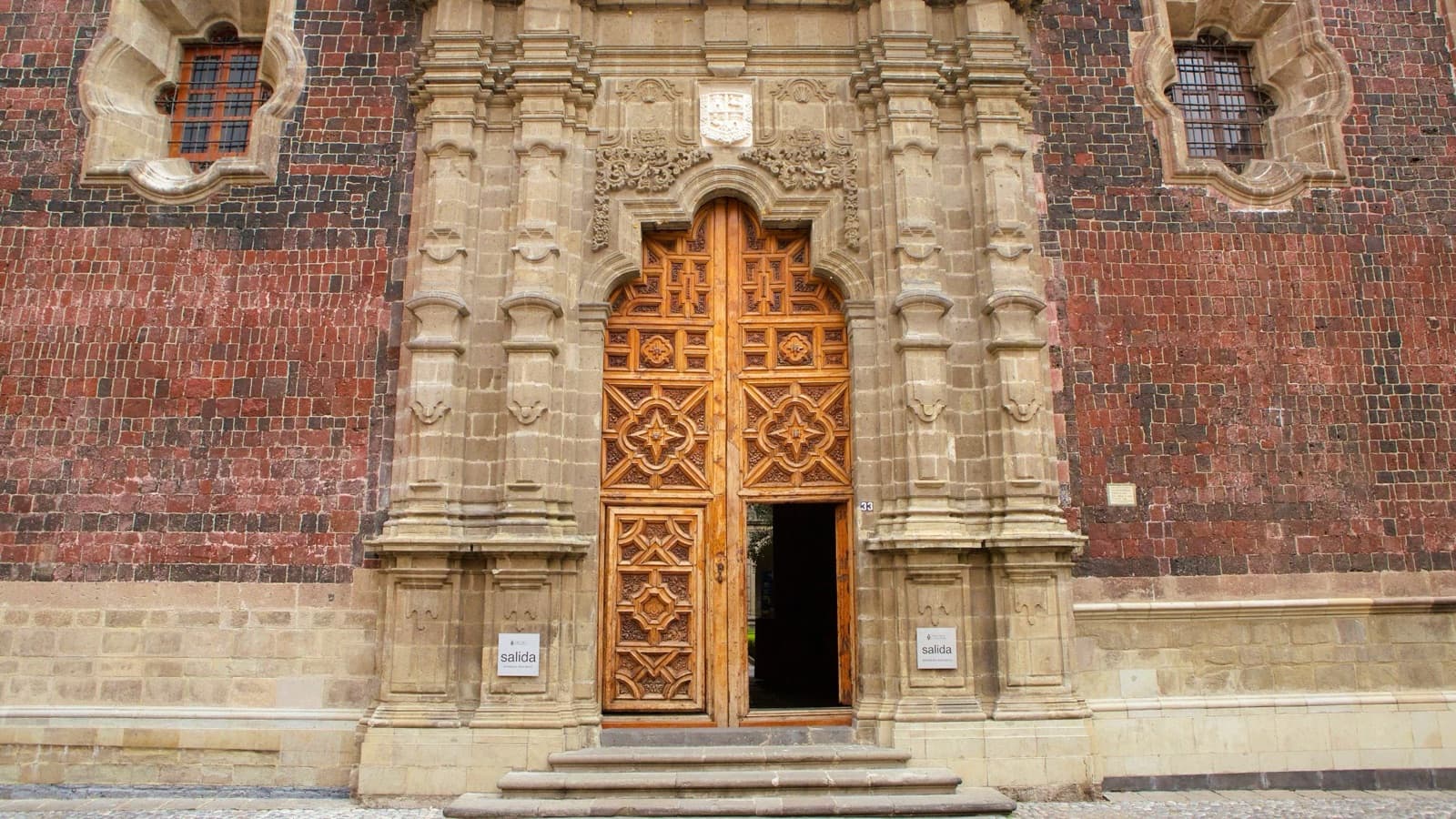
  • Courtyard of the Old College of San Ildefonso

    Old College of San Ildefonso

    A Jesuit college that, in the 1920s, became the cradle of Mexican muralism: here Vasconcelos had Rivera, Orozco and Siqueiros paint their first murals. It was the moment art stepped out of the museum and onto the walls, for everyone to see.

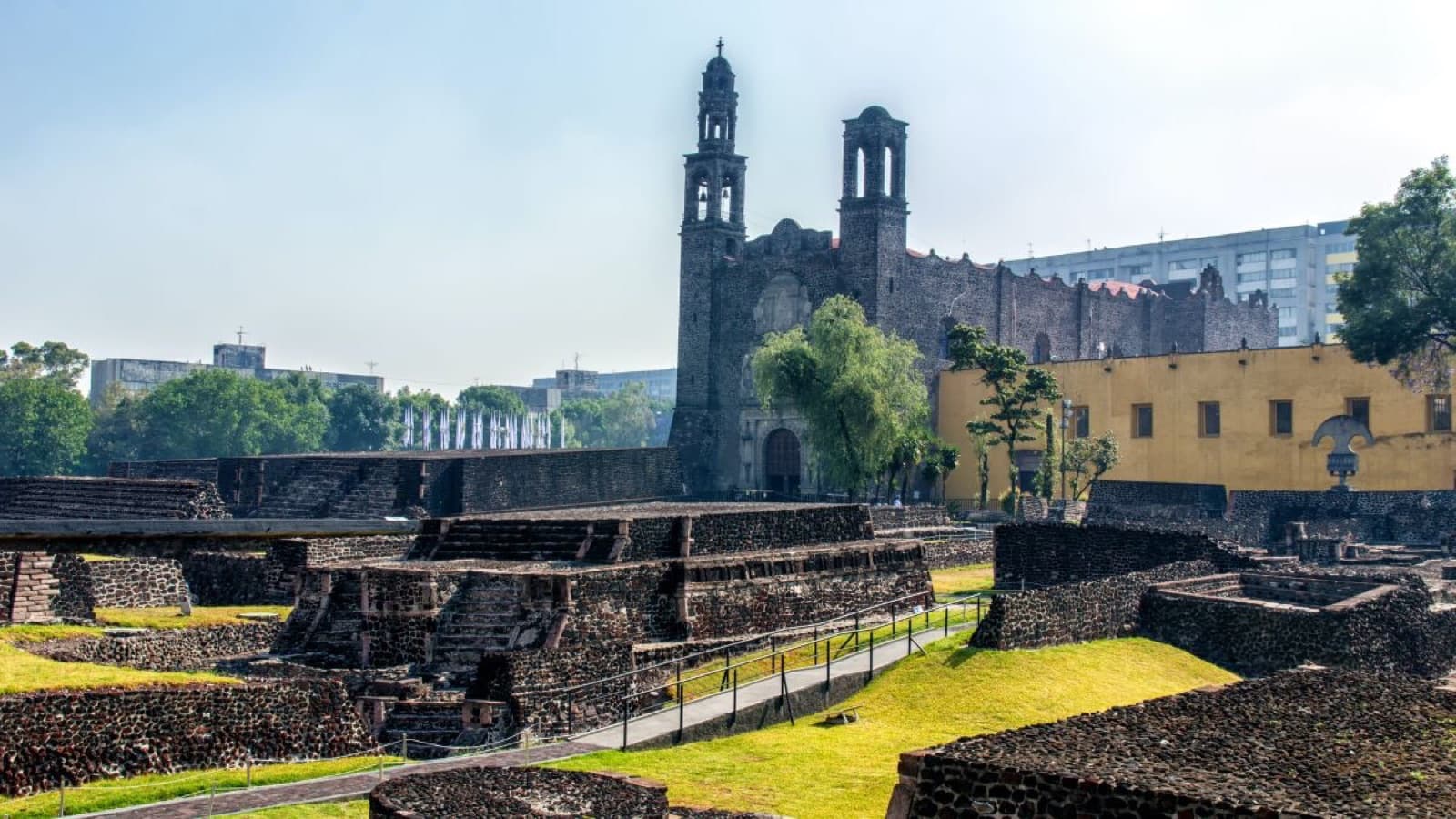
  • Plaza of the Three Cultures in Tlatelolco

    Plaza of the Three Cultures

    Three eras on a single plane: the Mexica ceremonial center, a colonial church from 1610 and a 20th-century tower. But this place carries a wound —on 2 October 1968 the army massacred hundreds of students here. Mexico still hasn't closed it.

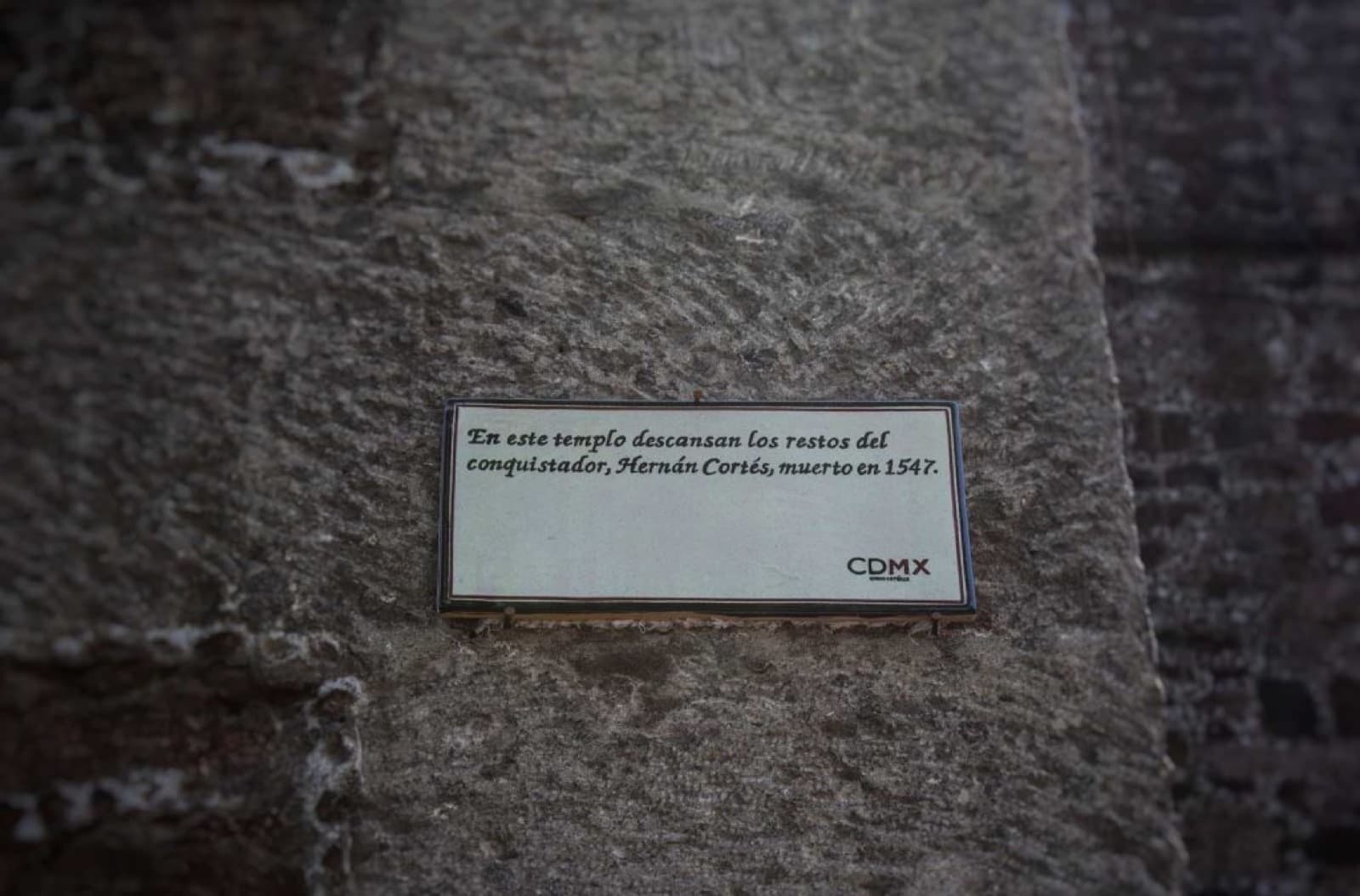
  • Hospital de Jesús church, Cortés's tomb

    Tomb of Hernán Cortés

    In the church of a hospital he founded himself lie the remains of Hernán Cortés, the conqueror. They were moved from place to place over centuries for fear of desecration. The plaque marking them is deliberately discreet: in Mexico, the name Cortés still stirs unease.

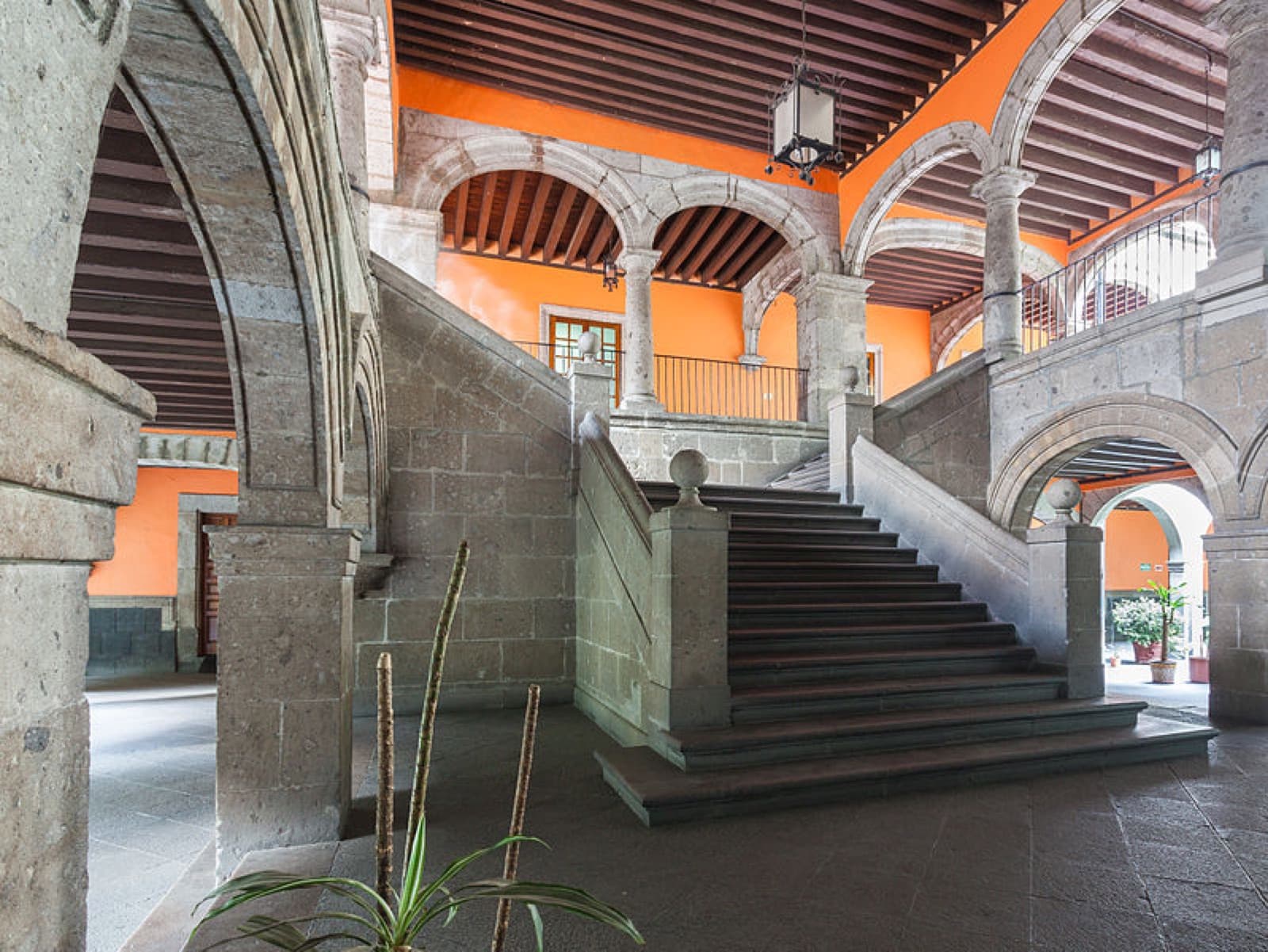
  • Courtyard of the Hospital de Jesús Nazareno

    Hospital de Jesús Nazareno

    Cortés founded it in 1524, by tradition on the exact spot where he first met Moctezuma. It still operates: the oldest continuously working hospital on the entire American continent. Five centuries healing people in the same place.

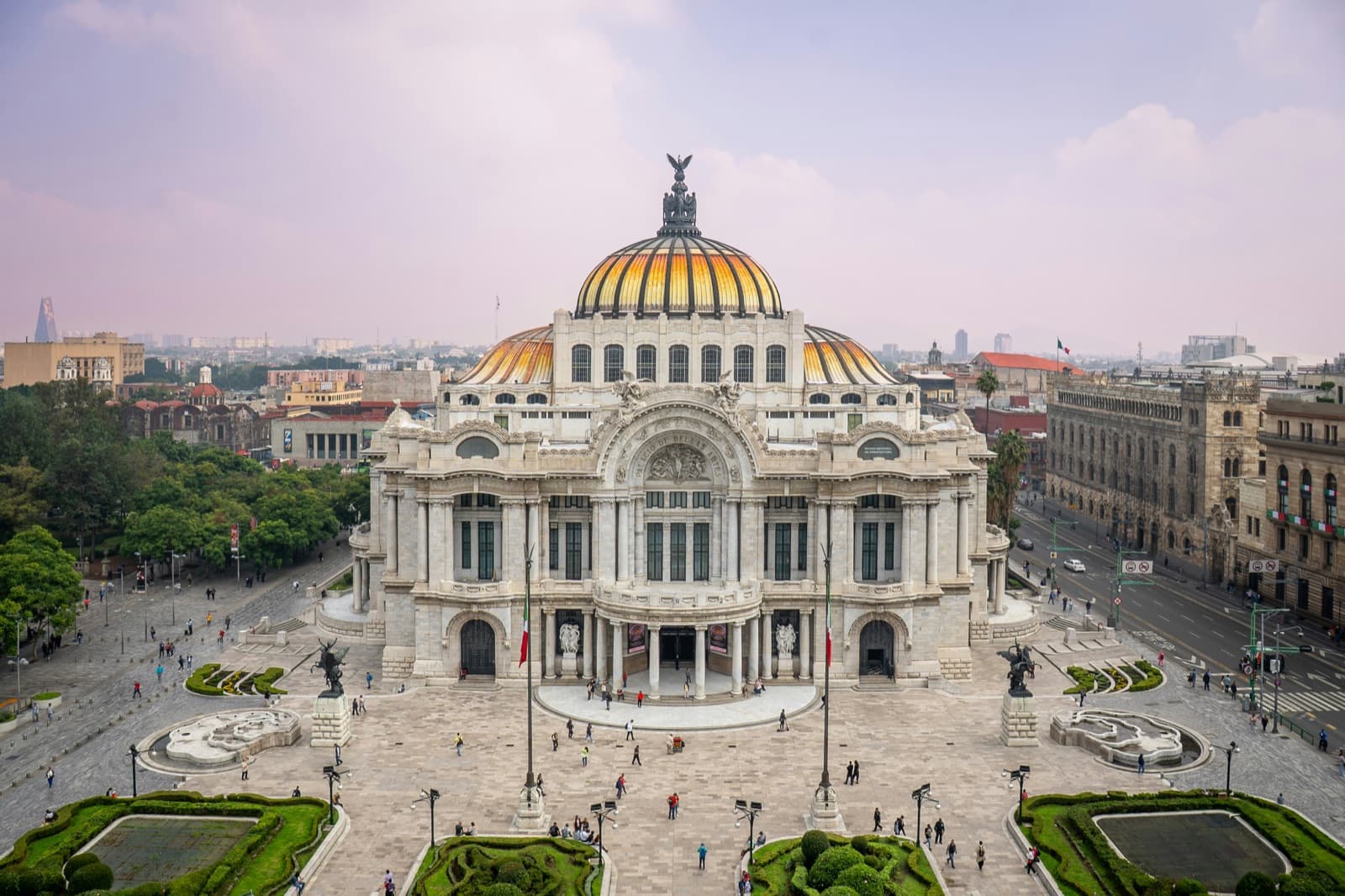
  • Dome of the Palacio de Bellas Artes

    Palacio de Bellas Artes

    Porfirio Díaz commissioned it for the Centenary of Independence —and the Revolution cut it short: it finally opened in 1934. Carrara marble outside, Art Deco within, murals by Rivera, Orozco and Siqueiros. Its Tiffany glass curtain weighs 22 tonnes.

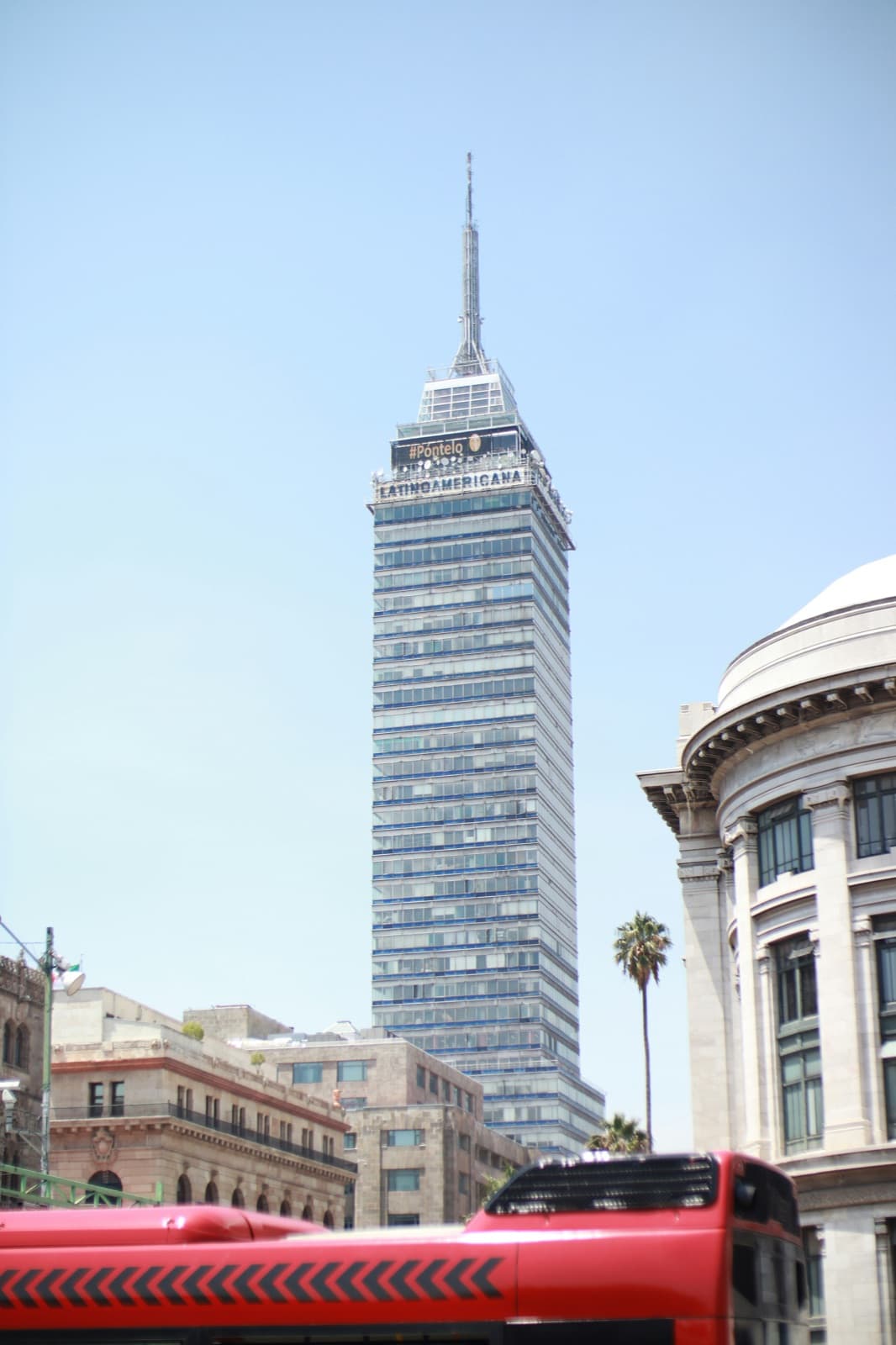
  • Torre Latinoamericana in central Mexico City

    Torre Latinoamericana

    The first skyscraper in the world built on seismic ground —and over the bed of a lake. They called it impossible, but it withstood the earthquakes of 1957, 1985 and 2017. At 182 meters tall overall, it was for years the tallest building in Mexico; its observation deck still offers one of the best views over the historic center.

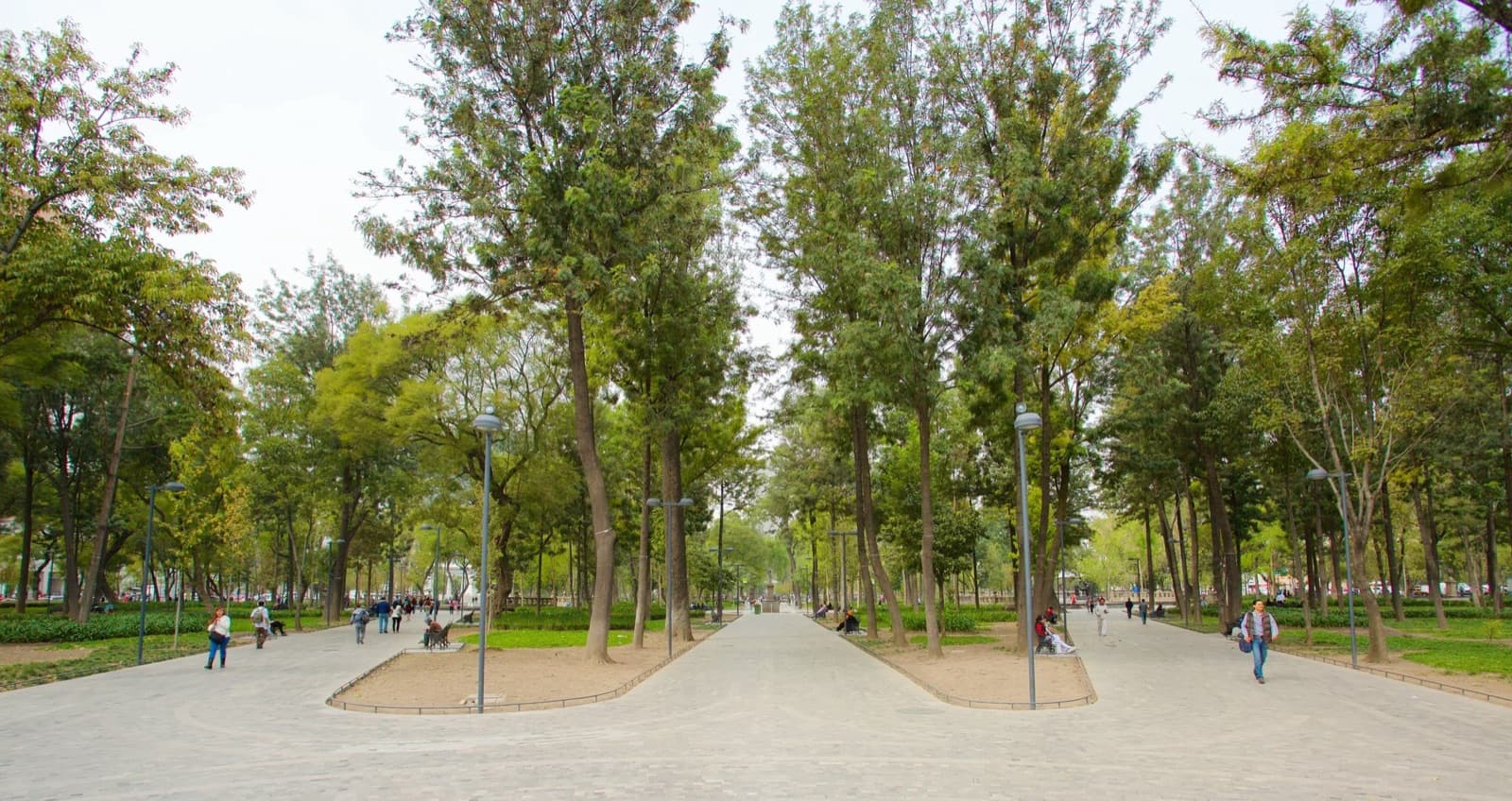
  • Alameda Central, the historic park of Mexico City

    Alameda Central

    The oldest urban park in the Americas: laid out in 1592 over a former Mexica market. Ponds, fountains, the Hemiciclo a Juárez. Diego Rivera immortalized it in a mural where he gathered, side by side, the whole cast of Mexican history on a Sunday afternoon.

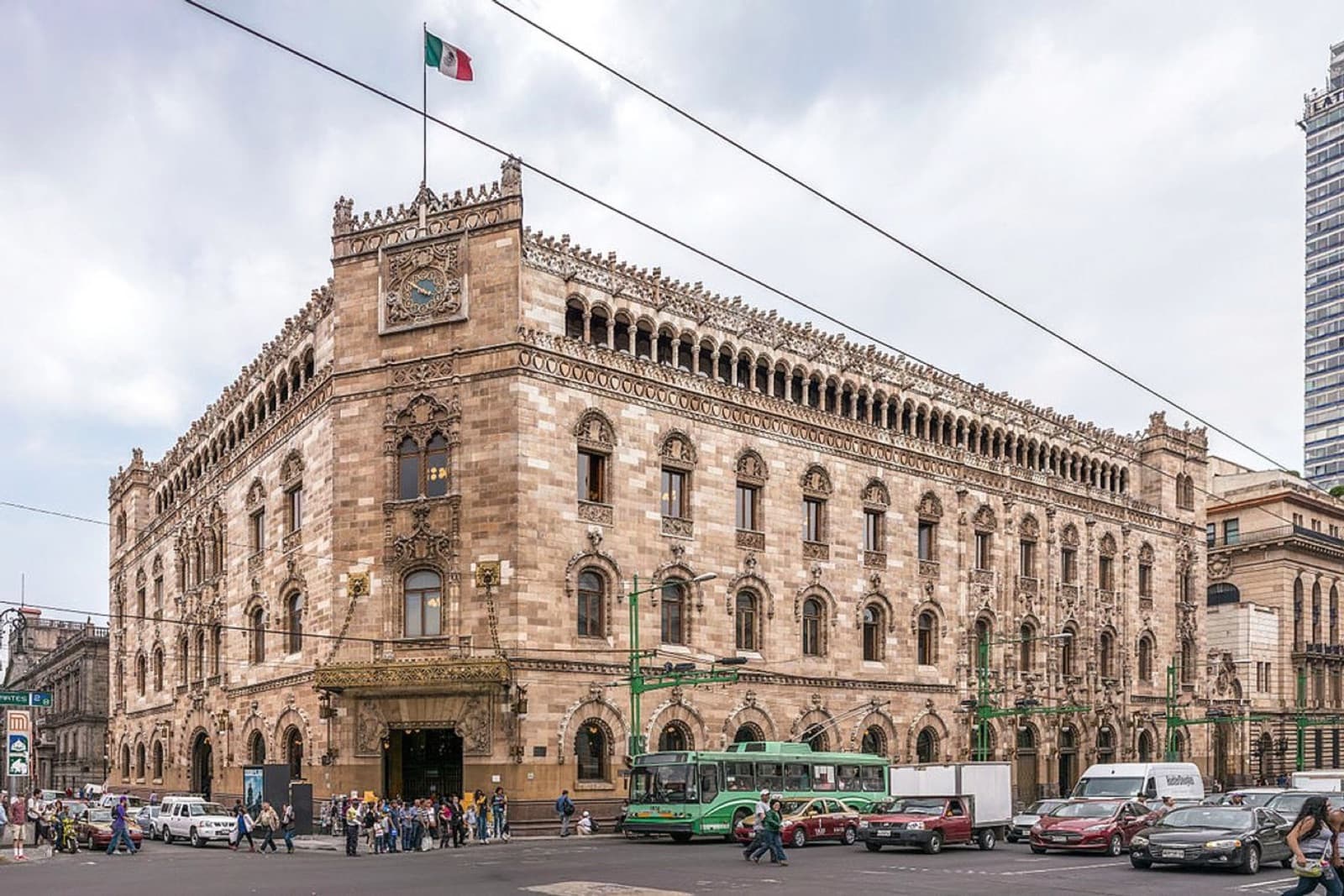
  • Interior of the Mexico City Postal Palace

    Postal Palace

    It looks like a European palace and it's… a post office, still open for business. Adamo Boari inaugurated it in 1907, blending Gothic, Plateresque and Venetian. Inside, the bronze staircases and railings were cast in Florence. The Porfiriato wanted even the mail to pass through a palace.

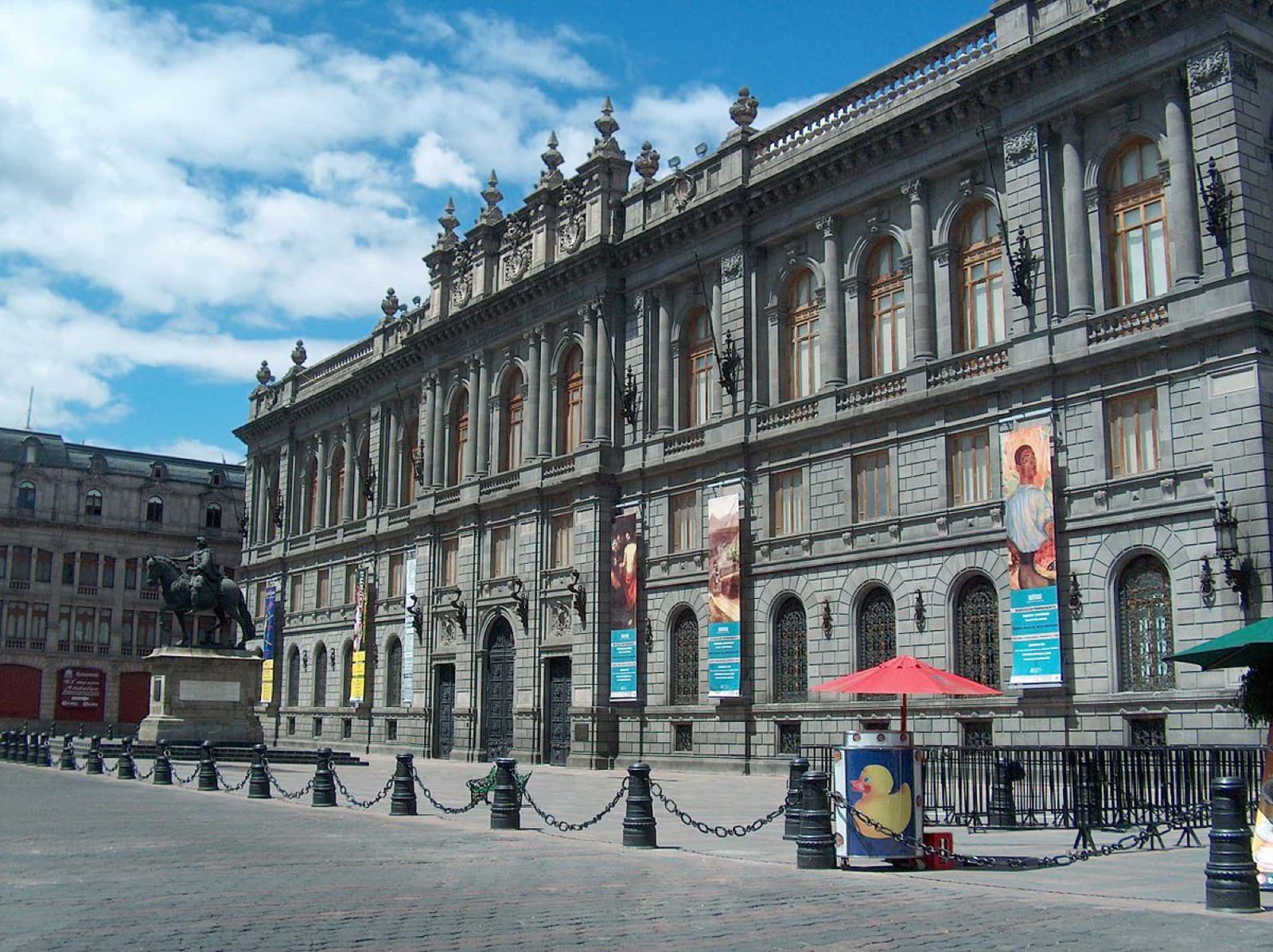
  • Façade of the National Museum of Art (MUNAL)

    National Museum of Art (MUNAL)

    In an Italian palace from 1911, the largest collection of Mexican art from the 16th to the 20th century: from viceregal painting to muralism. Outside, Tolsá's "El Caballito". Inside, how Mexico learned to look at itself, era by era.

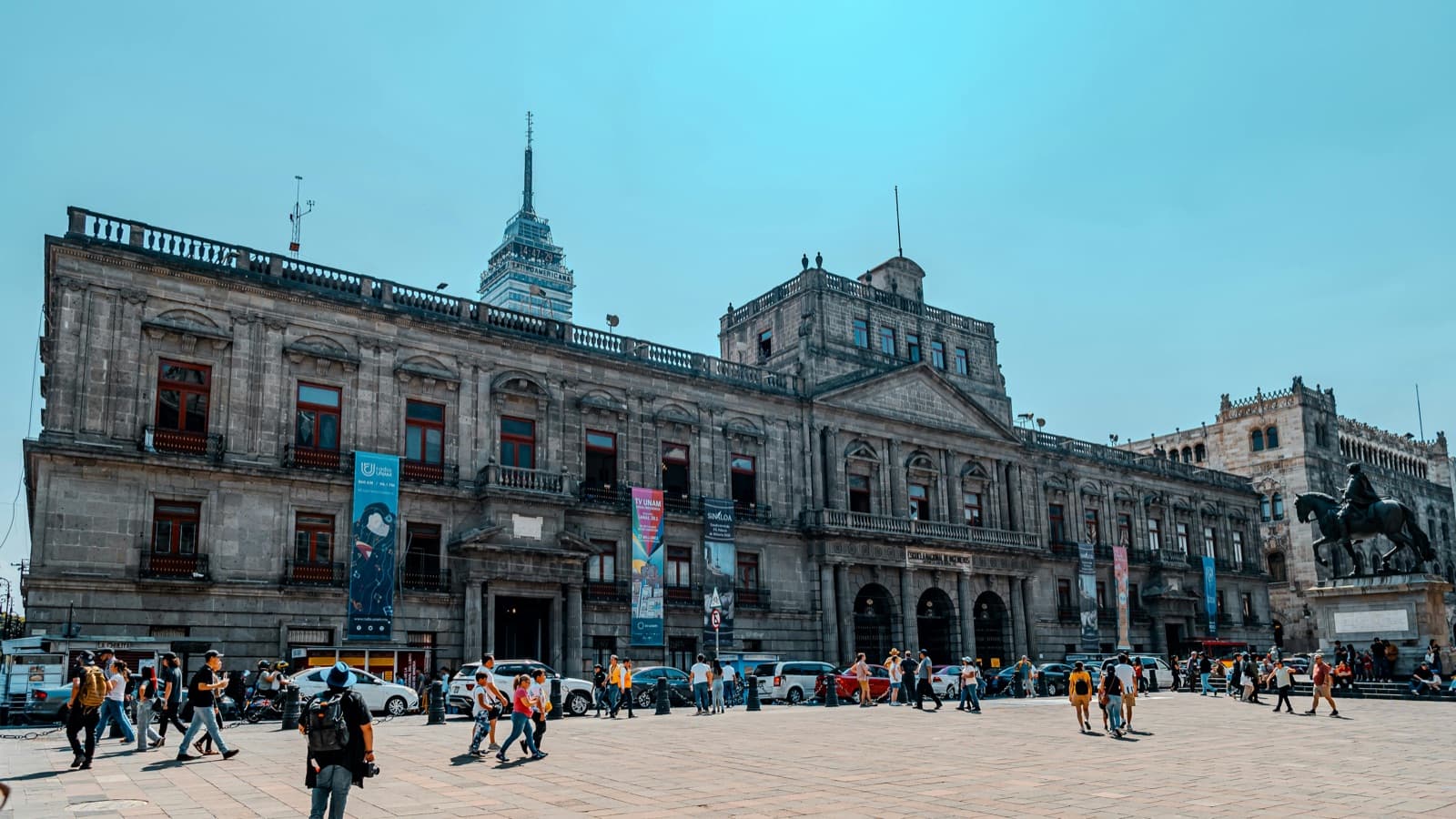
  • Façade of Manuel Tolsá's Palacio de Minería

    Palacio de Minería

    A masterpiece of American neoclassicism that Manuel Tolsá raised to teach mining —when silver drove the viceroyalty. Today it belongs to the UNAM's Faculty of Engineering and fills with books each year at its fair. The elegance of the Enlightenment, in stone.

  • Historic palaces along calle Madero

    Palacio de Iturbide

    A Baroque palace where the man who proclaimed himself emperor of Mexico in 1822 once lived —and lasted very little. Agustín de Iturbide wanted a Mexican monarchy; history had other plans. Today the building shows art under its covered courtyard, on bustling calle Madero.

  • La Profesa church on calle Madero

    Church of La Profesa

    A discreet Jesuit church on calle Madero. But here, in 1820, a group of conservative clergy and military officers hatched the "Conspiracy of La Profesa" —and, fearing liberal reforms, ended up hastening Mexican independence. Revolutions don't always begin where you'd expect.

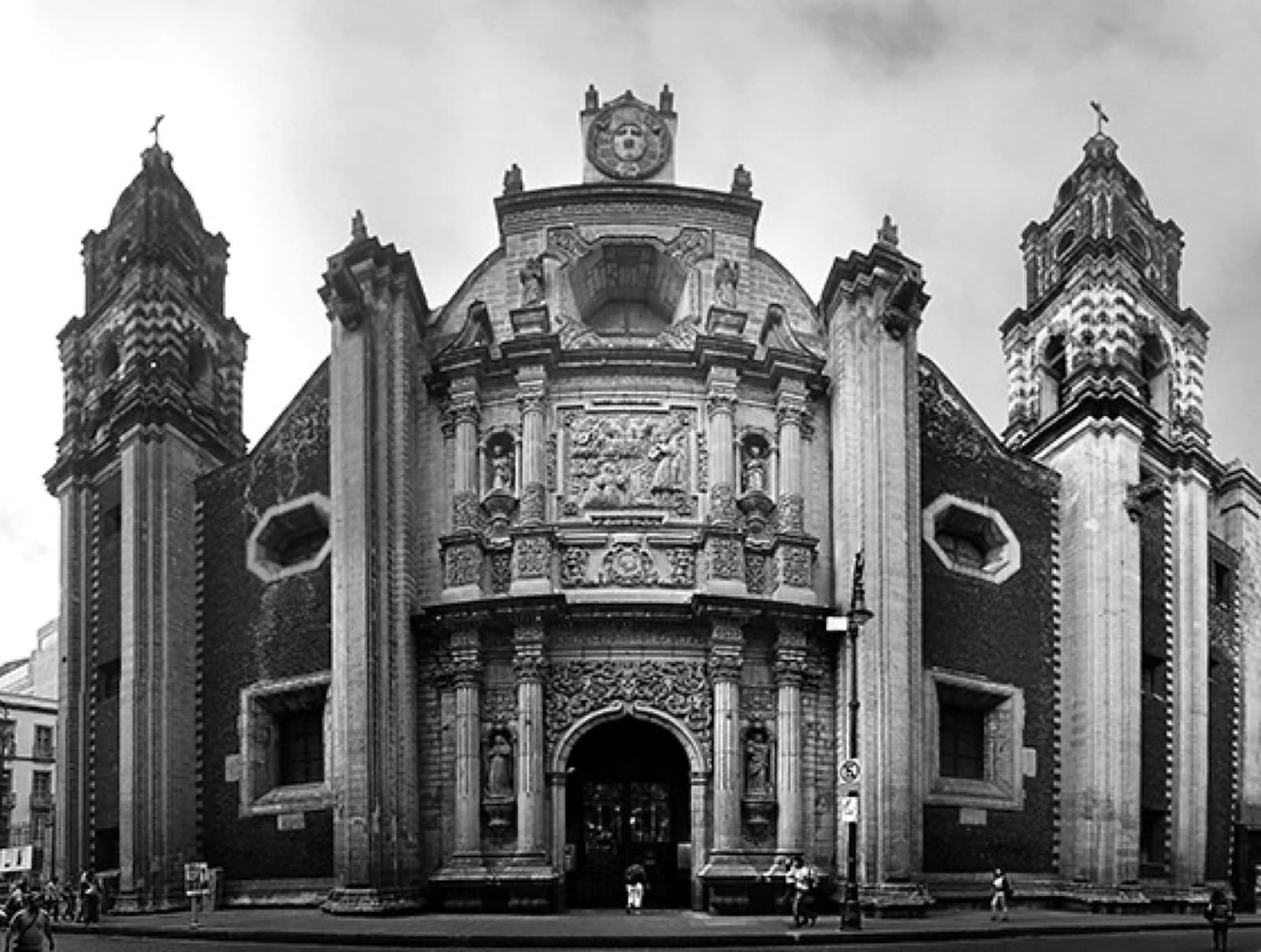
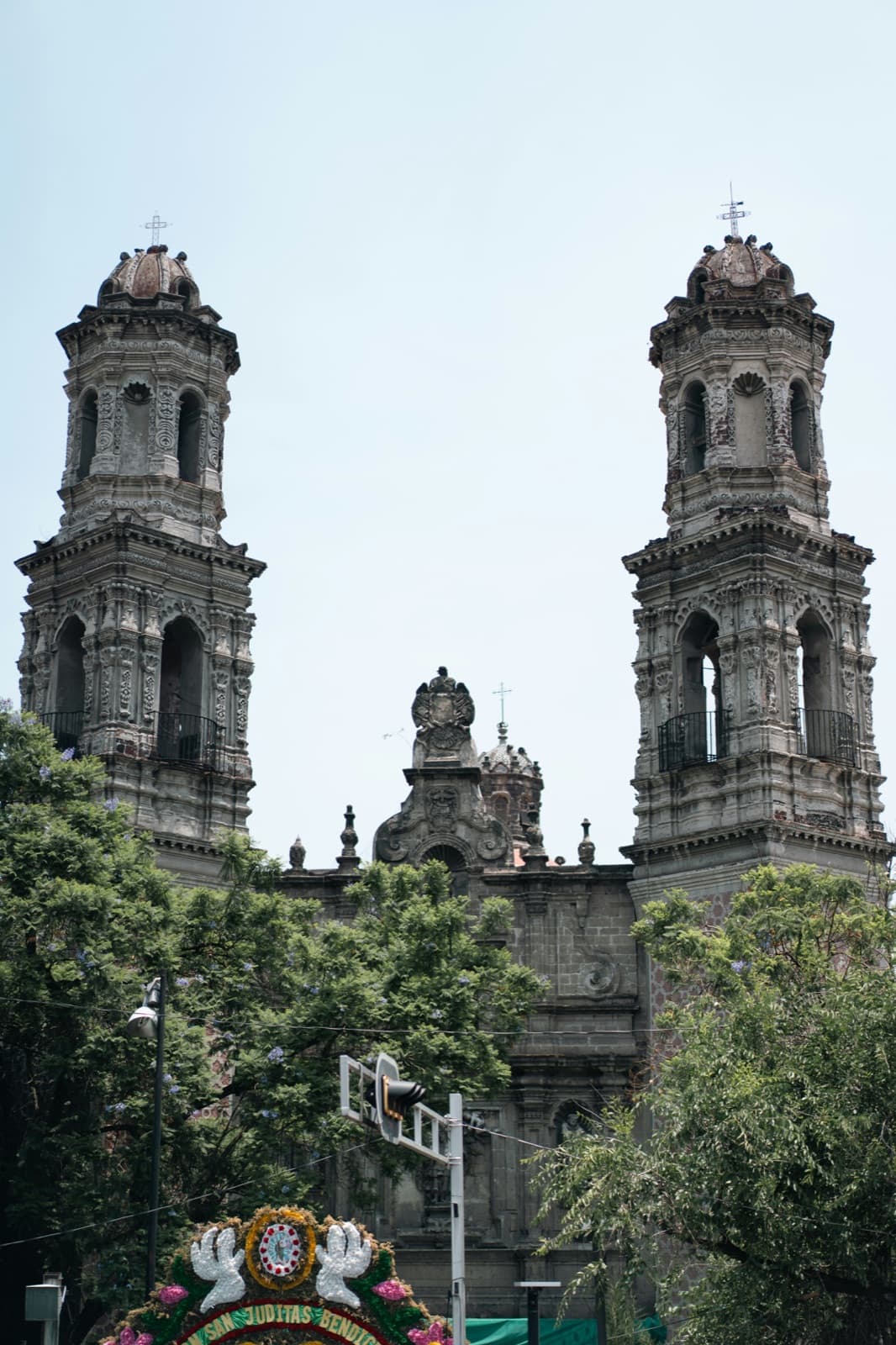
  • Church of San Hipólito on Hidalgo avenue

    Church of San Hipólito

    Founded in 1521 in memory of the Spanish soldiers who died on the "Noche Triste," when Cortés had to flee Tenochtitlan. Today it's the great shrine to St. Jude: on the 28th of each month, thousands of the faithful overflow it. Popular devotion claimed a church born of a defeat.

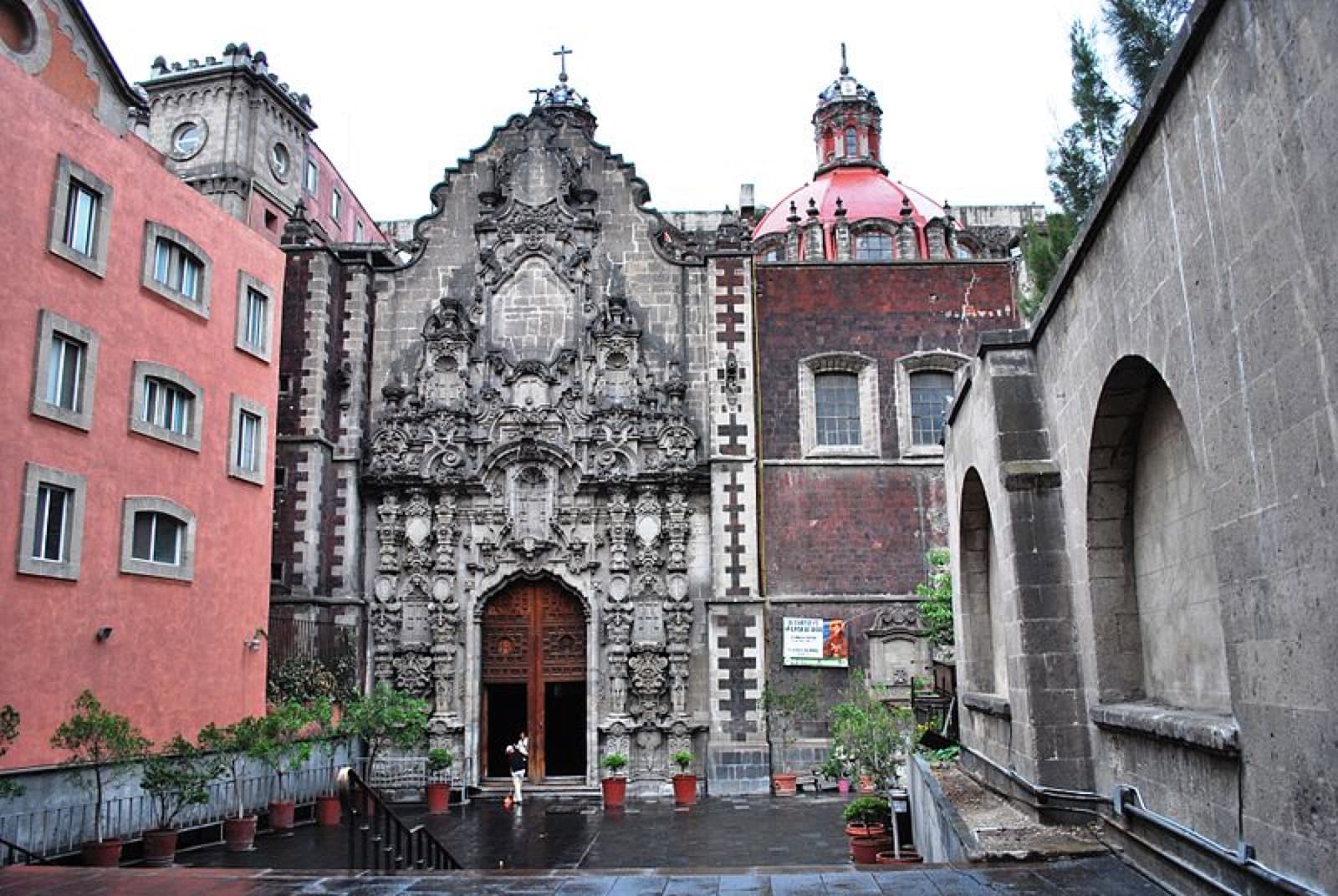
  • Fragment of the Convent of San Francisco on calle Madero

    Convent of San Francisco

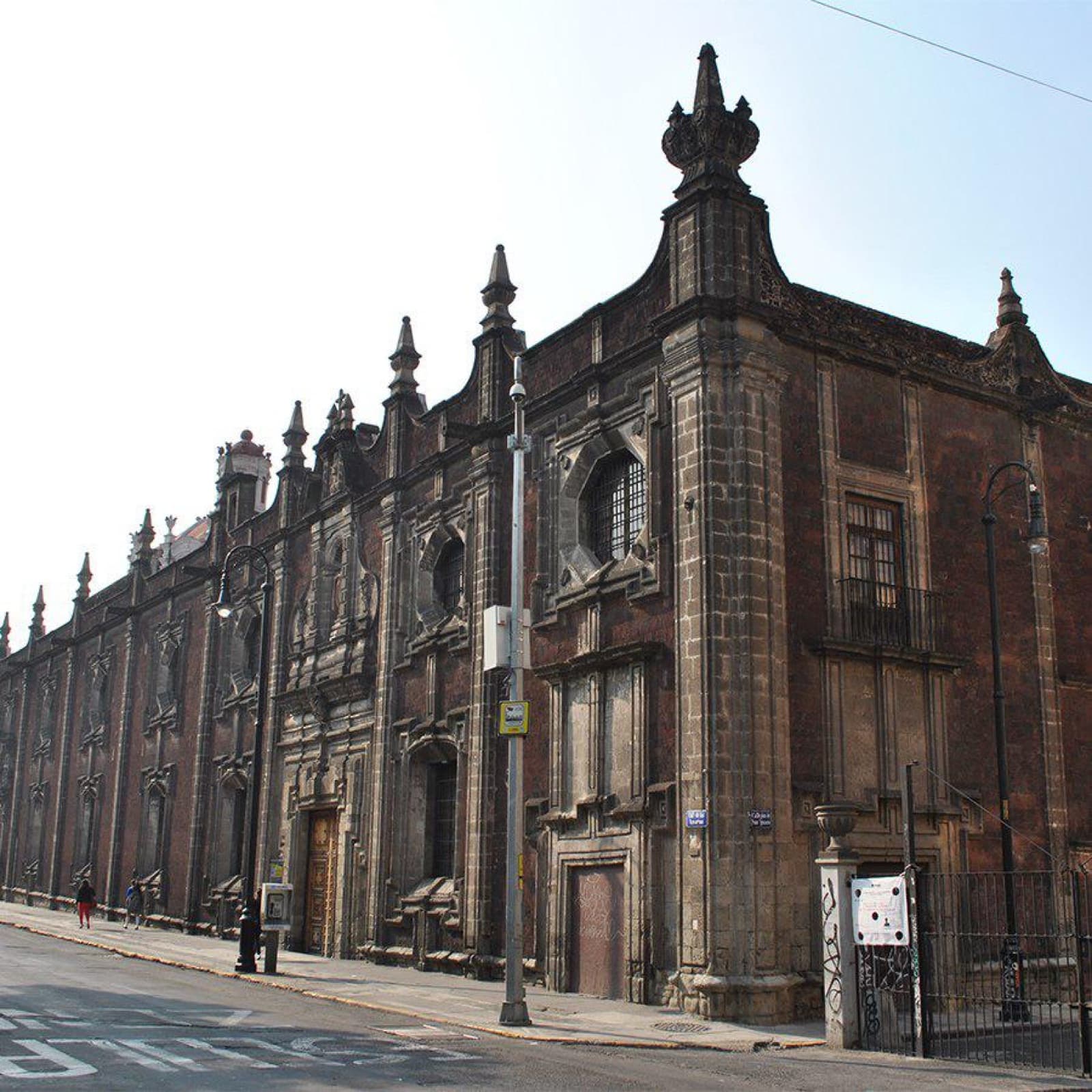
    It was the largest convent in the Americas: it took up the whole block between Madero and Bellas Artes. The Reform Laws broke it up and sold it off. Today only the church and a fragment of the cloister survive, hidden among modern shops. You have to know it was all once there.

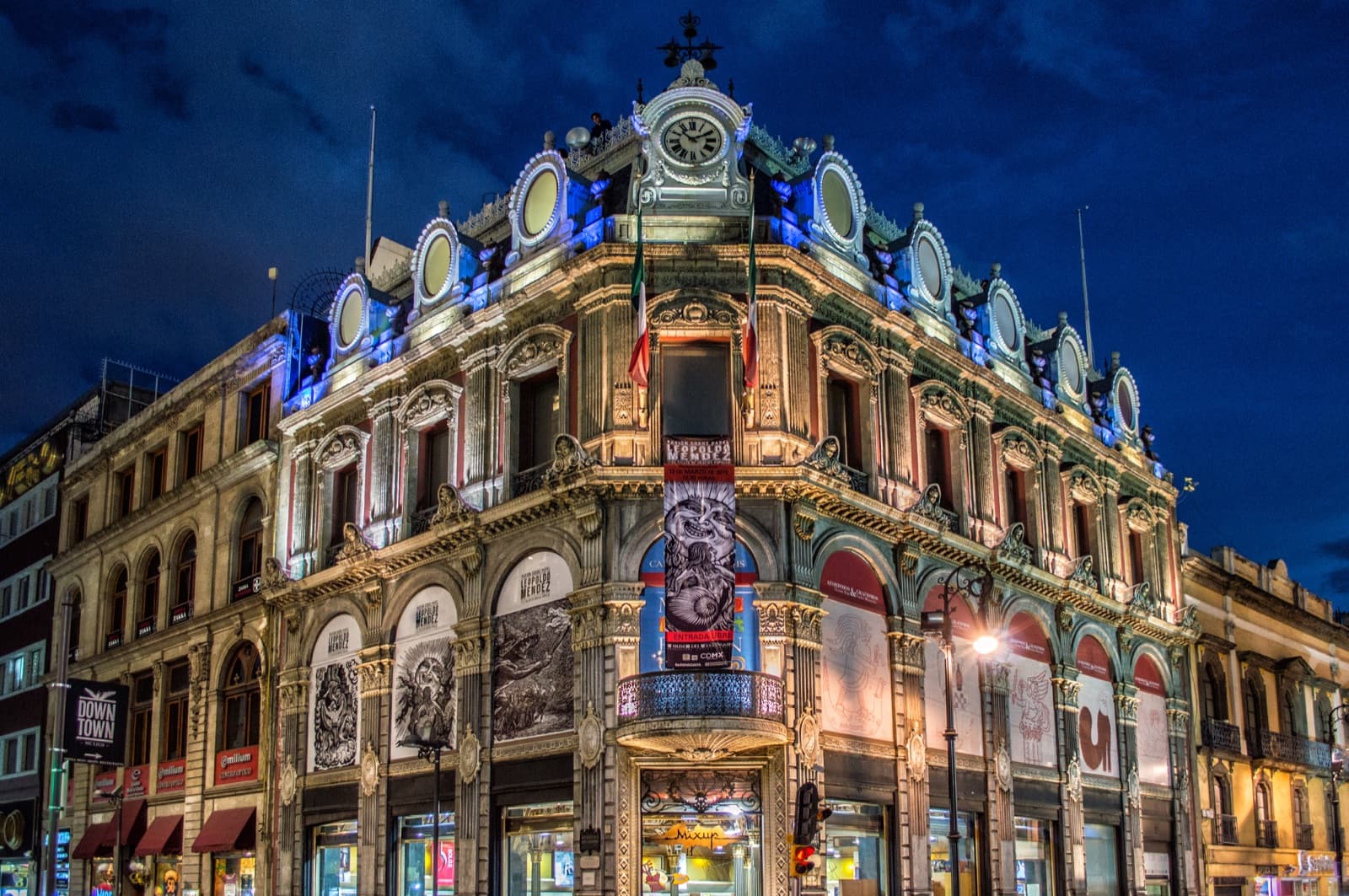
  • Façade of the Museo del Estanquillo

    Museo del Estanquillo

    A small museum in an 1890 building, holding Carlos Monsiváis's personal collection. Political cartoons, photography, film, popular culture: 20th-century Mexico seen by one of its sharpest chroniclers. The city telling its own story, without solemnity.

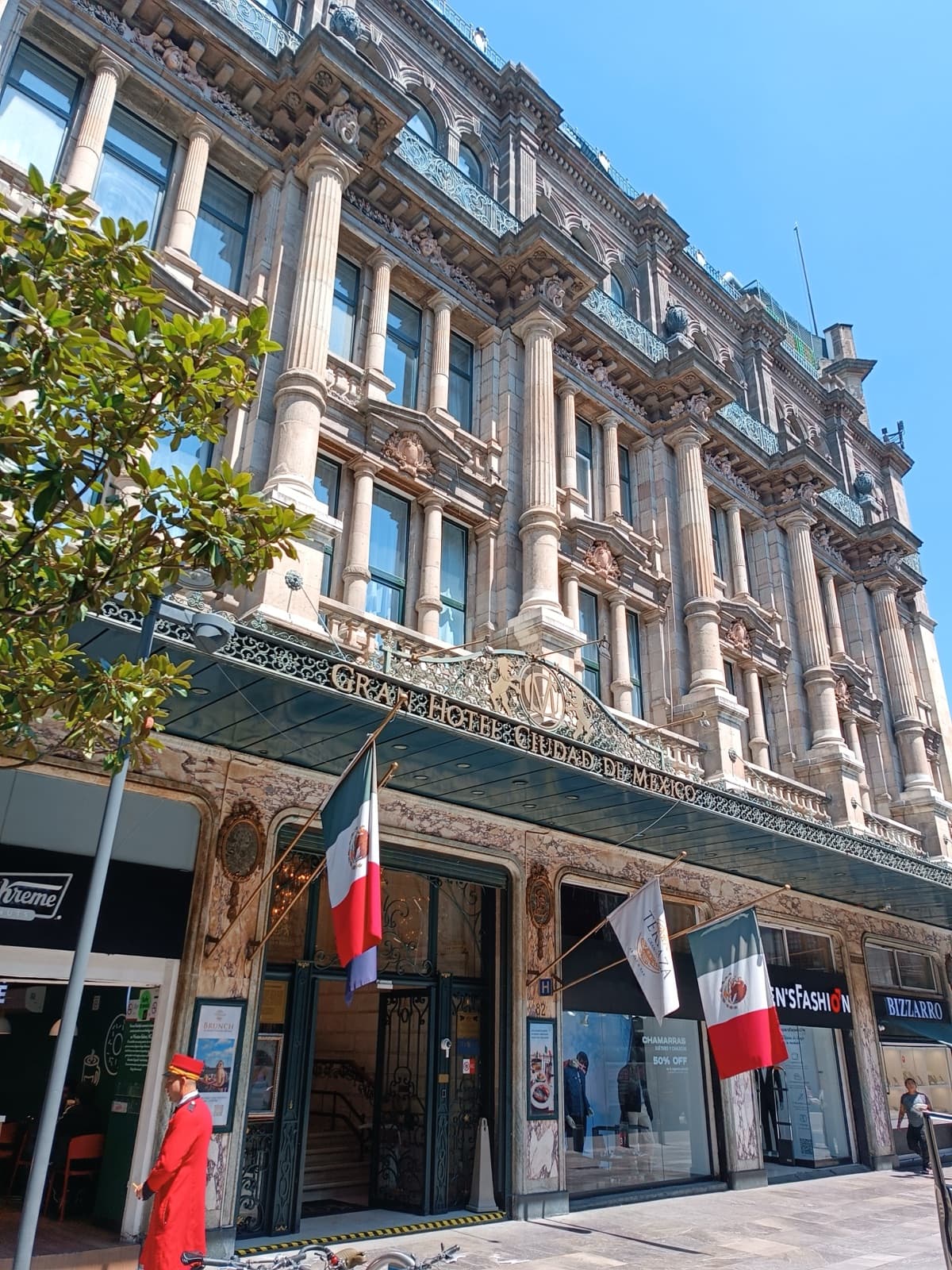
  • Stained-glass ceiling of the Gran Hotel de la Ciudad de México

    Gran Hotel de la Ciudad de México

    It opened as a department store in 1899 and became a hotel for the 1968 Olympic Games. But step in just to look up: an Art Nouveau stained-glass ceiling by Jacques Gruber, one of the largest in the world, turns the lobby into a destination in itself.

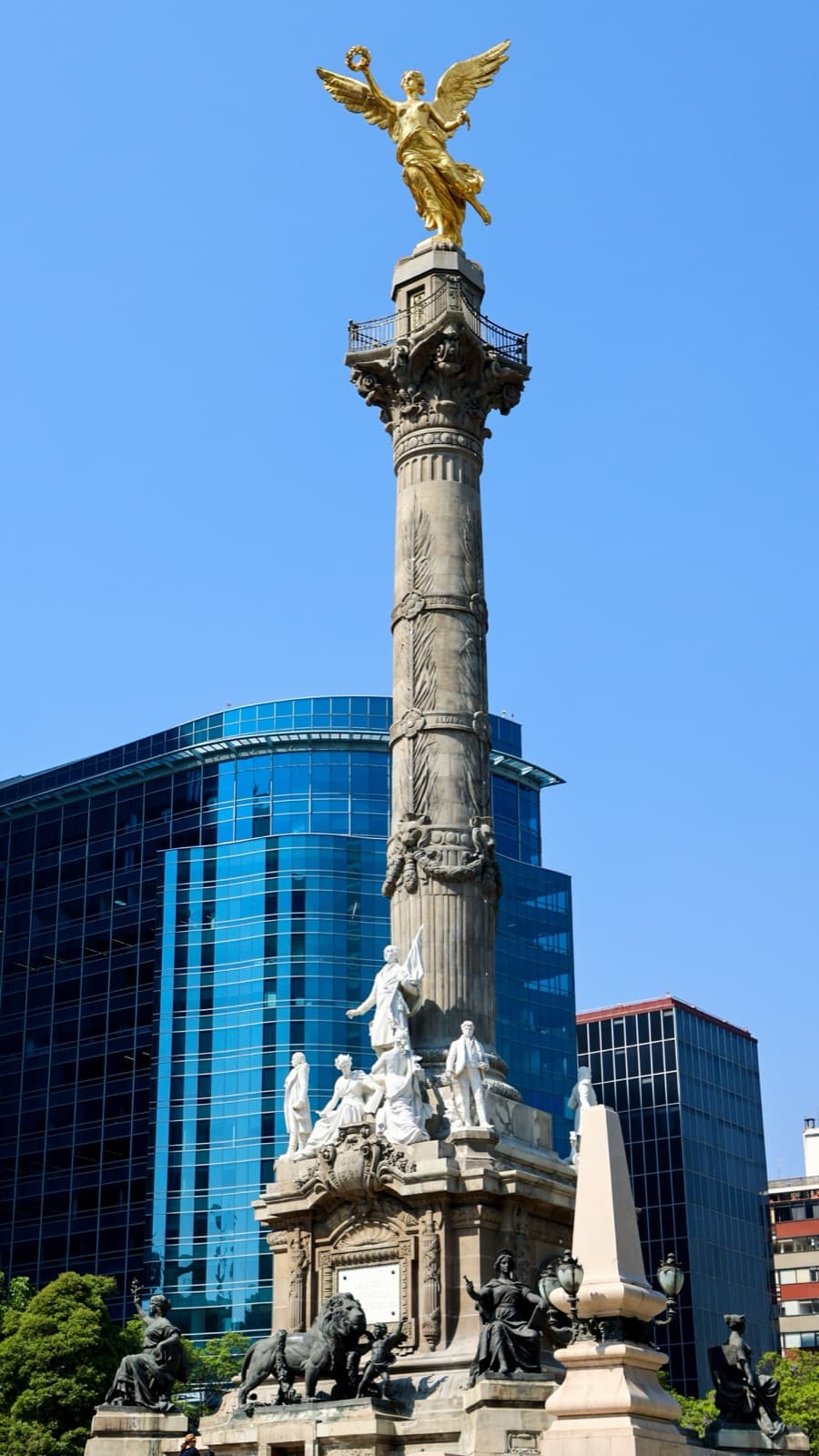
  • Angel of Independence on Paseo de la Reforma

    Angel of Independence

    The Winged Victory that Porfirio Díaz inaugurated in 1910 for the Centenary. At its base rest the heroes of the 1810 war —founding fathers beneath your feet. And when Mexico celebrates, marches or mourns, it does so here: the Ángel is the whole city's meeting point.

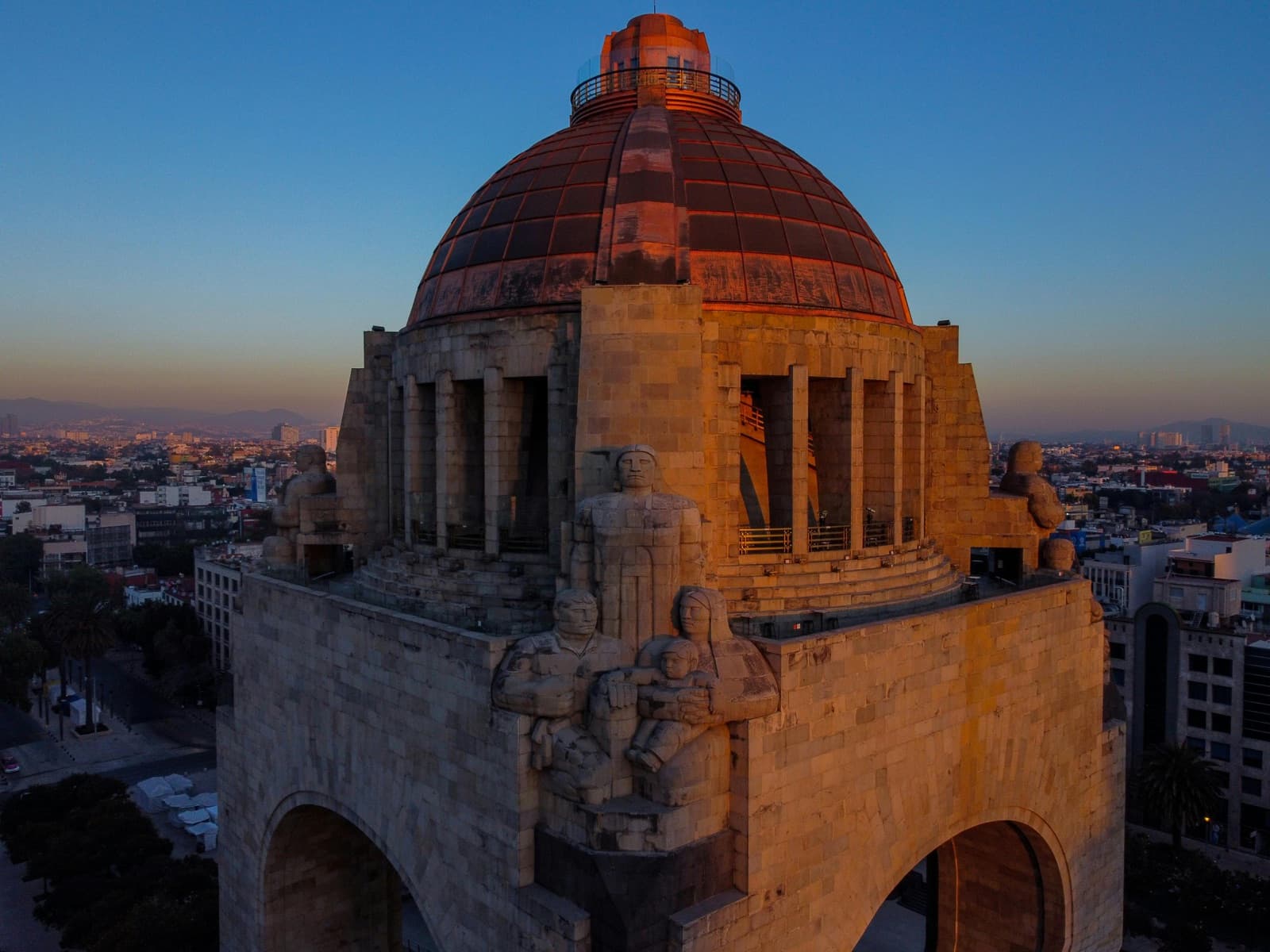
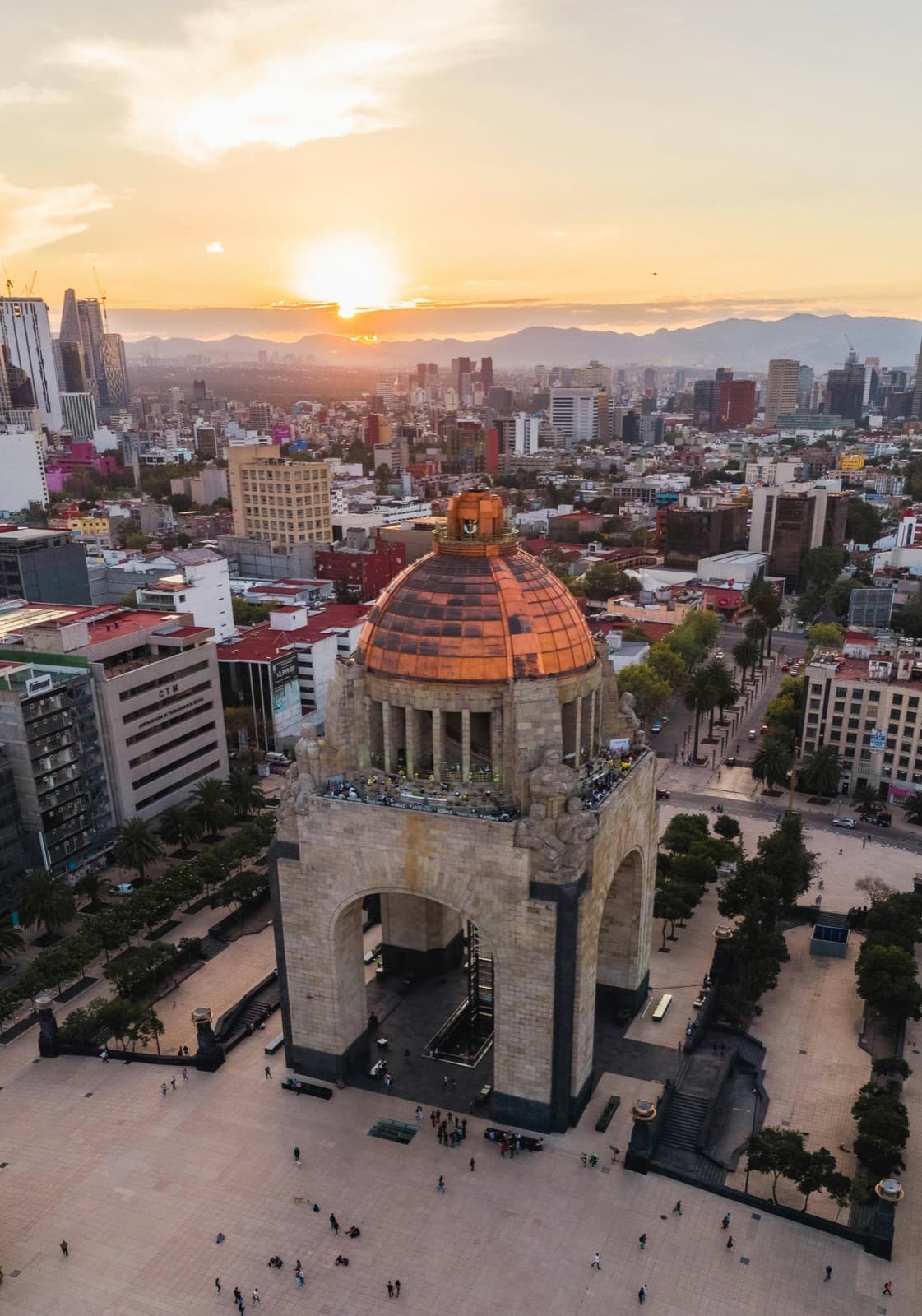
  • Monument to the Mexican Revolution

    Monument to the Revolution

    It was meant to be the dome of Porfirio Díaz's legislative palace —but the Revolution overthrew him and left the work half-built. Years later, that skeleton was finished as the Mausoleum of the Revolution. In its columns rest Madero, Villa, Carranza and Cárdenas: enemies in life, neighbors in death.

  • Interior of the National Museum of the Revolution

    National Museum of the Revolution

    Beneath the Monument, this museum tells the years that gave birth to modern Mexico: from Juárez's Reform Laws to the 1917 Constitution. Madero, Villa, Zapata, Carranza —with objects, documents and photographs. To understand why the Revolution is still so present.

  • Chapultepec Castle on top of the hill

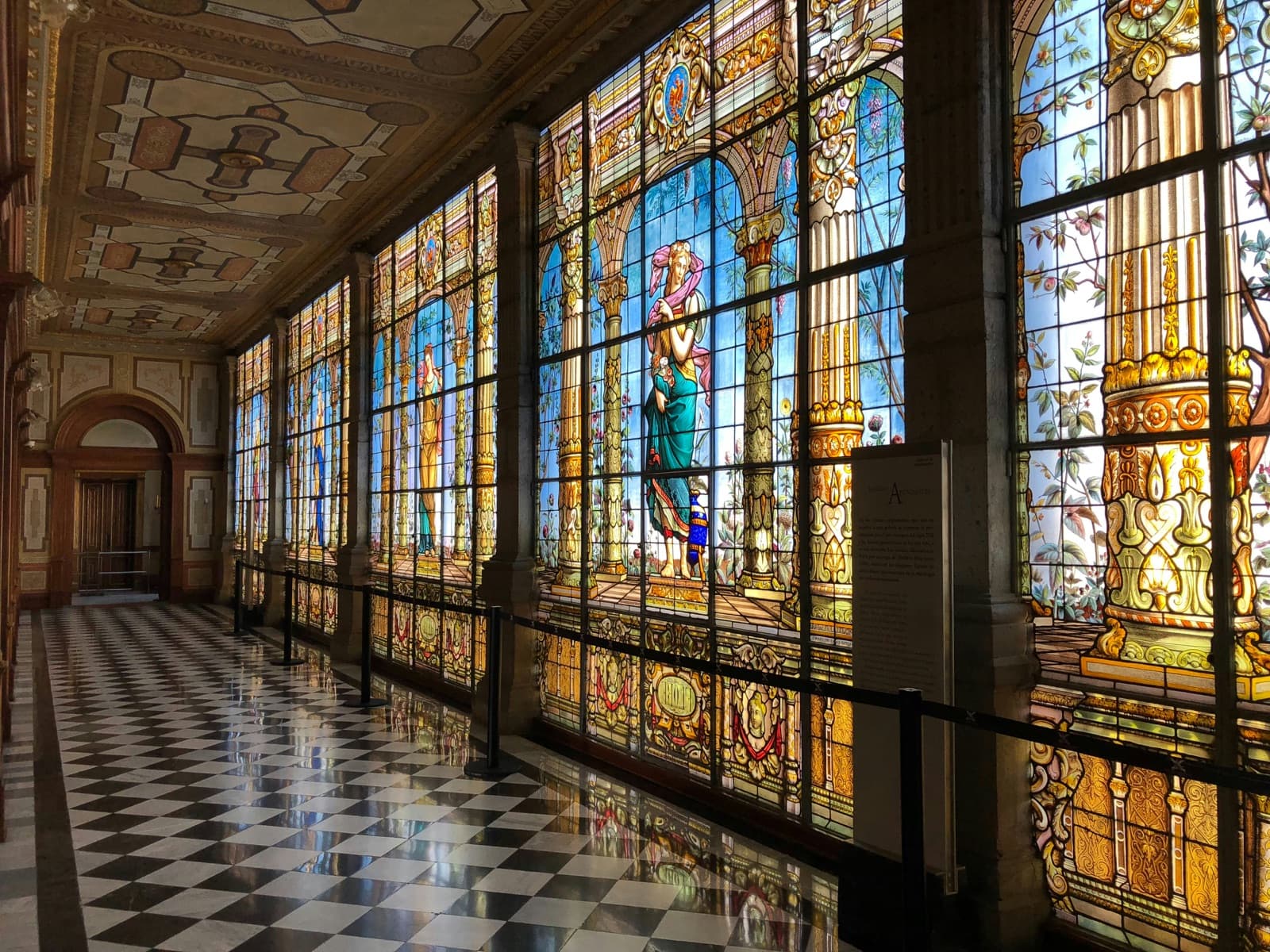
    Chapultepec Castle

    The only castle in the Americas to have housed European royalty: here lived Maximilian and Carlota, the emperor France imposed on Mexico. Before that a military college; later, the home of presidents; today, the Museum of History. All atop a forest already sacred to the Mexica.

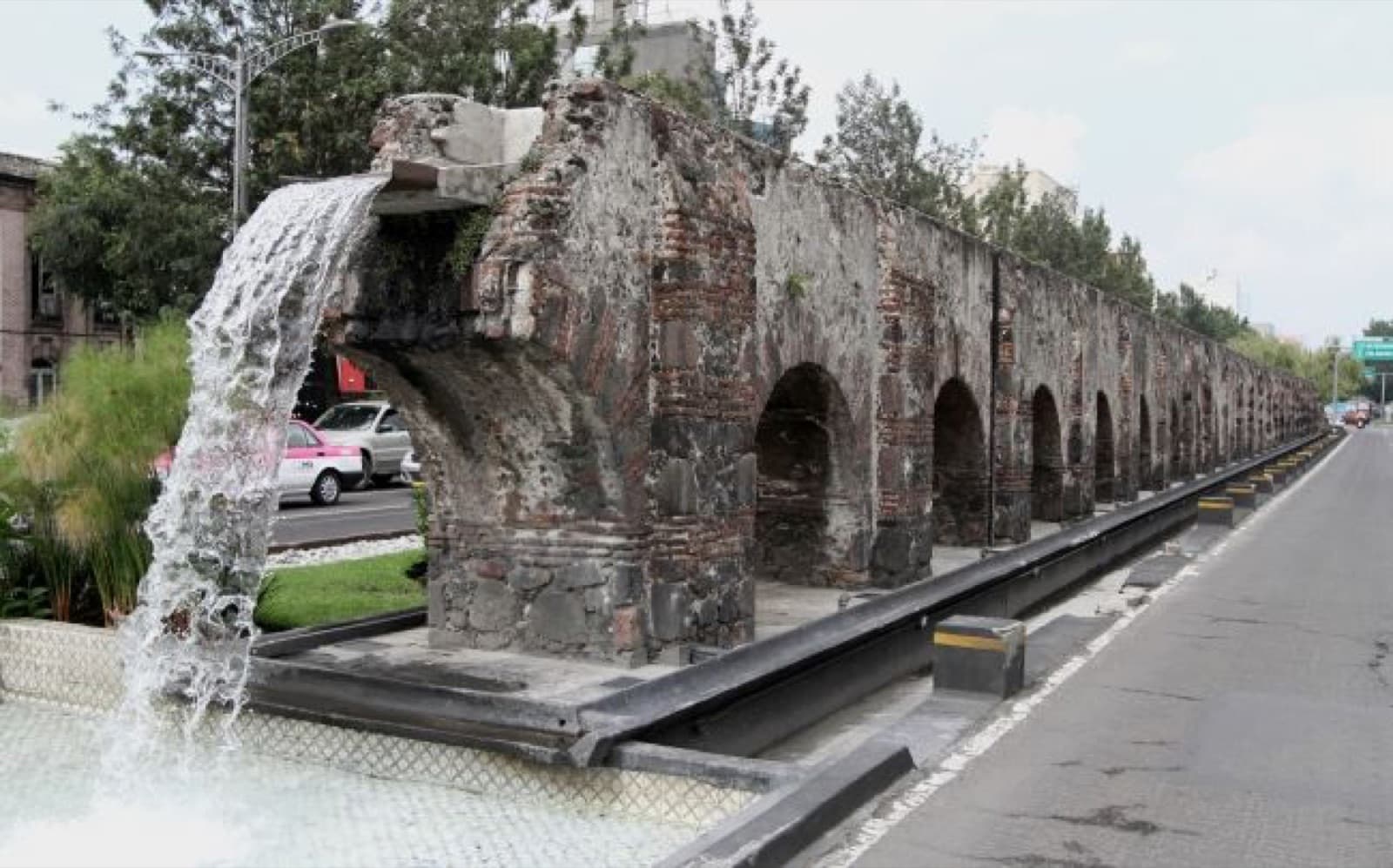
  • Remains of the colonial Chapultepec aqueduct

    Chapultepec Aqueduct

    It was built along the trace of the Mexica aqueduct to carry water from the Chapultepec spring to the center. Its arches supplied the city into the 19th century. Loose sections remain amid the modern traffic: the city's thirst, solved layer over layer since before the Conquest.

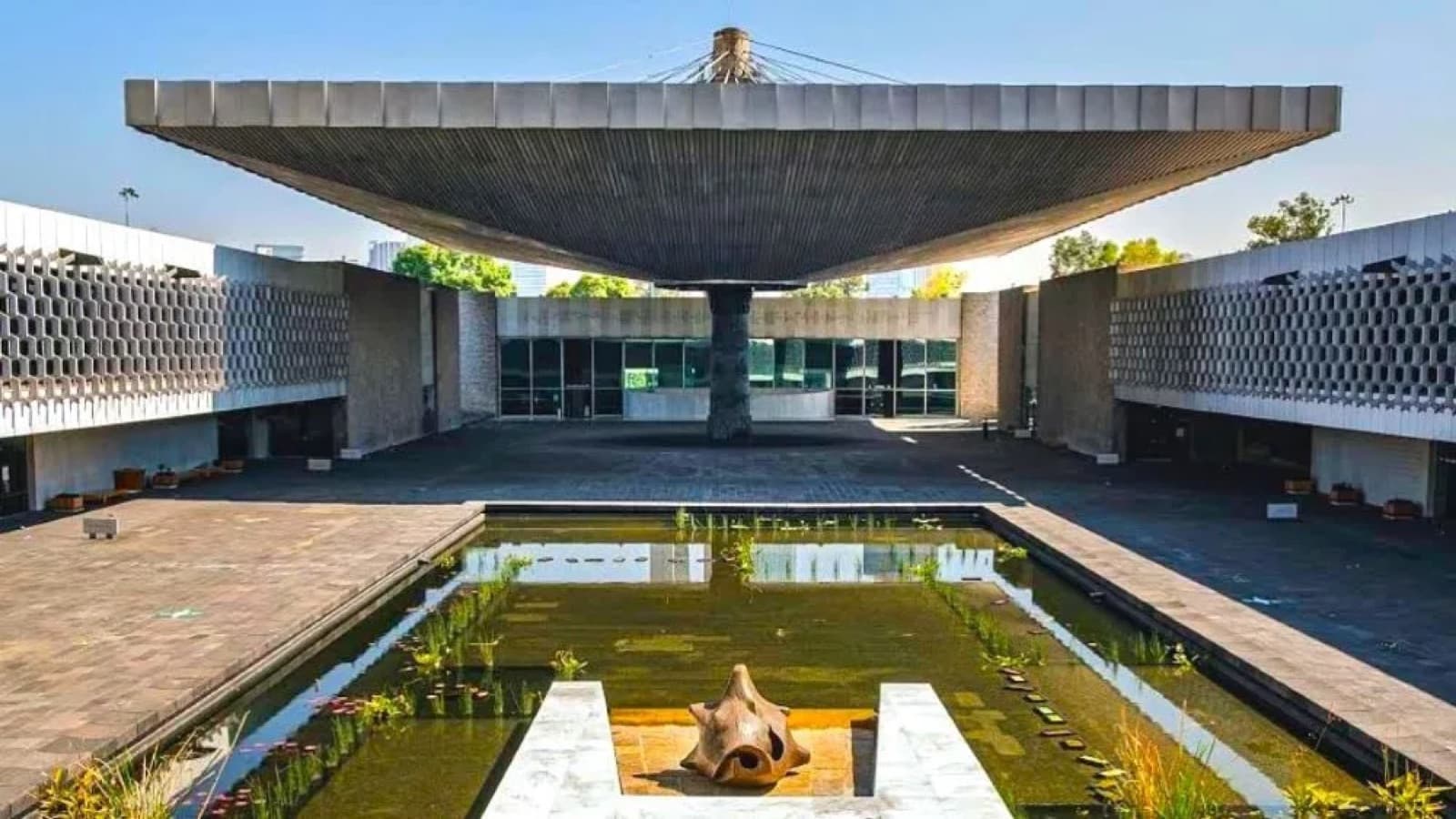
  • Courtyard of the National Museum of Anthropology

    National Museum of Anthropology

    One of the great museums in the world, in an iconic 1964 building. The Mexica Sun Stone, Pakal's tomb, the colossal Olmec heads, the codices. It's not a vault of dead objects: it's where Mexico keeps —and still shows alive— the root of what it is.

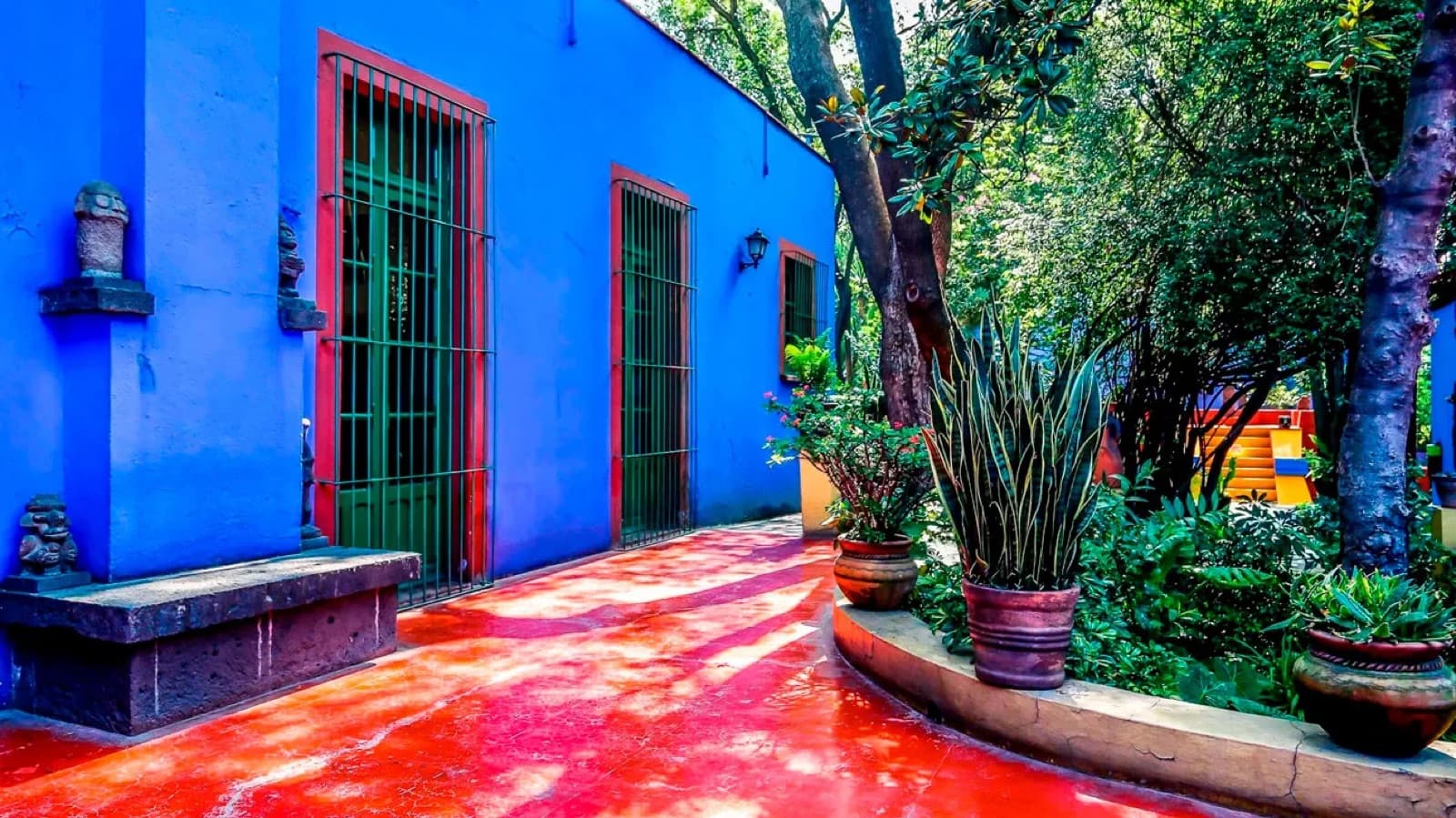
  • Frida Kahlo's Casa Azul in Coyoacán

    Casa Azul (Frida Kahlo Museum)

    The house where Frida Kahlo was born, lived with Diego Rivera and died —painted cobalt blue in the 1940s. It keeps her mirrored bed, her wheelchair, her wardrobe and works she never showed in life. You step into her world, not a museum about her.

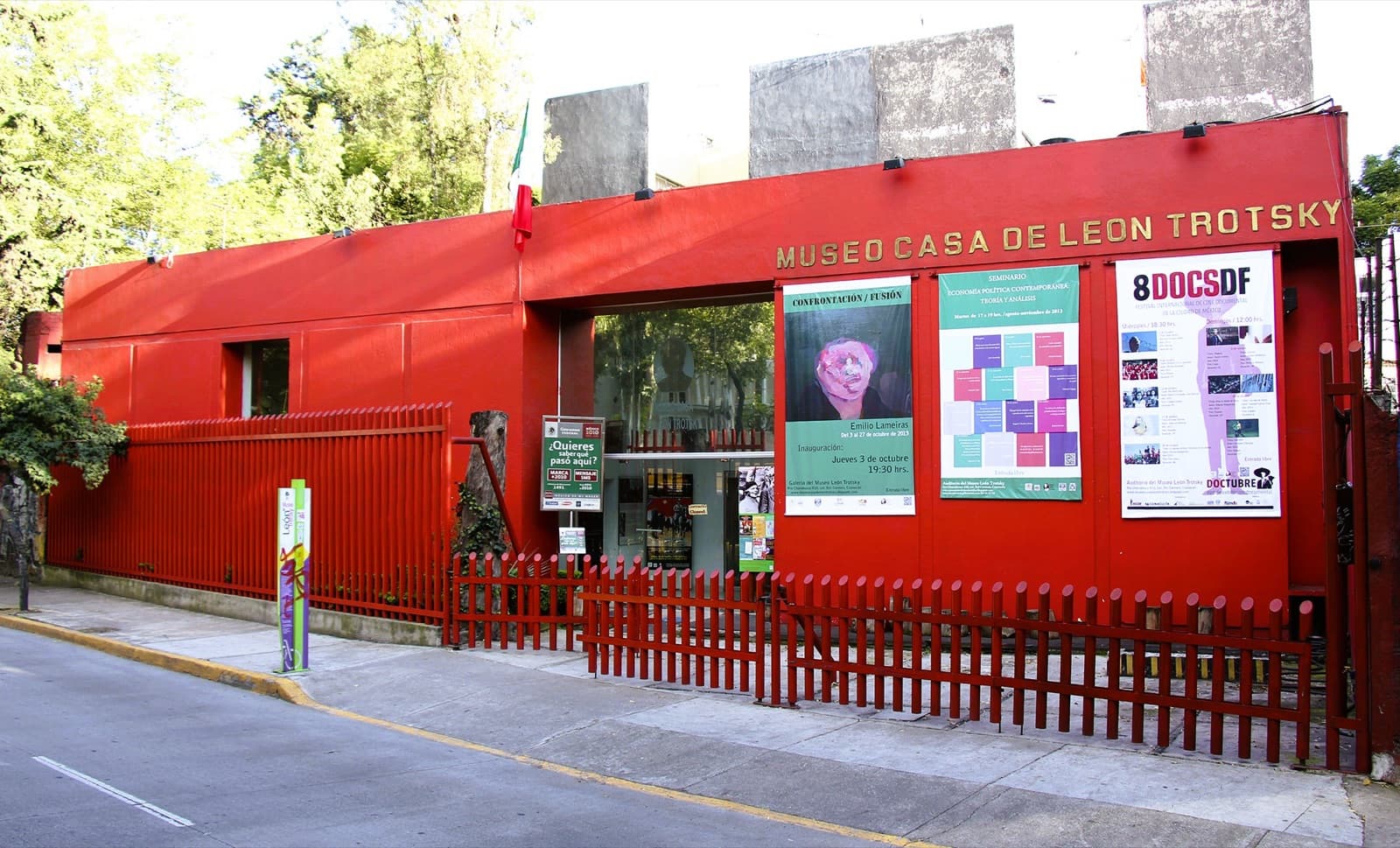
  • Leon Trotsky House Museum in Coyoacán

    Leon Trotsky House Museum

    The fortress-house where the Soviet revolutionary spent his last years, exiled by Stalin. He was murdered here in 1940 —with a blow from an ice axe— and the walls still bear the holes from an earlier attack. The study and the garden tomb remain as they were.

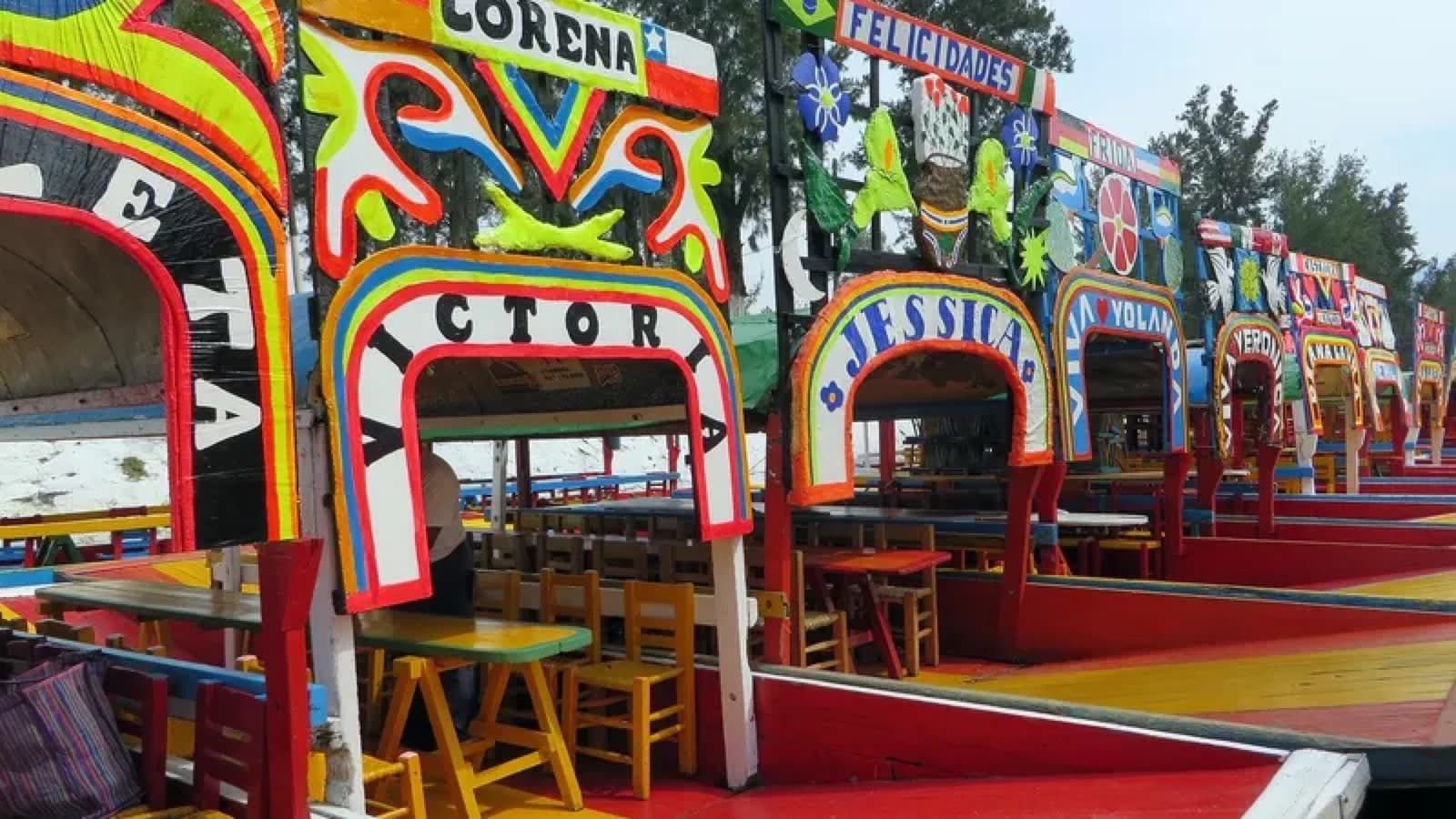
  • Trajinera boats in the canals of Xochimilco

    Canals of Xochimilco

    All that's left of the chinampas, the artificial islands that fed Tenochtitlan. Over 180 km of canals, painted trajinera boats, floating mariachis —and the eerie Isla de las Muñecas. You glide over the very system that made a capital in the middle of the water possible.

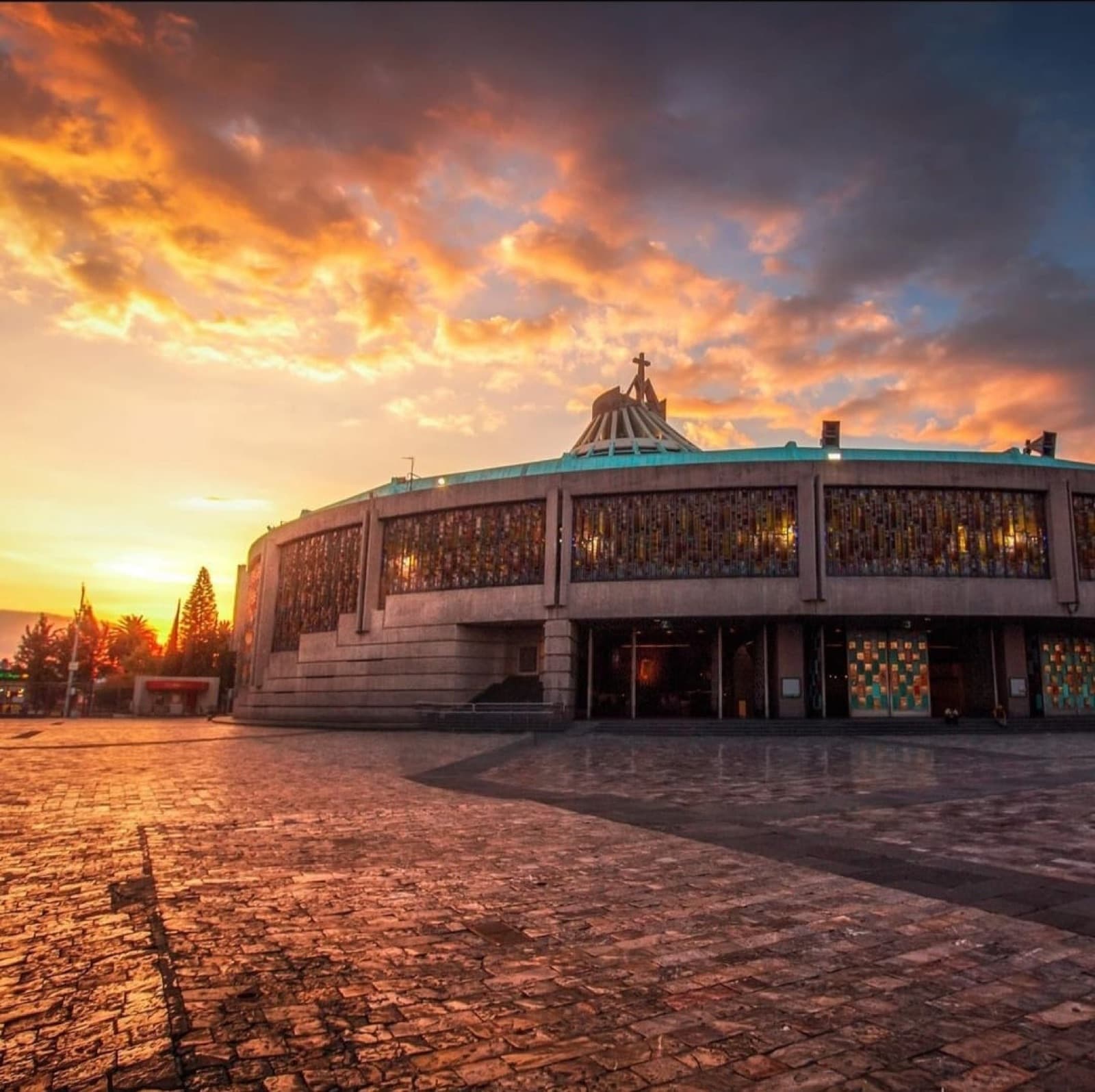
  • Basilica of Guadalupe on Tepeyac

    Basilica of Guadalupe

    On Tepeyac hill, where by tradition the Virgin appeared to Juan Diego in 1531. It's the most-visited Catholic shrine in the world after St. Peter's: each 12 December, over ten million pilgrims arrive. The faith that helped forge a national identity.

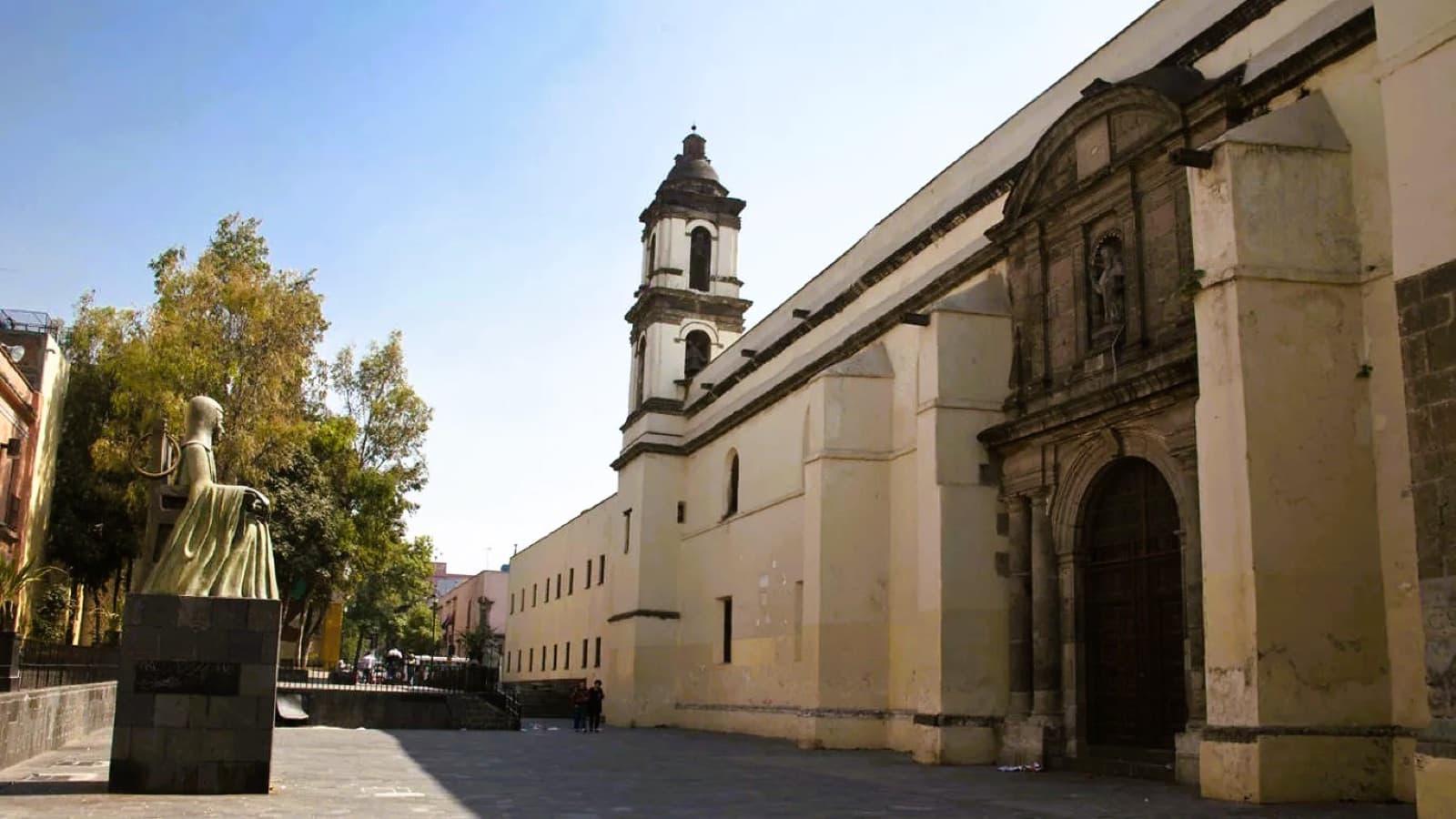
  • Cloister of the former San Jerónimo convent

    Sor Juana Cloister

    The convent where Sor Juana Inés de la Cruz, the "Tenth Muse," lived and died: a woman who defended her right to study in a century that denied it to her. Today it's a university. The place where a nun dared to think higher than almost all her contemporaries.

  • Courtyard of the Colegio de las Vizcaínas

    Colegio de las Vizcaínas

    Founded in 1734 to educate poor girls, it operated outside the clergy: the first secular school for women in the Americas. Nearly three centuries later, it's still a school. An idea ahead of its time that never stopped working.

  • Reading room of the Biblioteca de México

    Biblioteca de México

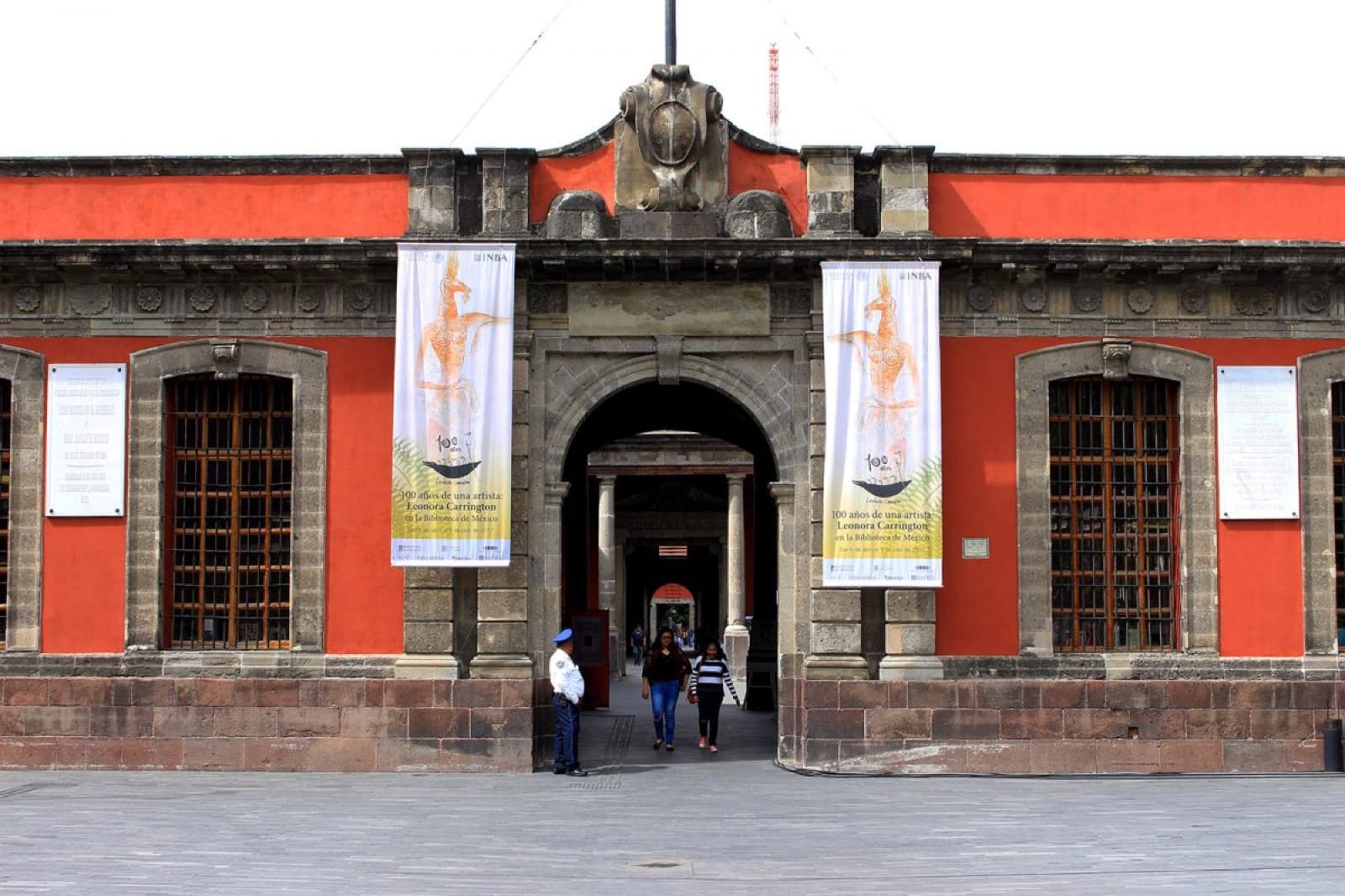
    In an old tobacco factory, the library Vasconcelos founded. But inside something unique happens: it holds, open to the public, the personal libraries of five great Mexican writers —among them Octavio Paz. You walk among the very books they read and annotated.

  • Historic Ciudadela building

    La Ciudadela

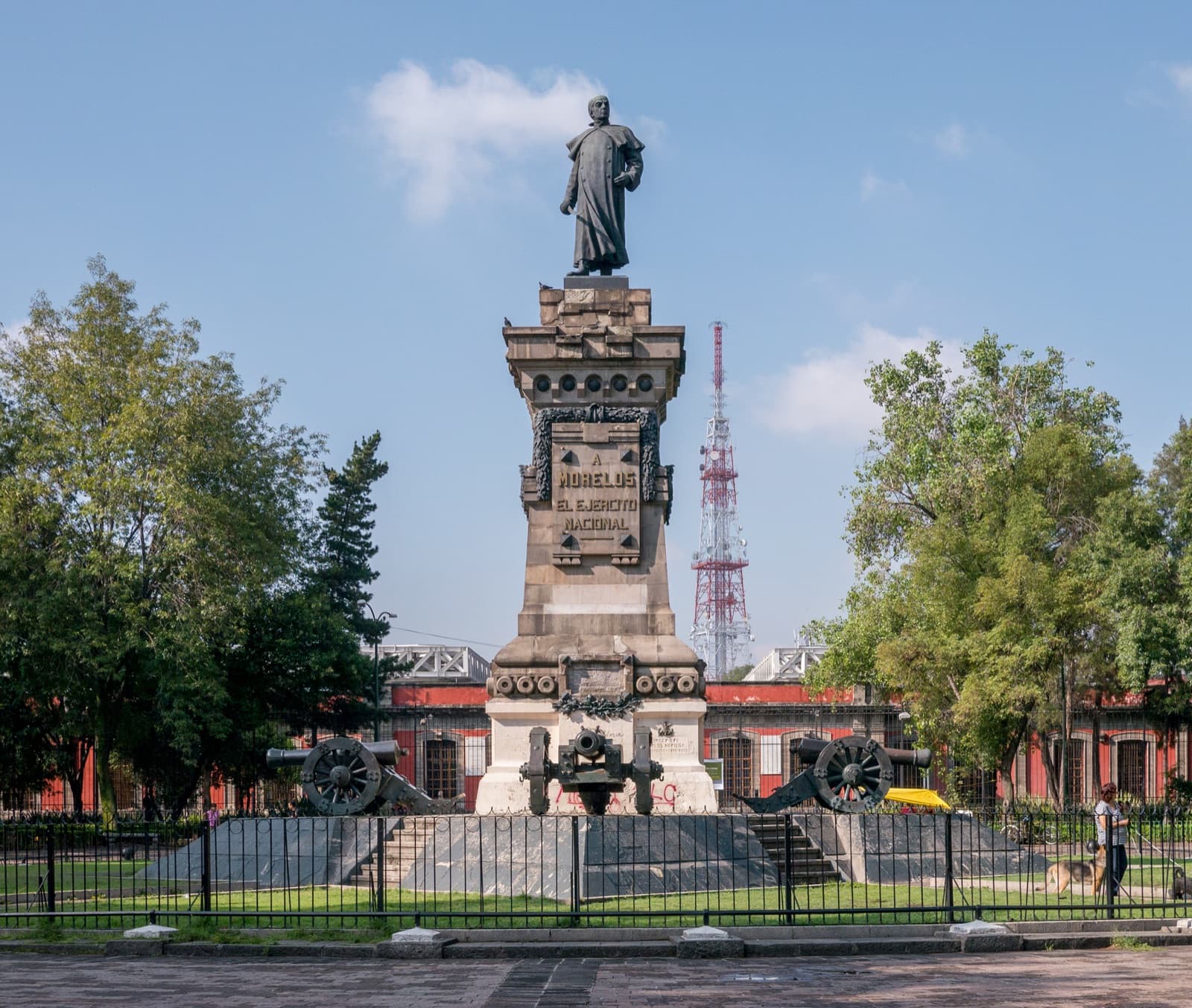
    A tobacco factory, then a barracks and prison. Here, in 1913, the "Tragic Ten Days" ended: ten days of fighting that led to the coup against Madero. Today it's a square with a crafts market —everyday life over the spot where the Revolution took a dark turn.

  • Tomb of Benito Juárez in the Panteón de San Fernando

    Panteón de San Fernando

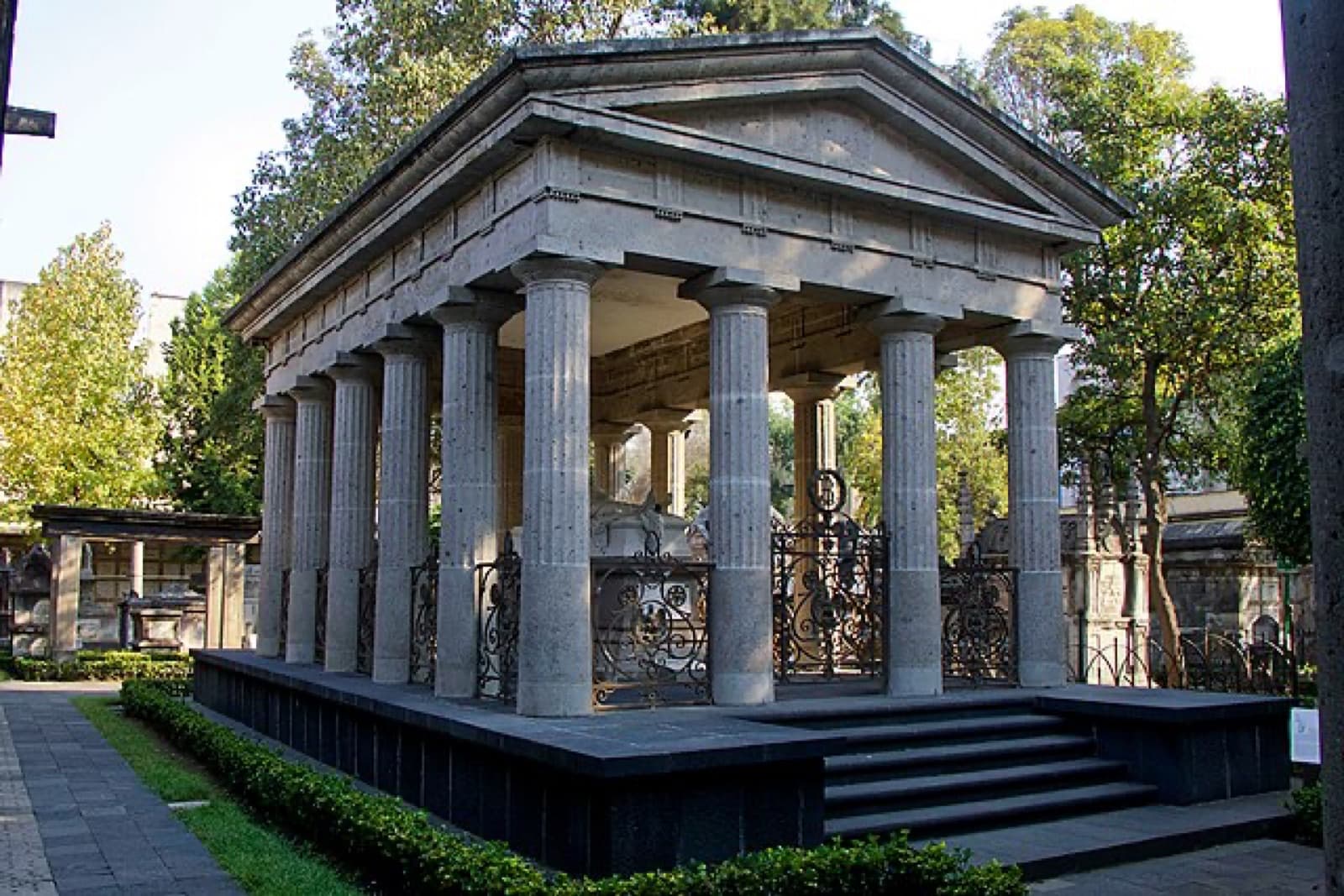
    A 19th-century cemetery turned museum, where Juárez, Zaragoza and other heroes of the Reform rest. Juárez's tomb, in white marble, is one of the summits of Mexican funerary sculpture. The country's history, told by its illustrious dead.

  • Courtyard of the Museum of Mexico City

    Museum of Mexico City

    In an 18th-century Baroque palace that tells the capital's urban history. But look at one corner of the façade: a carved serpent's head —a pre-Hispanic stone reused as colonial ornament. The city, literally, built from the stones of the one before it.

  • Former Royal Mint, today Museum of the Cultures of the World

    National Museum of the Cultures of the World

    In the former Royal Mint, behind the National Palace, where the viceroyalty's silver was struck. It was the first National Museum and today surveys the cultures of the entire world —a humanist gesture rare in the region: Mexico looking outward, not only inward.

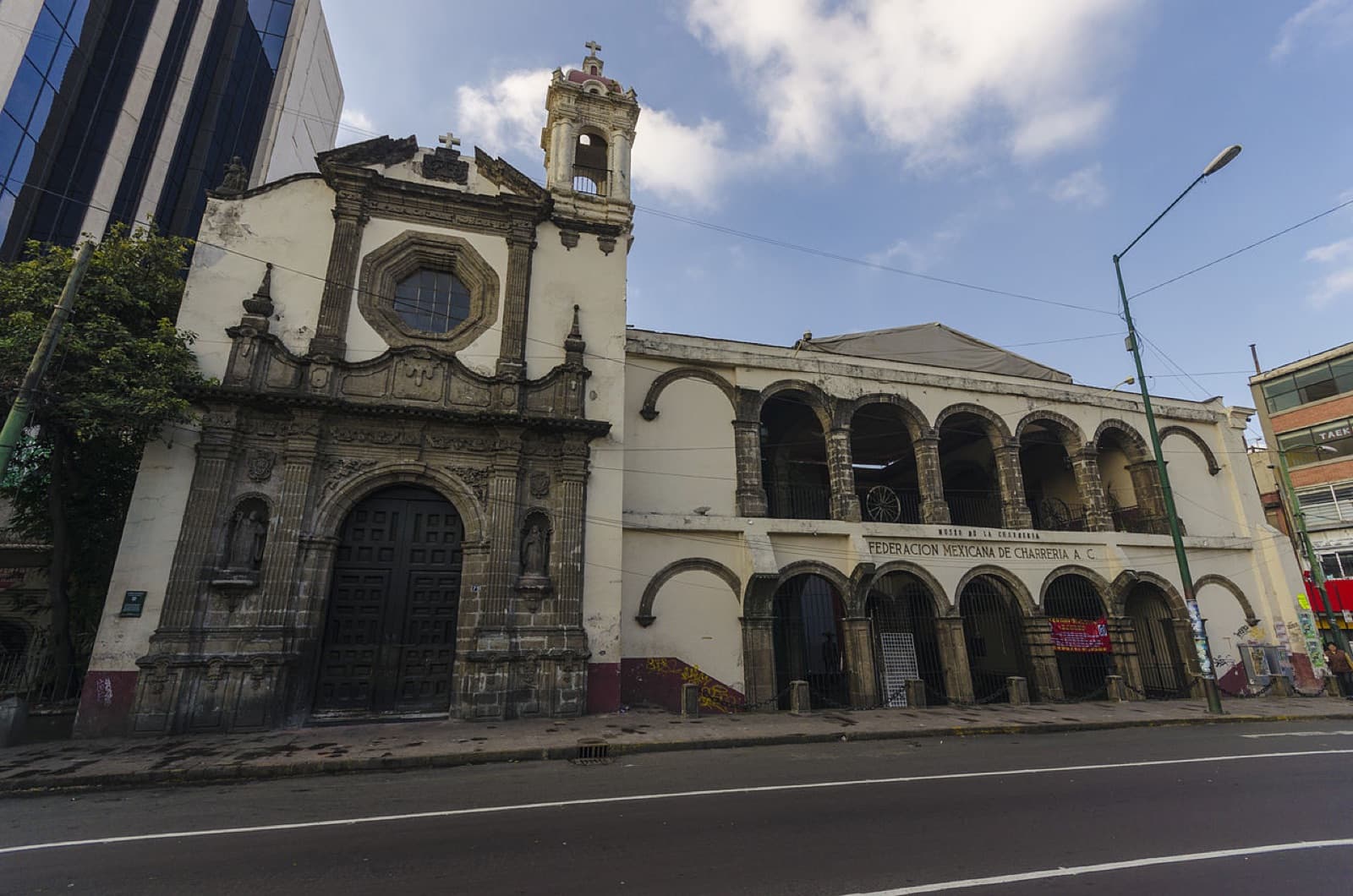
  • Charro objects at the Museum of Charrería

    Museum of Charrería

    In a former church, a museum devoted to charrería: the national sport, declared intangible heritage of humanity. Embroidered outfits, saddles, the history of horseback feats. What many see as folklore is told here as identity.

FAQ

About Mexico City on Ruthy

They're written and narrated by Lucas Botta, of Historia en Podcast. Not auto-generated text or a synthetic voice: curated content, with judgment and narrative craft. That's the difference from any generic guide.

Yes. Ruthy streams its stories, so you'll need a connection while you explore the city — Wi-Fi, mobile data or a local eSIM. The upside: the app takes up no space on your phone, and you always hear the most up-to-date version of each story.

Mexico City has 40 places on Ruthy — the largest set together with Rome and Buenos Aires. 4 or 5 relaxed days cover it comfortably: two days for the Historic Centre (Zócalo, Templo Mayor, National Palace, Bellas Artes), one for Chapultepec (Castle + Anthropology Museum), an afternoon in Coyoacán (Casa Azul + Trotsky), a separate Xochimilco day, and half a day for the Basilica of Guadalupe.

Yes. Start at the Zócalo and the sites around it (Templo Mayor, National Palace with Rivera's murals, Cathedral, San Ildefonso). Then walk Madero to Bellas Artes and the Alameda. Day two: all of Chapultepec. Day three: Coyoacán + Xochimilco. Last day: Reforma (Ángel, Monument to the Revolution) and Guadalupe.

The Historic Centre, Chapultepec, Polanco, Coyoacán and Reforma are busy and reasonably safe for tourists during the day. As in any big city, use your phone discreetly — Ruthy works with the phone in your pocket and headphones on.

The Templo Mayor, the Anthropology Museum, Chapultepec Castle, Casa Azul (Frida) and Palacio de Bellas Artes are the most in demand — strongly recommend booking online in advance, especially Casa Azul. The National Palace with Rivera's murals is free but requires a government-issued ID.

Yes. Each person downloads the app on their phone and listens through their own headphones. You walk together and choose which story to play at each stop. No group tour, no fixed schedule, no guide to wait for.

Mexico City is literally built on Tenochtitlan: the most populous Mexica capital of the 16th century. That's not a metaphor — at the Templo Mayor you see the pyramids under the street. On top of that came the viceroyalty, the murals of the Revolution and one of the largest, most alive metropolises in the world. Ruthy shows you those three layers at every corner.

This version covers the historic centre and the main urban landmarks (Zócalo, Reforma, Coyoacán, Xochimilco, Guadalupe, Chapultepec Castle). Teotihuacán is a day trip from the city and is not included; the second and third sections of Chapultepec park are also not. Possibly in a future version.

Yes. Ruthy is free to download and use on iOS and Android. All 40 Mexico City places are available at no cost during this initial phase.

Real reviews

What Ruthy users say.

  • An original and very interesting proposal to discover cities in a different way. It's very easy to use, has a clear interface, and the stories are well narrated. I liked that it lets you explore at your own pace and choose what places to visit by proximity or interest. Without a doubt, it's an entertaining and educational option — ideal for tourists or to rediscover your own city.

    Jaz GonzálezApp Store
  • I used it on my trip and the descriptions, details, and information it provides are excellent. Highly recommended!

    Ale CarbaApp Store
  • This app is wonderful — it shows you everything you need to know about any place you visit.

    Lisandro HedinGoogle Play

Start with Mexico City

You don't just see Mexico City. You understand it.

Download Ruthy free and walk Mexico City with all 40 stories activating in real time, right where it all happened.

Free · no ads · iOS and Android

Download Ruthy free