
Skip to content
Royal Palace of Madrid

Spain · 43 places · 43 stories

Don’t visit Madrid.
Understand it.

43 places. 43 stories. From an Andalusi fortress to the capital of an empire by decree: Madrid became the center when a king decided it.

43 historical places in Madrid with free audio guide

Free · no ads · iOS and Android

Madrid in depth

Madrid wasn't always the center. It was chosen to be.

Ruthy shows you Madrid through 43 real places, narrated by Lucas Botta (Historia en Podcast) at the exact spot where each story happened. No group tour, no schedule, no shared headphones. Just you, the city, and a story that starts when you arrive and press play.

Madrid is one of the few great European capitals that didn't become one through history, but by decision. It was born as Mayrit, an Andalusi fortress guarding the frontier, and remained a secondary town until, in 1561, Philip II turned it into the capital almost from nothing —thanks to its position at the exact center of the peninsula. On that single act everything was built: Habsburg Madrid, Bourbon Madrid, the Prado, the Gran Vía. That's why the city blends courtly power and popular life like few others. You don't walk it ticking off monuments: you walk it understanding how a frontier fort ended up ruling half the world. Ruthy tells you standing right there, in no hurry.

All 43 places

Everything you'll find in Madrid.

Each place with its own story, narrated right where it happened.

  • Royal Palace of Madrid

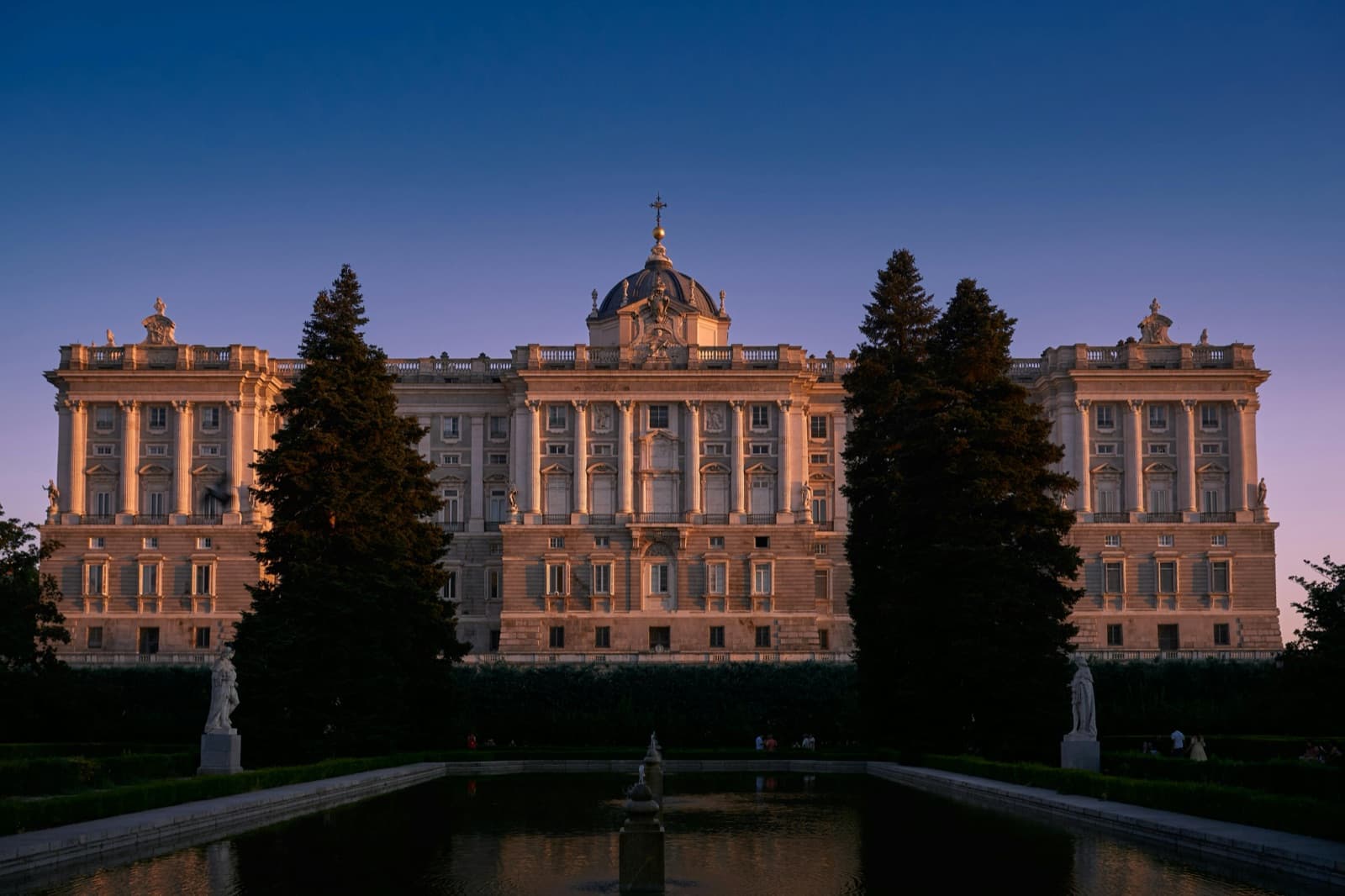
    Royal Palace of Madrid

    One of the largest palaces in Europe: over 3,000 rooms —and the king doesn't even live here. It rose from the ashes of the old Alcázar, which burned to the ground in 1734. Inside, Velázquez, Goya and Caravaggio. Spanish power, staged in marble.
  • Old Alcázar of Madrid

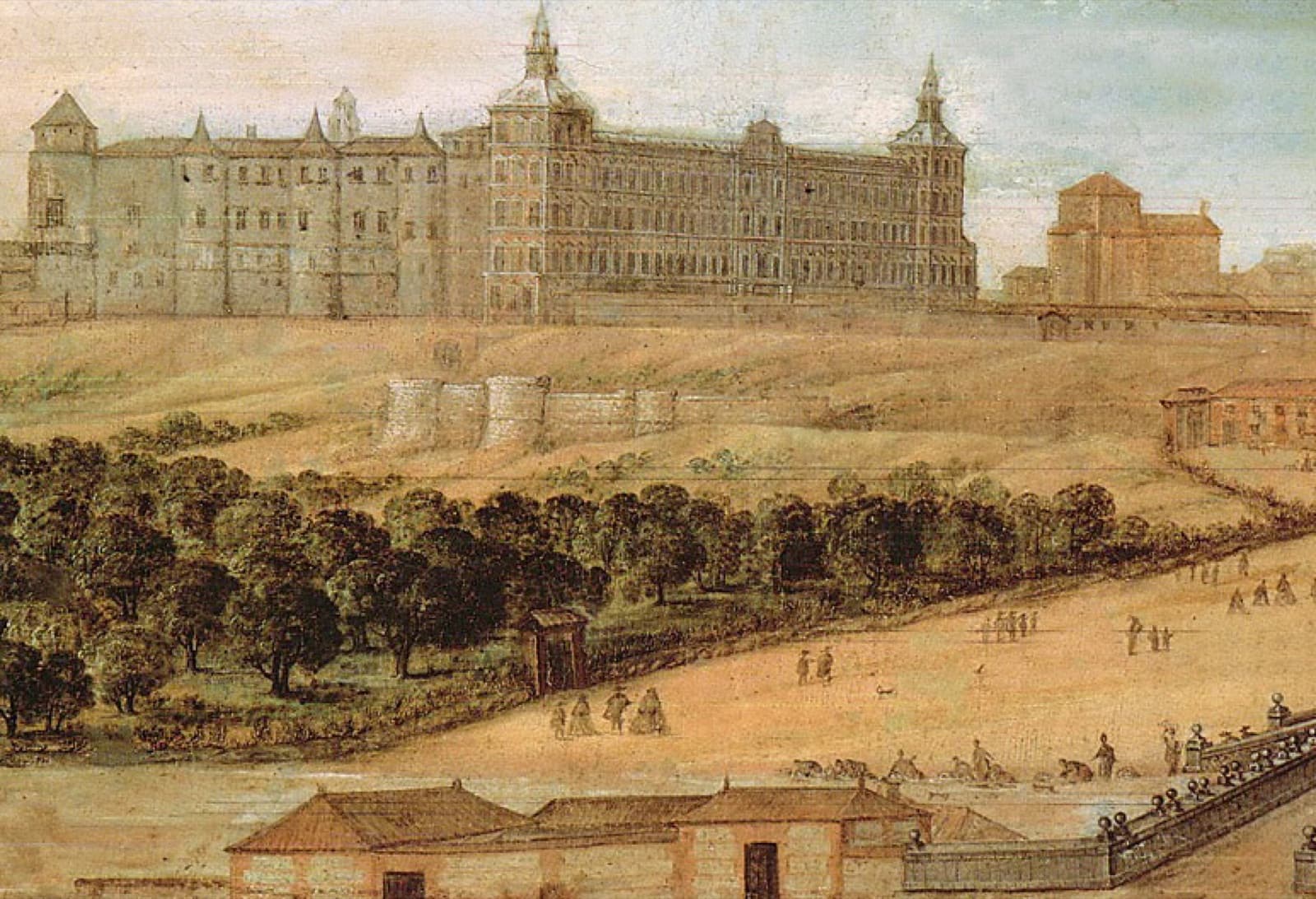
    Old Alcázar of Madrid

    Here was the true heart of Spanish power for centuries: a Muslim castle that Christian kings turned into a palace. From these walls, Philip II ruled an empire where the sun never set —until a fire erased it in 1734. What you see today was built over its memory.

  • Almudena Cathedral

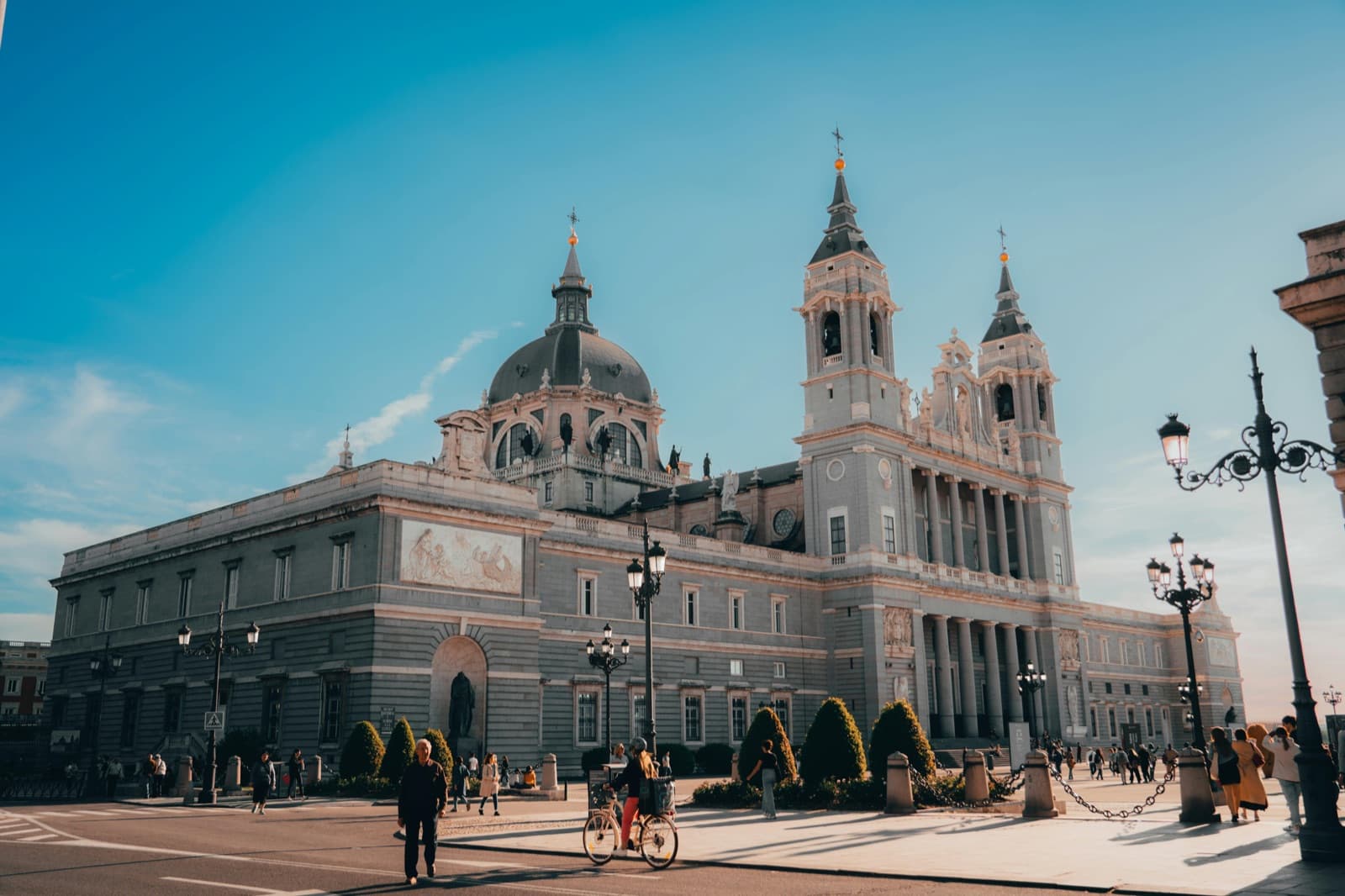
    Almudena Cathedral

    Facing the Royal Palace, a cathedral that took over a century to build: through wars and crises, it was only consecrated in 1993. That's why it blends neo-Gothic and neoclassical without hesitation. The capital of Spanish Catholicism got its cathedral later than almost any village.

  • Plaza Mayor of Madrid

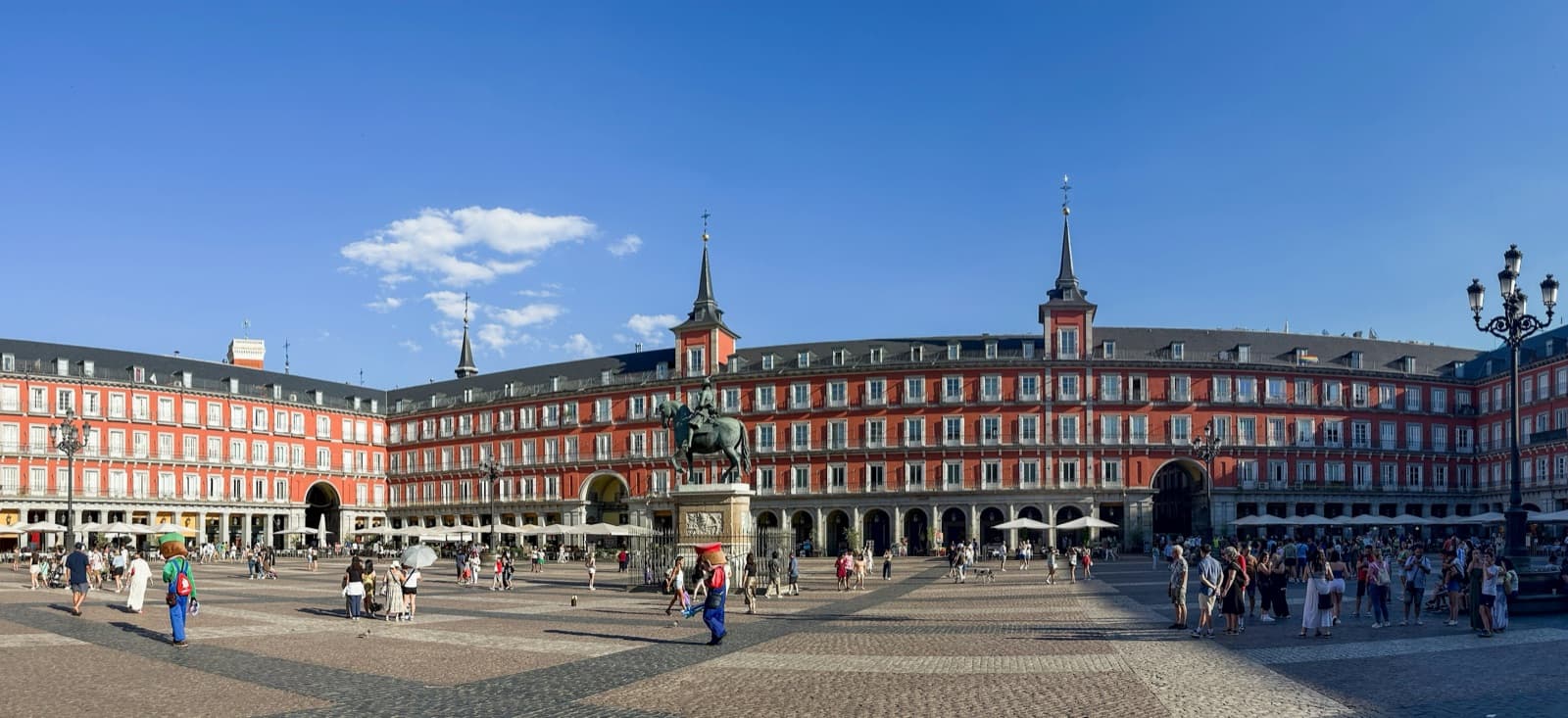
    Plaza Mayor

    The enclosed heart of Habsburg Madrid: 237 balconies looking inward. Under Philip III it was everything —market, bullfights, coronations and also autos-da-fé, where the Inquisition judged in public. The same square for the celebration and for the punishment.

  • Plaza de la Villa

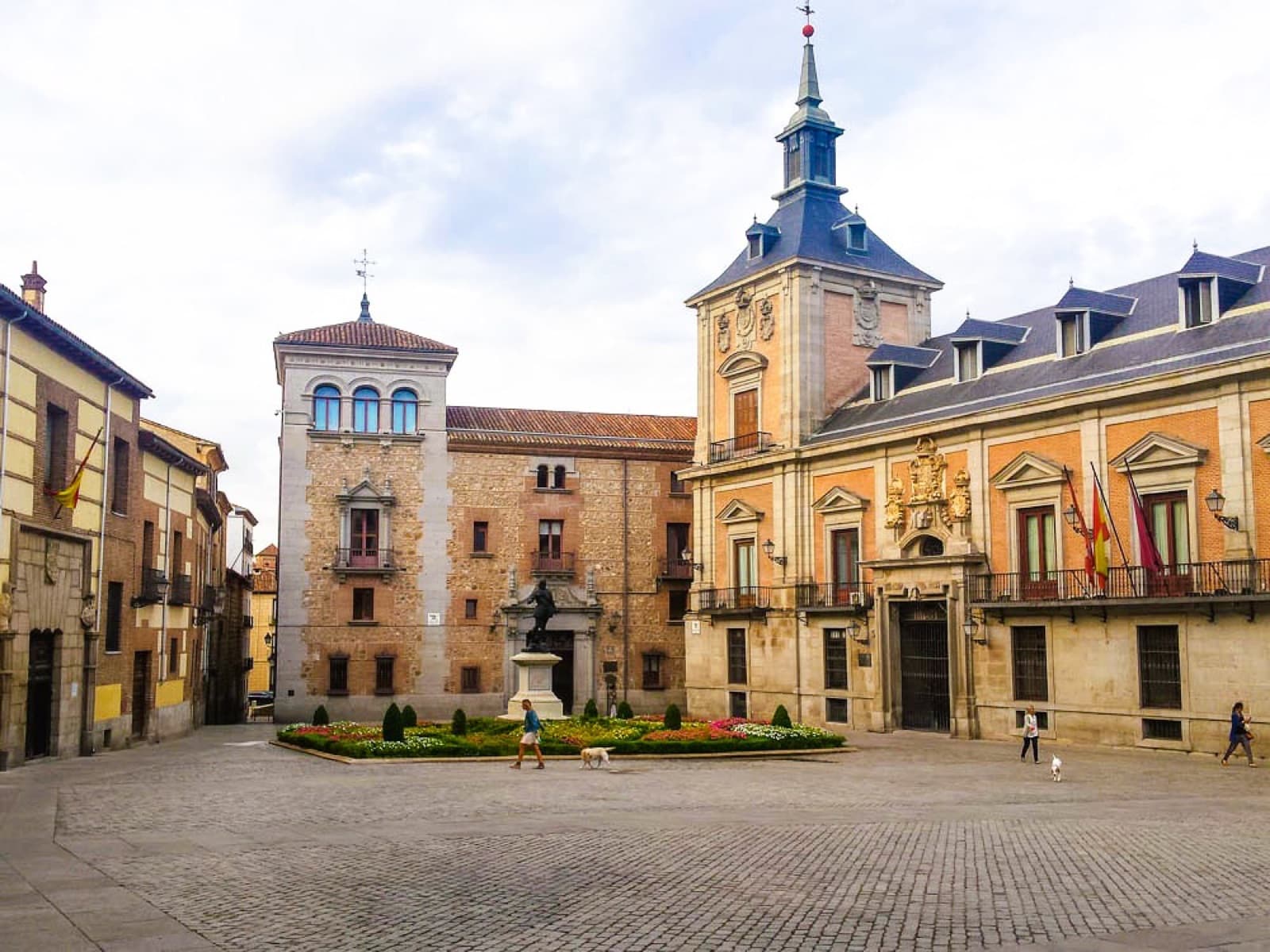
    Plaza de la Villa

    Three buildings, three centuries, one square: the Baroque Casa de la Villa, the Renaissance Cisneros House and the Gothic Lujanes Tower. Madrid was governed here from the Middle Ages on. A course in Madrid architecture without moving from the spot.

  • Casa de la Villa and Cisneros House at Plaza de la Villa

    Casa de la Villa and Cisneros House

    The historic seat of Madrid's city council, Baroque, beside the Renaissance Cisneros palace. Two adjoining buildings that tell how the city's civic power shifted, century by century. Here the everyday Madrid was decided, far from the Royal Palace.

  • Lujanes Tower

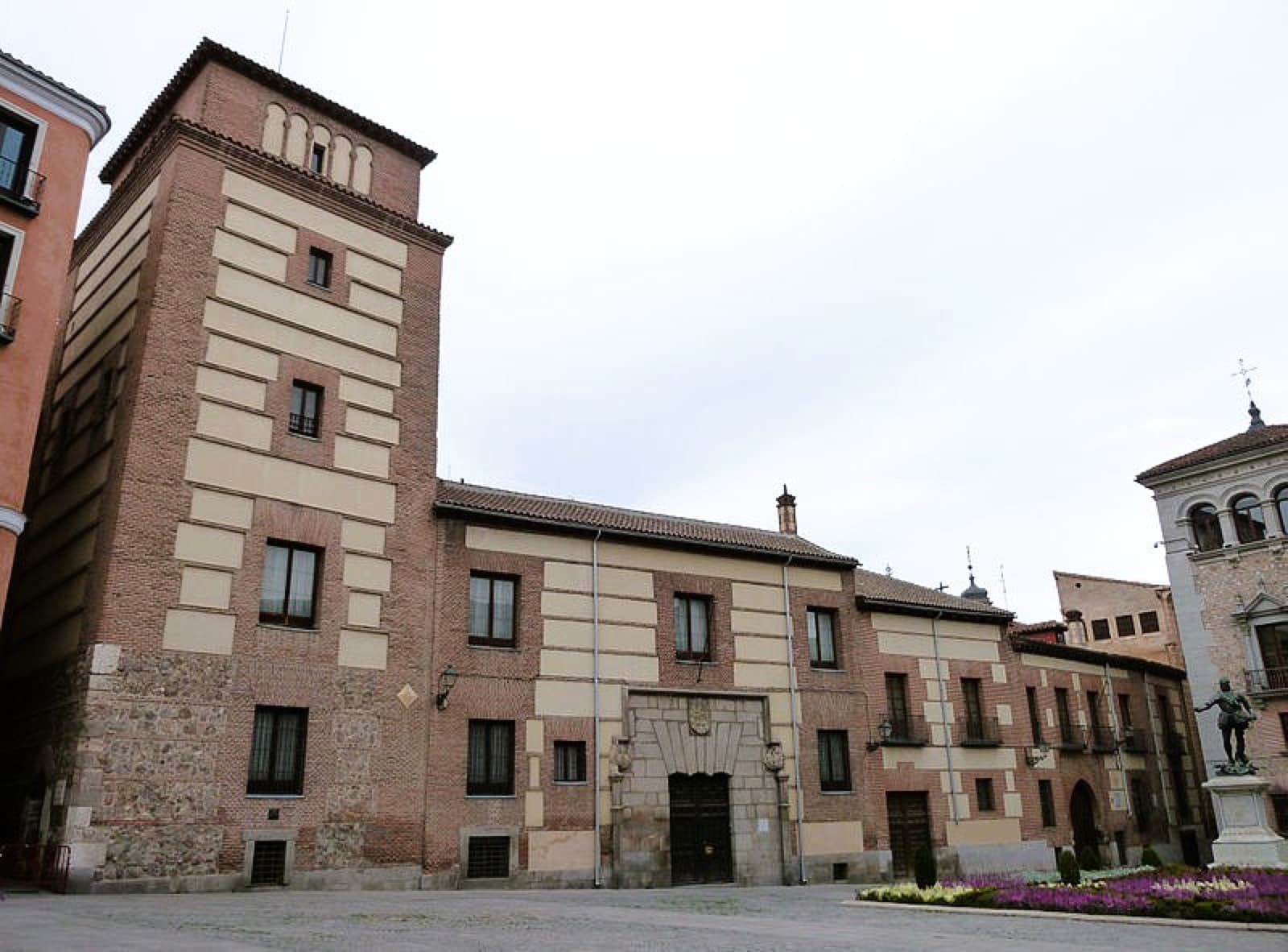
    Lujanes Tower

    One of the oldest standing constructions in Madrid, Gothic-Mudéjar from the 15th century. It was home to a powerful family and, by legend, the prison of a king of France captured in battle. Few stones in Madrid are as old as these.

  • Calle Mayor of Madrid

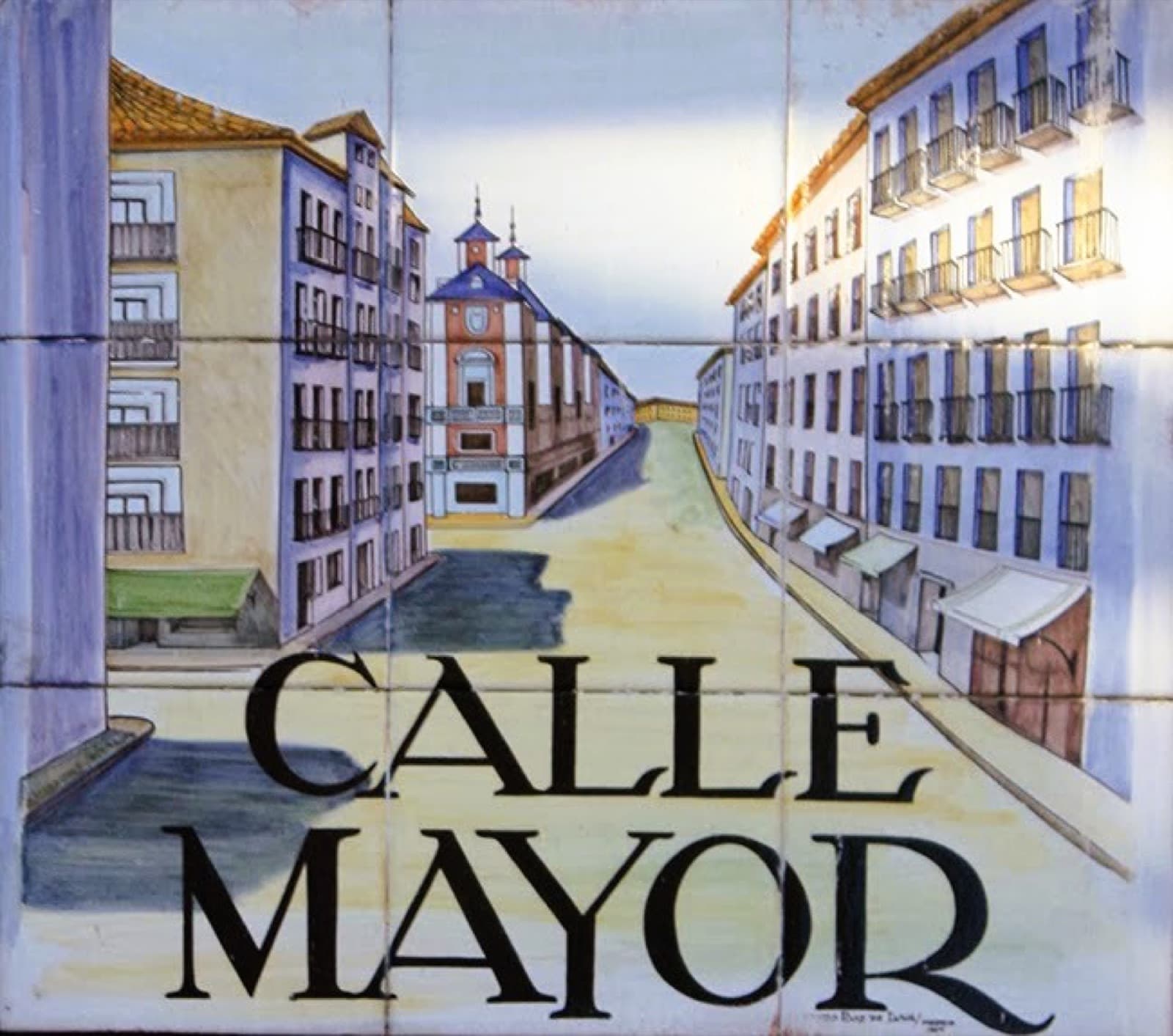
    Calle Mayor

    One of Madrid's oldest streets: since the Middle Ages it linked the Alcázar to the road out to Guadalajara. Royal processions and autos-da-fé passed through here —and in 1906, a bomb thrown at Alfonso XIII on his very wedding day. History, at street level.

  • Plaza de la Paja, La Latina

    Plaza de la Paja

    One of Madrid's oldest squares, the commercial center of La Latina for centuries. The name says it all: this is where straw for livestock was sold. It leaves you standing in medieval Madrid, before it was the capital of anything.

  • Basilica of San Miguel

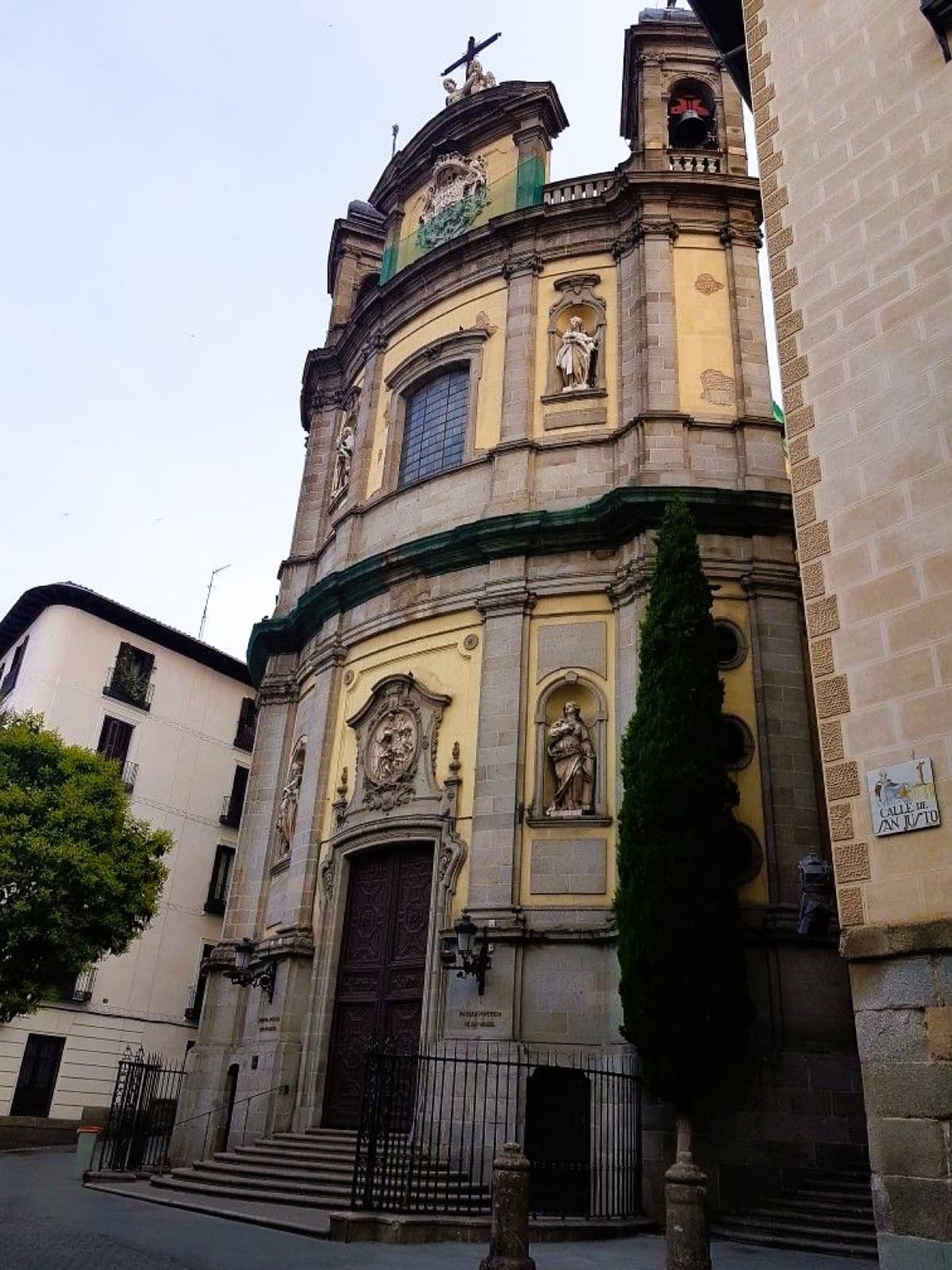
    Basilica of San Miguel

    A jewel of Italian Baroque hidden in Habsburg Madrid: its curved, convex façade is unique in Spain. Italian architects raised it in the mid-18th century, backed by a queen. A piece of Rome on a Madrid street.

  • Church of San Ginés

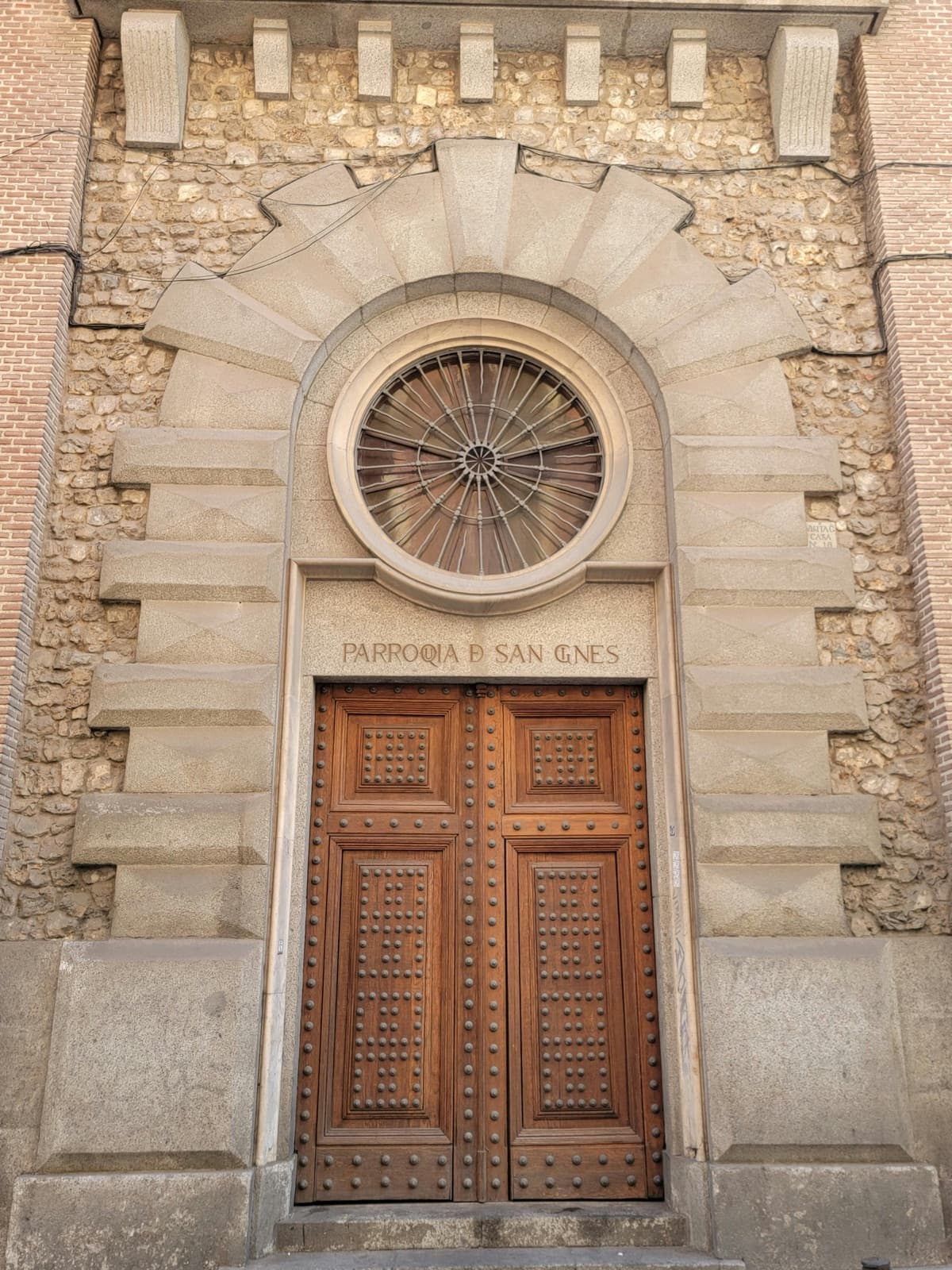
    Church of San Ginés

    One of Madrid's oldest churches —medieval in origin, documented since the 12th century. A Mudéjar tower, a Baroque interior and, hanging inside, a painting by El Greco. And next door, a legendary chocolate house: faith and churros, neighbors for centuries.

  • Church of San Nicolás de los Servitas

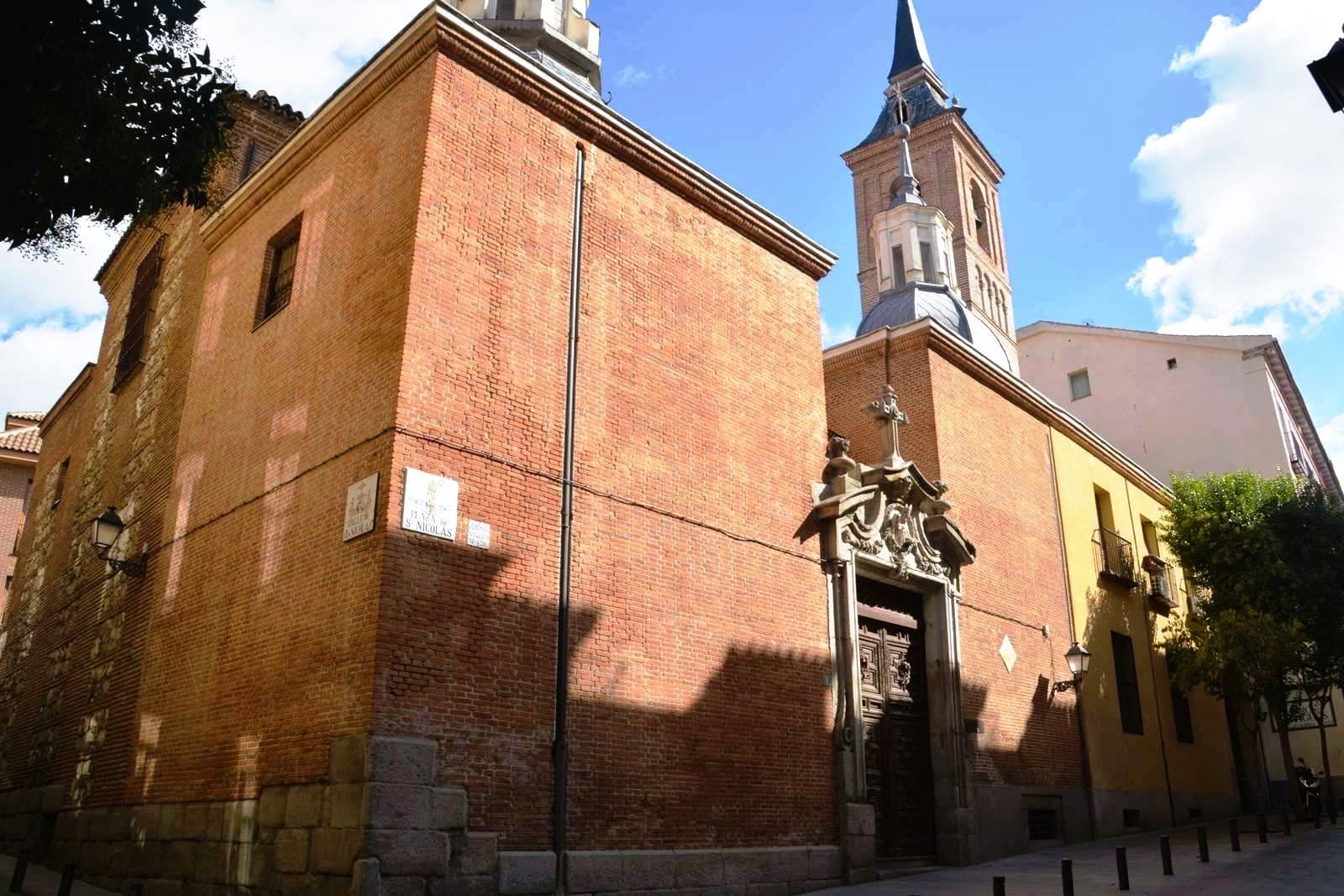
    Church of San Nicolás de los Servitas

    Look at its tower: it's the oldest in Madrid, Mudéjar, from the 12th century. It's almost all that stands from when Madrid was no capital and no great city, just a small fortified town on the frontier. The oldest stone in the city.

  • Convent of the Carboneras of Corpus Christi

    Convent of the Carboneras

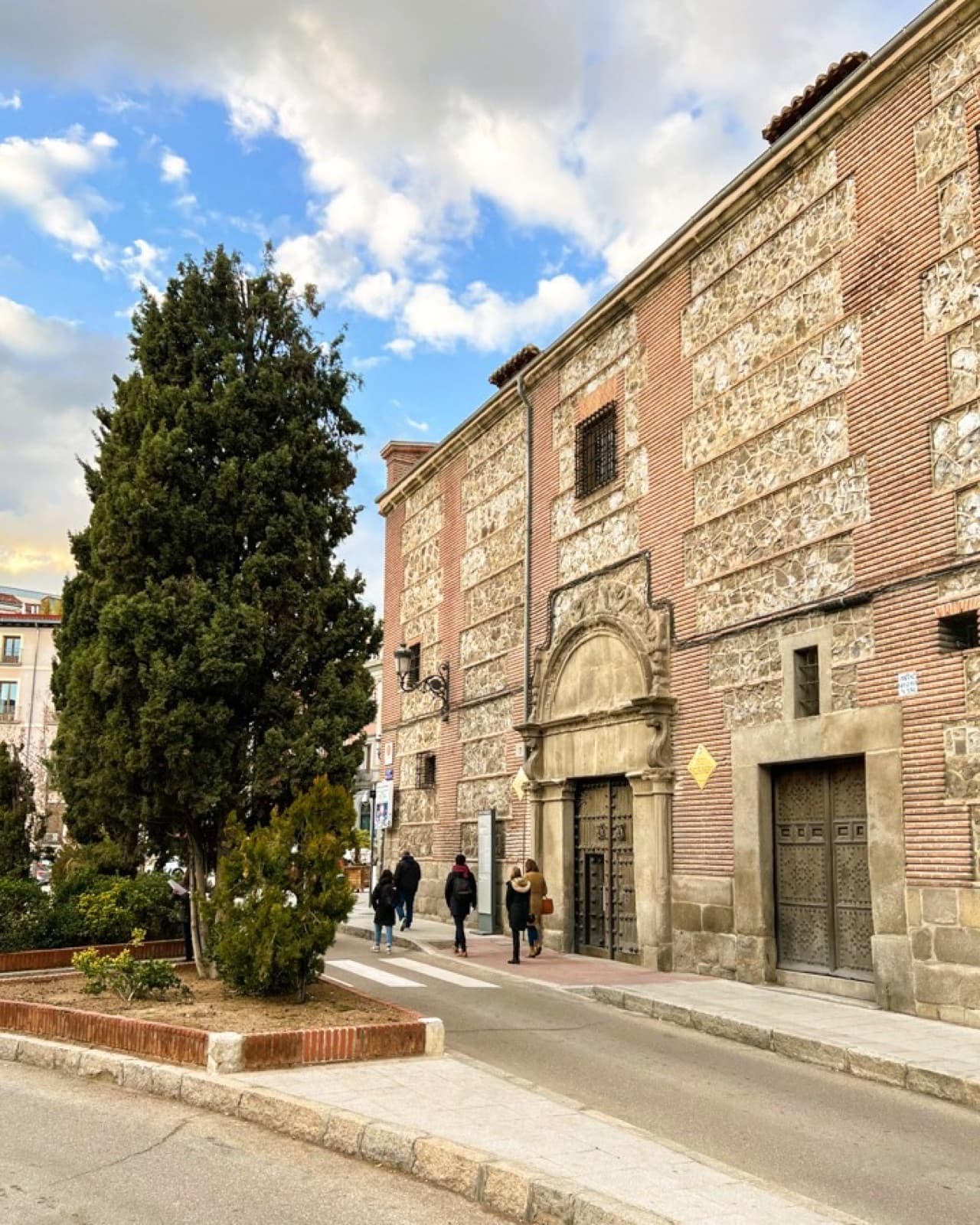
    One of the oldest convents in Habsburg Madrid, founded in 1605, with cloistered nuns still inside. If you dare, you buy their sweets through a revolving hatch, without ever seeing their faces. The Golden Age, still running in silence.

  • Monastery of the Incarnation

    Monastery of the Incarnation

    A queen founded it in 1611, and it holds a collection of relics that feels from another age —among them, the blood of a saint that, by tradition, liquefies every year on an exact date. The splendor and the superstition of the Habsburg court, together.

  • Monastery of the Royal Discalced Nuns

    Monastery of the Royal Discalced Nuns

    Plain on the outside. Inside, a treasure: Titian, Rubens, Zurbarán. A sister of Philip II founded it as a convent for noble daughters, who entered with priceless dowries. Here power prayed —and collected art where no one could see it.

  • Puerta del Sol

    Puerta del Sol

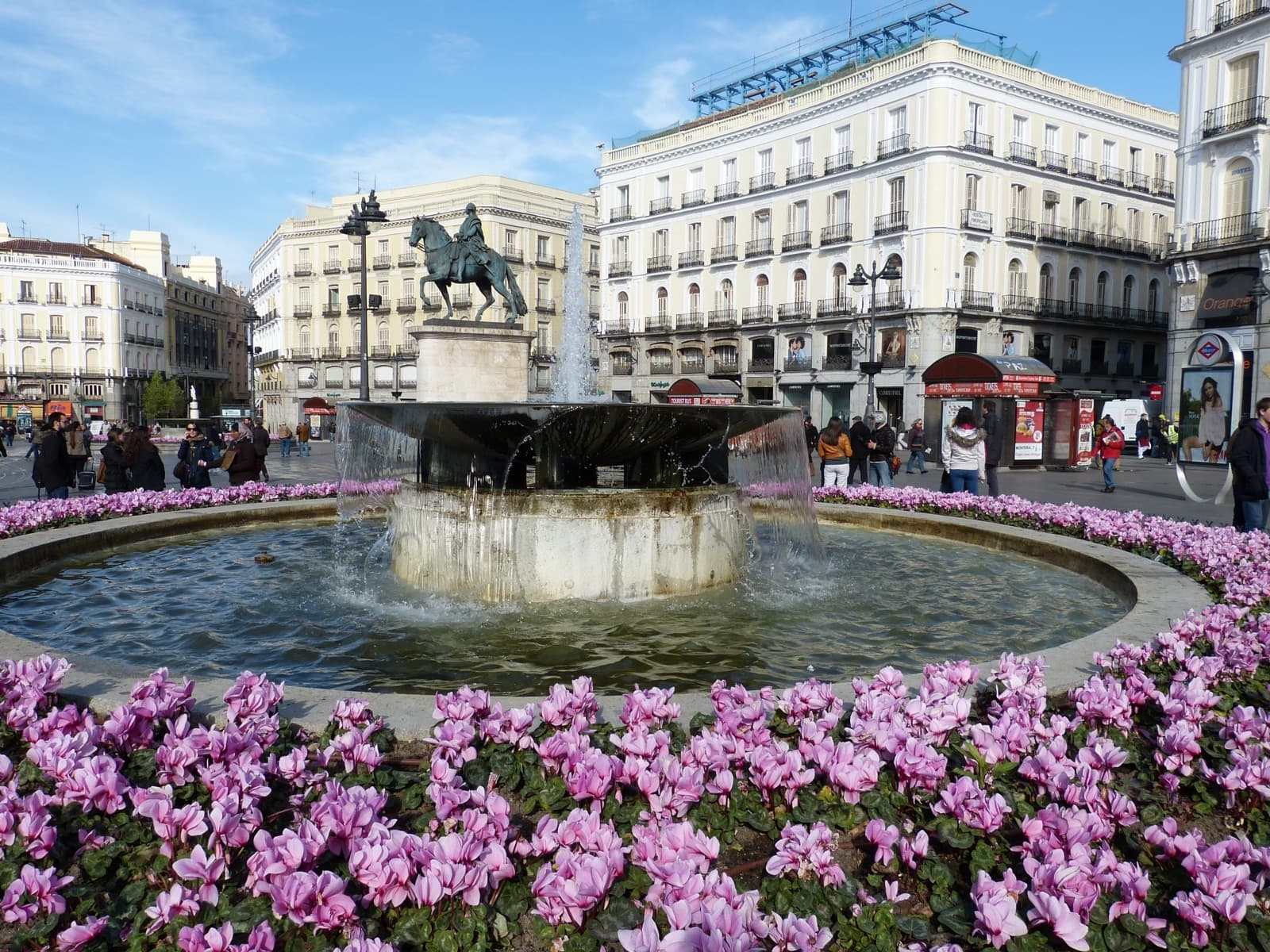
    Kilometer zero of Spain: in theory, every road in the country starts here. But above all it's a square of hot history —the 1808 uprising against Napoleon, proclamations of republics, the New Year's bells. Madrid gathers here whenever something happens.

  • Kilometer Zero plaque at Puerta del Sol

    Kilometer Zero

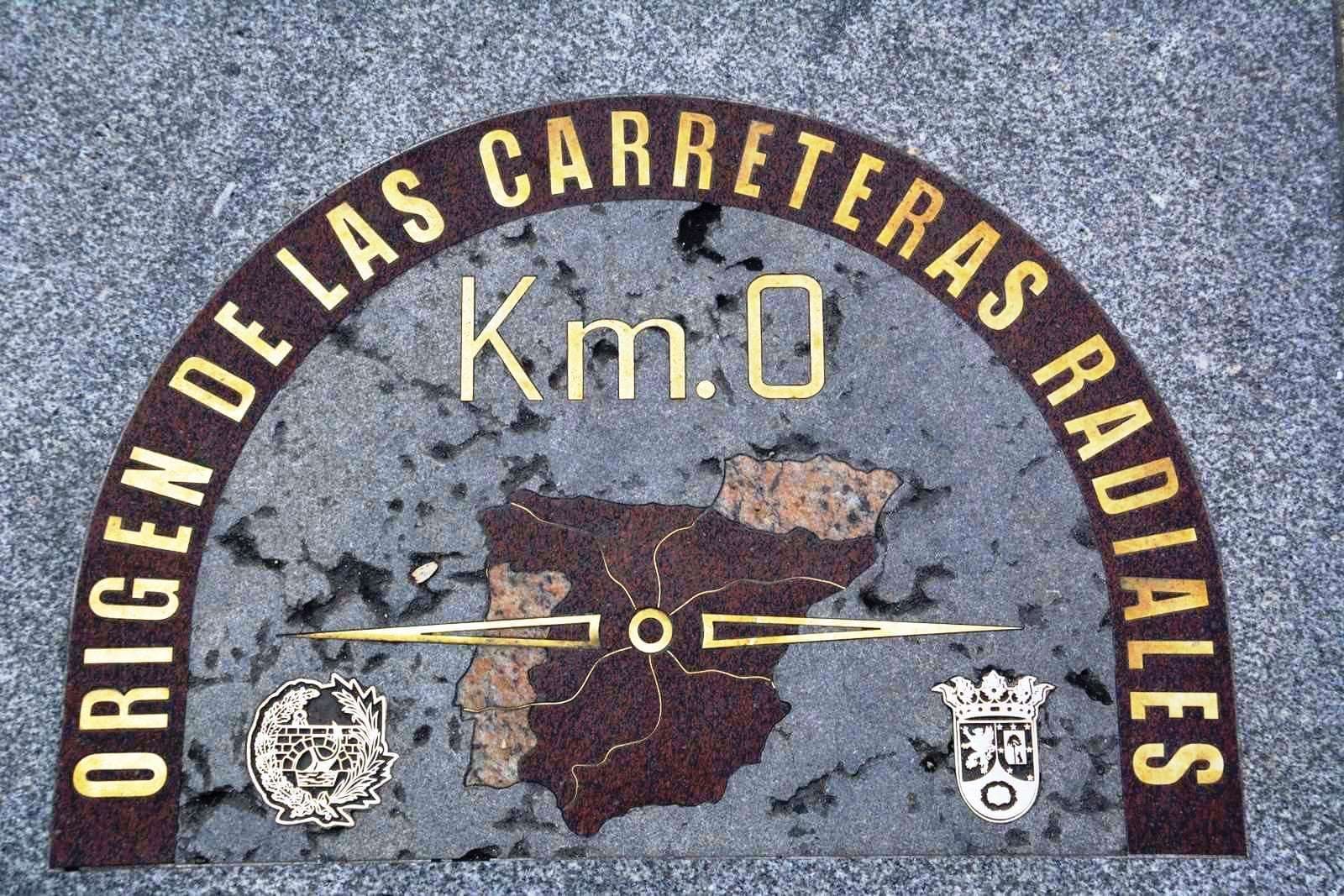
    A bronze plaque in the pavement of Puerta del Sol since 1950: the exact point from which distances across all of Spain are measured. You step on it without noticing —but you're standing, literally, at the center of the country.

  • Tío Pepe sign at Puerta del Sol

    Tío Pepe Sign

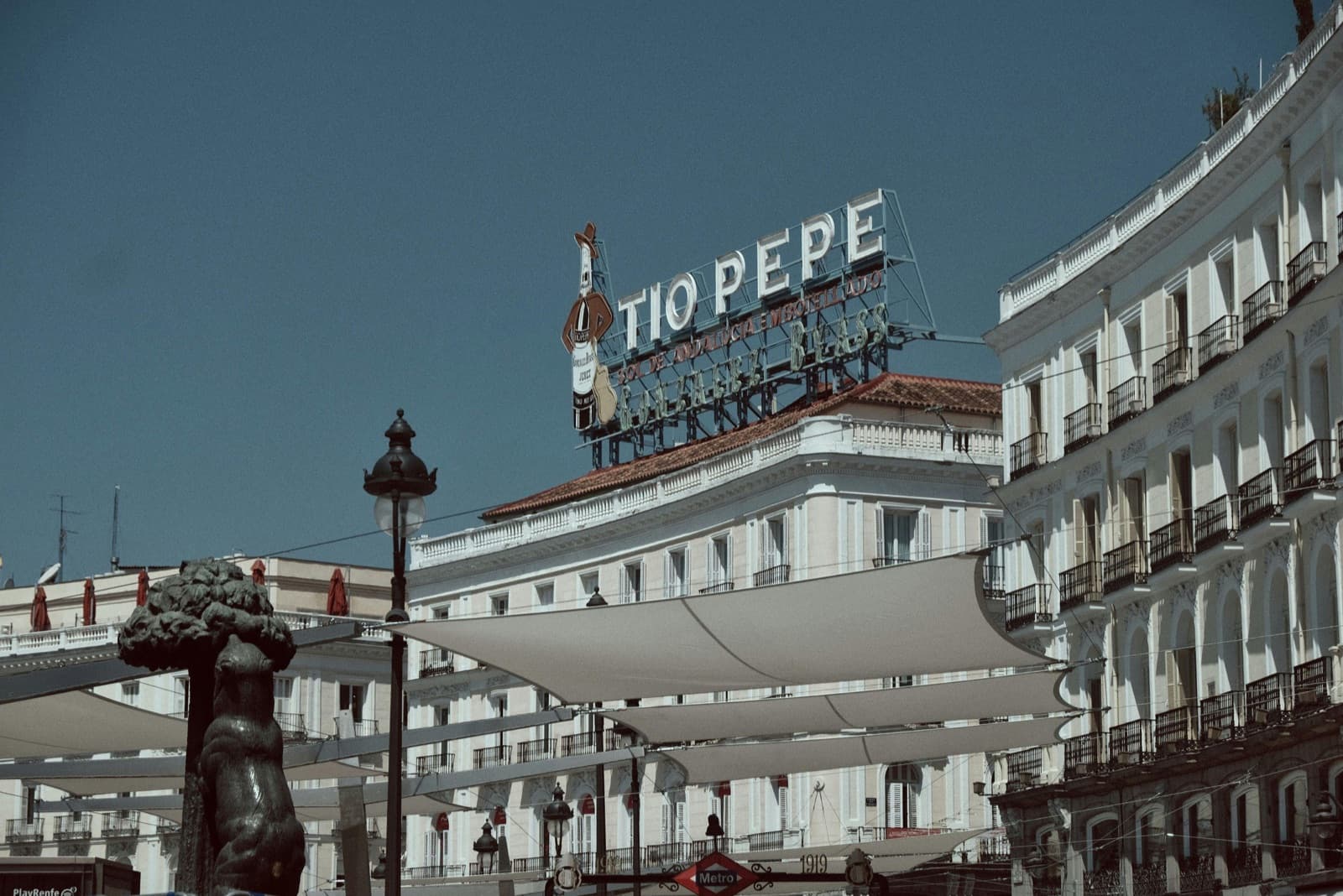
    A wine advertising sign that became, without trying, an emblem of Madrid: the man with the Cordoban hat and guitar has watched over Puerta del Sol since 1935. So much a part of the scenery that the city missed it when it was taken down for restoration.

  • Plaza de Santo Domingo

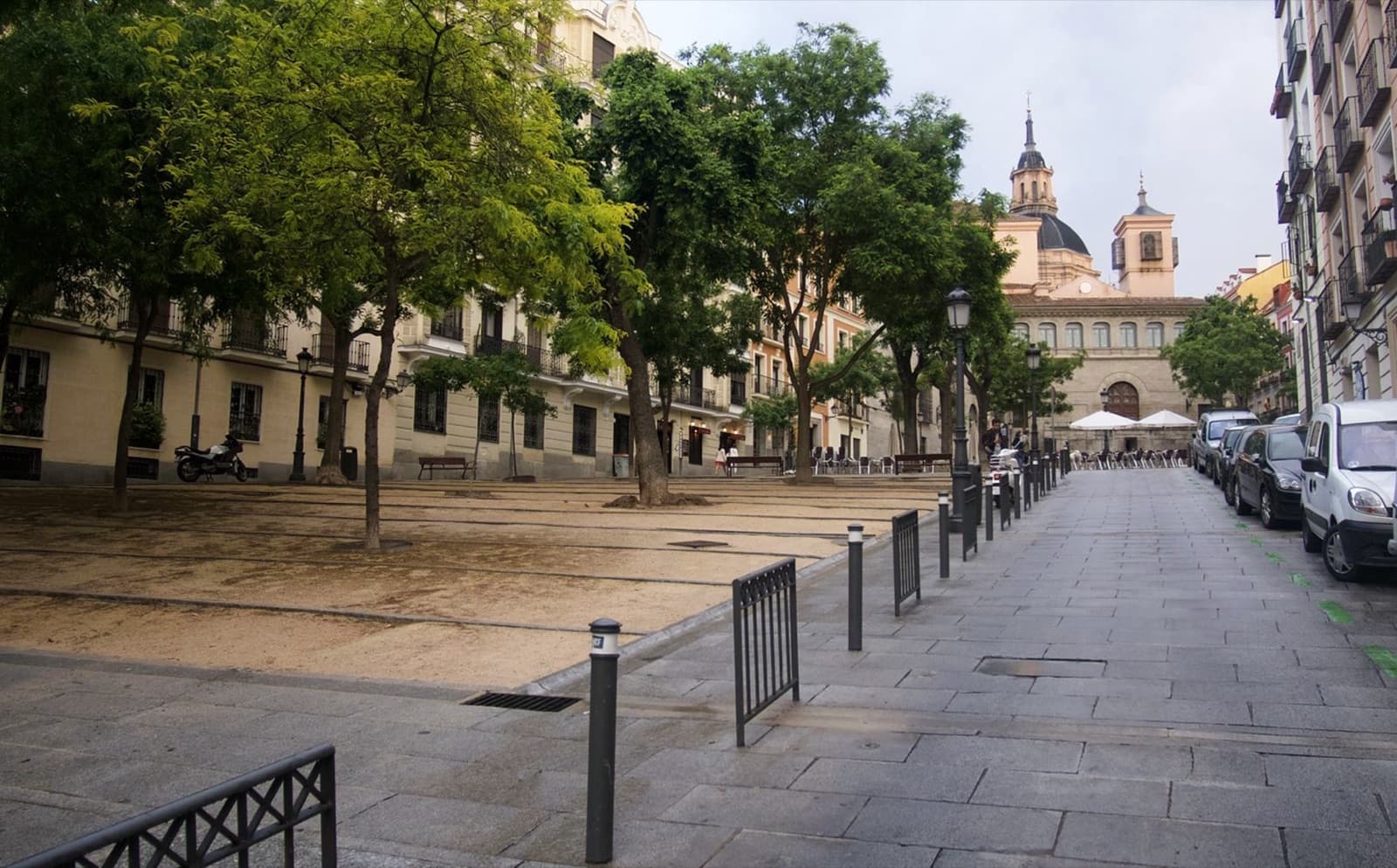
    Plaza de Santo Domingo

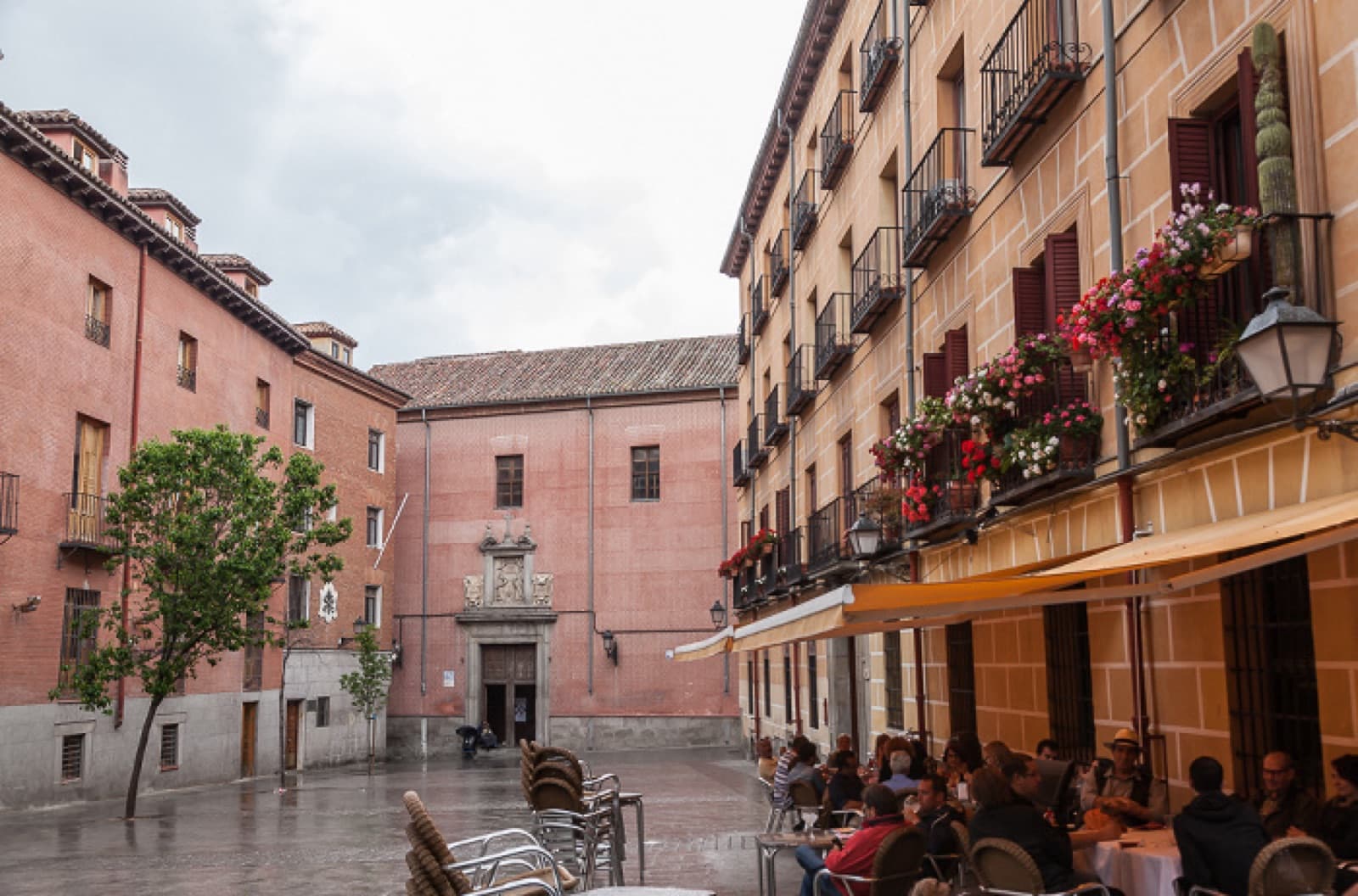
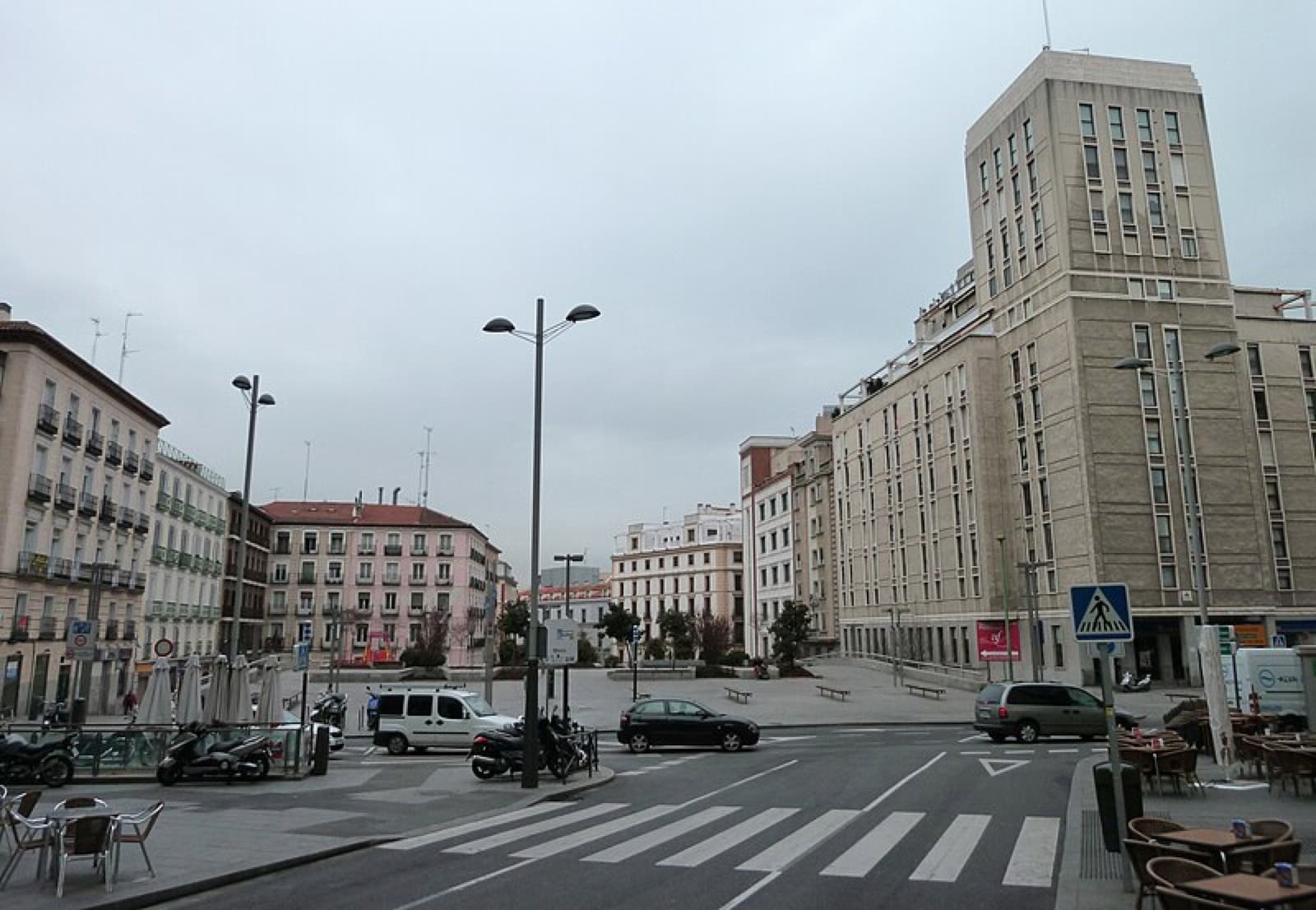
    It carries the name of a convent that's no longer there: Santo Domingo el Real, demolished long ago. The square remained a meeting point and a stage of Habsburg Madrid. Sometimes what gives a place its name is exactly what vanished.

  • Royal Customs House

    Royal Customs House

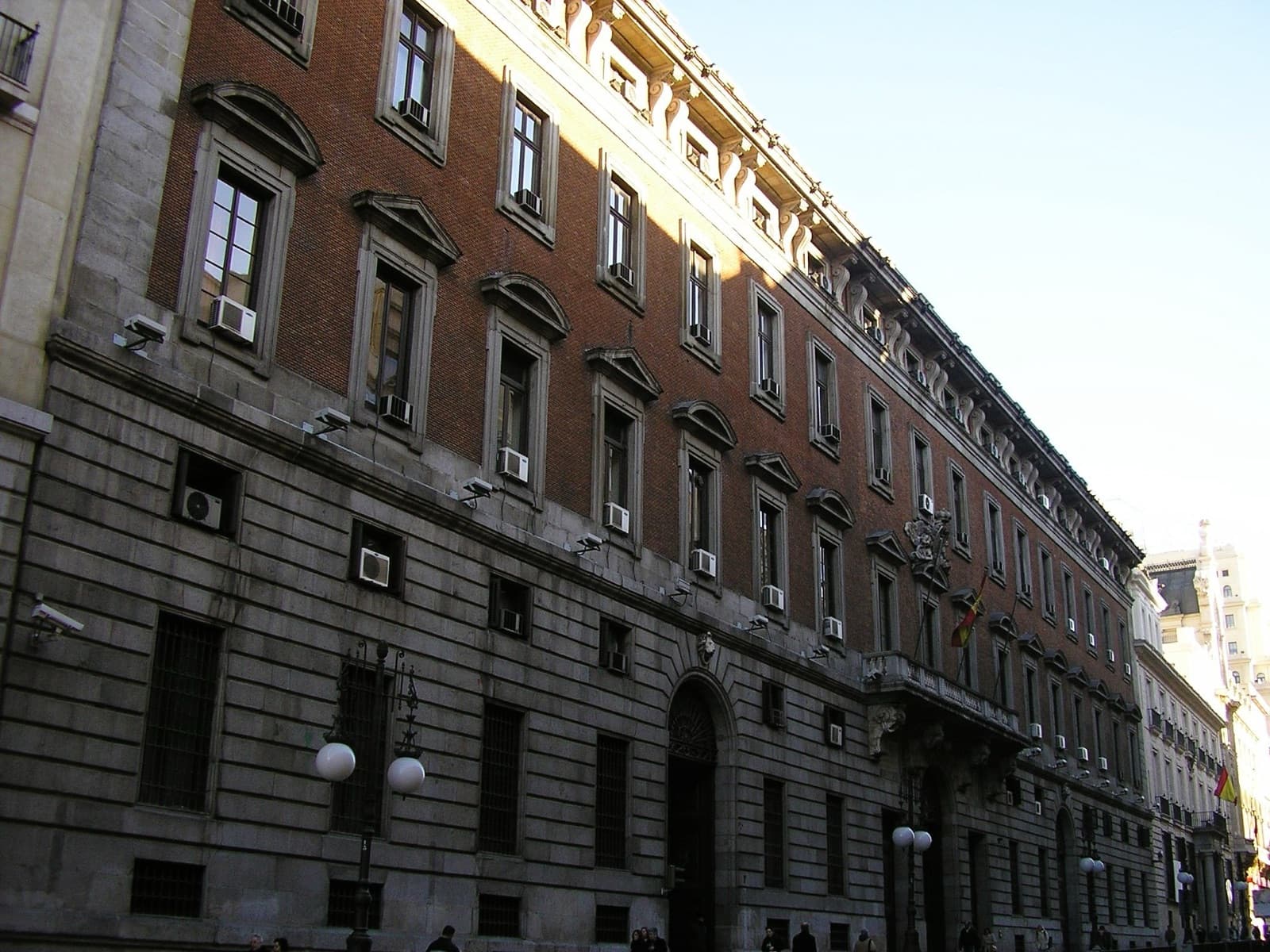
    A neoclassical building Charles III had built to collect taxes —the customs house— and today the Ministry of Finance. Sabatini designed it, the king's go-to Italian. The elegance of the Enlightenment in the service of something as earthly as tax collection.

  • Madrid's Gran Vía

    Gran Vía

    The street where Madrid met the 20th century. They cut it through between 1910 and 1930, demolishing whole neighborhoods, to make room for cinemas, theaters, hotels and skyscrapers. They called it "Madrid's Broadway." Modernity, carved by pickaxe through the old city.

  • Metrópolis Building with its dome

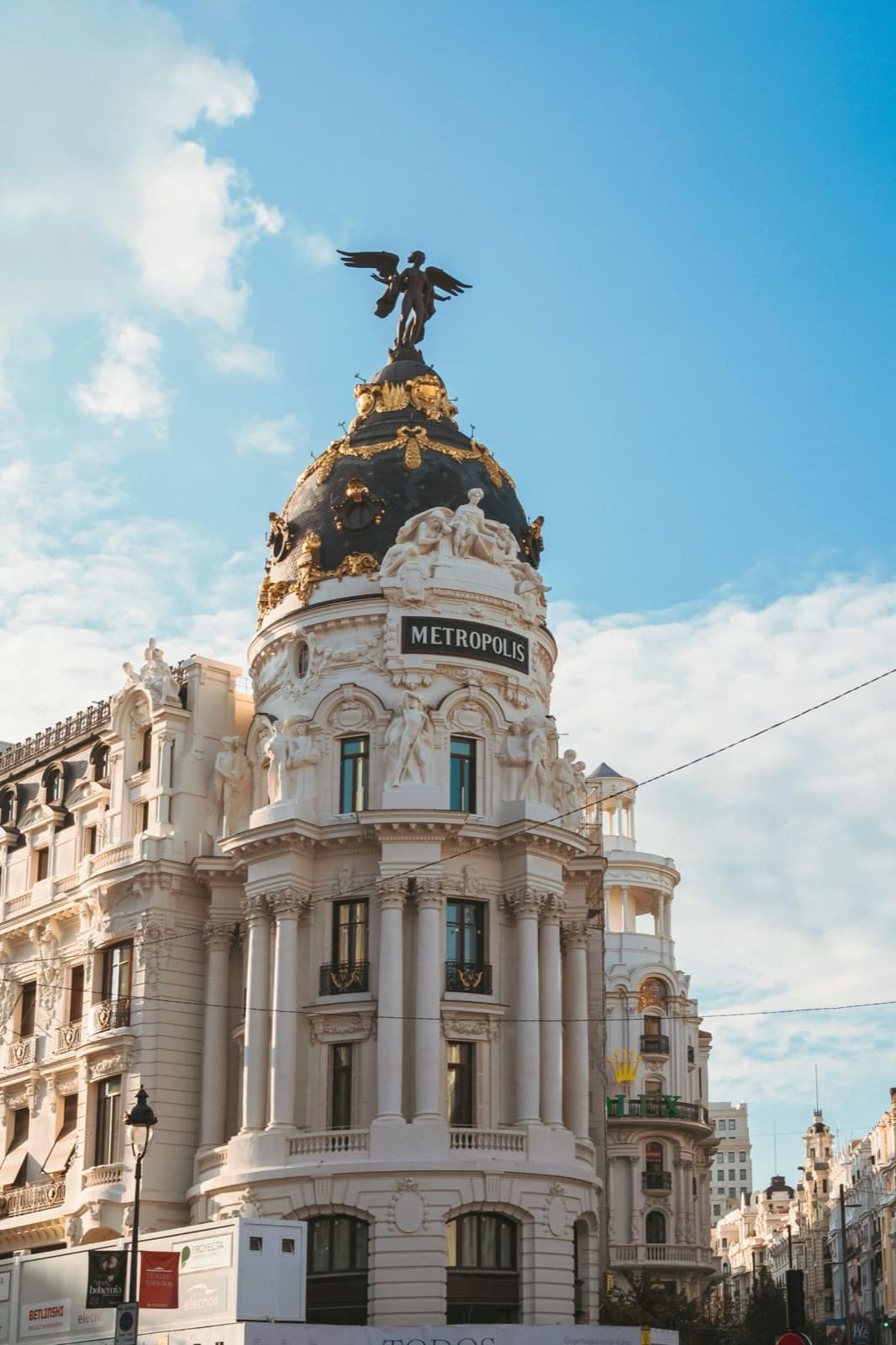
    Metrópolis Building and Dome

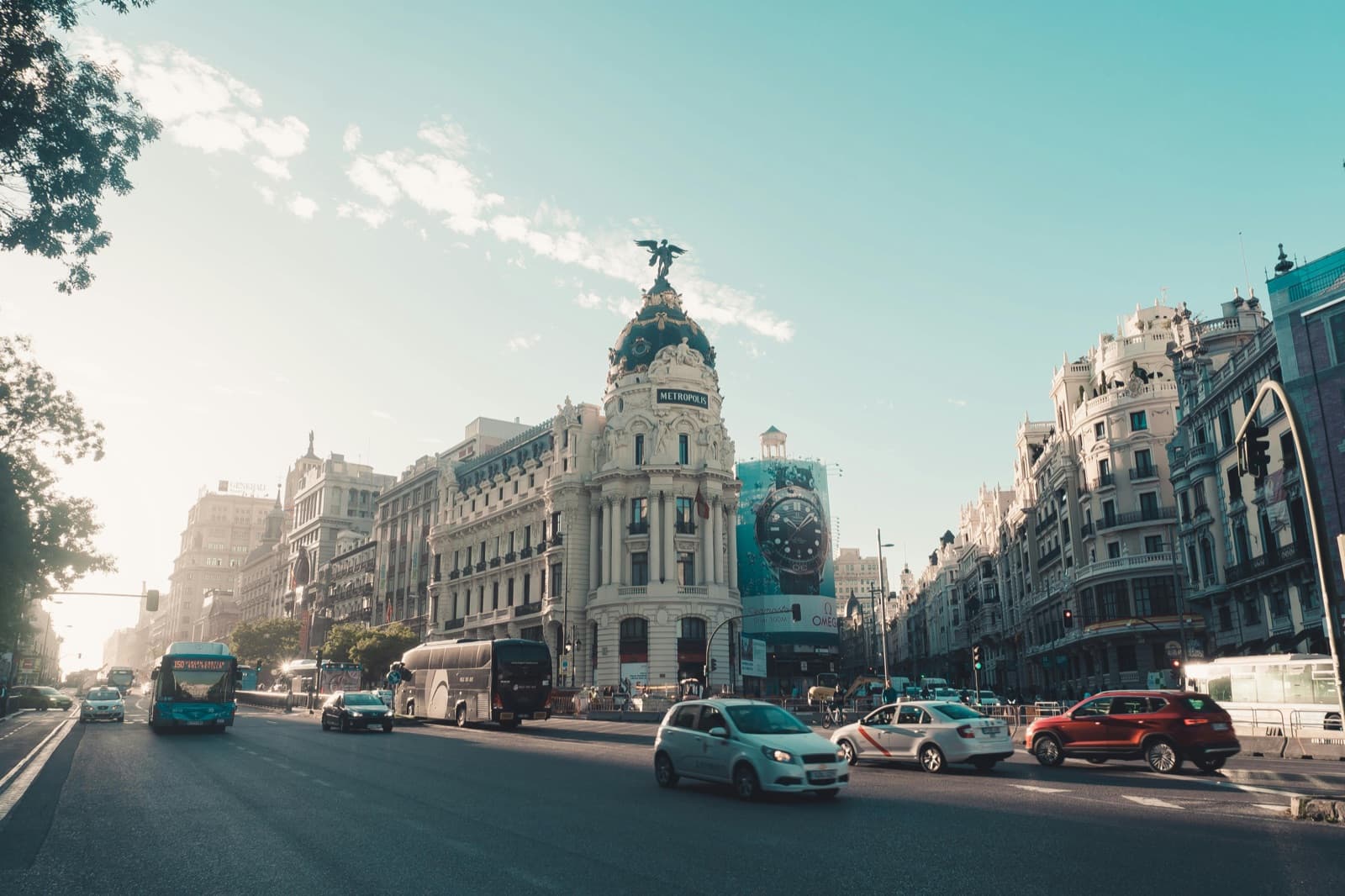
    The black slate dome crowned by a gilded Winged Victory that everyone photographs without knowing its name. French architects raised it between 1907 and 1911. It marks the moment Madrid began to dream of itself as a great European capital.

  • Telefónica Building on Gran Vía

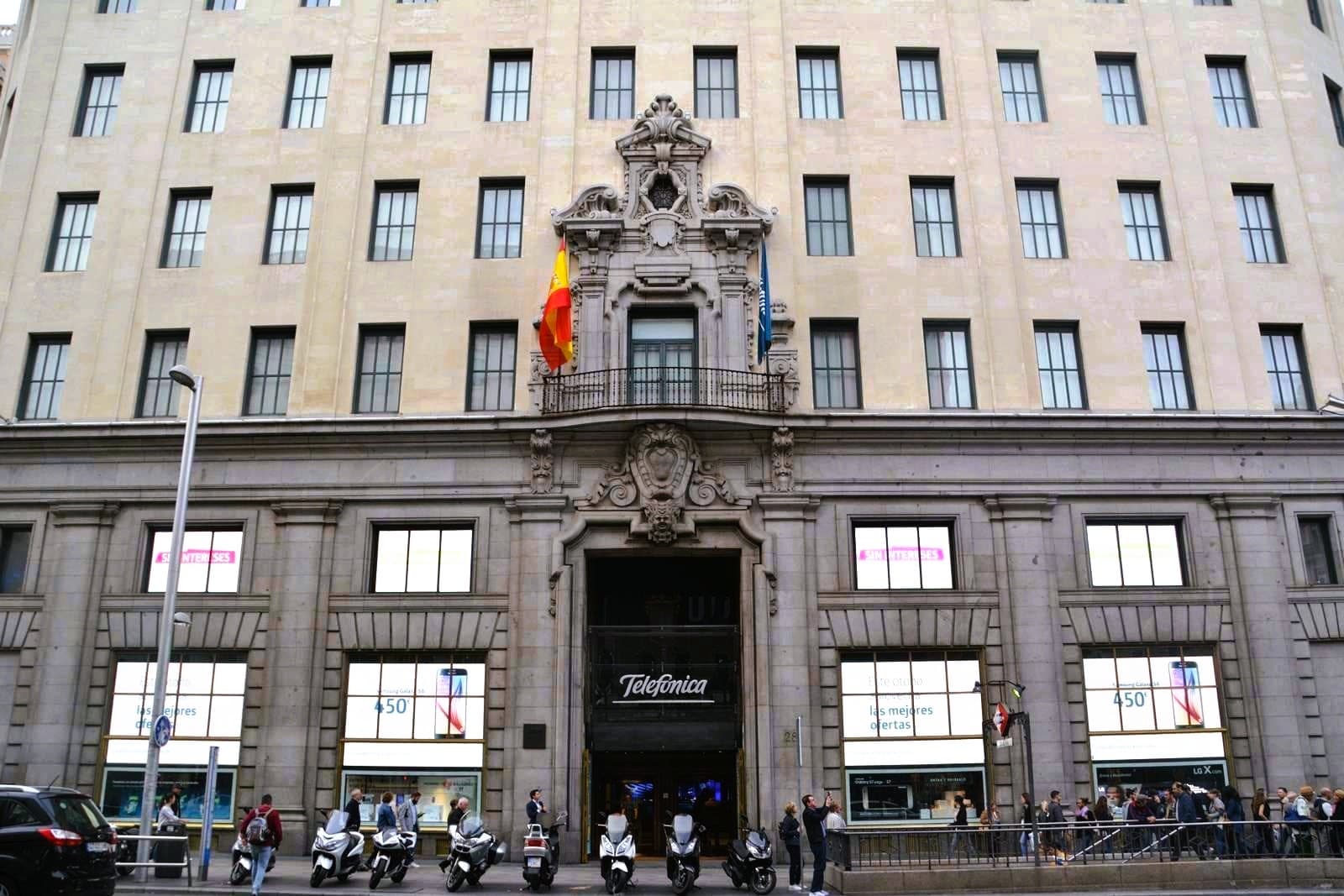
    Telefónica Building

    Madrid's first skyscraper (1929) and one of the tallest in Europe at the time: 89 meters. From here the country's whole telephone network was run —and in the Civil War it became an observation post on the front line. Progress, turned into a tower.

  • Monument to Cervantes in Plaza de España

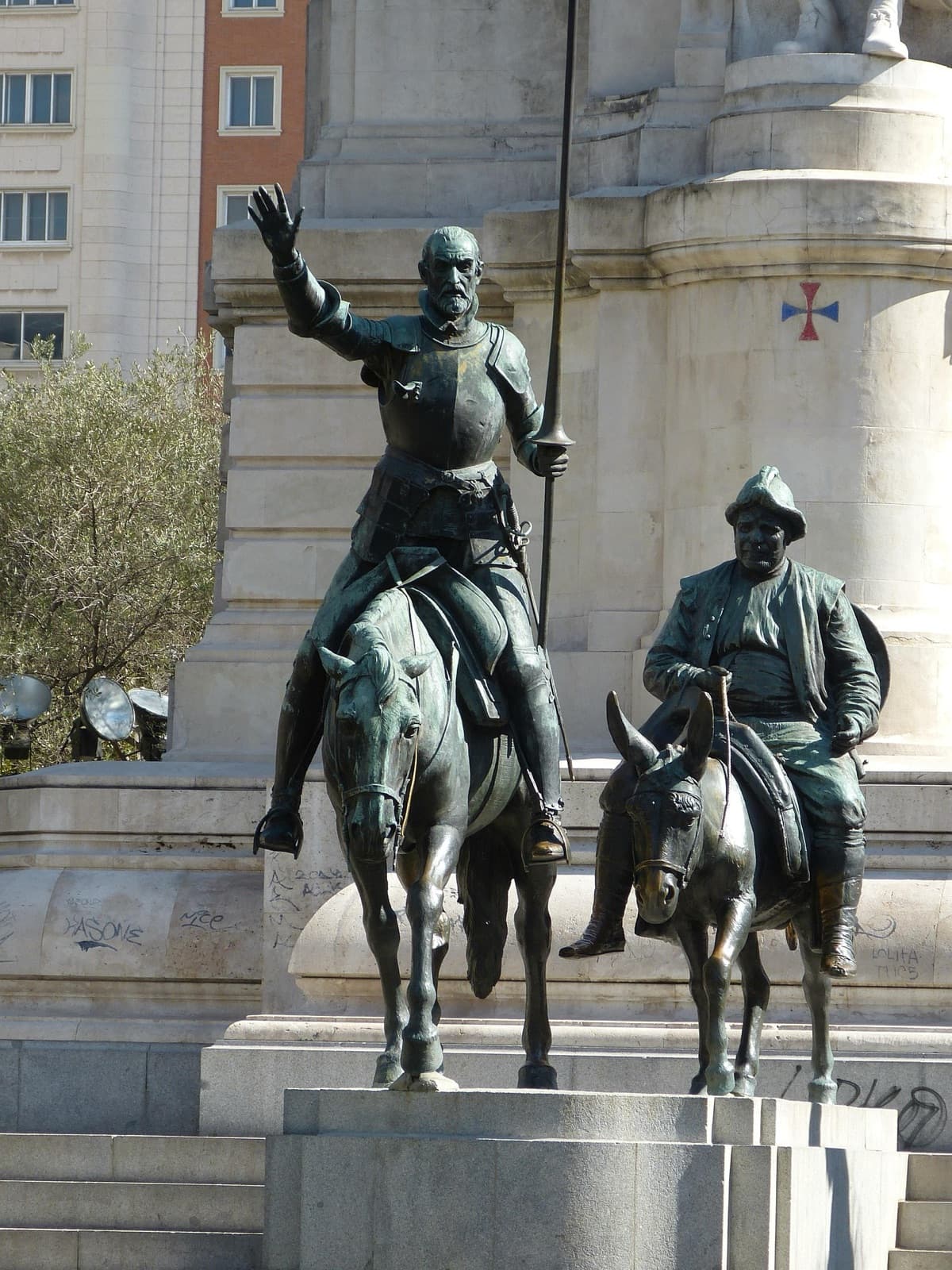
    Monument to Cervantes and Don Quixote

    In the Plaza de España, Cervantes forever watches his creations: Don Quixote and Sancho, in bronze, riding off toward nowhere. It's the most important monument to literature in Spanish. The author and his characters, condemned never to part.

  • Cibeles Fountain

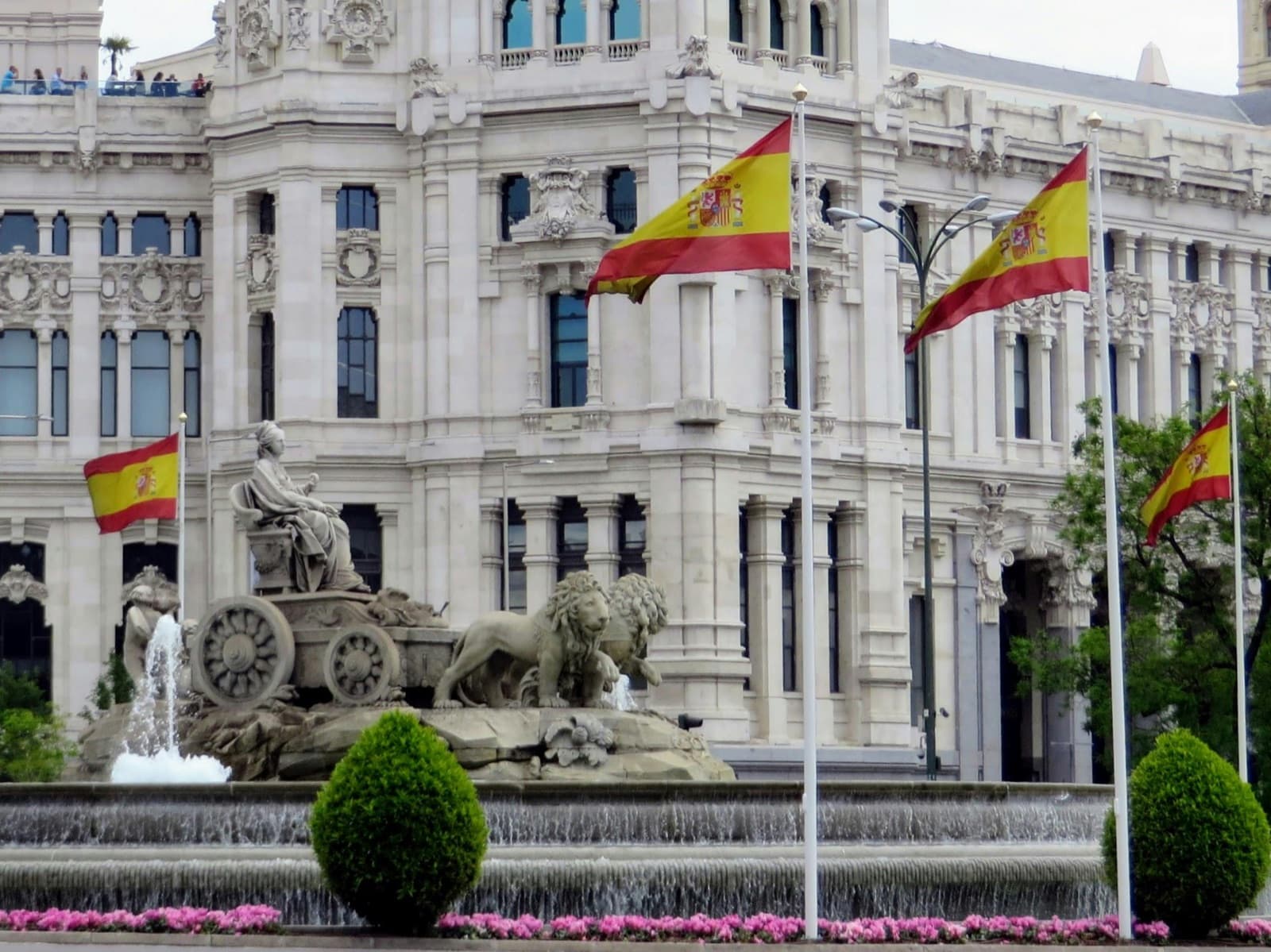
    Cibeles Fountain

    The goddess Cybele in her chariot drawn by lions: the quintessential symbol of Madrid. Here Real Madrid celebrates every title —and here the city gathers whenever there's something to celebrate or to demand. A Roman goddess turned into the Madrilenians' meeting point.

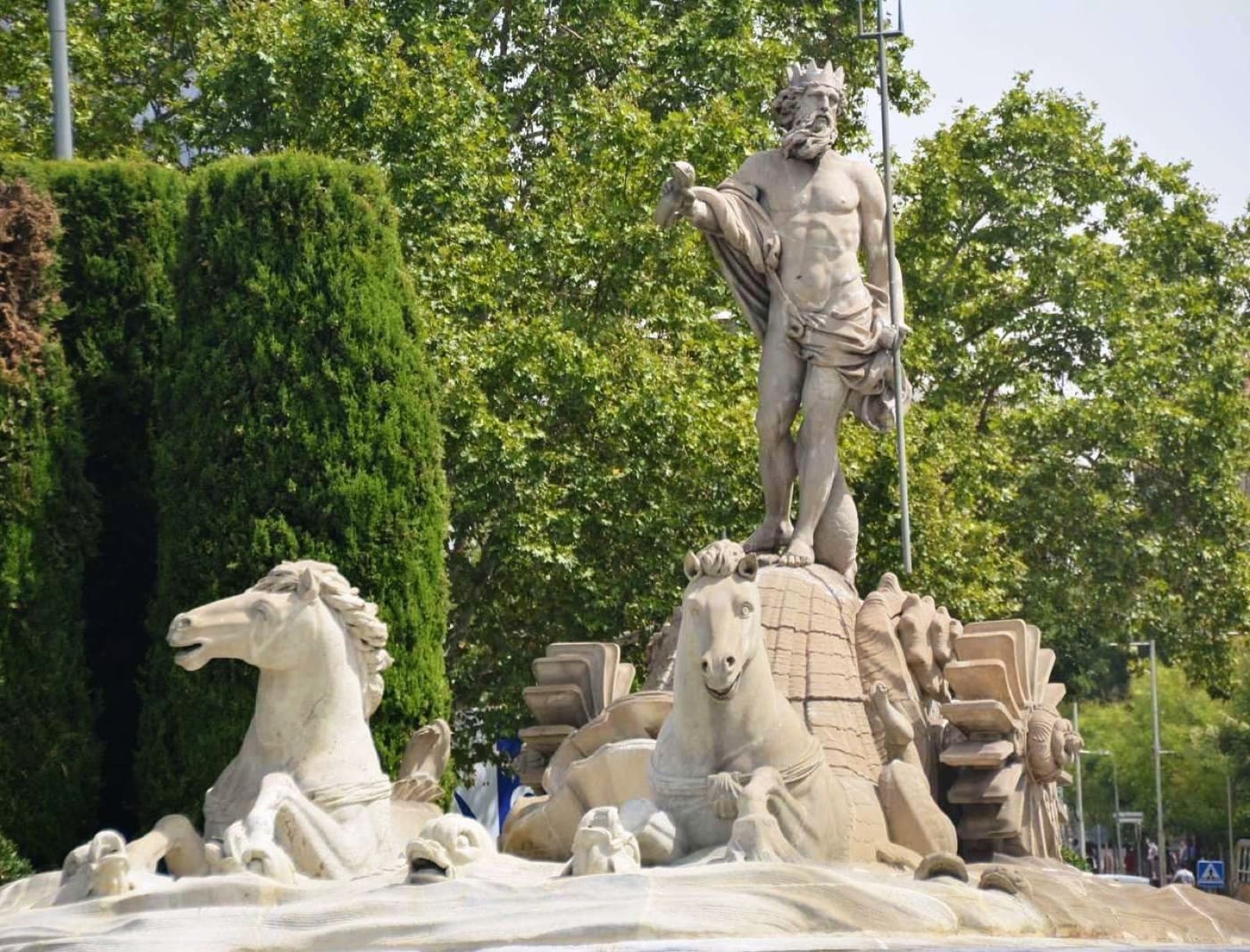
  • Neptune Fountain

    Neptune Fountain

    Cibeles's twin, a few meters away, from the same beautification project of Charles III. But it has its own supporters: here Atlético de Madrid celebrates. Two fountains, two gods, two clubs —the city's rivalry, split across marble.
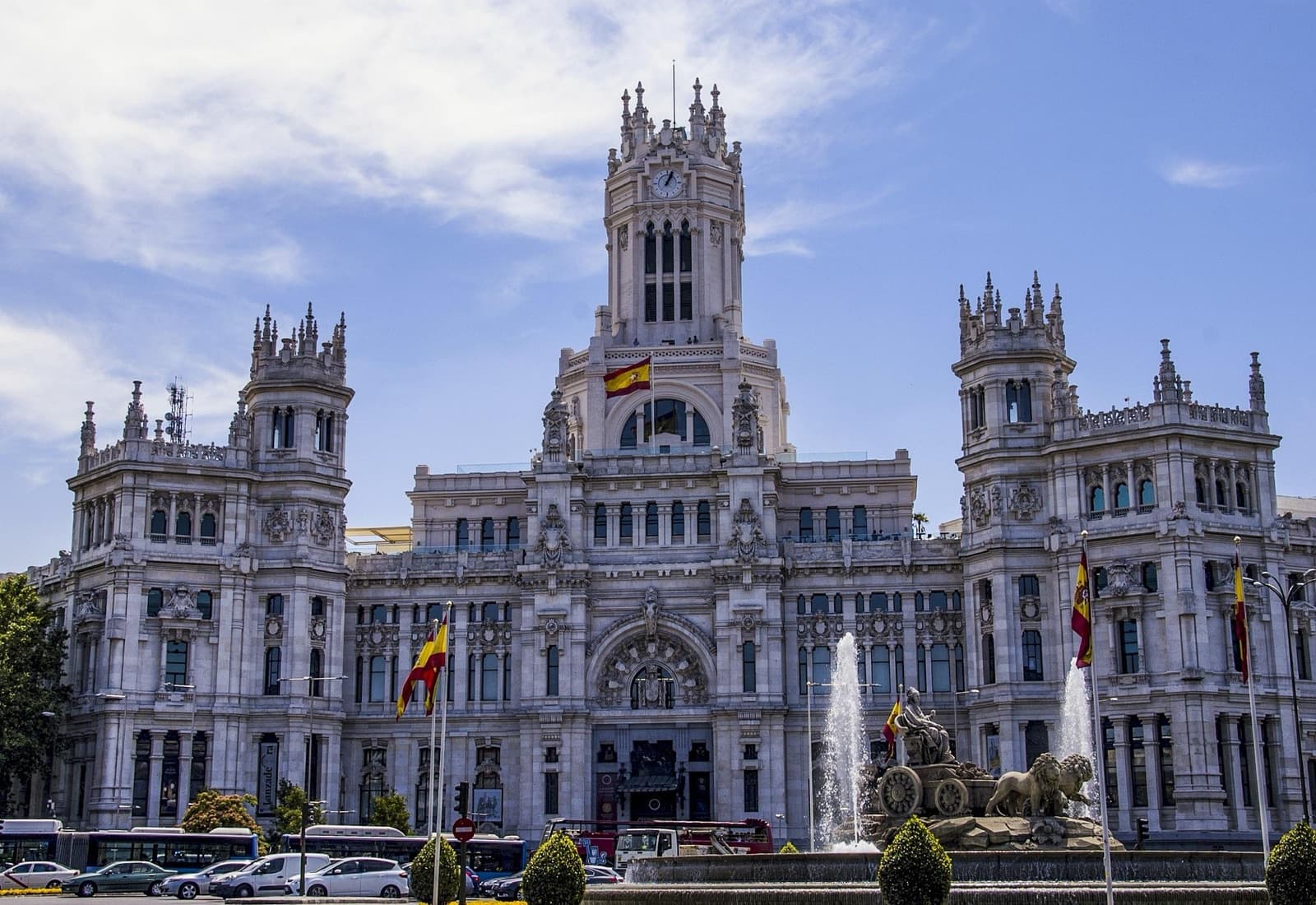
  • Cibeles Palace, Madrid City Hall

    Cibeles Palace

    It looks like a cathedral and it's… the city hall. They built it in the early 20th century as the Communications Palace: the palace of letters and telegrams. Its neo-Baroque towers dominate Plaza de Cibeles, as if Madrid wanted even the mail to be monumental.

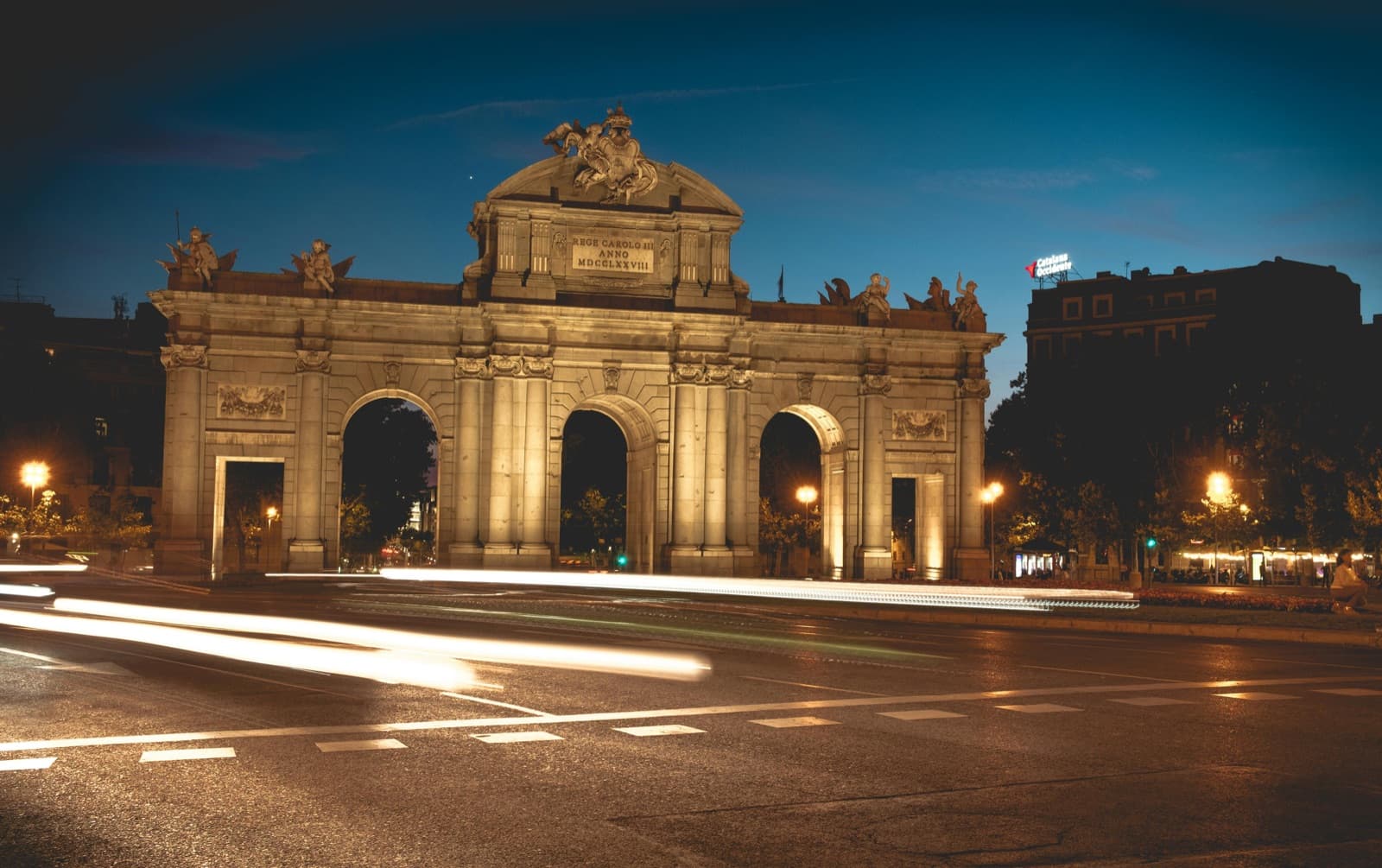
  • Alcalá Gate

    Alcalá Gate

    A triumphal arch that celebrates no battle: Charles III raised it in 1778 simply as a monumental entrance to the city. It marked the edge of Madrid; today it sits in the middle of it. The city grew so much that its gate ended up inside.
  • Buenavista Palace

    Buenavista Palace

    A neoclassical palace the Dukes of Alba —the most powerful nobility in Spain— built for themselves, and today the Army's general headquarters. Behind its elegant façade beats the story of an aristocracy that ruled almost as much as the king.
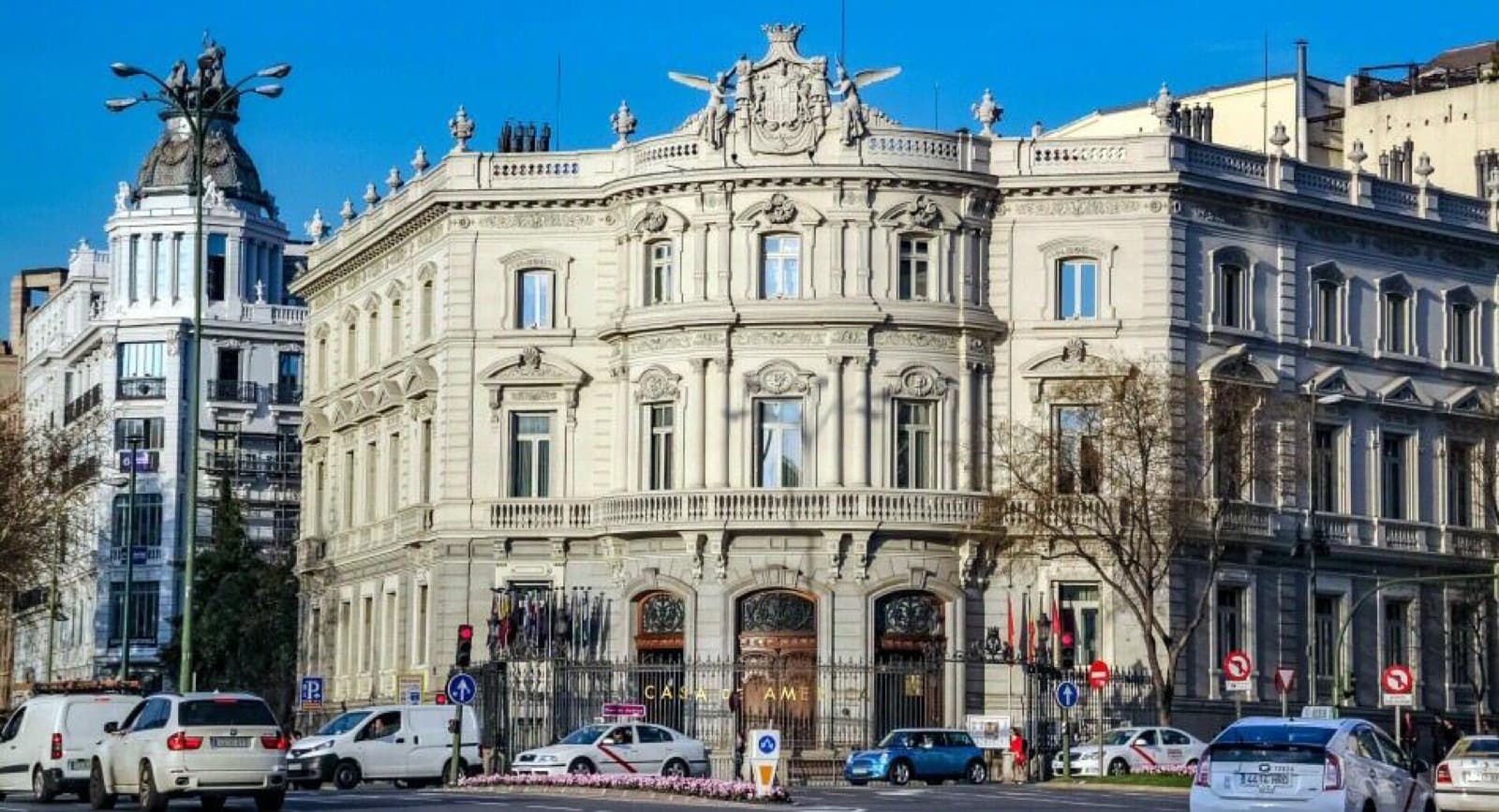
  • Linares Palace at Plaza de Cibeles

    Linares Palace

    A neo-Baroque palace of the 19th-century upper bourgeoisie —and the most famous for ghost legends in all of Madrid. There are tales of a secret daughter and voices in its halls. Today it's the Casa de América; the mystery comes with it.

  • Prado National Museum

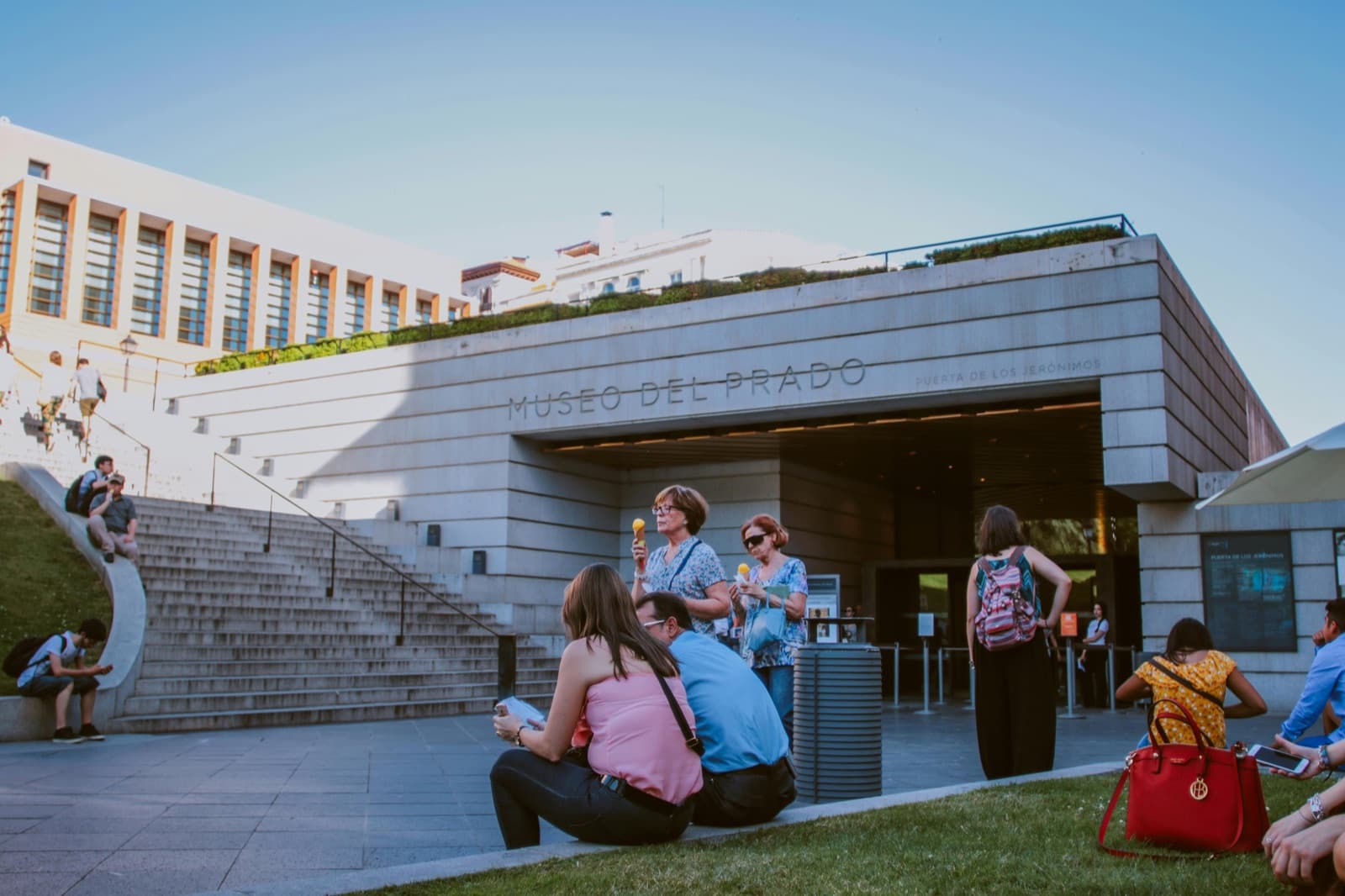
    Prado Museum

    One of the great art museums in the world, and the temple of Spanish art: Velázquez, Goya, El Greco. It opened in 1819 with the royal collections. Here hang "Las Meninas" and Goya's "Black Paintings." Not just a museum: the mirror where Spain looks at itself.

  • Reina Sofía National Art Center Museum

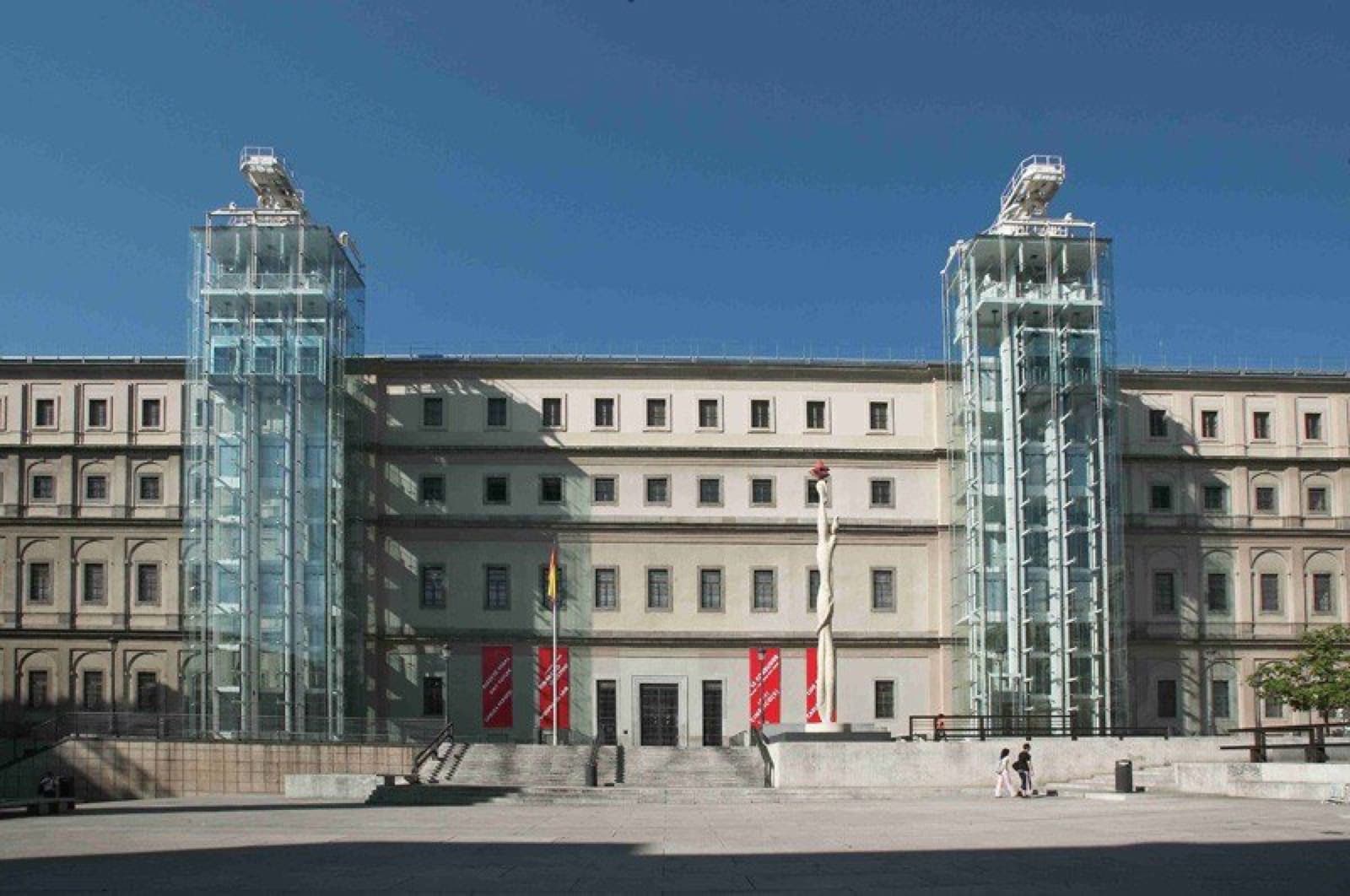
    Reina Sofía Museum

    The museum of 20th-century Spanish art —and of one painting that changes everything: Picasso's "Guernica," his scream against war. Alongside Dalí and Miró, in a former hospital. Here art stops being beauty and becomes an accusation.

  • Madrid History Museum

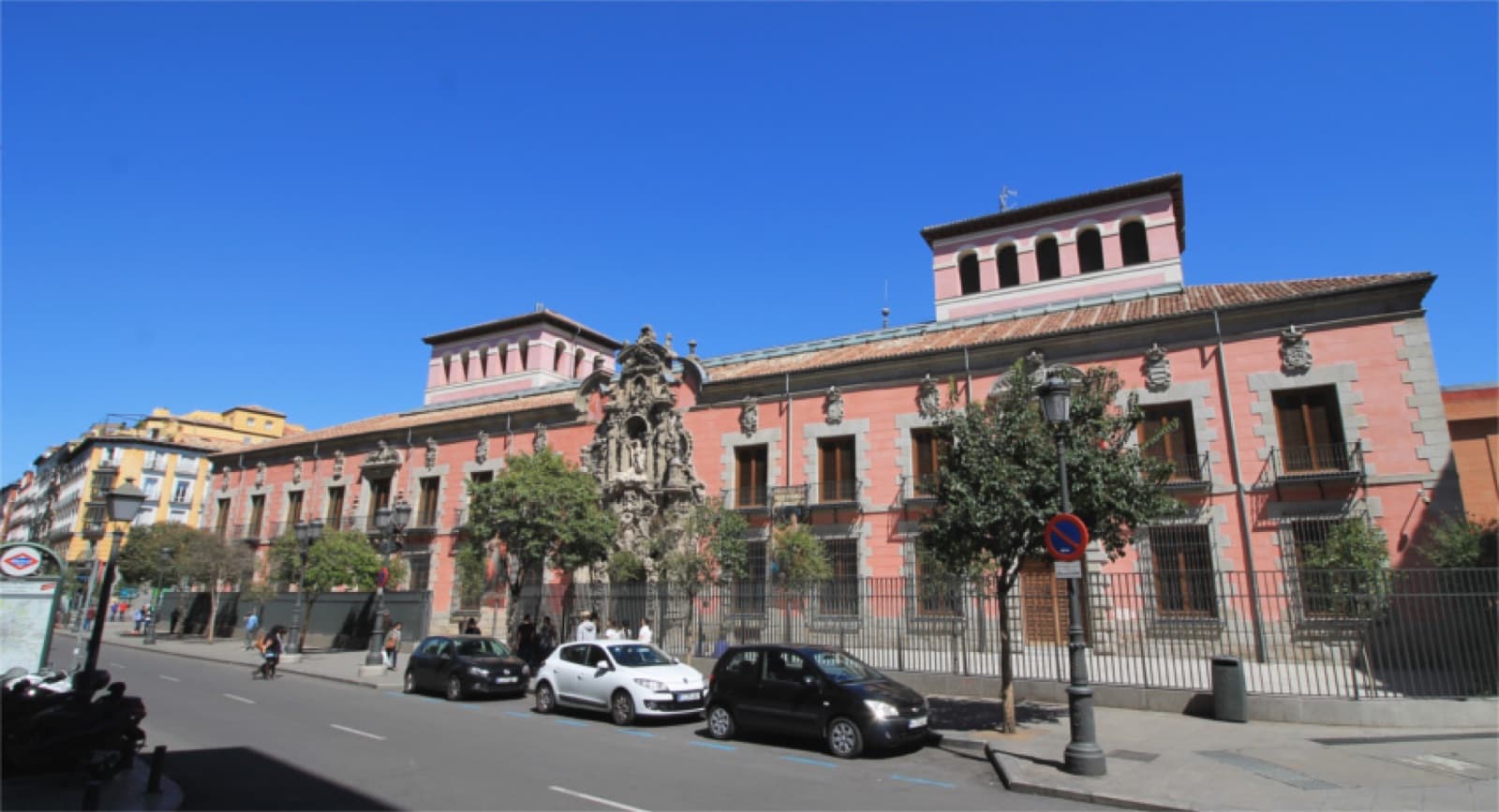
    Madrid History Museum

    In a former poorhouse with one of the most spectacular Baroque façades in Madrid. Inside it keeps a model of the city from 1830 —Madrid in miniature, before the great demolitions. The clearest way to see what was lost and what remained.

  • Lope de Vega House Museum

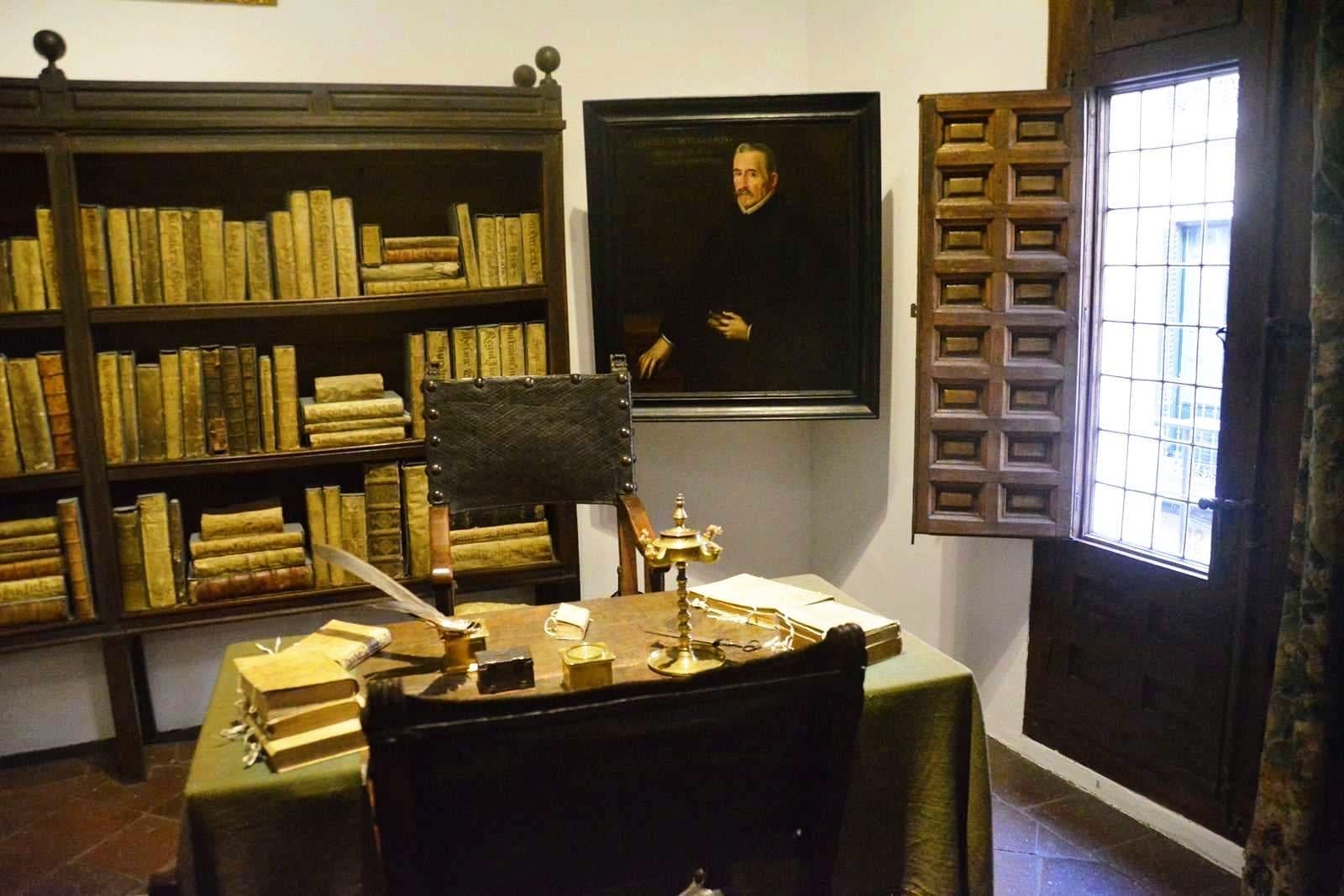
    Lope de Vega House Museum

    The house where Lope de Vega, the "Phoenix of Wits," spent his last 25 years and wrote without pause. A humble Golden Age home, with its garden and study intact. Much of modern Spanish theater was born here, within these four walls.

  • Buen Retiro Park

    Retiro Park

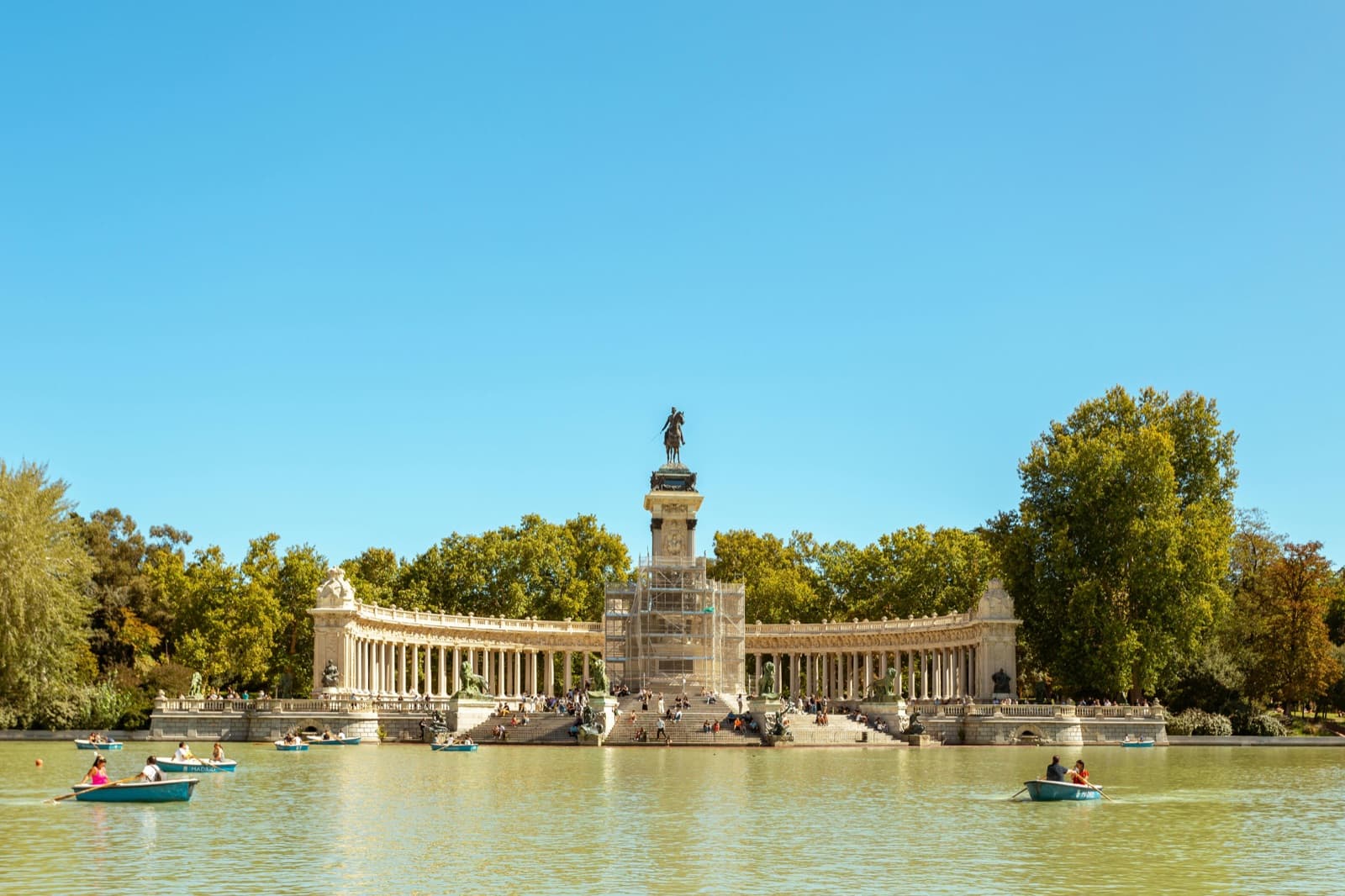
    Madrid's green lung —but it was born as the kings' private garden, closed to the public until 1868. 125 hectares of ponds, palaces and statues. Where the court once strolled in private, today Madrilenians row, run and kiss.

  • Crystal Palace in Retiro Park

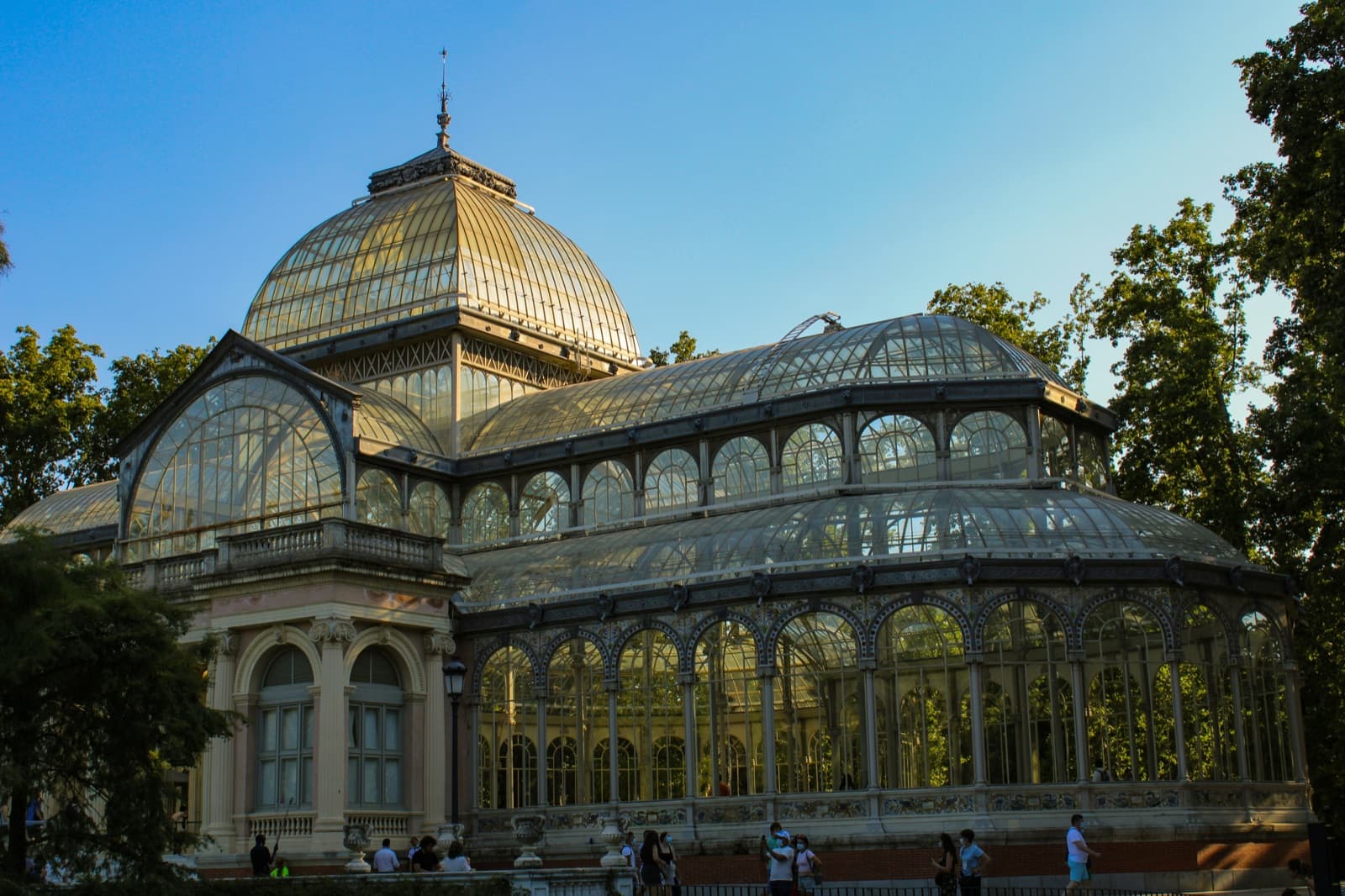
    Crystal Palace

    Iron and glass in the middle of the Retiro, raised in 1887 to display exotic plants brought from the Philippines —an imperial greenhouse. Inspired by London's Crystal Palace. Today an exhibition hall: a box of light that changes with each show.

  • Royal Botanical Garden of Madrid

    Royal Botanical Garden

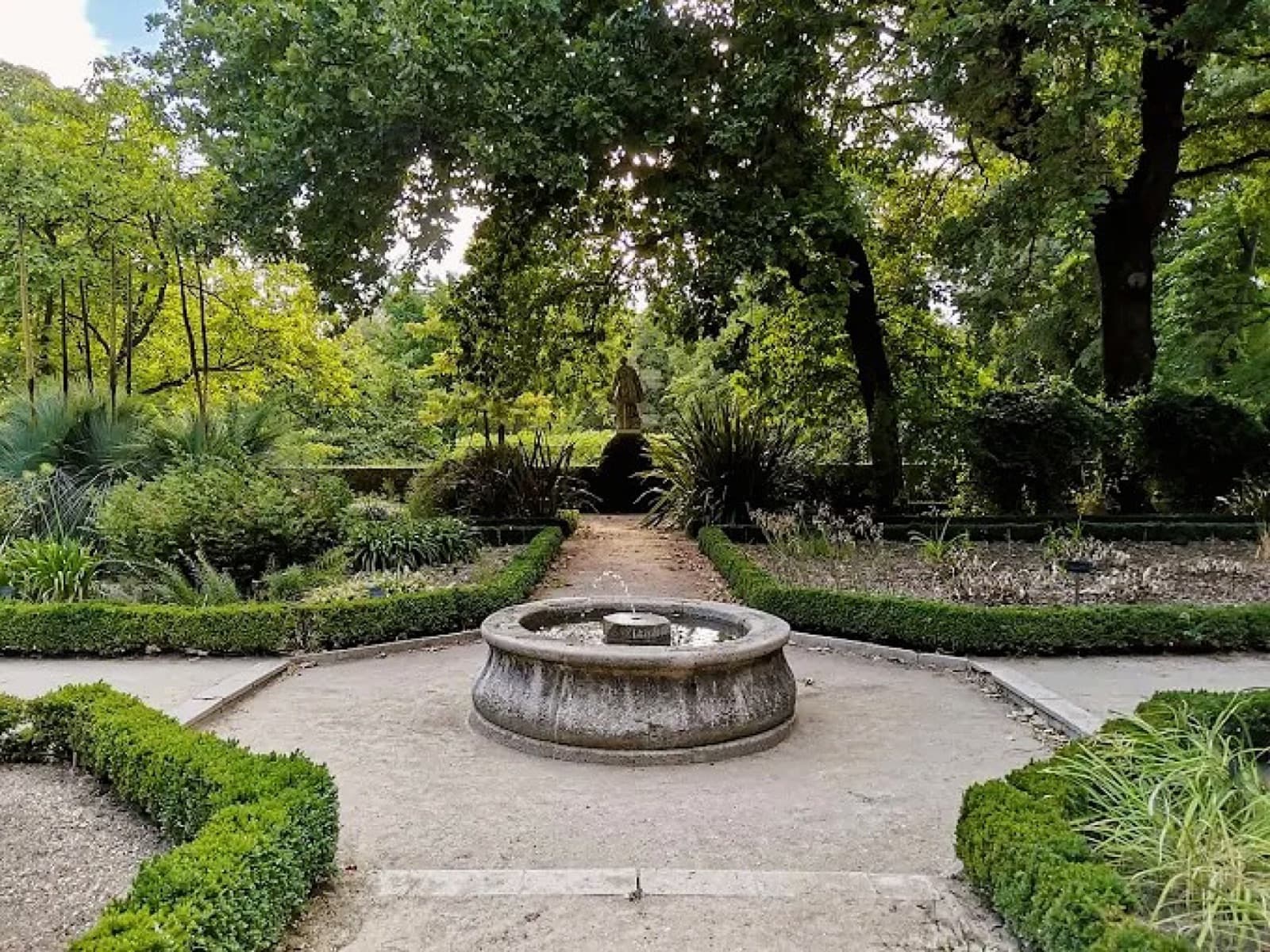
    Charles III founded it in 1781 not for strolling but for study: over 5,000 species arranged by the science of the Enlightenment, many brought from across the world by the empire's expeditions. An oasis where Madrid tried to classify all of nature.

  • Parque del Capricho, romantic garden of the Duchess of Osuna

    El Capricho Park

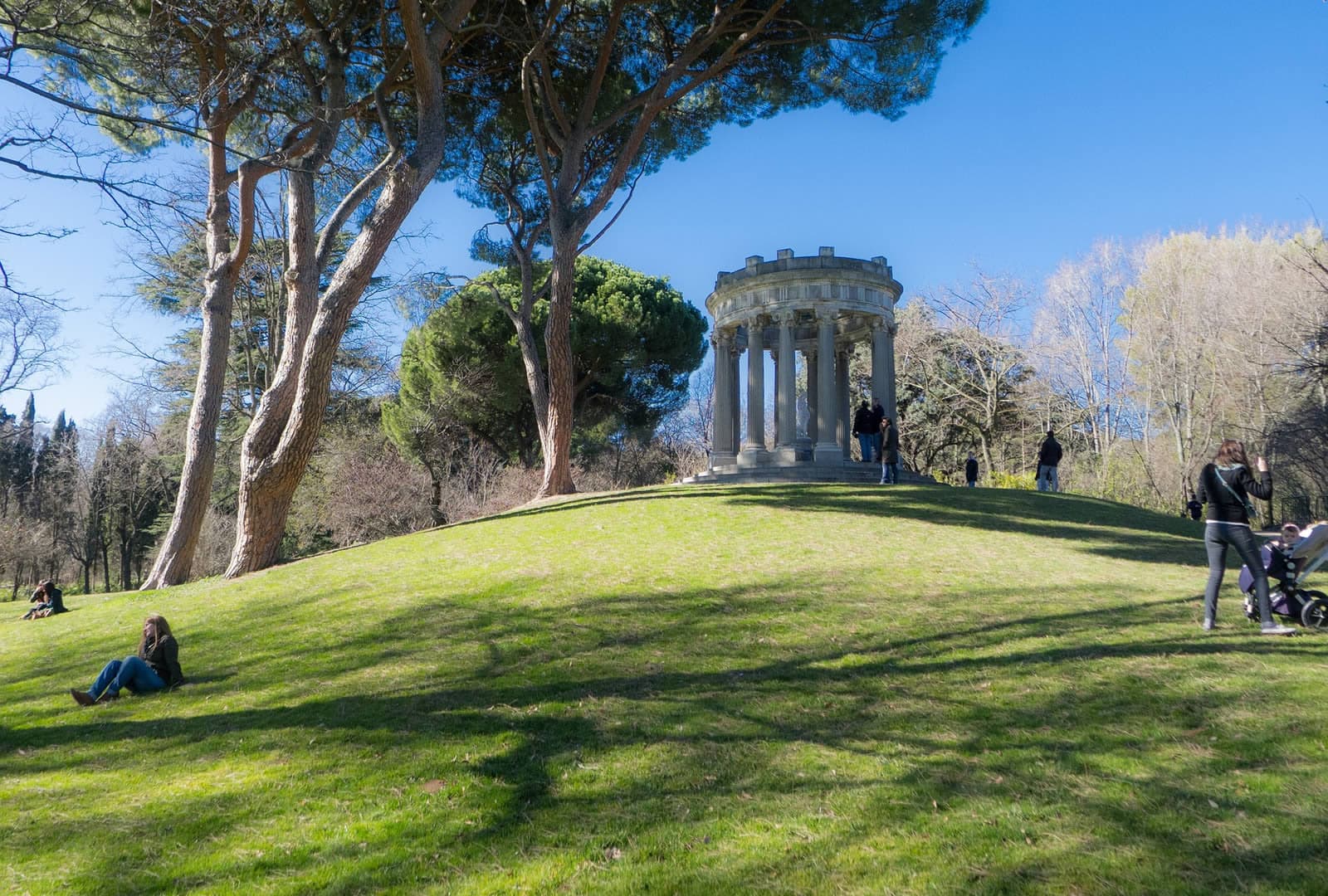
    The most hidden, romantic garden in Madrid, the whim of an 18th-century duchess. Labyrinths, ponds, little temples —and, underground, a Civil War bunker. A dreamlike world that almost no one knows, far from the center.

  • Temple of Debod at sunset

    Temple of Debod

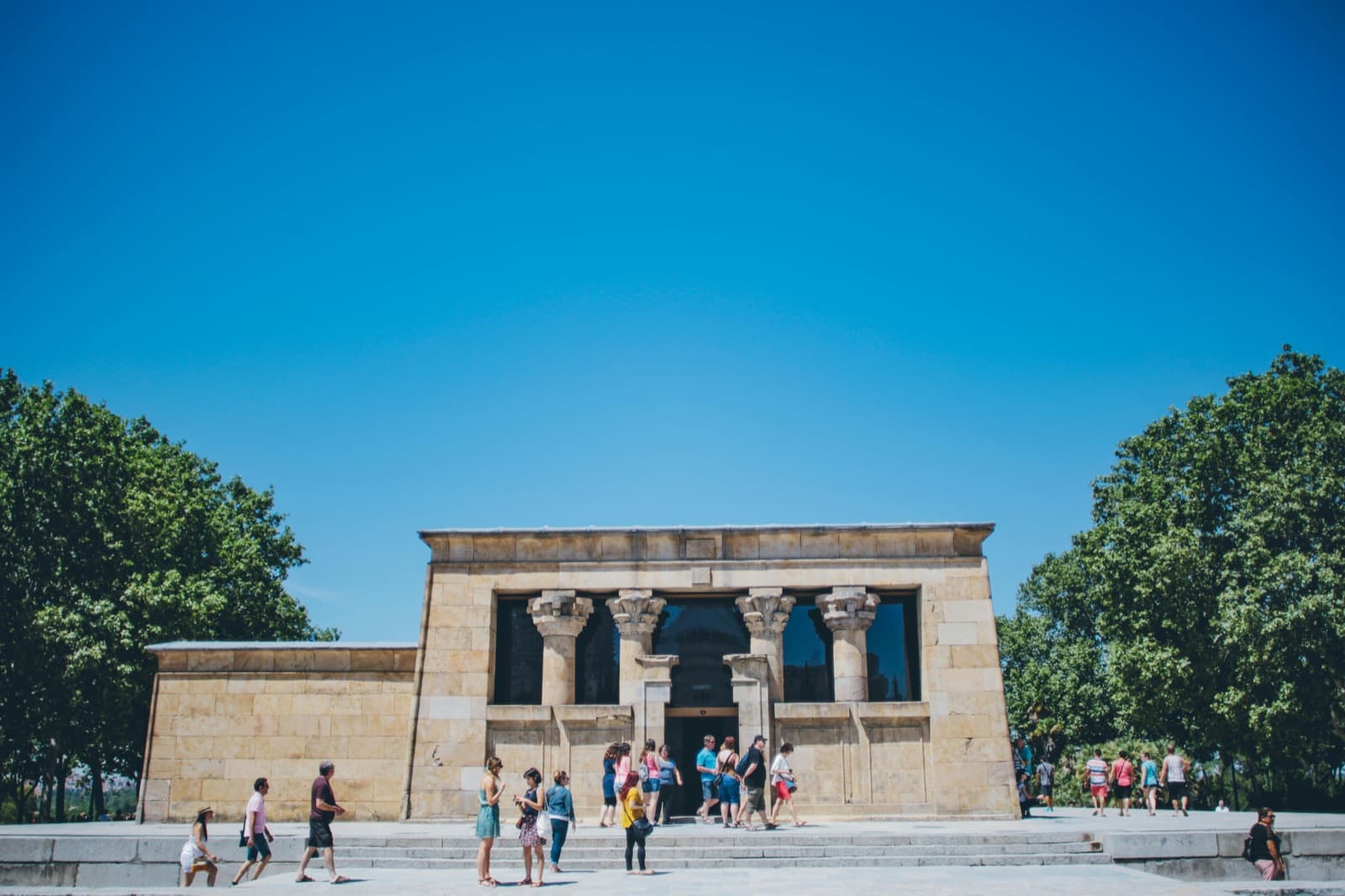
    A real Egyptian temple, over 2,000 years old, in the heart of Madrid. Egypt gave it to Spain in 1968 for helping save the temples of Nubia from drowning under a reservoir. They brought it stone by stone. At sunset, the desert and Madrid blur into one.

  • Royal Theatre of Madrid

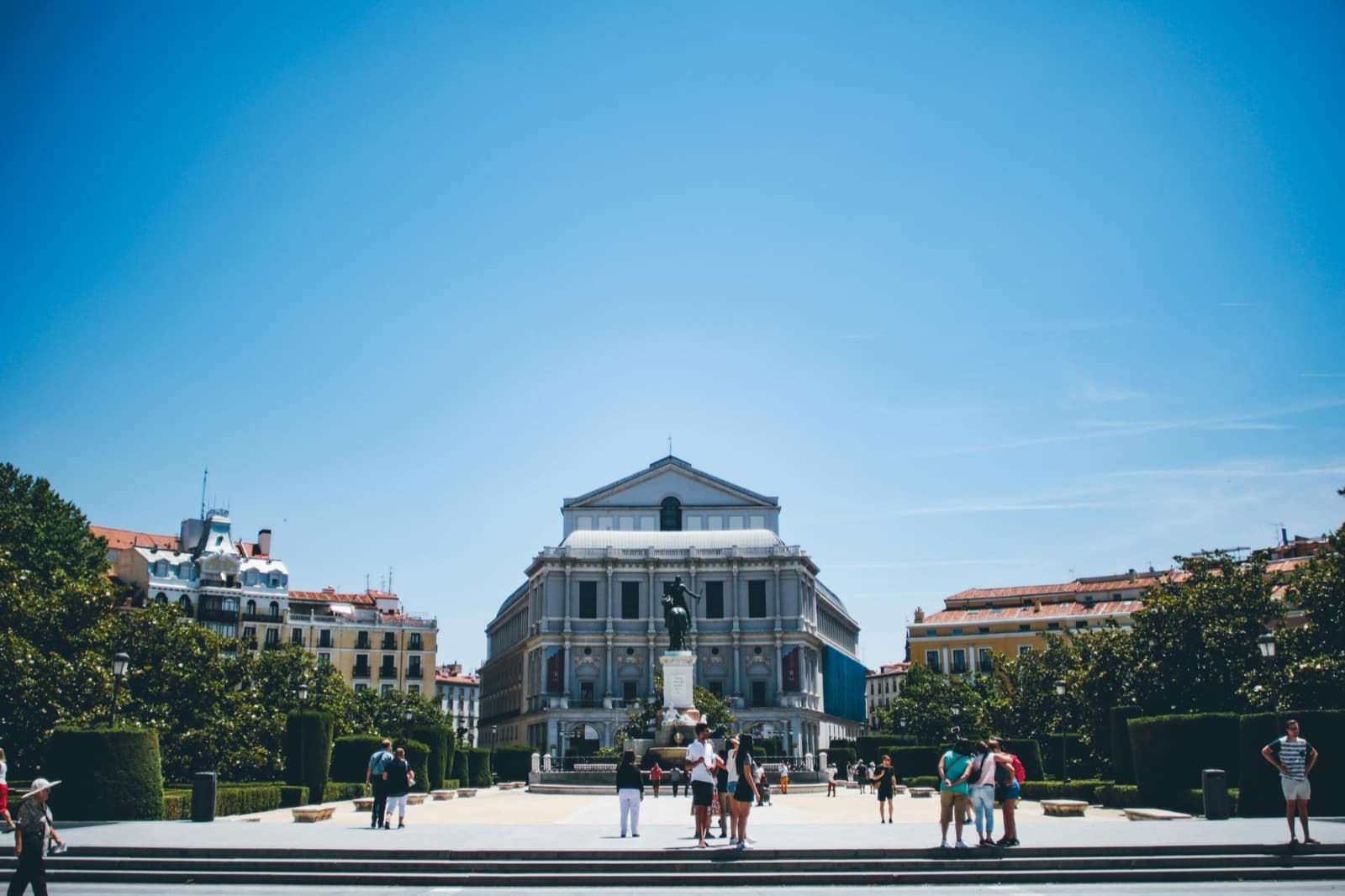
    Royal Theatre

    Madrid's great opera house, inaugurated by Isabella II in 1850. It had it all: glorious premieres, years shut for structural problems, a triumphant reopening. The world's finest voices have passed across its stage, right opposite the Royal Palace.

  • Moncloa Lighthouse

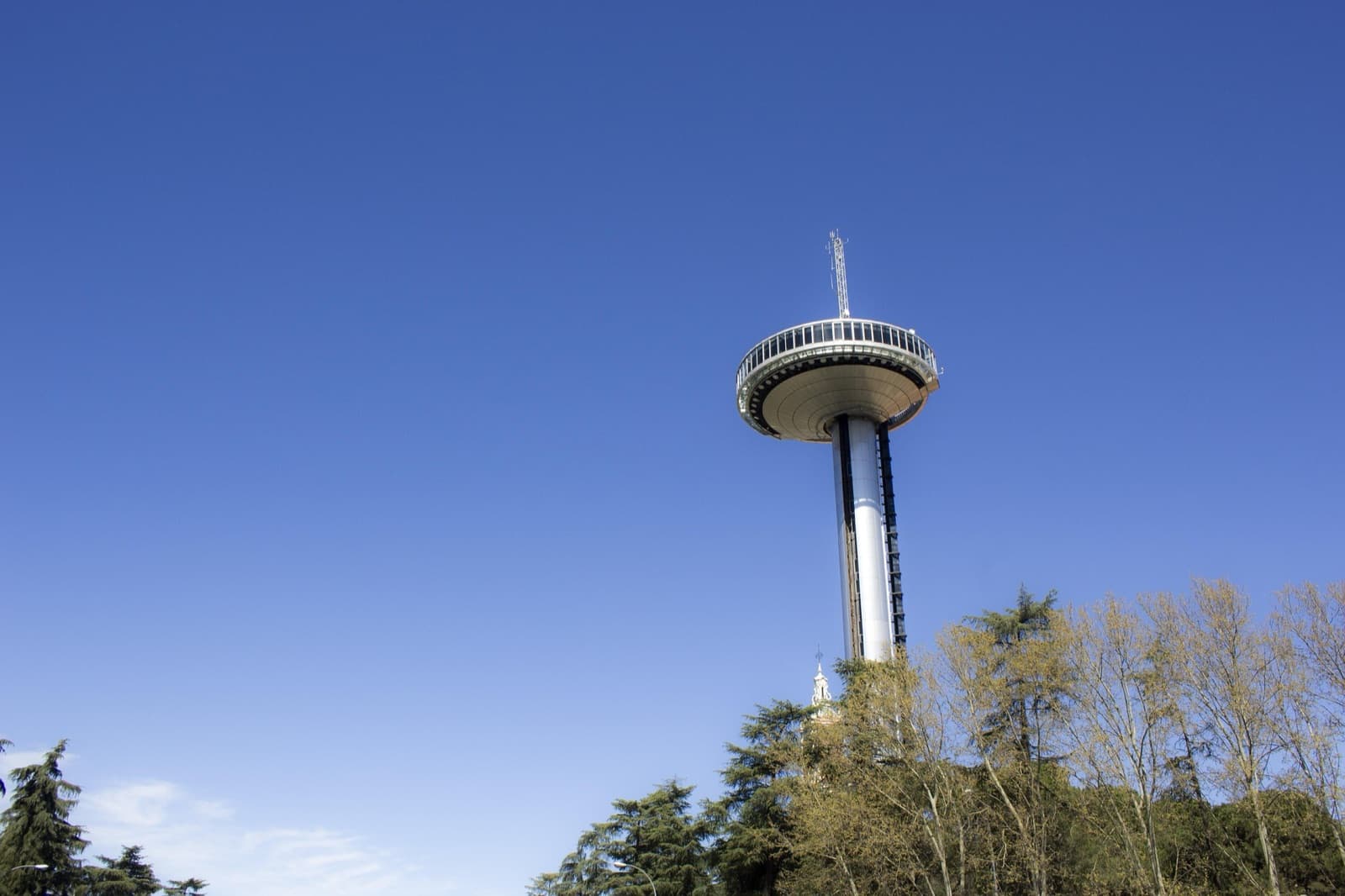
    Moncloa Lighthouse

    It's not a lighthouse: it's a 110-meter communications tower from 1992 that Madrilenians nicknamed one. You go up to its viewpoint and have all of Madrid at your feet —from the mountains to the historic center. The widest view of the city, with barely a queue.

  • Santiago Bernabéu Stadium

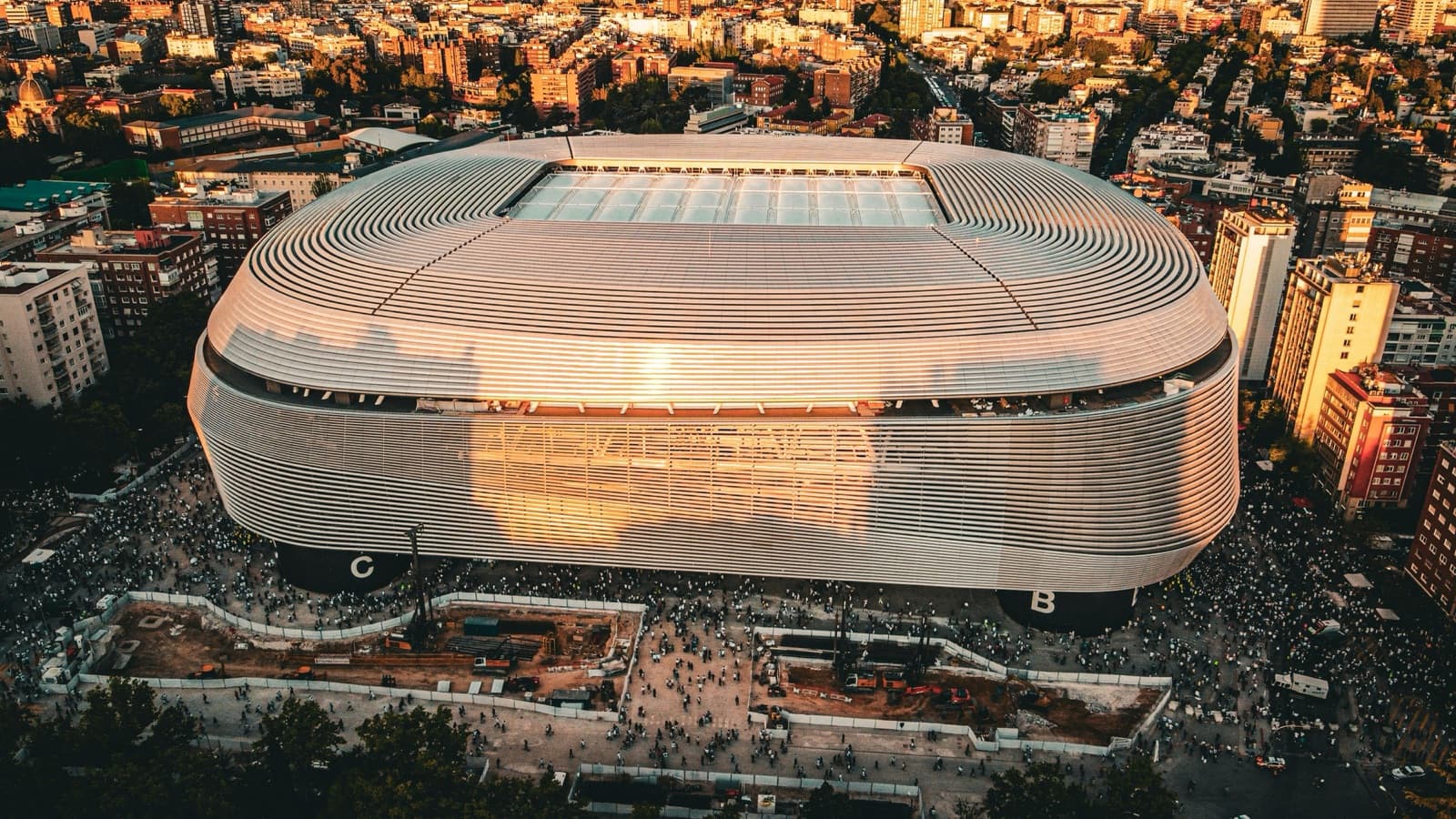
    Santiago Bernabéu Stadium

    Home of Real Madrid since 1947, one of the most mythic stadiums in world football. It bears the name of the president who built it and forged the club's legend. Over 80,000 people singing: the temple of one of the most successful teams in history.

  • Metropolitano Stadium of Atlético de Madrid

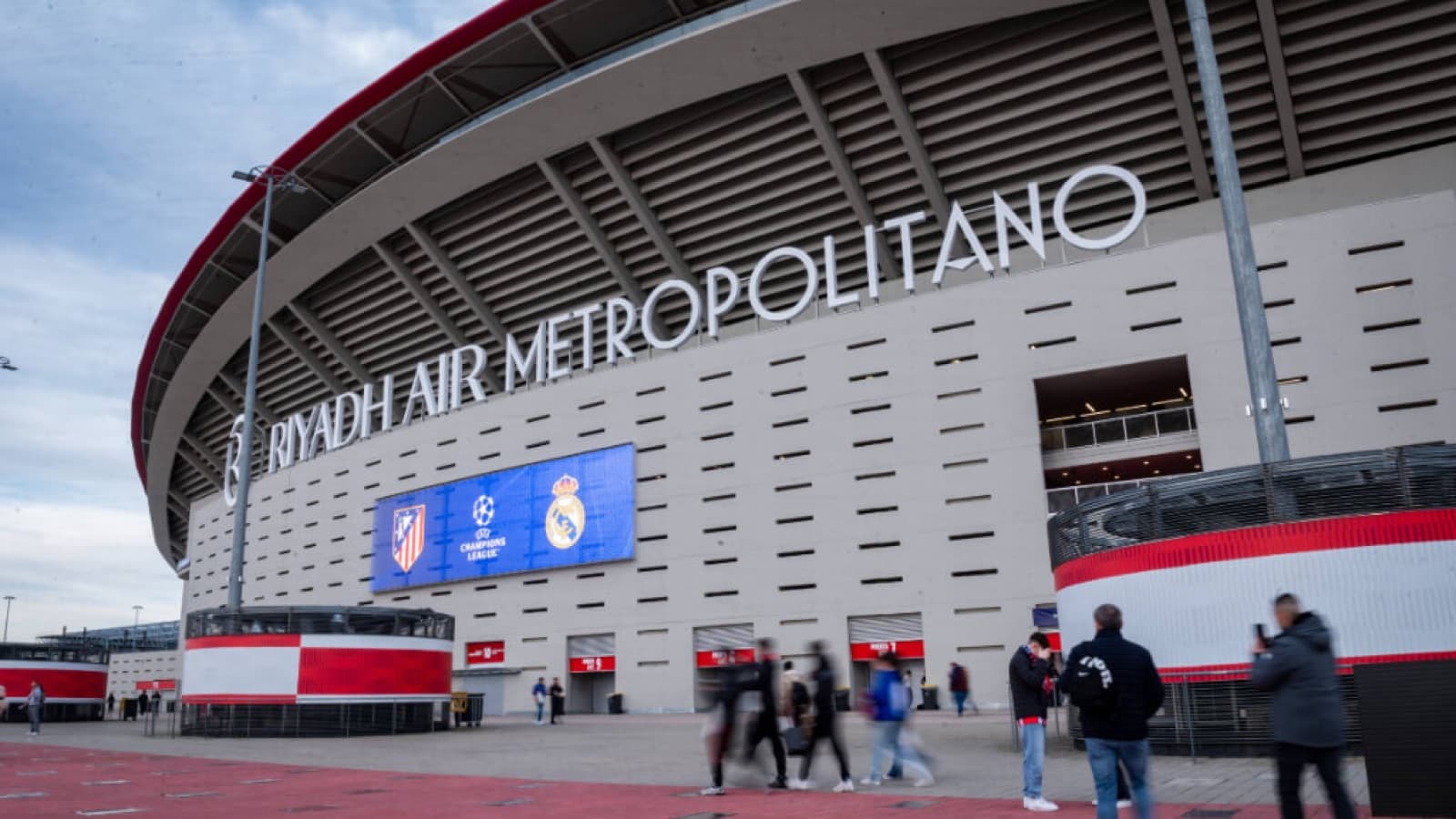
    Metropolitano Stadium

    Home of Atlético de Madrid since 2017, one of the most modern stadiums in Europe, raised on a former Olympic stadium. 68,000 seats; it hosted the 2019 Champions League final. The heart of the other half —the more long-suffering and proud— of Madrid football.

FAQ

About Madrid on Ruthy

They're written and narrated by Lucas Botta, of Historia en Podcast. Not auto-generated text or a synthetic voice: curated content, with judgment and narrative craft. That's the difference from any generic guide.

Yes. Ruthy streams its stories, so you'll need a connection while you explore the city — Wi-Fi, mobile data or a local eSIM. The upside: the app takes up no space on your phone, and you always hear the most up-to-date version of each story.

Madrid has 43 places on Ruthy, grouped by area. At a comfortable pace, plan for 3 to 5 days: Habsburg Madrid (Plaza Mayor, Royal Palace, Cathedral) in one morning; the Prado axis (Cibeles, Prado, Retiro, Botanical Garden) in another; Gran Vía and the modern center separately; and scattered landmarks (Temple of Debod, Capricho, stadiums) when you're nearby.

Yes. Start with Habsburg Madrid: Plaza Mayor, Royal Palace, Almudena Cathedral, Plaza de la Villa, Calle Mayor. That orients you historically. Then go up via Puerta del Sol and Gran Vía to Cibeles, and from there down to the Prado, Retiro and Reina Sofía.

Content concentrates in the historic center (Habsburg Madrid, Sol, Gran Vía, Cibeles, Prado, Retiro), but also includes places like Parque del Capricho in La Alameda de Osuna, the Temple of Debod in Moncloa, and both the Bernabéu and Metropolitano stadiums. We add more areas regularly.

Yes. Each person downloads the app on their phone and listens through their own headphones. You walk together and choose which story to hear at each stop. No group tour, no fixed schedule, no guide to wait for.

Ruthy doesn't depend on the physical site — it depends on your headphones. You can listen while walking through the crowd, sitting at a nearby terrace, or from across the street. You press play when you're near — you don't need to go inside.

Ruthy is an audio guide, not a ticketing service. To enter the Prado Museum, Reina Sofía, Royal Palace, Bernabéu, Royal Theatre or the Metropolitano you need to buy your ticket separately. The Prado has a free time slot at the end of the day, and the Reina Sofía is free on Mondays. Ruthy's audio plays from outside and inside.

Yes. Ruthy is free to download and use on iOS and Android. All 43 Madrid stories are available at no cost during this initial phase.

Real reviews

What Ruthy users say.

  • An original and very interesting proposal to discover cities in a different way. It's very easy to use, has a clear interface, and the stories are well narrated. I liked that it lets you explore at your own pace and choose what places to visit by proximity or interest. Without a doubt, it's an entertaining and educational option — ideal for tourists or to rediscover your own city.

    Jaz GonzálezApp Store
  • I used it on my trip and the descriptions, details, and information it provides are excellent. Highly recommended!

    Ale CarbaApp Store
  • This app is wonderful — it shows you everything you need to know about any place you visit.

    Lisandro HedinGoogle Play

Start with Madrid

You don't just see Madrid. You understand it.

Download Ruthy free and walk Madrid with all 43 stories activating in real time, right where it all happened.

Free · no ads · iOS and Android

Download Ruthy free